Tata Titiana
The paradigm of modern wealth and personal achievement has shifted dramatically among contemporary generations. For decades, traditional milestones dictated that financial success and personal stability were measured by tangible acquisitions—chiefly the purchase of residential real estate, personal automobiles, and secure, long-term savings portfolios. However, Millennials and Generation Z are redefining these societal norms, increasingly prioritizing experiential investments over material accumulation. At the forefront of this cultural evolution is "lifestyle traveling," a phenomenon that treats exploration not merely as an occasional vacation, but as a core component of daily existence, personal identity, and lifelong learning.
This shift is not occurring in a vacuum. Driven by the rapid democratization of global travel, the proliferation of low-cost carriers, remote work ecosystems, and the pervasive influence of digital connectivity, young adults worldwide are viewing the world as an open classroom. Rather than deferring gratification until retirement—a milestone growing increasingly abstract in modern economic climates—younger demographics are choosing to allocate disposable income toward immediate, immersive travel experiences.
Background Context: The Evolution of Youth Mobility and Modern Consumerism
To understand the rise of lifestyle traveling, one must examine the socio-economic transformations of the past two decades. The aftermath of the 2008 global financial crisis fundamentally altered how younger generations perceive job security, asset ownership, and the housing market. With skyrocketing property values making homeownership an increasingly distant dream for many entry- and mid-level workers, the traditional financial roadmap lost much of its viability and appeal.
Simultaneously, the gig economy and the rise of digital nomadism introduced unprecedented flexibility into professional life. The COVID-19 pandemic further accelerated remote work infrastructures, proving that productivity was no longer tethered to a physical office cubicle. Consequently, the psychological barrier separating "work" from "leisure" began to dissolve. Young professionals realized they could sustain their livelihoods while navigating diverse geographic landscapes, transforming travel from a periodic escape into a sustainable lifestyle choice.
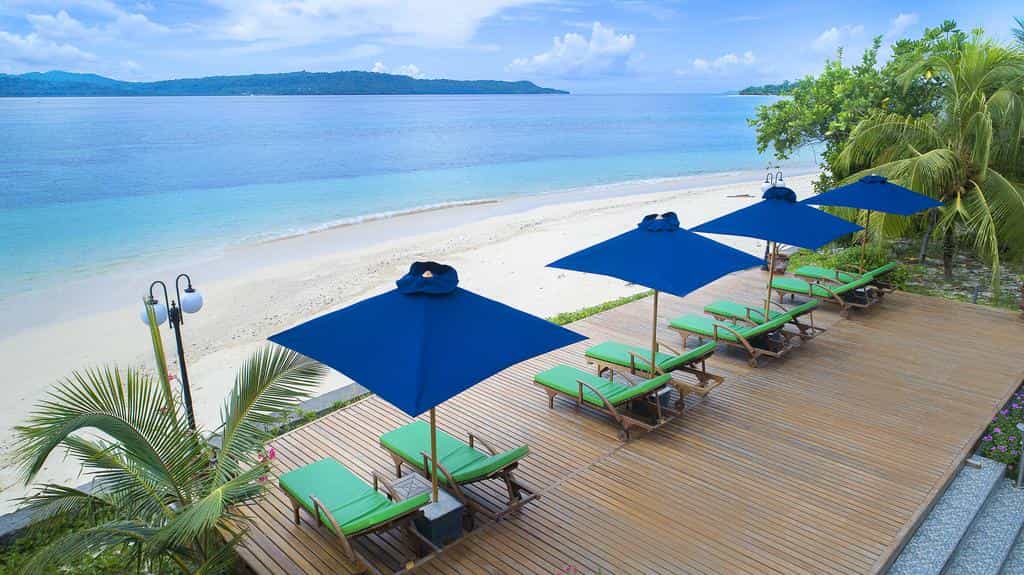
Sociological studies on modern consumer behavior consistently highlight a generational pivot away from materialism. According to data from various consumer research firms, Millennials and Gen Z consistently place a higher value on "doing" rather than "having." Purchasing luxury items or large physical assets often brings diminishing returns in psychological well-being compared to the enduring cognitive and emotional benefits derived from travel—such as enhanced empathy, cross-cultural competence, and adaptability.
Economic and Psychological Implications of Experiential Spending
From an economic perspective, the shift toward lifestyle travel has catalyzed massive growth within the global tourism sector, particularly in niche markets such as eco-tourism, community-based tourism, and adventure travel. Local economies in Southeast Asia, Latin America, and Eastern Europe have adapted rapidly to the influx of long-term travelers who seek authentic integration rather than resort-style isolation.
Psychologists and behavioral economists note that experiential investments yield a higher rate of return in terms of subjective well-being. Unlike material goods, which are subject to hedonic adaptation—where the initial excitement of a purchase fades over time—memories and experiences tend to appreciate in psychological value. As individuals age, recalling challenges overcome and cultures experienced during youth provides a profound sense of self-actualization and contentment.
Furthermore, lifestyle travel fosters critical soft skills highly valued in the modern globalized economy. Navigating unfamiliar environments without a rigid itinerary forces individuals to develop resilience, rapid problem-solving capabilities, and cross-cultural communication skills. These competencies directly translate back into professional settings, making lifestyle travelers highly adaptable and resourceful employees or entrepreneurs.
Practical Frameworks for Adopting a Travel-Centric Lifestyle
Transitioning into a lifestyle where travel serves as a foundational pillar requires a deliberate shift in mindset and logistical planning. Industry experts and seasoned travelers recommend several structured approaches to integrate continuous exploration into daily life sustainably.

Cultivating Psychological Readiness and Overcoming Hesitation
The primary hurdle for aspiring lifestyle travelers is often psychological rather than financial. The fear of stepping outside established comfort zones—leaving behind the safety net of routine and familiarity—frequently paralyzes potential explorers.
Overcoming this barrier demands a recalibration of risk perception. Traveling does not invariably require exorbitant financial reserves or absolute luxury; rather, it requires the willingness to embrace uncertainty and survive on essentials. Modern infrastructure, global connectivity, and peer-to-peer networks have made independent travel safer and more accessible than at any point in history. Developing a mindset of courage involves understanding that the perceived hazards of the outside world are frequently magnified by media and cultural insularity.
Embracing Flexibility and Adaptive Itineraries
Traditional tourism often relies on hyper-scheduled itineraries, booking every hotel, transit ticket, and museum visit months in advance. However, lifestyle traveling prioritizes fluidity and responsiveness to local conditions.
While baseline research and essential preparations—such as securing necessary visas, understanding local laws, and maintaining emergency funds—remain vital, over-planning can stifle organic discovery. The most profound travel experiences often occur serendipitously: stumbling upon a local festival, accepting an invitation from a resident, or altering a route due to a recommendation from a fellow traveler. Maintaining an adaptable itinerary ensures that explorers remain open to the unexpected opportunities that define authentic cultural immersion.
Mastering Cross-Cultural Adaptation
A successful lifestyle traveler must cultivate high cultural intelligence. Moving between diverse regions requires a deep respect for local customs, social hierarchies, linguistic nuances, and traditions.

Adaptability manifests in practical ways: learning basic phrases of the host language, dressing appropriately according to regional norms, and demonstrating a genuine curiosity about local histories. This humility not only ensures personal safety and smoother social interactions but also transforms the traveler from an outsider into an engaged learner. Communities worldwide are generally welcoming to visitors who approach them with respect and an authentic desire to understand their way of life, rather than treating them as static backdrops for social media content.
Broader Impacts and Industry Reactions
The mainstreaming of lifestyle travel has prompted significant adaptations across multiple industries. Financial institutions are rolling out multi-currency accounts and digital-first banking solutions tailored to borderless lifestyles. Co-living and co-working spaces have sprouted in major cultural hubs worldwide, offering flexible housing arrangements that cater specifically to mobile professionals.
Moreover, the tourism industry faces increasing pressure to balance this surge in mobility with ecological sustainability. As more young people embrace continuous travel, the carbon footprint of aviation and the strain on local ecosystems have become critical concerns. Consequently, industry leaders and conscious travelers alike are advocating for slow travel—minimizing frequent, long-haul flights in favor of deeper, localized exploration utilizing public transportation and supporting local, sustainable businesses.
Conclusion: Redefining Success for Future Generations
The ascent of lifestyle traveling signifies a profound cultural recalibration. By choosing to invest in experiences over possessions, contemporary generations are authoring a new definition of a life well-lived—one measured not by square footage or bank balances, but by horizons expanded, perspectives challenged, and human connections forged. As remote work technologies mature and global connectivity deepens, lifestyle traveling is poised to transition from a countercultural youth movement into an enduring institutional pillar of modern human development.