Nila Kartika Wati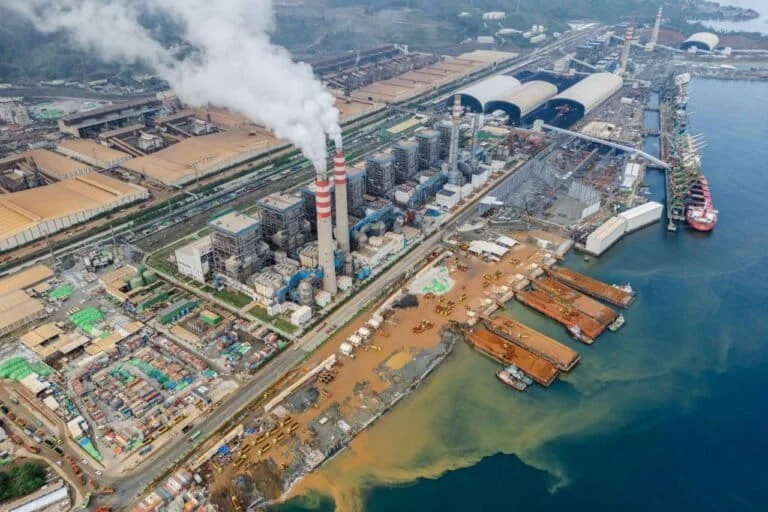
Tens of thousands of workers at the PT Indonesia Weda Bay Industrial Park (IWIP) in Central Halmahera are operating under the shadow of invisible but lethal risks. As Indonesia aggressively pursues its ambition to become a global hub for nickel processing—a critical component in the global transition to green energy and electric vehicles (EVs)—the laborers driving this industrial boom have emerged as the most vulnerable victims of the nation’s downstreaming policy. An investigative report titled "Three Faces of Death in Weda Bay: Karoshi, Suicide, and Recurring Workplace Accidents," published by Sembada Bersama Indonesia in 2026, has exposed a harrowing pattern of mortality within the massive industrial complex. The findings suggest that death at IWIP is not a series of isolated incidents but rather a recurring phenomenon characterized by sudden cardiac failure from overwork, a rising tide of suicides, and frequent fatal machinery accidents.
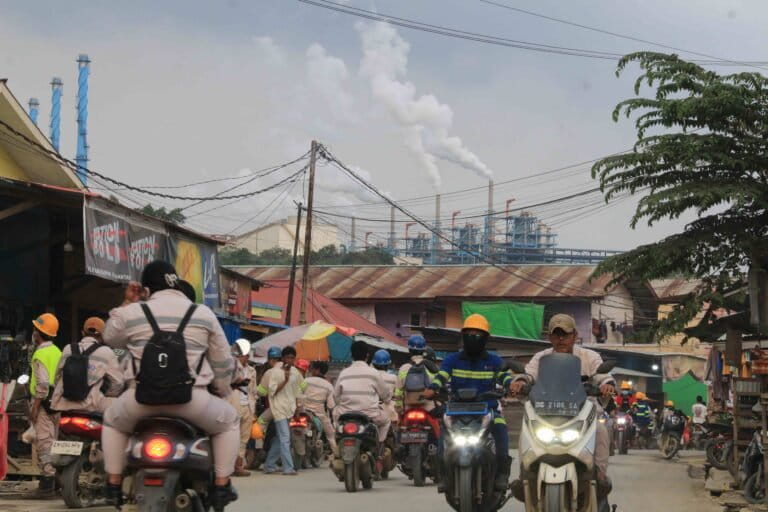
The investigation, led by researcher Azhar Irfansyah, reveals that the narrative of "sudden death" has become a common fixture of daily life for the workers. Information regarding colleagues collapsing or being found dead in their quarters circulates constantly through encrypted messaging apps and hushed conversations in the shadows of the smelters. On May 1, 2026, as the world celebrated International Workers’ Day, the laborers at Weda Bay faced a starkly different reality: a landscape where fundamental rights to health, welfare, and safety remain secondary to the relentless demands of production.
The Infrastructure of the Nickel Boom
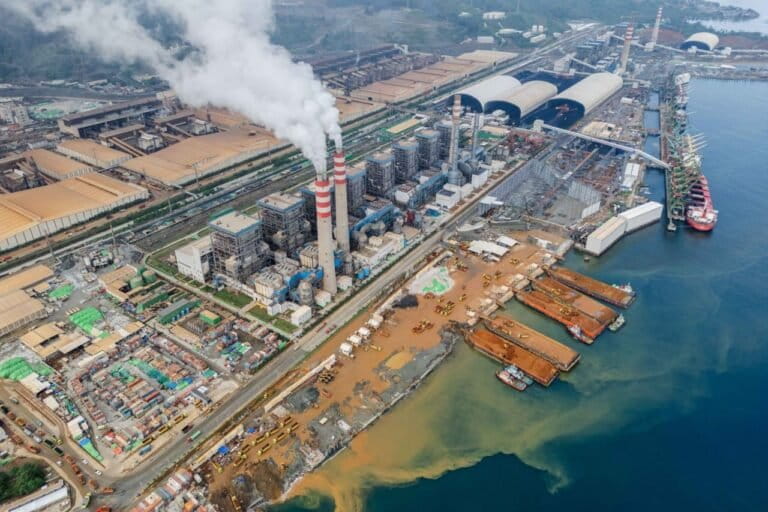
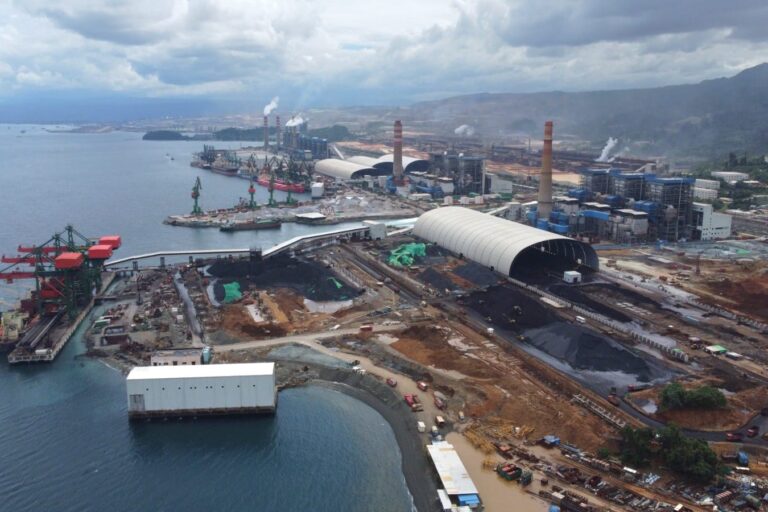
PT IWIP is a cornerstone of Indonesia’s National Strategic Projects (PSN), inaugurated in 2018 to facilitate the smelting and refining of nickel ore. The facility is a joint venture between major Chinese industrial giants, including the Tsingshan Holding Group, Huayou Group, and Zhenshi Holding Group. As the global demand for EV batteries surges, IWIP has expanded at a breakneck pace, transforming the coastline of North Maluku into a sprawling industrial fortress. However, this economic miracle is increasingly defined by its human cost.
The Sembada Bersama Indonesia report interviewed 23 workers, 19 of whom confirmed they had heard of sudden deaths among their peers. Two workers reported witnessing such deaths firsthand. In the six months leading up to the investigation in late 2025, 18 of the respondents had witnessed or heard of a sudden fatality. These victims are predominantly young men in their most productive years, typically aged between 26 and 35.
Karoshi: The Silent Killer of the Smelters
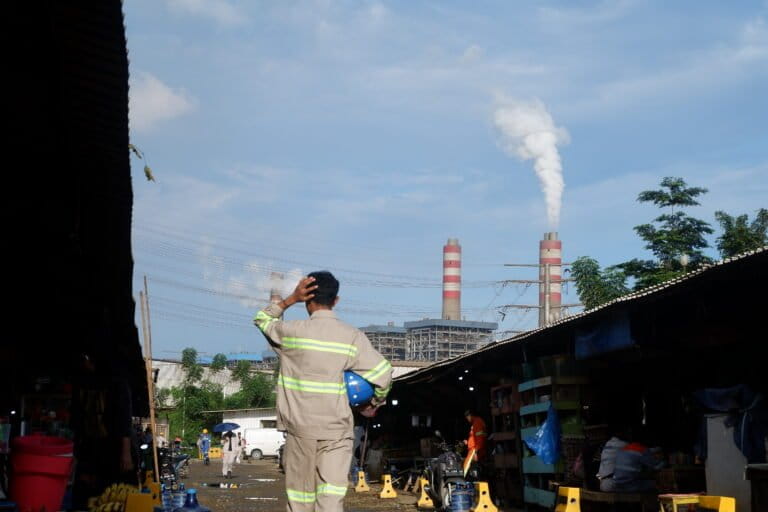
The phenomenon of "Karoshi"—a Japanese term for death from overwork—is a central theme of the report. Researchers argue that these sudden deaths are the direct result of a lethal combination of grueling shifts, extreme physical and mental stress, and exposure to radical temperatures. In the smelter units, workers typically endure 12-hour shifts. When factoring in the lack of consistent rest days and mandatory pre-shift briefings, many laborers log over 60 hours per week.
This exceeds the 55-hour threshold identified by the World Health Organization (WHO) and the International Labour Organization (ILO) as a critical risk factor for health. According to global studies, working more than 55 hours a week is associated with a 35% higher risk of stroke and a 17% higher risk of dying from ischemic heart disease compared to a standard 35-40 hour work week. At IWIP, the intensity of the work is compounded by a shrinking workforce; laborers report that teams previously consisting of seven people have been reduced to five, while production targets remain unchanged.
Health complaints among the 60-hour-per-week cohort are nearly universal. Workers report chronic migraines, severe sleep disturbances, and a growing dependency on painkillers. One laborer admitted to consuming at least four paracetamol tablets weekly just to remain functional. Nabiyla Risfa Izzati, a labor law expert from Gadjah Mada University and a fellow at CELIOS, describes these conditions as a "silent killer." She notes that the discourse around Occupational Health and Safety (K3) in Indonesia often only gains traction when there is a visible, bloody accident. "We calculate K3 by the number of corpses," she stated. "We ignore the thousands of workers whose health is being slowly eroded until they reach a breaking point."
A Growing Crisis of Mental Health and Suicide
Perhaps the most alarming revelation in the Sembada Bersama report is the spike in suicides and attempted suicides within the industrial zone. Between 2021 and early 2026, the investigation recorded at least 15 completed suicides and two attempts. The victims include 12 individuals directly employed in the nickel industry and three residents from the surrounding mining ring.
The data shows a clear and disturbing upward trend. In 2021, one case was recorded; by 2024, the number rose to four; and in the first four months of 2026 alone, six suicides occurred. While many of these tragedies took place in private rental housing (kos) or company dormitories, four instances occurred directly within the workplace—inside smelters, engine rooms of tugboats, and company warehouses.
Researchers emphasize that the recurrence of these events serves as a psychological distress signal. The isolation of the Weda Bay region, combined with the high-pressure environment and the lack of mental health support, has created a pressure cooker for the thousands of migrant workers who have traveled from across the Indonesian archipelago in search of a livelihood.
The Toll of Industrial Accidents
Workplace accidents represent the third "face of death" at IWIP. The study documented at least 25 fatalities from industrial accidents between 2018 and 2024. This number rose with four additional deaths in 2025 and two in early 2026, bringing the total to at least 31 lives lost in less than a decade. Azhar Irfansyah suggests that these figures are likely the "tip of the iceberg," as non-fatal but life-altering injuries—such as permanent disabilities and severe burns—often go unrecorded in official tallies.
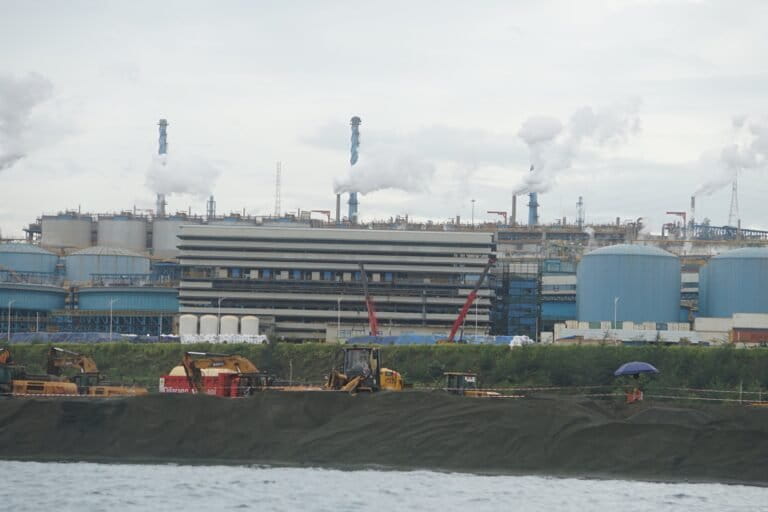
The report challenges the corporate narrative that frequently blames "human error" or worker negligence for these tragedies. Instead, the investigation points to a systemic disregard for safety protocols in favor of maintaining machine uptime. One worker recounted being ordered to enter a rotary kiln area before it had sufficiently cooled. "The heat was so intense my shoes began to melt," he told researchers.
In another instance, a worker was instructed to shovel spilled nickel ore from between two active conveyor belts. Standard operating procedure requires the machinery to be halted before such work begins, but under the pressure of production targets, the worker was forced to operate in a three-meter gap between moving belts. When his shovel caught on the moving belt, he narrowly escaped being dragged into the gears by letting go of the tool. Rather than receiving safety support, he was issued a formal warning letter (SP) for "working incorrectly." This incident mirrored the tragic death of a worker named Andri in September 2024, who was pulled into a conveyor and fell 20 meters to his death because he could not release his equipment in time.
Environmental Hazards and Toxic Exposure
The physical environment of Weda Bay is described as a trifecta of hazards: dust, noise, and heat. Using particle counters, researchers and workers measured air quality over several days in August 2025. The results were consistently in the "yellow," "purple," and "red" zones, indicating high to dangerous levels of particulate matter. This dust, which coats everything from local food stalls to the lungs of the residents in villages like Lelilef and Lukolamo, includes PM 2.5—fine particles capable of penetrating deep into the respiratory system and causing chronic obstructive pulmonary disease (COPD) or lung cancer.
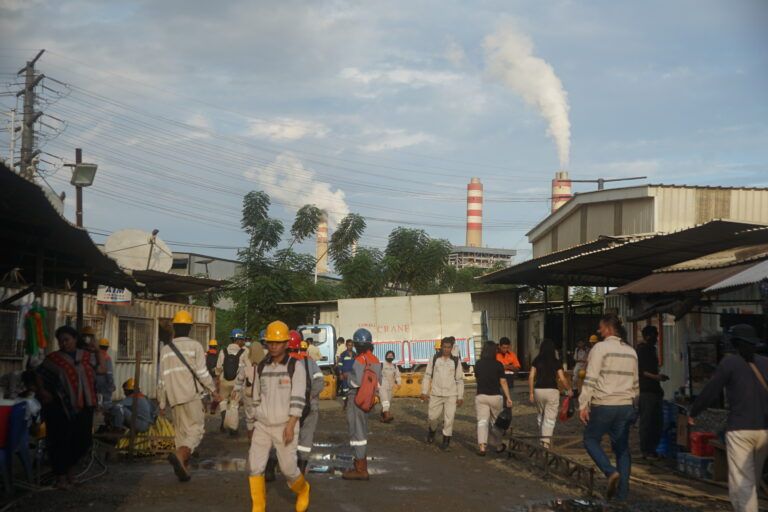
Noise pollution is equally pervasive. Measurements within the facility regularly exceeded 90 decibels. Indonesian regulations mandate that for an 8-hour shift, noise should not exceed 85 decibels. At IWIP, workers are exposed to higher levels for 12 hours, a recipe for permanent hearing loss.
Furthermore, the heat within the smelters is extreme. Rotary kilns operate at 700-900 degrees Celsius, while electric furnaces reach 1,600 degrees. Research conducted in late 2025 found that ambient temperatures in worker areas often exceeded 40 degrees Celsius, far above the government-mandated comfort zone of 27-32 degrees.
The Bureaucratic Barrier to Justice
For workers who suffer from long-term occupational diseases (PAK), the path to compensation is nearly impossible. Upiawan Umar of the Cross-Island Mining Workers Forum explained that the government’s seven-step diagnosis process for occupational diseases is a bureaucratic nightmare. It requires clinical diagnosis, identification of workplace exposure, proof of a causal relationship, and the exclusion of factors outside of work.
In the remote region of North Maluku, the infrastructure to satisfy these requirements does not exist. "There are no ENT specialists or audiometry services in Weda," Umar noted. Workers suspected of having heavy metal poisoning or hearing damage must travel four hours by sea to Ternate, often at their own expense. A toxic metal panel test costs approximately IDR 2.4 million (USD 150), a prohibitive sum for a laborer. Consequently, the report found that not a single case of Occupational Disease (PAK) has been successfully processed in the North Maluku mining sector, despite the obvious prevalence of illness.
Corporate Response and the Path Forward
In response to these allegations, PT IWIP management, through spokesperson Muammar Fabanyo, maintained that worker safety is the company’s highest priority. The company claims to have a robust K3 management system, including 20 medical posts and eight emergency response stations throughout the industrial park. IWIP asserts that every incident is investigated to find the root cause and that production targets never override safety protocols.
The company also highlighted its efforts to support mental health through internal communication channels and sports facilities. "The company continuously evaluates and improves all aspects of operations to ensure a safe, healthy, and sustainable environment," the management stated in a written response.
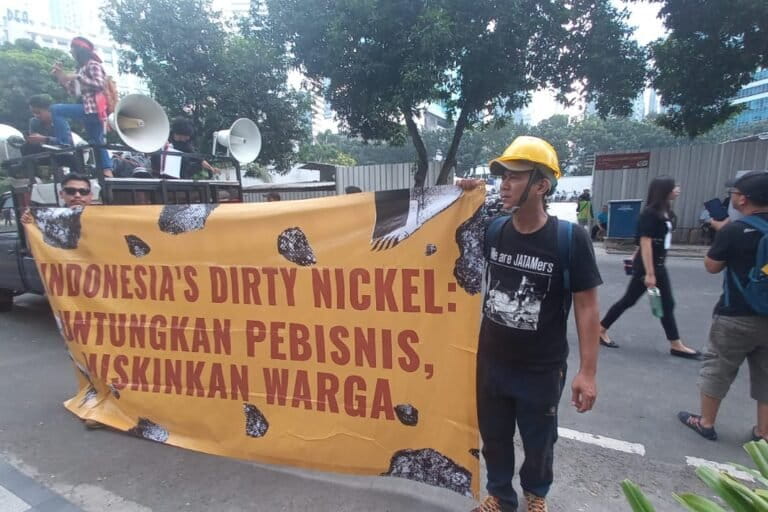
However, the findings of the Sembada Bersama Indonesia report suggest a deep disconnect between corporate policy and the lived experience of the workforce. As Indonesia continues to position itself as a leader in the global energy transition, the "Three Faces of Death" in Weda Bay serve as a grim reminder that the green economy must not be built on a foundation of labor exploitation. Without rigorous government oversight, independent auditing, and a fundamental shift in how worker health is valued, the nickel boom threatens to leave behind a legacy of trauma and loss in the heart of Maluku.