Nila Kartika Wati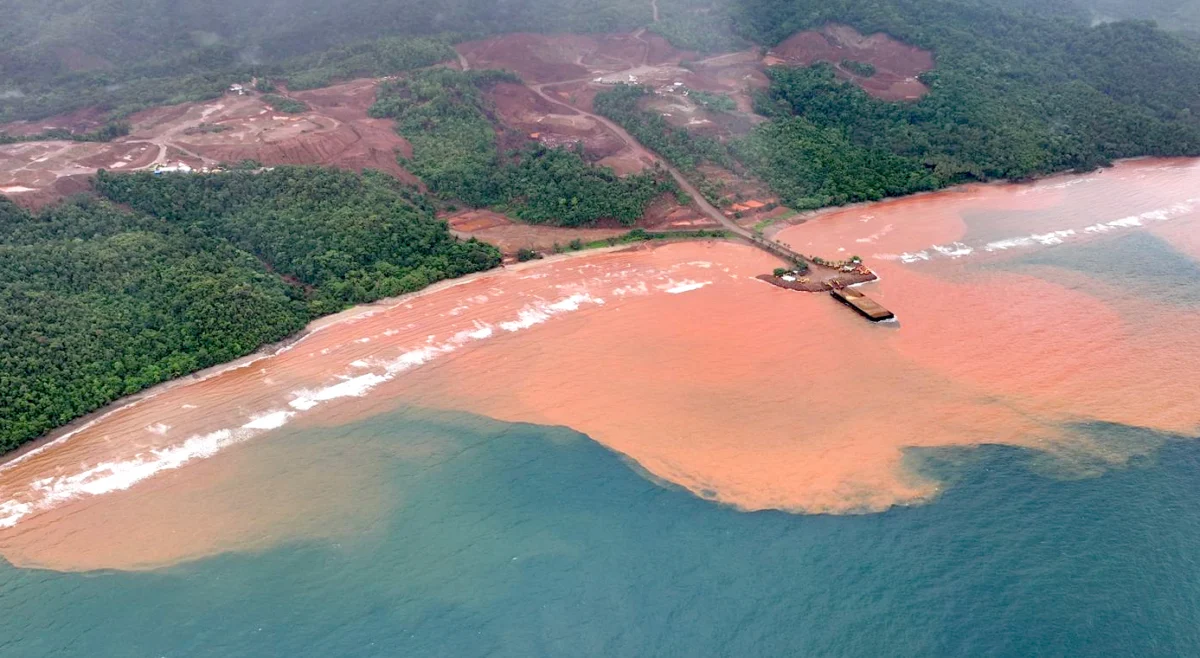
Indonesia’s aggressive pursuit of nickel downstreaming, often heralded as a masterstroke in the global transition toward renewable energy, has positioned the archipelago as a central pillar in the international electric vehicle (EV) supply chain. By leveraging its status as the world’s largest nickel producer, the Indonesian government has successfully attracted billions of dollars in foreign investment, particularly from China, Europe, and the United States, to build massive smelting complexes. However, beneath the polished narrative of green progress lies a harrowing reality for the coastal communities of North Maluku. In this eastern province, the drive for industrialization is systematically dismantling the ecological foundations of maritime life, turning once-vibrant waters into industrial dumping grounds and pushing traditional fishing communities to the brink of extinction.
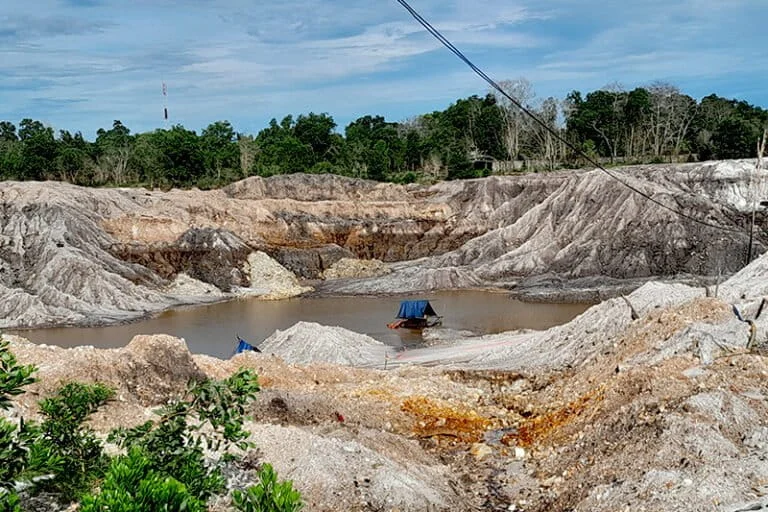
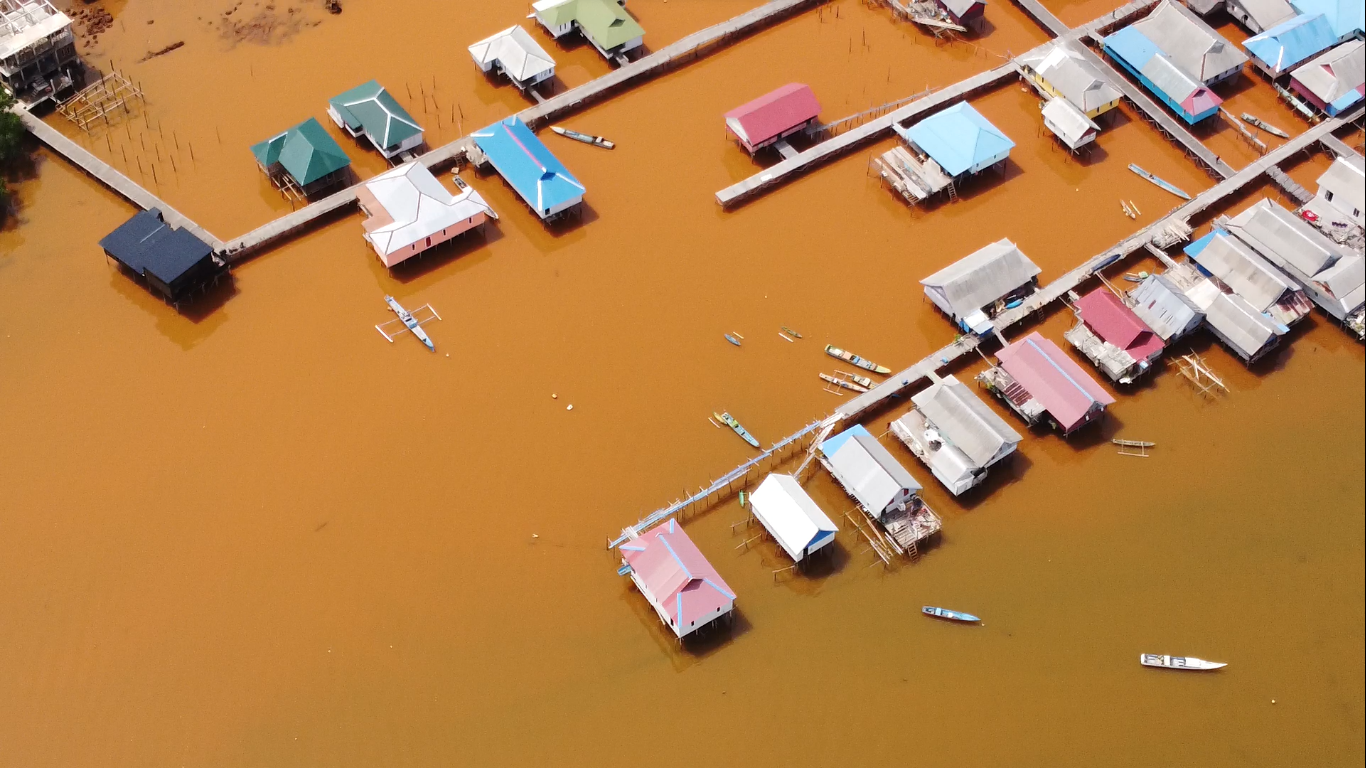
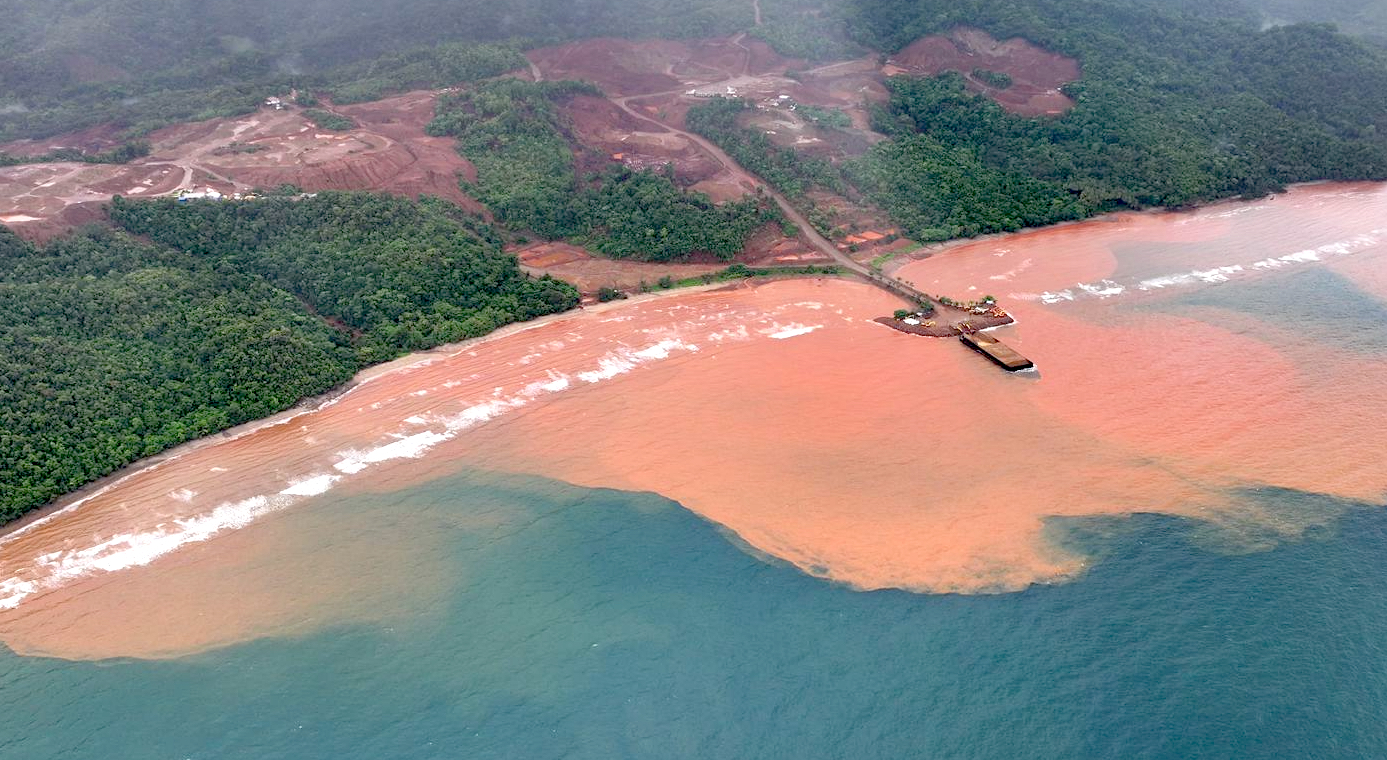
The environmental fallout in North Maluku is not a peripheral consequence but a direct result of an extractive model that prioritizes rapid industrial growth over ecological integrity. The transformation of the landscape is total; nickel mining does not merely scar the highlands but extends its reach into the coastlines and deep into the sea. The ecological space that has sustained indigenous and local populations for generations is shrinking at an alarming rate. Seas that were once the primary source of food and income have changed color, choked by the red silt of mine tailings and the heavy sedimentation of coastal reclamation.
The Downstreaming Policy and the Global EV Context
To understand the crisis in North Maluku, one must look at the national policy of "hilirisasi" or downstreaming. Initiated under the administration of President Joko Widodo, the policy banned the export of raw nickel ore in 2020, forcing international companies to build refineries and smelters within Indonesia. This was intended to move Indonesia up the value chain, shifting from a raw material exporter to a high-tech industrial hub. The global demand for lithium-ion batteries, which require nickel as a key cathode component, provided the perfect catalyst for this ambition.
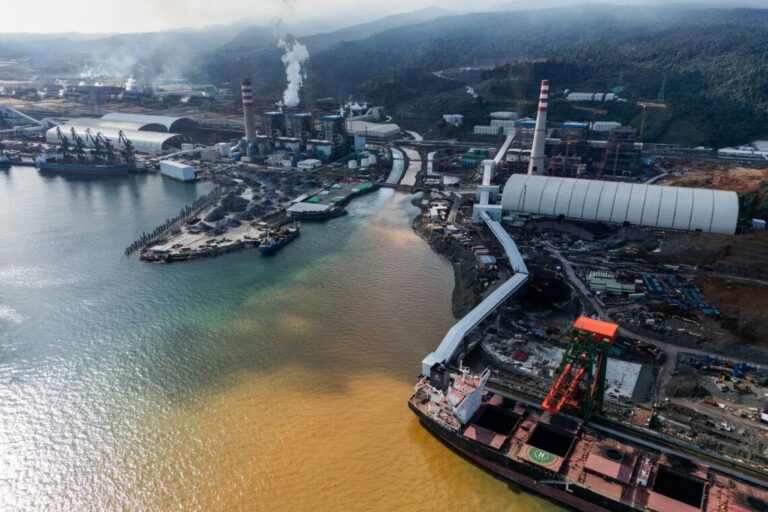
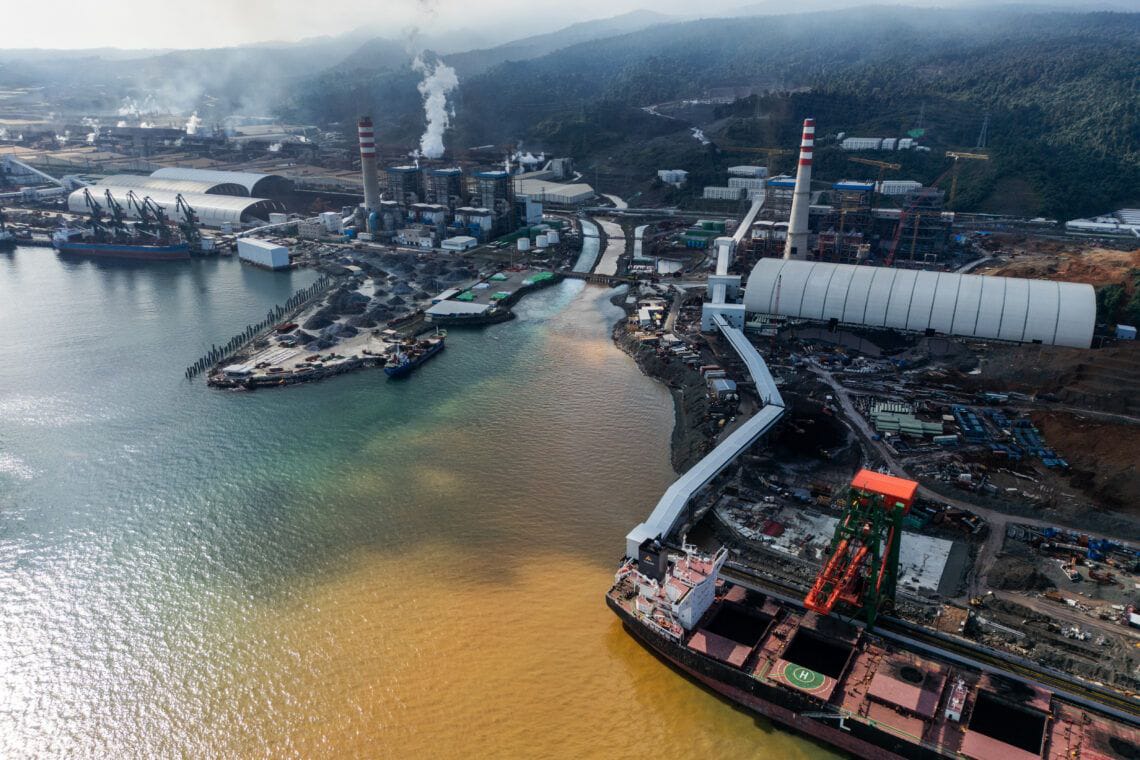
However, the rapid construction of industrial parks, such as the Indonesia Weda Bay Industrial Park (IWIP) in Central Halmahera, has outpaced environmental safeguards. These zones are often powered by captive coal-fired power plants, creating a paradoxical situation where "green" battery materials are produced using "dirty" energy. The physical footprint of these industrial giants has necessitated massive land clearing and coastal modification, leading to what critics describe as a new form of "energy colonialism." In this framework, the environmental and social costs are externalized to local populations in the Global South, while the benefits of "clean" transportation are enjoyed by urban centers in the Global North.
The Systematic Erasure of Coastal Ecosystems
The expansion of the nickel industry in North Maluku has triggered a massive conversion of coastal areas. Over the last decade, the province has witnessed the aggressive reclamation of land for industrial zones, the clearing of primary forests for open-pit mines, and the destruction of mangrove forests to make way for ports and jetties. In regions like Weda Bay, the coastline has been fundamentally altered. Studies indicate that the natural contours of the bay have been replaced by artificial embankments, disrupting the natural flow of currents and the migration patterns of marine species.
The destruction centers on three critical, interconnected ecosystems: mangroves, seagrass beds, and coral reefs. These are not merely biological features; they are the "nurseries of the sea." Mangroves act as a filter for sediment and a breeding ground for crustaceans. Seagrasses provide essential grazing grounds for various species, and coral reefs serve as the primary habitat for the fish stocks that feed the region. When nickel mining activities on the hillsides trigger erosion, tropical rains wash the exposed red earth into rivers and eventually into the ocean. This process, known as sedimentation, smothers coral reefs and prevents sunlight from reaching seagrasses, effectively killing the underwater flora and fauna.
Quantitative Evidence of Economic and Biological Decline
The impact of this ecological degradation is reflected in the stark decline of the local fishing economy. Data from the Department of Marine Affairs and Fisheries in Central Halmahera highlights a troubling trend. In 2022, the production of capture fisheries in the regency was recorded at 39,757.01 tons, with a total economic value of approximately IDR 851.228 billion. By 2024, these figures had plummeted. Production fell to 35,930.2 tons, representing a loss of over 3,826 tons in volume.
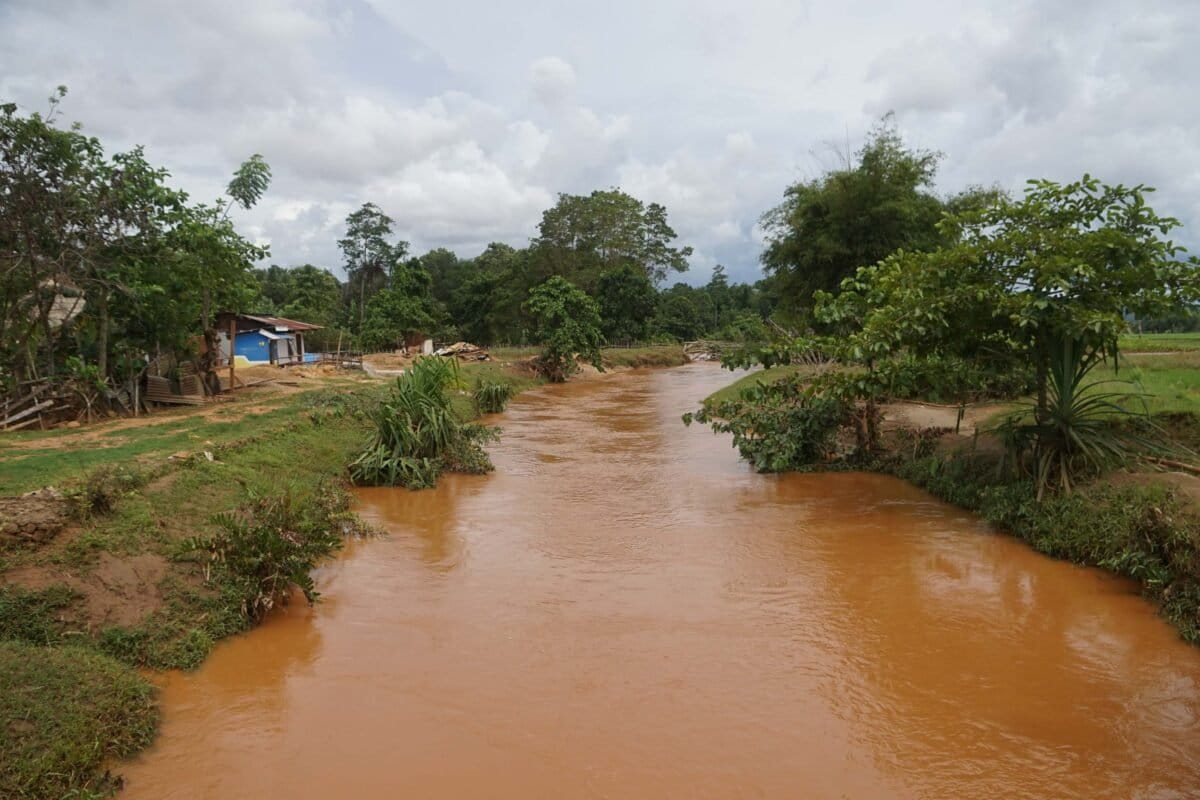
The economic repercussions are even more severe, with the total value of the catch dropping to IDR 787.4 billion—a staggering loss of IDR 63.7 billion in just two years. This decline is a direct consequence of the industrialization of the coast. Fishermen report that they must now travel significantly further out to sea to find fish, as the near-shore waters are too turbid and polluted. For small-scale fishers operating traditional vessels, the increased fuel costs associated with longer trips often make their profession financially unviable.
Furthermore, the pollution is not limited to physical sediment. The refining process for nickel, particularly through High-Pressure Acid Leaching (HPAL), generates vast quantities of waste that contain hazardous heavy metals such as hexavalent chromium (Cr6+) and nickel. Independent reports have identified elevated levels of these toxins in the waters surrounding mining concessions. These metals bioaccumulate in the food chain; when fish consume contaminated plankton, the toxins eventually reach the human population, posing long-term health risks ranging from skin diseases to chronic respiratory issues and cancer.
Regulatory Framework and the Lack of Transparency
The rapid industrialization has been facilitated by a regulatory environment that many environmental advocates argue is overly permissive. The Ministry of Marine Affairs and Fisheries (KKP) has issued more than 20 Approvals for the Suitability of Marine Space Utilization Activities (PKKPRL) in North Maluku, specifically for the construction of smelters and supporting infrastructure. These permits allow companies to utilize the sea for industrial purposes, often at the expense of traditional fishing grounds.
A significant point of contention is the lack of transparency in the permitting process. Under the framework of the Omnibus Law on Job Creation, many environmental impact assessments (AMDAL) have been streamlined, reducing the opportunities for local communities to voice their concerns or reject projects that threaten their livelihoods. In many cases, coastal residents only become aware of the scale of a project once the heavy machinery arrives and the silt begins to cloud their waters. The right to a healthy environment and the right to participate in spatial planning are being bypassed in the name of national strategic interests.
The Human Toll: From Self-Sufficiency to Dependency
The socio-economic shift in North Maluku is a microcosm of the "resource curse." Before the nickel boom, many coastal communities lived in a state of relative food sovereignty. The sea provided a reliable source of protein, and the surplus catch provided a modest but stable income. Today, that self-sufficiency is evaporating. As fish stocks decline and freshwater sources become contaminated by mining runoff, basic necessities that were once free are now becoming expensive commodities.
In many mining towns, the price of fresh fish has skyrocketed because it must be "imported" from other regions unaffected by mining. Similarly, communities that once relied on mountain springs or clean rivers are now forced to purchase bottled water because their traditional sources are laden with sediment or chemicals. This creates a cycle of dependency where locals are forced to seek low-paying, dangerous jobs within the mining companies simply to afford the basic resources that the mining activity itself destroyed.
A Path Toward Ecological Justice
The current trajectory of nickel downstreaming in Indonesia is unsustainable if it continues to treat the environment and local communities as "disposable" inputs for global progress. To mitigate the ongoing crisis in North Maluku, a fundamental shift in governance is required. Experts and activists suggest several urgent interventions:
First, there must be a rigorous enforcement of environmental laws. Companies found guilty of illegal dumping or failing to manage sedimentation must face transparent and severe legal consequences, including the revocation of licenses. The "business as usual" approach, where fines are treated as a mere cost of doing business, must end.
Second, the government should implement a moratorium on new mining and smelting permits in ecologically sensitive areas, particularly on small islands and in critical coastal zones. A comprehensive audit of existing operations is necessary to determine the cumulative impact on the region’s carrying capacity.
Third, restoration efforts must move beyond symbolic gestures. The rehabilitation of mangroves and the restoration of coral reefs require long-term commitment and must be guided by independent scientific research rather than corporate PR departments. This includes managing the upstream mining activities to prevent sediment from reaching the sea in the first place.
Fourth, there must be a robust social safety net and alternative livelihood programs for the "ecological refugees"—those whose traditional professions have been rendered impossible by industrial pollution. This is not just an economic necessity but a matter of human rights and social justice.
Finally, transparency and public participation must be restored to the heart of the developmental process. Coastal communities must have the right to say "no" to projects that threaten their survival. The "green" transition cannot be considered successful if it is built on the ruins of the very ecosystems it claims to protect.
Conclusion: The Paradox of the Green Transition
North Maluku stands as a sobering reminder that the transition to renewable energy is not inherently "clean." While electric vehicles will undoubtedly reduce carbon emissions in the smog-choked streets of Beijing, Paris, or Jakarta, the source of their power is currently etched in the red, polluted waters of Halmahera. The narrative of sustainability is incomplete if it ignores the destruction at the beginning of the supply chain.
The global community, including international investors and automotive giants, must recognize their complicity in this ecological crisis. Consumers who purchase EVs under the impression of environmental stewardship should be aware of the "blood nickel" that may be powering their vehicles. True progress should not be measured by GDP growth or the number of smelters built, but by the ability to advance technologically without sacrificing the biological and social foundations of the planet. For the fishermen of North Maluku, the "future of energy" has arrived, but it has brought with it the end of their world. Without a radical realignment toward ecological justice, the green revolution risks becoming just another chapter in the long history of resource exploitation at the expense of the marginalized.