Tata Titiana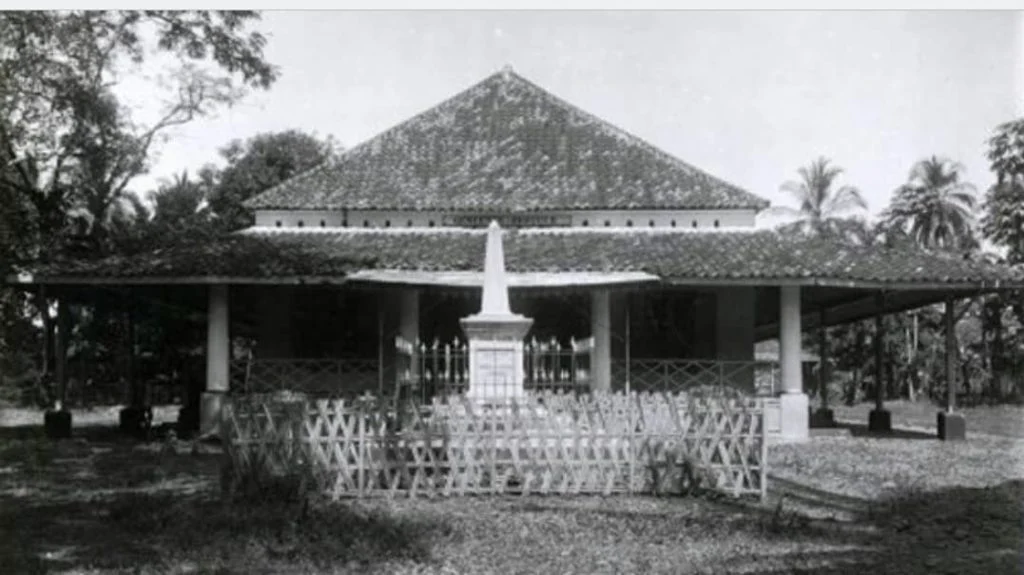
Depok, a city now a vibrant municipality within West Java province, holds a history far richer and more complex than its current administrative status might suggest. Prior to its establishment as an independent city on April 27, 1999, Depok was a district under the Bogor Regency. However, its past reveals a fascinating chapter where it existed as a self-governing entity, led by a president, an arrangement unique in the region’s colonial and post-colonial history. This remarkable transformation from a privately owned estate to a republic, and eventually a modern Indonesian city, is a narrative often overlooked.
The Genesis of a Private Domain: Cornelis Chastelein’s Legacy
The story of Depok’s unique political evolution begins in the late 17th century with Cornelis Chastelein, a prosperous Dutch merchant. Chastelein acquired a vast tract of land in the Depok area, spanning 12.44 square kilometers, for a sum of 2.4 million Dutch guilders. Crucially, this land was designated as a "partikelir" or private estate, meaning it was outside the direct administrative control of the Dutch East Indies government. By the 18th century, Depok had developed into an administrative region with its own "gemeente bestuur," or civil government, with Chastelein serving as its inaugural ruler and founder.
At the time of Chastelein’s acquisition, the Depok region was largely undeveloped wilderness. Through the labor of his enslaved people, who hailed from diverse ethnic backgrounds across the archipelago, Chastelein systematically cleared the forests to establish agricultural lands. The territorial reach of this private estate was substantial, encompassing not only the present-day Depok but also extending to Pasar Minggu in South Jakarta and Gambir in Central Jakarta. The initial inhabitants of Depok were the enslaved individuals who worked the land under Chastelein’s ownership.
The Birth of a Republic: Self-Governance and Democratic Aspirations
Cornelis Chastelein, a devout Catholic, demonstrated considerable generosity towards his enslaved populace. In his will, dated June 28, 1714, he bequeathed his land, homes, livestock, and farming equipment to his enslaved people, also granting them their freedom upon his death. To prevent potential disputes and ensure an orderly transition, he appointed Jarong van Bali to oversee and manage the newly freed community.

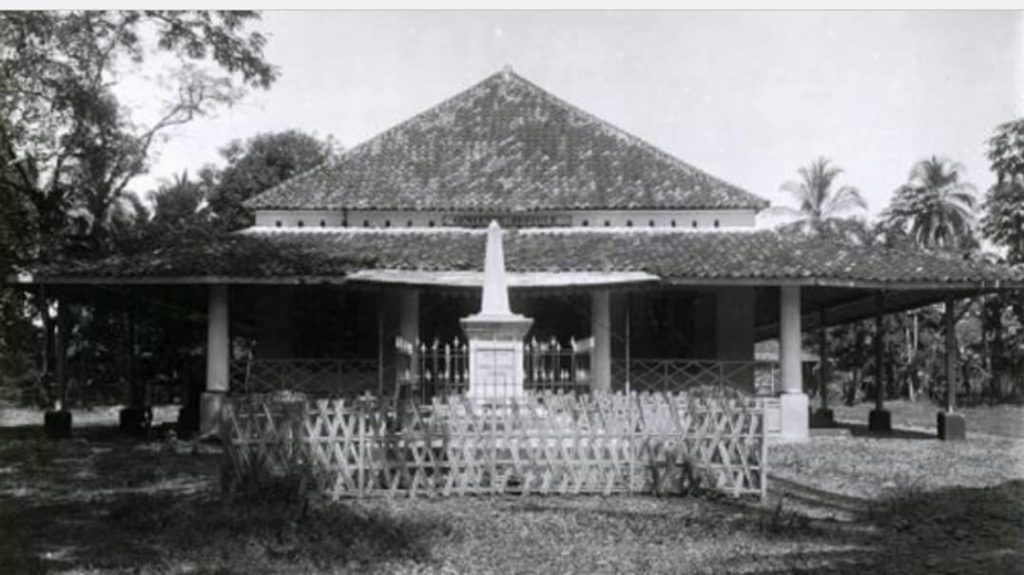
The freed enslaved people, now landowners and citizens of their own nascent territory, harbored concerns about future power struggles after Jarong van Bali’s tenure. This apprehension led them to adopt a democratic system for selecting their leader, who would hold the title of president. This arrangement was formalized, with a governance structure designed by a Batavia-based lawyer, and officially implemented in 1913. The central seat of this government was marked by the Kilometer 0 monument in Depok, with the administrative building itself now serving as the Harapan Hospital. The presidential term was set at a relatively short three years, emphasizing a rotation of power.
The first president of this unique republic was Gerrit Jonathans, who assumed office in 1913. He was succeeded by three other presidents who led the community through various phases of its existence. Martinus Laurens served in 1921, followed by Leonardus Leander in 1930. The last president was Johannes Matjis Jonathans, who held office in 1952. Despite the existence of these leaders and a formal governmental structure, detailed records from their respective presidencies remain scarce, leaving many aspects of their governance undocumented for historical scrutiny.
A Timeline of Depok’s Transformation
- Late 17th Century: Cornelis Chastelein purchases the Depok estate, establishing it as a private domain outside direct Dutch colonial administration.
- 18th Century: Depok functions as an administrative region with its own civil government ("gemeente bestuur"), with Chastelein as its founder and first ruler.
- Early 19th Century: The estate begins to develop, with land cleared and agricultural activities initiated by the enslaved population.
- Early 20th Century (circa 1913): Following Chastelein’s will and the desire for self-governance among the freed populace, Depok establishes itself as a republic with a democratically elected president and a formal governmental structure. The Kilometer 0 monument is established as the administrative center.
- 1913-1952: A succession of four presidents leads the Republic of Depok: Gerrit Jonathans (1913), Martinus Laurens (1921), Leonardus Leander (1930), and Johannes Matjis Jonathans (1952).
- 1952: The Republic of Depok formally dissolves, with the private estate being handed over to the Indonesian government by the last president, Matijs Jonathans, through a deed of transfer.
- 1999: Depok is officially established as a municipality (kotamadya) within West Java province, marking its integration into the modern Indonesian administrative system.
From Private Inheritance to Sovereign State: The Will of Chastelein
The transition from a private estate to a self-governing entity was deeply rooted in the humanitarian principles enshrined in Cornelis Chastelein’s will. His commitment to his enslaved workers extended beyond mere provision; it was a visionary act of empowering a community and laying the groundwork for their future autonomy. The will stipulated not only the distribution of assets but also the granting of freedom, a radical concept within the context of colonial society. The appointment of Jarong van Bali was a measure to ensure a smooth handover and prevent chaos.
The subsequent decision by the freed individuals to establish a democratic republic underscores their collective desire for order, fairness, and self-determination. The establishment of a three-year presidential term without a vice president, relying instead on a secretary for administrative support, reflects a deliberate attempt to create a system that was both representative and efficient. This organizational framework, conceived by a Batavian lawyer, was a testament to their aspiration for a structured and legitimate form of governance.
The Dissolution and Integration into Indonesia
The formal dissolution of the Republic of Depok occurred in 1952 when President Johannes Matjis Jonathans officially handed over the private estate to the Indonesian government. This act marked the end of an era for Depok as an independent political entity. While Depok as a municipality is a relatively young administrative division, celebrating only 22 years of existence in 1999, its historical lineage stretches back over three centuries, predating the formation of modern Indonesia itself. The concept of Depok having been "merdeka" (independent) before Indonesia is a poignant reminder of its unique historical trajectory.
Implications and Analysis
The history of Depok as a private republic offers a compelling case study in colonial-era land ownership, the evolution of social structures, and the aspirations for self-governance among marginalized communities. Chastelein’s actions, while rooted in his personal beliefs and potentially influenced by the broader intellectual currents of the Enlightenment, had a profound and lasting impact on the region. The establishment of a democratic republic by formerly enslaved individuals is a testament to their resilience, organizational capacity, and their ability to forge a new identity and governance system in the face of historical oppression.
The eventual integration of Depok into the Indonesian state in 1952 reflects the post-colonial nation-building process that reshaped the political landscape of the archipelago. The handover signifies the assertion of national sovereignty and the absorption of all territories within the newly formed republic. However, the memory of Depok’s distinct past as a self-governing entity adds a layer of complexity to its identity as a modern Indonesian city. It raises questions about the preservation of local histories and the ways in which diverse pasts contribute to the national narrative.
The scarcity of detailed records from the presidential terms of Depok’s republic presents a challenge for historians seeking a comprehensive understanding of its governance. However, the very existence of such a system, however brief or imperfectly documented, speaks volumes about the agency and political consciousness of its inhabitants. The legacy of Depok is not merely its transformation into a bustling urban center but also its unique journey from a privately owned colonial estate to a self-proclaimed republic, a chapter that continues to enrich the historical tapestry of Indonesia. The ongoing development and expansion of Depok today stand as a testament to the enduring spirit of its people and the rich, multifaceted history that underpins its present.