Tyo Susilo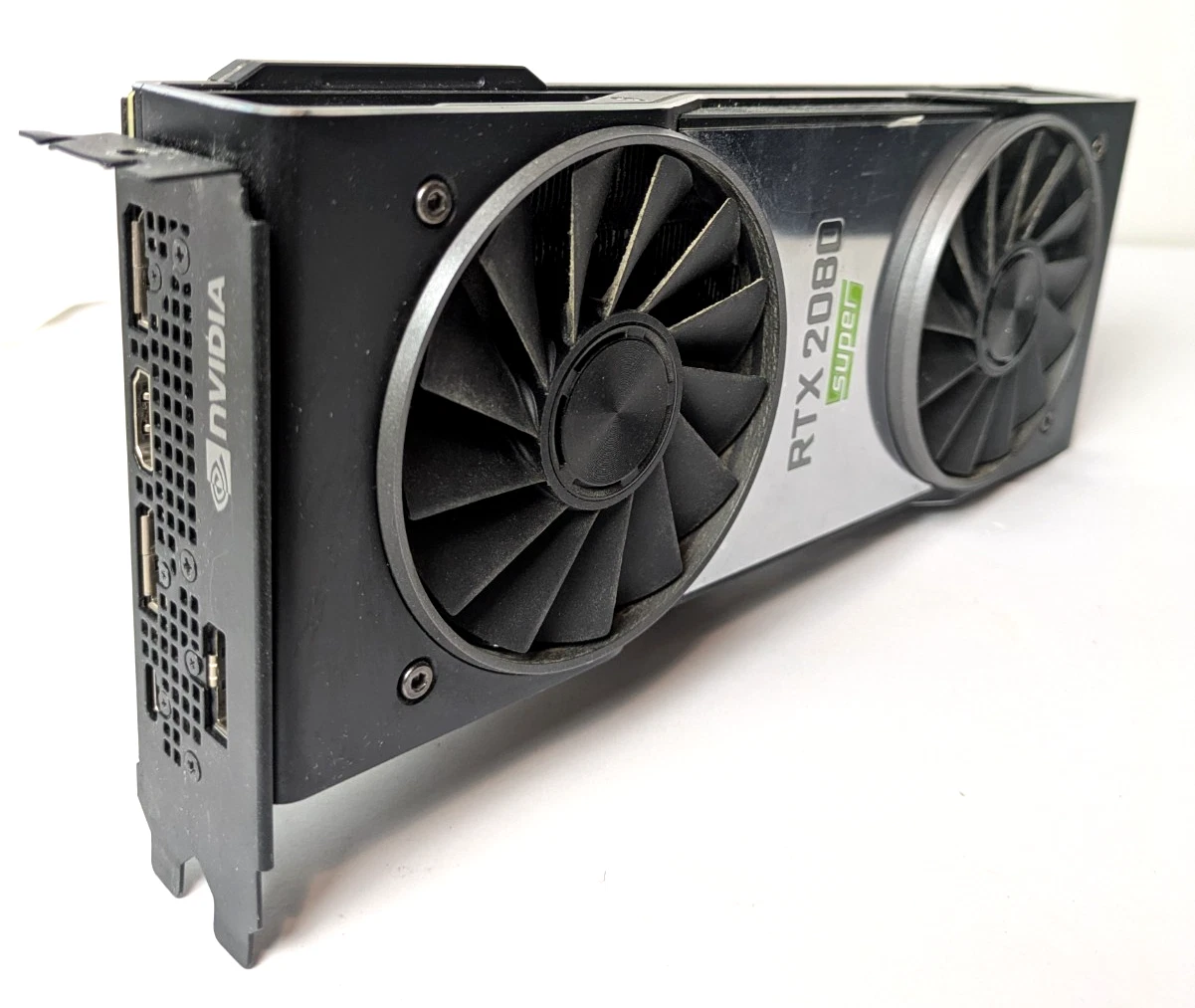
A peculiar graphics card, bearing specifications that defy the established NVIDIA GeForce RTX 2080 lineup, has recently surfaced on an online marketplace, igniting considerable interest within the PC hardware community. This particular GPU, seemingly identified as an RTX 2080 with an unusual configuration, boasts 12GB of VRAM, a 384-bit memory bus, and a substantial 4609 CUDA cores. These specifications place it in a unique position, closely resembling the high-end Titan RTX and significantly exceeding the parameters of the retail RTX 2080 Ti.
The standard retail NVIDIA GeForce RTX 2080 Ti features 4,352 CUDA cores, 11GB of GDDR6 memory, and a 352-bit memory bus. In contrast, the Titan RTX, positioned as a professional-grade workstation card, offers 4,608 CUDA cores, a more generous 24GB of GDDR6 memory, and the same 384-bit memory bus. The surfaced card, with its 4609 CUDA cores and 12GB VRAM on a 384-bit bus, appears to be a bridge between these two established models, potentially offering a performance uplift over the consumer-grade RTX 2080 Ti without the premium price tag or workstation focus of the Titan RTX.
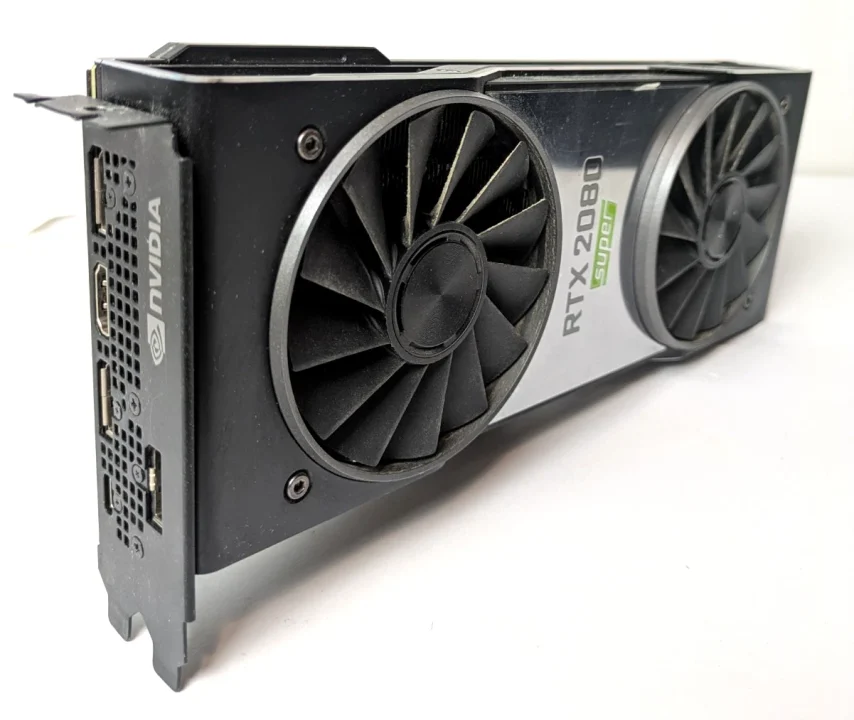
The visual appearance of this unreleased GPU further accentuates its unique nature. It features a distinctive silver plate on its front, centered around the shroud, complemented by a black backplate. While the card is labeled as an "RTX 2080 Super," this designation may be a relic of its development phase, possibly indicating that its engineering occurred after the initial non-Ti RTX 2080 models were established, but before the official Super refresh. This naming convention, coupled with its unusual specifications, strongly suggests that this card represents a prototype or an engineering sample from NVIDIA’s Turing architecture development.
A Deeper Dive into the Specifications and Market Context
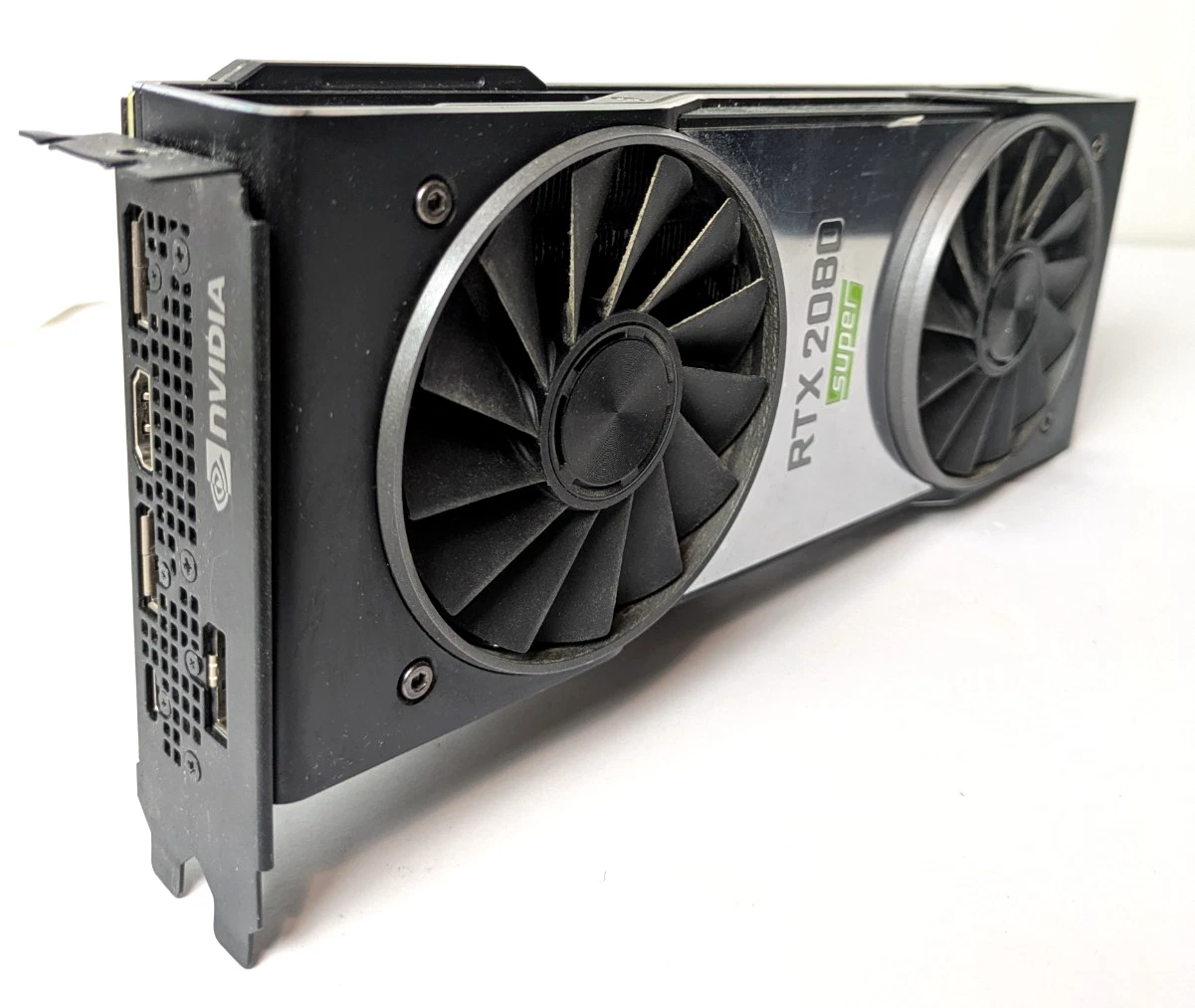
The revelation of this "RTX 2080 Ti Super" prototype brings to light the intricate development processes within major technology manufacturers like NVIDIA. The company often designs and tests numerous iterations of hardware before settling on a final product for mass production. These prototypes can exhibit a wide range of configurations, some of which never see the light of day due to market viability, cost-effectiveness, or strategic product positioning.
The Turing architecture, launched in late 2018, was a significant leap for NVIDIA, introducing real-time ray tracing capabilities through dedicated RT Cores and AI-accelerated performance via Tensor Cores. The RTX 20 series, based on this architecture, aimed to bring these advanced features to a broader consumer base. The RTX 2080 Ti was the flagship consumer card, designed for enthusiasts and professional gamers seeking the highest possible frame rates and graphical fidelity. The RTX 2080 Super, released later in July 2019, served as an incremental upgrade to the original RTX 2080, offering improved performance at a similar price point.
The existence of a 12GB VRAM variant on a 384-bit bus, positioned between the RTX 2080 Ti and Titan RTX, raises several questions about NVIDIA’s potential product strategy at the time. It’s plausible that this card was conceived as a way to offer a slightly enhanced performance tier above the RTX 2080 Ti, perhaps targeting users who found the 11GB VRAM of the Ti limiting for certain professional workloads or future-proofing scenarios, but who did not require the full 24GB of the Titan RTX. Alternatively, it could have been an internal testing unit to gauge performance metrics for specific CUDA core and memory configurations.
Technical Hurdles and Driver Compatibility
A notable characteristic of this prototype, as reported, is its driver compatibility. Standard drivers reportedly do not detect the card, necessitating the use of developer-specific drivers. Furthermore, installing these drivers requires setting Windows 10 to "Test Mode," a procedure typically reserved for debugging and development purposes. This is not an uncommon issue with engineering samples and early prototypes, where the final driver support infrastructure is still under development. The need for specialized drivers underscores its status as a pre-production unit, not intended for end-user deployment in its current state.

This situation is reminiscent of previous instances where NVIDIA prototype Turing GPUs have surfaced. For example, an RTX 2080 Ti branded as a "GTX" with 12GB of memory and a 384-bit bus had previously been reported, further solidifying the idea that NVIDIA explored various configurations of its Turing silicon. These occurrences offer valuable insights into the company’s iterative design process and the potential paths not taken in its product roadmaps.
Analyzing the Implications: What Could Have Been?
The discovery of this unreleased RTX 2080 Ti variant prompts speculation about its potential impact on the market had it been officially released. A card with 4609 CUDA cores and 12GB of VRAM on a 384-bit bus would have offered a compelling performance proposition. Its CUDA core count is nearly identical to the Titan RTX, suggesting it could have rivaled or even surpassed the RTX 2080 Ti in raw compute power. The 12GB of VRAM, while not as capacious as the Titan RTX, would have provided a comfortable buffer for demanding gaming resolutions, complex creative applications, and future software titles that increasingly leverage larger memory footprints.
In the competitive landscape of high-end graphics cards, such a product could have carved out a niche between the enthusiast-grade RTX 2080 Ti and the professional-grade Titan RTX. It might have appealed to content creators, streamers, and hardcore gamers who desired a performance edge without the substantial investment required for a Titan card. The "Super" branding, if applied correctly, would have also signaled an improved performance tier within the RTX 2080 family, potentially influencing consumer purchasing decisions during the lifespan of the Turing generation.
However, several factors could have prevented its release. The cost of manufacturing such a card with a specific silicon configuration and memory setup might have been prohibitive, impacting profit margins. NVIDIA also strategically segments its product lines to cater to different market segments and price points. Introducing a card that closely competes with its own higher-tier offerings, like the Titan RTX, could have cannibalized sales or diluted the premium perception of its professional-grade hardware. Furthermore, the continuous evolution of GPU technology means that even a powerful prototype can be quickly superseded by newer architectures and more optimized designs.
The Broader Context of GPU Development
This unearthed prototype serves as a tangible reminder of the complex and often secretive world of GPU development. Companies like NVIDIA invest billions of dollars in research and development, pushing the boundaries of silicon technology. This process involves extensive experimentation, with countless designs and configurations being explored. Many of these efforts culminate in products that reach consumers, while others remain as internal projects, test beds, or even historical footnotes.
The ability to access and analyze these prototypes, even through informal channels like online marketplaces, provides valuable insights for hardware enthusiasts, journalists, and industry analysts. They offer a glimpse into the strategic decisions, technical challenges, and market considerations that shape the graphics card landscape. While this particular RTX 2080 Ti Super variant never officially graced store shelves, its existence sheds light on NVIDIA’s ambitious engineering efforts during the Turing era and the potential paths its product evolution might have taken. The community’s reaction to such discoveries often highlights the demand for performance and innovation, pushing manufacturers to continually refine their offerings. The question of whether this graphics card should have been released remains a subject of debate, but its appearance undoubtedly enriches our understanding of NVIDIA’s past endeavors in the relentless pursuit of graphical excellence.