Azin Asro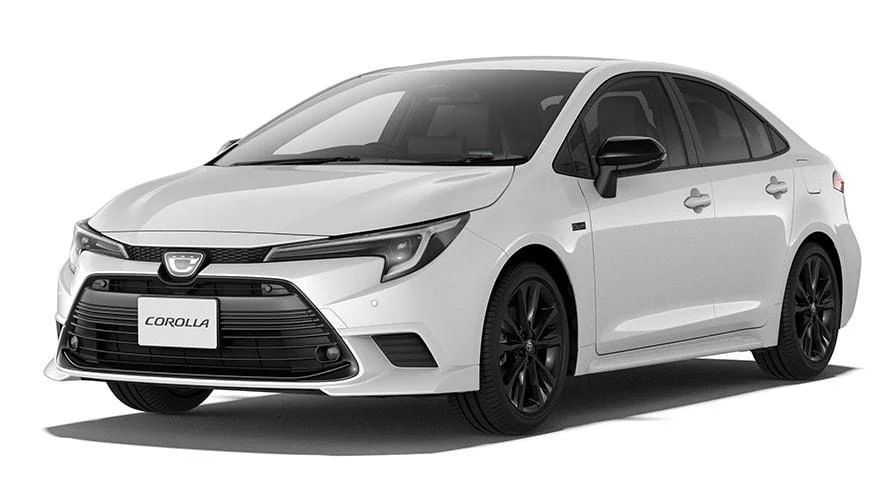
Toyota Motor Corporation has officially unveiled a series of updates and specialized variants for the Corolla lineup in Japan, marking the 60th anniversary of one of the world’s most iconic automotive nameplates. The release includes the sophisticated "Active Sport" and "Touring Active Sport" editions, alongside a highly specialized version of the Corolla sedan designed specifically for driving schools, featuring a unique "five-pedal" configuration. This dual-pronged release highlights Toyota’s strategy to maintain the Corolla’s status as a versatile pillar of the automotive market, catering simultaneously to enthusiasts seeking aesthetic refinement and the institutional needs of the Japanese driver education system.
The Corolla, which first debuted in 1966, has evolved through twelve generations to become the best-selling car in history, with over 50 million units sold globally. To celebrate this diamond jubilee, Toyota has introduced the Active Sport trim for the Corolla Sedan and the Corolla Touring (wagon). These models are positioned as premium offerings that bridge the gap between the standard commuter variants and the high-performance GR Corolla. The Active Sport editions feature a host of aesthetic and mechanical enhancements designed to offer a more engaging driving experience while maintaining the efficiency of Toyota’s fifth-generation hybrid system.
The 60th Anniversary Active Sport Editions: Refinement and Performance
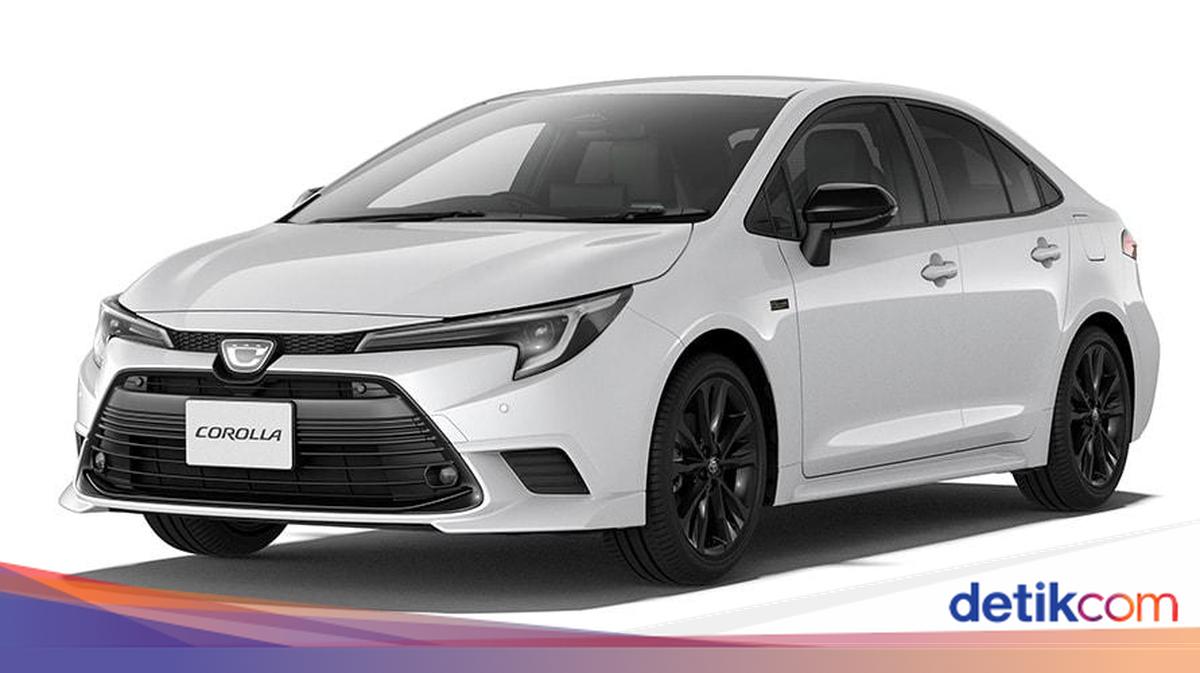
The Active Sport and Touring Active Sport models are distinguished by a more aggressive exterior design and a meticulously curated interior. On the outside, the vehicles feature a newly designed front bumper that incorporates a larger, more prominent air intake, giving the car a wider and more planted stance. Side skirts are painted to match the body color, departing from the standard black plastic cladding often seen on lower trims. A defining feature of these editions is the 17-inch aluminum wheels, which are finished in a sleek piano black, complemented by black mirror caps and darkened trim accents.
Inside the cabin, Toyota has focused on tactile quality and heritage. The dashboard and door panels utilize high-quality synthetic leather, featuring a laser-engraved "60th Anniversary" logo that serves as a constant reminder of the vehicle’s lineage. The seating has been upgraded to "Sport Seats" upholstered in a combination of gray and black synthetic leather with silver stitching, providing enhanced lateral support for spirited driving.
Mechanically, the Active Sport models are not merely cosmetic packages. Toyota engineers have retuned the suspension system to improve steering response and cornering stability. The front-wheel-drive models, in particular, receive a specialized suspension setup that balances comfort with a more communicative chassis. Under the hood, the models utilize the proven 2ZR-FXE 1.8-liter hybrid powertrain. This system integrates an Atkinson-cycle four-cylinder engine with an electric motor, delivering a seamless blend of fuel economy and smooth acceleration. Buyers can choose between front-wheel drive (2WD) or the E-Four (electronic all-wheel-drive) system, the latter of which provides additional traction in adverse weather conditions via a dedicated rear electric motor.
The Five-Pedal Driving School Variant: Engineering for Education
While the Active Sport models cater to the consumer market, the most intriguing addition to the lineup is the specialized Corolla designed for Japanese driving schools. In Japan, the process of obtaining a driver’s license is famously rigorous, often requiring dozens of hours of instruction at dedicated training facilities. To meet the specific demands of this market, Toyota has engineered a Corolla that prioritizes safety, durability, and instructor control.
The "five-pedal" moniker refers to the dual-control setup required for instructional vehicles. In the manual transmission version, the student operates the standard three pedals (clutch, brake, and accelerator), while the instructor, seated in the front passenger seat, has access to a secondary brake and clutch pedal. This allows the instructor to intervene instantly if the student makes a critical error, such as failing to brake at a stop sign or mismanaging the clutch in a way that could cause an accident. The automatic version (e-CVT) features a dual-brake setup for the same safety reasons.
Beyond the pedals, the interior of the driving school Corolla has been stripped of consumer-grade luxuries to make room for instructional tools. The standard infotainment screen is replaced by a specialized "Instructor Panel." This panel includes a secondary digital speedometer facing the instructor, a dedicated button for the horn, and a series of indicator lights that show when the student is using the turn signals or applying the brakes. Furthermore, the vehicle is equipped with additional side mirrors—mounted on top of the standard wing mirrors—and an extra interior rearview mirror, ensuring the instructor has a 360-degree view of the vehicle’s surroundings to eliminate blind spots.
Technical Specifications and Powertrain Options
The driving school variant offers two distinct powertrain options, reflecting the transition toward electrification even in the vocational sector. The base model features a 1.5-liter three-cylinder Dynamic Force engine (M15A-FKS), which produces approximately 118 horsepower and 145 Nm of torque. Notably, this model is equipped with a six-speed manual transmission, making it one of the few remaining non-GR Corolla models in Japan to offer a manual gearbox. This is essential for students seeking a "Manual" designation on their Japanese driver’s license.
For schools focusing on eco-friendly driving, Toyota offers a 1.8-liter hybrid version. This variant produces a combined output of 138 horsepower and 142 Nm of torque, paired with an e-CVT. Unlike the Active Sport models, the driving school variants utilize 15-inch steel wheels with hubcaps, prioritizing cost-effective maintenance over aesthetics. The lighting system remains functional and durable, utilizing standard LED headlights that offer high visibility for night-time training sessions.
Historical Context: Sixty Years of the "People’s Car"
The release of these variants is a significant milestone in the history of the Corolla. Since its inception in 1966, the Corolla was designed to be the "80-plus points" car—a philosophy championed by its first chief engineer, Tatsuo Hasegawa. The idea was that the car didn’t need to be perfect in one single category but needed to achieve a score of 80 or higher in every category (comfort, reliability, performance, and price) to satisfy the widest possible range of customers.
Over six decades, the Corolla has transitioned from a small, rear-wheel-drive economy car to a sophisticated, technology-packed global platform. It has survived oil crises, economic recessions, and shifting consumer preferences toward SUVs. By offering the Active Sport edition, Toyota acknowledges the segment of its fanbase that grew up with the Corolla and now desires a more premium, "sporty" feel without the high maintenance costs of a dedicated sports car. Simultaneously, the driving school model ensures that the Corolla remains the very first car many people ever drive, cementing brand loyalty from the very beginning of a driver’s journey.
Market Analysis and Industry Implications
The introduction of a dedicated driving school model is a strategic move in the Japanese domestic market (JDM). Historically, the Toyota Comfort was the mainstay of Japanese driving schools and taxi fleets. However, as Toyota streamlines its platforms toward the Toyota New Global Architecture (TNGA), the Corolla has stepped in to fill the void left by older, specialized fleet vehicles.
Industry analysts suggest that the "five-pedal" Corolla is more than just a niche product; it is a testament to Toyota’s manufacturing flexibility. By integrating instructional modifications directly onto the assembly line rather than relying solely on aftermarket conversions, Toyota can offer driving schools a more reliable and safety-certified product. This also reflects a broader trend in the automotive industry where manufacturers are increasingly looking at "mobility as a service" and specialized fleet requirements to diversify their revenue streams.
Furthermore, the decision to maintain a manual transmission option for the instructional model is significant. While manual cars represent a shrinking percentage of global sales, the demand for manual license certification remains steady in Japan and parts of Europe. By keeping the manual Corolla alive in this segment, Toyota ensures it remains an essential partner for the thousands of driving schools across the country.
Safety and Technology Integration
Both the Active Sport and the Driving School variants benefit from the latest iterations of Toyota Safety Sense (TSS). Even in the instructional model, features such as Pre-Collision Systems (PCS), Lane Departure Alert (LDA), and Proactive Driving Assist (PDA) are integrated to provide an additional layer of safety beyond the instructor’s manual overrides.
In the Active Sport models, the TSS suite is more comprehensive, including adaptive cruise control and sophisticated parking sensors. The inclusion of these technologies in the 60th-anniversary editions serves as a showcase for how far the Corolla has come—from a car that offered basic seatbelts as an option in the 1960s to a vehicle that can now semi-autonomously navigate traffic and prevent collisions before they happen.
Conclusion: The Corolla’s Enduring Legacy
As Toyota celebrates sixty years of the Corolla, the launch of the Active Sport and the Driving School variants serves as a microcosm of the brand’s wider philosophy. One model looks toward the lifestyle aspirations of modern consumers, offering style and hybrid efficiency, while the other looks toward the fundamental utility of the automobile as a tool for education and safety.
The Corolla continues to be a chameleon of the automotive world, capable of being a rugged wagon, a sleek sedan, a fuel-sipping hybrid, or a specialized training tool with five pedals. As the automotive industry moves toward an era of electrification and autonomous driving, these new releases suggest that Toyota intends for the Corolla to remain at the forefront of that transition, just as it has been for every major shift in the industry since 1966. For the Japanese market, these models represent both a celebration of the past and a practical investment in the future of the nation’s drivers.