Azin Asro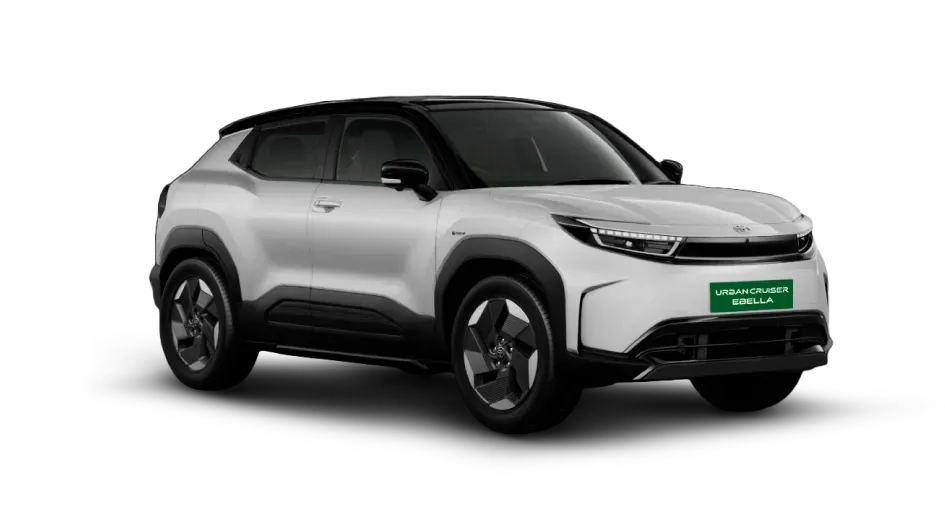
Toyota Kirloskar Motor has officially entered the burgeoning Indian electric vehicle (EV) sector with the debut of its first fully electric model, the Urban Cruiser Ebella. This strategic launch signifies a pivotal shift for the Japanese automaker in one of the world’s most rapidly evolving automotive markets, where the demand for sustainable mobility solutions has seen an unprecedented surge over the last few years. Positioned as an entry-level premium SUV, the Urban Cruiser Ebella is designed to cater to the growing demographic of environmentally conscious urban professionals and young families looking to transition from internal combustion engines to zero-emission technology. The vehicle arrives at a critical juncture as India continues to implement aggressive policies to reduce its carbon footprint and promote the adoption of clean energy in the transportation sector.
The Urban Cruiser Ebella is currently introduced in its flagship E3 variant, carrying a price tag of 23.60 lakh rupees, which approximately converts to Rp 440 million. This pricing strategy places the Ebella in a competitive position within the mid-range electric SUV segment, a territory currently contested by domestic giants and international players alike. By launching with the high-specification E3 trim, Toyota aims to establish a strong brand identity centered on technology, reliability, and premium comfort before potentially expanding the lineup to include more accessible variants in the future.
Technical Foundation and the Heartect-e Platform
The development of the Urban Cruiser Ebella is a testament to the deepening synergy between Toyota and Suzuki. The vehicle is built upon the Heartect-e platform, a dedicated electric vehicle architecture co-developed through the global alliance between the two manufacturers. This platform also serves as the foundation for the Suzuki e Vitara, highlighting a shared engineering approach that optimizes production costs while maximizing structural efficiency for battery placement.
The Heartect-e architecture is specifically engineered to handle the unique weight distribution of an electric powertrain. By placing the battery pack low and centrally within the chassis, the platform ensures a lower center of gravity, which significantly enhances the SUV’s stability and handling characteristics. This "skateboard" design philosophy allows for a flat interior floor, maximizing cabin space and providing engineers with greater flexibility in interior layout—a crucial factor for a vehicle marketed toward the "Urban Tech" lifestyle.
Performance Metrics and Battery Technology
At the heart of the Urban Cruiser Ebella lies a robust powertrain designed to balance efficiency with spirited performance. The E3 variant is equipped with a high-density 61 kWh lithium-ion battery pack. This energy storage unit powers a front-mounted electric motor capable of generating 172 horsepower (hp) and a peak torque of 189 Nm. Such specifications ensure that the Ebella is more than capable of handling both congested city traffic and high-speed highway cruising with ease.
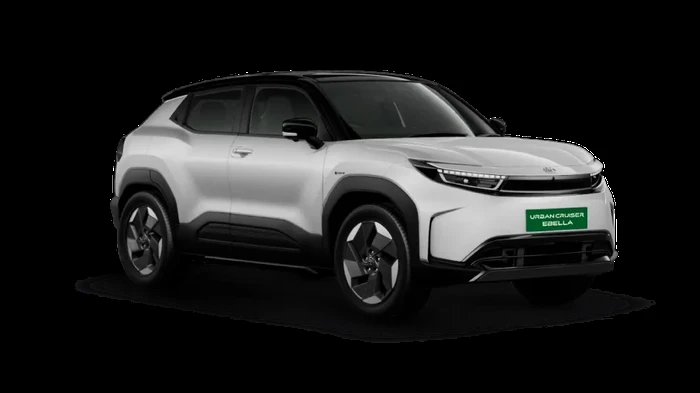
One of the most critical metrics for the Indian consumer is driving range, and Toyota has addressed this with a claimed range of 543 kilometers on a single full charge, based on standardized testing conditions. This range is particularly significant as it alleviates "range anxiety," one of the primary hurdles for EV adoption in the Indian subcontinent. The 543 km capability suggests that the Ebella is not merely a city commuter but a viable option for inter-city travel, provided the charging infrastructure continues its current trajectory of expansion.
To support the ownership experience, Toyota has integrated comprehensive charging solutions. The vehicle supports both standard AC home charging and DC fast charging. Utilizing a high-capacity DC fast charger, the Ebella can replenish its battery from 10% to 80% in a fraction of the time required by conventional outlets, making it suitable for long-distance journeys. Furthermore, the Toyota i-Connect application allows owners to monitor battery health, track charging progress, and even schedule charging sessions during off-peak electricity hours directly from their smartphones.
Aesthetic Direction: The Urban Tech Design Language
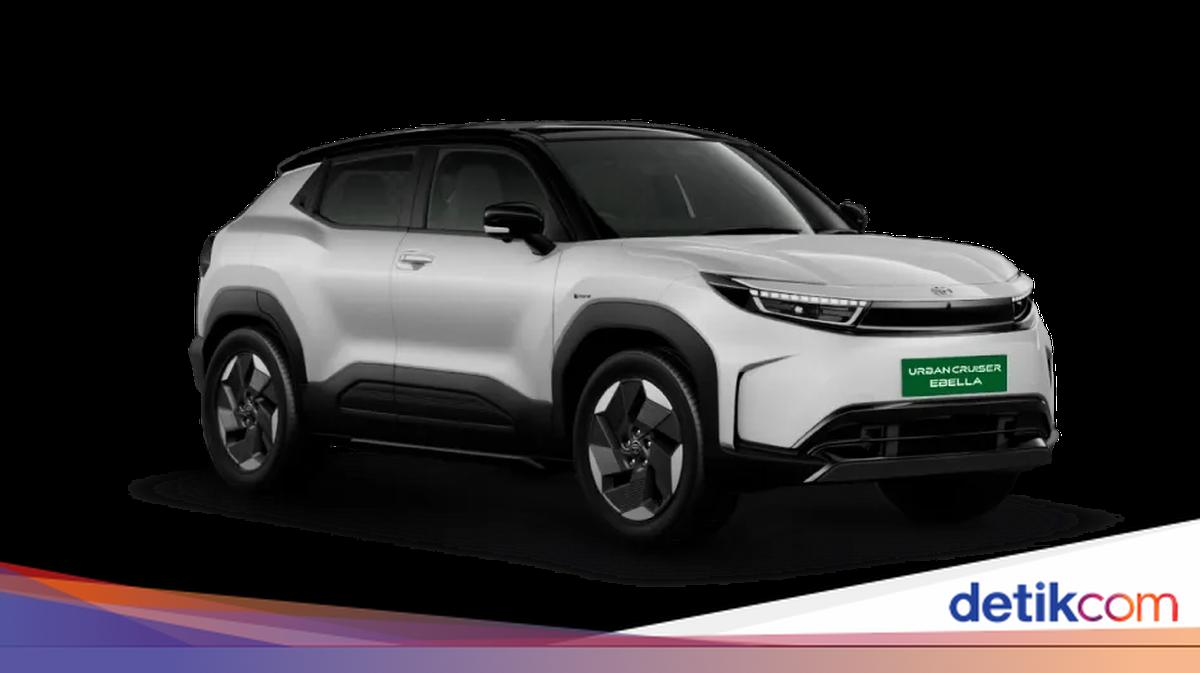
Visually, the Urban Cruiser Ebella introduces Toyota’s "Urban Tech" design language to the Indian market. The front fascia is dominated by a "hammerhead" styling cue, characterized by sleek, integrated LED daytime running lights that sweep across the width of the vehicle. This design is reminiscent of Toyota’s global bZ (Beyond Zero) series, signaling a unified global identity for its electric fleet.
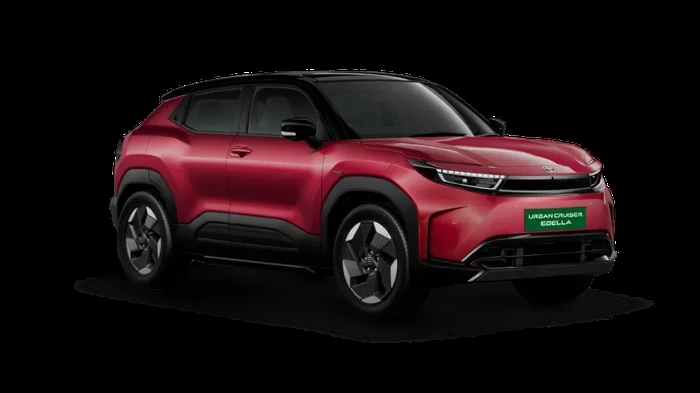
The exterior is not just about aesthetics; it is heavily influenced by aerodynamic requirements to maximize range. The smooth body contours, closed-off front grille, and specifically designed 18-inch alloy wheels all work in tandem to reduce air resistance. Consumers are offered a wide array of personalization options, with nine distinct color choices available at launch. These include five solid color palettes and four sophisticated two-tone combinations, allowing buyers to tailor the vehicle’s appearance to their personal preferences.
Interior Sophistication and Digital Integration
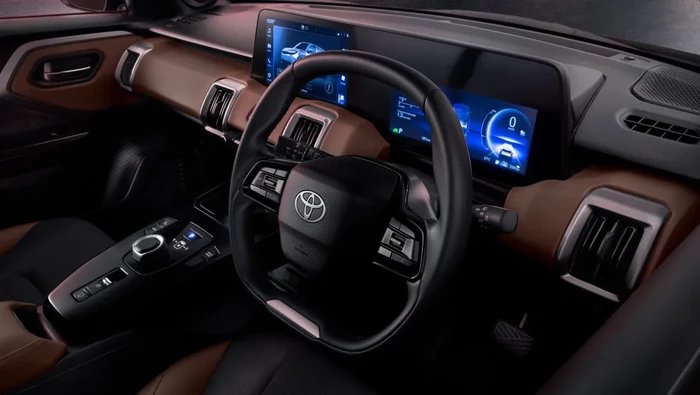
The cabin of the Urban Cruiser Ebella is a departure from traditional Toyota interiors, leaning heavily into a minimalist, tech-forward environment. The centerpiece of the dashboard is a dual-screen setup, featuring a 10.25-inch digital instrument cluster for the driver and a 10.1-inch high-definition infotainment touchscreen. The system is designed for seamless integration with modern lifestyles, offering wireless connectivity for both Apple CarPlay and Android Auto.
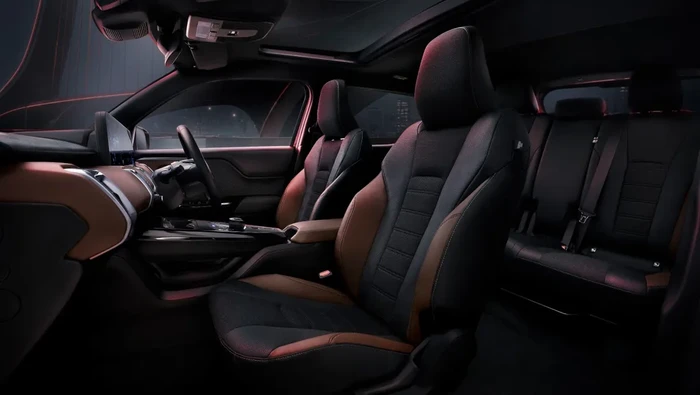
Comfort and convenience features are extensive, reflecting the premium positioning of the E3 variant. The front seats are equipped with a cooling function—a highly valued feature in India’s tropical climate. The sense of space is further enhanced by a large panoramic sunroof that allows natural light to flood the cabin. Additional luxury touches include a 12-color ambient lighting system, allowing passengers to set the mood of the interior, and a premium JBL audio system designed to provide an immersive acoustic experience. For rear passengers, the seats offer both sliding and reclining functions, ensuring optimal legroom and comfort during long trips.
Safety Standards and ADAS Integration
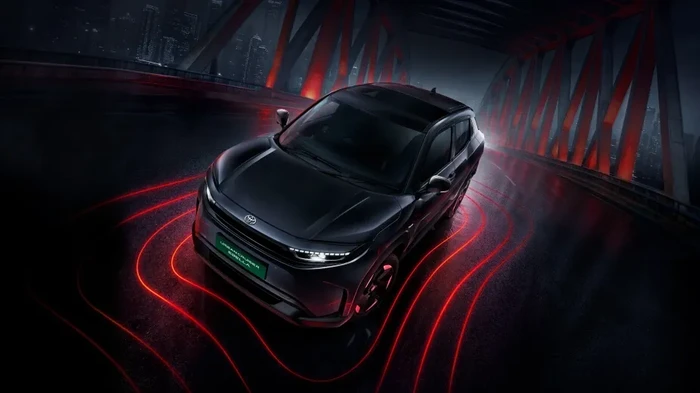
Toyota has long maintained a reputation for safety, and the Urban Cruiser Ebella continues this legacy with a comprehensive suite of protective features. The vehicle is built with a high-tensile steel structure designed to absorb and redirect impact energy away from the passenger cell. In terms of passive safety, the Ebella comes standard with seven airbags, providing coverage for all occupants.
The vehicle also embraces active safety through the inclusion of Level 2 Advanced Driver Assistance Systems (ADAS). This suite includes features such as autonomous emergency braking, lane departure warning, lane-keep assist, and adaptive cruise control. To aid in low-speed maneuvering and parking in tight urban spaces, the Ebella is equipped with a 360-degree camera system, providing the driver with a bird’s-eye view of the vehicle’s surroundings.
Market Context and Competitive Landscape
The launch of the Urban Cruiser Ebella comes at a time when the Indian automotive industry is undergoing a paradigm shift. For years, the Indian EV market was dominated by domestic players like Tata Motors, which holds a significant market share with models like the Nexon EV and Punch EV. However, the entry of a global titan like Toyota is expected to intensify competition and accelerate the development of the ecosystem.
Industry analysts suggest that Toyota’s entry will likely trigger a new wave of localized manufacturing and component sourcing. By utilizing the Heartect-e platform shared with Suzuki, Toyota can leverage economies of scale that are crucial for maintaining competitive pricing in a price-sensitive market like India. Furthermore, the Ebella’s launch is expected to be followed by a series of other electric models as part of Toyota’s broader "multi-pathway" strategy, which includes hybrids, fuel cells, and battery electric vehicles.
Environmental Impact and Strategic Implications
The introduction of the Ebella is a significant step toward Toyota’s goal of achieving carbon neutrality. For the Indian market, this move aligns with the government’s Faster Adoption and Manufacturing of Hybrid and Electric Vehicles (FAME) scheme and the Production Linked Incentive (PLI) initiatives, which provide subsidies and incentives to manufacturers and consumers to boost EV sales.
Beyond the immediate sales figures, the Urban Cruiser Ebella represents a shift in consumer perception. By offering a vehicle that combines Toyota’s legendary reliability with cutting-edge electric technology, the company is addressing the skepticism some buyers still hold toward new energy vehicles. The Ebella is not just a car; it is a statement of intent that the era of mass-market electric mobility has arrived in India.
As charging infrastructure continues to grow across major Indian metros and along national highways, the viability of vehicles like the Ebella will only increase. Toyota Bharat has indicated that it will work closely with stakeholders to expand the network of fast chargers at its dealerships and beyond, ensuring that the transition to electric driving is as seamless as possible for its customers.
In conclusion, the Toyota Urban Cruiser Ebella stands as a landmark model for Toyota in the Global South. With its impressive range, advanced safety features, and a design that balances modern tech with functional SUV styling, it is well-positioned to become a major player in the Indian EV story. The coming months will be crucial as the vehicle hits the showrooms and the first wave of consumer feedback begins to shape the future of Toyota’s electric journey in the subcontinent.