
 Lina Irawan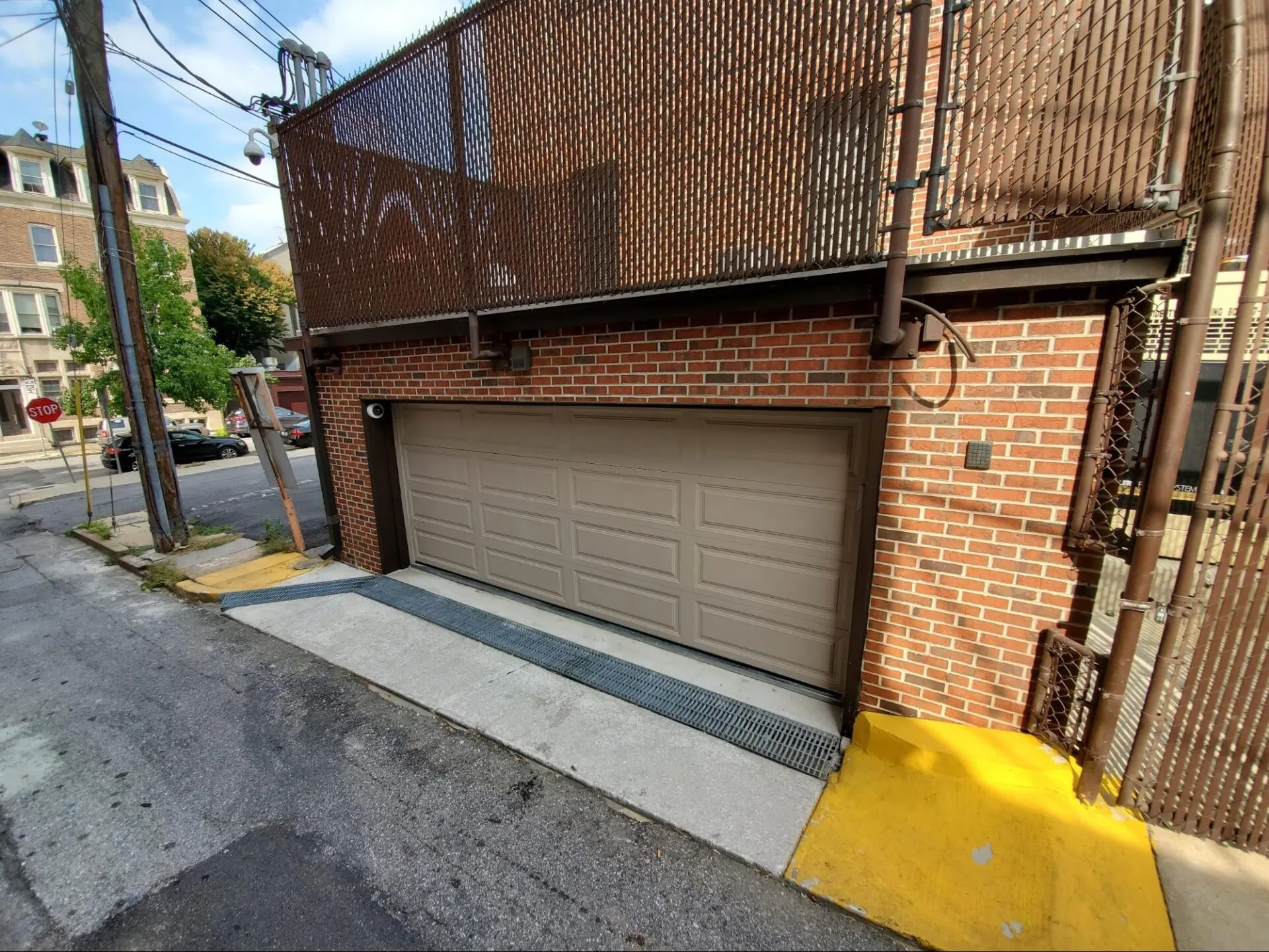
The modern carport, once a simple shelter for vehicles, has evolved into an integral extension of the home, demanding sophisticated solutions for effective water management. A trench drain carport, characterized as an elongated, linear drainage channel installed flush with the garage floor, serves a critical function: to intercept and redirect rainwater runoff or car wash wastewater, preventing it from inundating interior living spaces. This innovative system offers a pragmatic resolution to persistent pooling issues, negating the need for extensive and costly floor re-sloping or tile replacement. Often, the fundamental challenge lies not in the flooring material itself, but in the immutable laws of gravity and an improperly designed water flow path, where water from external areas, such as the public road, can inadvertently channel directly towards the main entrance. In such scenarios, the installation of a trench drain becomes the most logical and effective measure to control and redirect this unwelcome water ingress.
The Rising Challenge of Stormwater Management in Residential Areas
Urbanization and climate change have significantly exacerbated stormwater management challenges in residential areas worldwide. As cities expand, natural permeable surfaces are increasingly replaced by impermeable ones like concrete and asphalt, leading to a higher volume and velocity of runoff during rainfall events. Simultaneously, shifting weather patterns, including more frequent and intense downpours, overwhelm traditional drainage systems. This confluence of factors makes residential properties, particularly carports and garages, highly vulnerable to water accumulation. A 2022 report by the World Meteorological Organization indicated a global increase in extreme rainfall events, directly correlating with a rise in urban flooding incidents. For homeowners, this translates to a heightened risk of water damage, making proactive drainage solutions not merely a convenience but a necessity for property protection and longevity.
Understanding the Problem: Why Garage Flooding Occurs
Homeowners frequently attribute garage flooding to inadequate flooring materials, overlooking the underlying design flaws that often contribute to the problem. Construction professionals face a delicate balance when designing garage floors: they must be sufficiently flat to prevent vehicles from rolling unintentionally, yet possess a subtle slope to facilitate rainwater runoff towards the exterior. This design paradox becomes particularly problematic when the adjacent public road’s asphalt level is higher than the home’s floor elevation. In such cases, water, obeying the principle of seeking the lowest point, inevitably flows towards and into the residence, often culminating in the living areas. Merely replacing existing tiles with rougher, more slip-resistant surfaces offers no genuine remedy, as standing water will still permeate through foundation crevices, leading to structural and aesthetic damage over time. The fundamental issue is one of redirection – the water’s flow path must be decisively diverted before it reaches critical entry points. According to industry statistics, water damage accounts for approximately 24% of all homeowner insurance claims, with inadequate drainage being a significant contributing factor, often leading to costly repairs ranging from several hundred to tens of thousands of dollars, depending on the extent of the damage.
How Trench Drains Work: A Comprehensive Mechanism
At its core, a trench drain system operates as a sophisticated interceptor ditch. It involves the construction of a linear channel that effectively cuts off the ingress route of water from external sources before it can breach the home’s perimeter. This channel is then covered with a robust grating, typically fabricated from materials such as cast iron, heavy-duty plastic, or stainless steel. Crucially, the grating is installed flush with the floor surface, ensuring seamless vehicle passage without obstruction or damage to tires.

When precipitation occurs, or when a vehicle is washed, water is immediately captured by the open slots of the grating and channeled directly into the underground pipe network, which then directs it towards the municipal storm sewer system or a designated runoff area. This design effectively creates an impermeable barrier, preventing any water from advancing towards the home’s entrance.
In stark contrast, conventional circular floor drains are designed to capture water at a single, confined point, offering limited effectiveness against widespread sheet flow. A trench drain, by extending across the entire width of the garage, from one side wall to the other, creates a continuous barrier. This elongated blockade ensures that virtually no water droplet can bypass the system and enter the interior of the house. Furthermore, the removable grating offers practical advantages for maintenance, allowing for easy access to clear accumulated debris, such as leaves, sand, or sediment, thereby ensuring the system’s long-term efficiency and preventing blockages. The average flow rate capacity of a standard 150mm wide trench drain can range from 1 to 5 liters per second per linear meter, depending on the design and slope, showcasing its superior capacity compared to point drains.
Strategic Placement for Optimal Performance
The efficacy of a trench drain system is heavily contingent on its precise placement. Incorrect positioning can render the system ineffective, leading to continued pooling and potential water ingress. Three primary strategic locations are typically considered, each addressing specific site conditions:
-
Directly in Front of the Entrance: This placement is imperative when the adjacent public road or exterior ground level is significantly higher than the home’s finished floor. The channel is embedded directly at the threshold of the garage, serving as the first line of defense. Any water originating from outside that manages to flow towards the garage is immediately intercepted and diverted by this trench, preventing it from reaching the living spaces. This setup is particularly effective in areas prone to street runoff.
-
In the Center of the Parking Area: For expansive garage areas, a central placement can be highly advantageous. In this configuration, the garage floor is typically designed with a subtle, dual-directional slope, creating a gentle ‘V’ shape. The floor slopes downwards from both the home’s entrance towards the center and from the perimeter fence towards the center. The trench drain is then installed precisely at this central meeting point of the gentle slopes. This design efficiently divides the drainage task, allowing water to flow quickly from two shorter paths towards the central channel, ensuring rapid drying of the entire parking area and preventing localized pooling. This layout is common in larger commercial or multi-car residential garages.
-
Adjacent to the Perimeter Fence/Property Line: If the home’s floor level is higher than the street level, placing the trench drain at the outermost edge of the garage, bordering the public road or property line, is the ideal solution. In this scenario, the primary objective is to capture and manage wastewater generated from activities within the garage, such as car washing. By intercepting this soapy runoff before it can flow onto public sidewalks or streets, the system helps maintain cleanliness and comply with local environmental regulations regarding wastewater discharge. This placement prevents nuisance flooding on public property and ensures responsible water management.
Material Science: Choosing the Right Grating

The grating, or cover, of a trench drain is subject to significant stress from the weight of vehicles, often weighing several tons, on a daily basis. Therefore, selecting a material that can withstand these substantial loads without fracturing or deforming is paramount. Industry standards, such as EN 1433, categorize gratings by load classes (e.g., A15 for pedestrian areas, B125 for light vehicle traffic, C250 for heavy vehicles, D400 for roadways), which should guide material selection.
-
Cast Iron: Renowned for its exceptional strength and durability, cast iron is the undisputed choice for handling massive loads. If the garage frequently accommodates large SUVs, multiple vehicles, or even light commercial vehicles, cast iron is an absolute necessity. Its primary drawback lies in its substantial weight, which can make removal for maintenance challenging, and its susceptibility to rust and corrosion over time, which can affect its appearance unless regularly maintained or coated. However, modern coatings and treatments can mitigate this.
-
Stainless Steel: Offering a blend of robustness and aesthetic appeal, stainless steel provides a clean, contemporary look. Its inherent anti-corrosive properties ensure that it maintains its lustrous finish even with constant exposure to moisture and harsh weather conditions. When selecting stainless steel, it is crucial to verify the plate thickness and grade (e.g., 304 or 316 for enhanced corrosion resistance). Thinner gauges, often designed for light-duty bathroom drains, are wholly unsuitable for carport applications and will fail under vehicle weight. Stainless steel is often preferred for its hygiene and minimal maintenance requirements.
-
Galvanized Steel: This material presents a cost-effective middle-ground solution. Galvanized steel is essentially ordinary steel that has been hot-dipped in a protective zinc coating, significantly enhancing its resistance to corrosion. While not as resistant to heavy loads or as aesthetically refined as stainless steel, it offers commendable strength for typical residential "city cars" and standard passenger vehicles. Its affordability makes it a popular choice for homeowners seeking a durable yet budget-friendly option.
-
HDPE (High-Density Polyethylene) Plastic: Industrial-grade HDPE plastic gratings offer several distinct advantages. They are exceptionally lightweight, highly resistant to chemical degradation (e.g., from car cleaning agents), and entirely immune to rust. This material is capable of supporting the weight of standard passenger cars without cracking or structural failure. HDPE is an excellent option for homeowners who prefer ease of handling during cleaning and maintenance, as its light weight simplifies removal and reinstallation. Furthermore, its chemical inertness makes it suitable for environments where various liquids might be present.
Engineering for Efficiency: Ideal Dimensions and Slope
The dimensions of a trench drain are not arbitrary; they are critical to its effective functioning. A common error is to construct an undersized channel in an attempt to reduce material costs, which inevitably compromises performance. For residential applications, an ideal channel width typically ranges from 10 to 15 centimeters. The corresponding depth should be between 15 and 20 centimeters. Channels that are too shallow risk water splashing out or overflowing during heavy rainfall, defeating their purpose.
Crucially, the base of the trench must be constructed with a slight but consistent slope, typically around 1% (or 1 cm drop per 100 cm length) towards the designated outlet pipe. This subtle inclination ensures that water flows continuously and completely out of the channel, preventing stagnation and the accumulation of debris. A perfectly flat channel base will allow water to sit, leading to foul odors, bacterial growth, and blockages, requiring more frequent and arduous cleaning. Proper engineering ensures efficient water evacuation and minimizes maintenance issues.

Common Pitfalls and Best Practices in Installation
Even with the correct materials and dimensions, installation errors can render a trench drain system ineffective, leading to wasted investment and continued water problems.
One prevalent oversight is the failure to install a leaf trap or debris screen within the channel before the outlet pipe. Without this crucial component, leaves, twigs, dirt, and other physical debris will inevitably be washed into the system, leading to blockages in the main underground drainage pipes, which are often difficult and costly to clear. Regular inspection and cleaning of the leaf trap are essential for uninterrupted flow.
A critical and potentially disastrous mistake is to connect the garage stormwater drain to the household septic tank system. Septic tanks are designed to process limited volumes of domestic wastewater. The immense volume of water generated during a heavy rain event would rapidly overwhelm and destroy the delicate biological balance of the septic system, leading to catastrophic failure, contamination, and extremely expensive repairs. Stormwater must always be directed to a dedicated stormwater sewer or a suitable infiltration area, completely separate from the sanitary drainage.
Furthermore, some homeowners, prioritizing aesthetics or comfort, might opt for gratings with excessively narrow slots to prevent high heels from getting caught. While seemingly minor, overly narrow gaps can impede efficient water capture during heavy downpours. The surface tension of water, combined with high flow rates, can cause water to "sheet" over the narrow openings rather than falling into the channel, effectively bypassing the drain and causing surface flooding. A balanced slot width is necessary to ensure both pedestrian safety and optimal drainage capacity. Typically, slot widths between 6mm and 12mm offer a good balance for residential applications.
Long-Term Benefits: Protecting Your Investment
Ignoring persistent water pooling in a carport or garage can lead to significant and costly long-term damage to the property. Standing water will inevitably seep into the porous brickwork and foundation, initiating a process that accelerates the peeling of paint on lower walls, fosters the growth of unsightly and unhealthy mold and mildew, and can compromise the structural integrity of the building over time.
A properly installed trench drain carport proactively eliminates this standing water from the outset. By ensuring rapid and complete water removal, it significantly extends the lifespan of the garage floor and foundation, preventing the conditions conducive to mold, algae, and moss growth. This results in a cleaner, drier, and healthier environment that requires less frequent cleaning and repairs.

For homeowners who prioritize a minimalist and exceptionally tidy aesthetic, where the visible grating might be considered disruptive, an alternative known as a "slot drain" design is available. From the exterior, a slot drain appears as a mere thin, inconspicuous line, typically 1-2 centimeters wide, seamlessly integrated into the floor. The bulk of the drainage system, including the pipework and collection channel, is discreetly concealed beneath the surface. While offering an undeniably elegant and high-end aesthetic, slot drains typically require specialized high-pressure water jets for effective cleaning, as their narrow opening makes manual debris removal more challenging. Despite this, their aesthetic appeal often justifies the additional maintenance considerations for luxury properties.
Cost-Benefit Analysis: Prevention vs. Repair
The initial investment required for installing a linear trench drain system is undoubtedly higher than simply purchasing a conventional circular floor drain. The project necessitates procuring extended lengths of durable grating material, concrete and cement for channel construction, and the associated labor costs for excavation and installation.
However, a comprehensive financial evaluation reveals that this initial expenditure represents a prudent investment in preventative infrastructure. Consider the potential financial ramifications if water were to regularly inundate interior living spaces: the cost of replacing water-damaged furniture, such as soaked sofas and carpets, repairing warped flooring, and repainting water-stained walls can easily escalate into thousands, if not tens of thousands, of dollars. Furthermore, the inconvenience, disruption, and potential health hazards associated with mold growth represent additional intangible costs.
In this context, the cost of installing a robust trench drain system pales in comparison to the potential financial losses and significant disruption caused by recurring indoor flooding. Installing proper drainage is akin to purchasing an essential flood prevention insurance policy upfront, safeguarding property value and ensuring peace of mind against the unpredictable forces of nature. Industry experts often quote that preventative measures like proper drainage can reduce potential water damage repair costs by 30-50%.
Maintenance for Longevity
To ensure the continuous and efficient operation of a trench drain system, regular maintenance is essential. It is recommended that the grating cover be removed at least once a month, or more frequently during periods of heavy rainfall or high debris accumulation. Using a small shovel or scoop, any accumulated leaves, soil clumps, tire residue, or other physical debris should be removed from the channel. After clearing the solid waste, the channel should be thoroughly flushed with a strong stream of water from a garden hose. This helps to dislodge and push any fine dust or sediment into the main drainage pipe, preventing build-up and maintaining a clear flow path. Consistent maintenance prevents blockages, odors, and ensures the system is ready to perform optimally when needed.
Expert Perspectives and Industry Standards

Civil engineers and landscape architects consistently emphasize the importance of integrated site drainage planning in residential and commercial developments. "Effective stormwater management starts at the property line," states Dr. Anya Sharma, a leading expert in urban hydrology. "Ignoring the flow of water at critical entry points like carports is a common oversight that leads to expensive remedial work down the line. Trench drains, when correctly specified and installed, are a highly effective and often underutilized tool in a comprehensive drainage strategy."
Building codes in many regions are increasingly mandating specific drainage requirements for paved surfaces and entryways, reflecting a growing awareness of urban flooding risks. Adherence to these standards, alongside professional design and installation, is not just about compliance but about safeguarding property and promoting sustainable urban living.
Conclusion
The trench drain carport is far more than a simple architectural feature; it is a critical component of a resilient and well-maintained home. By effectively managing stormwater and preventing water ingress, it safeguards property foundations, preserves interior aesthetics, and mitigates the substantial financial and emotional costs associated with water damage. From selecting the appropriate materials to ensuring precise installation and consistent maintenance, every aspect of a trench drain system contributes to its long-term efficacy. In an era of increasing climate unpredictability and urbanization, investing in a robust drainage solution like a trench drain carport is an intelligent and indispensable decision for any homeowner committed to protecting their most valuable asset.








