Tata Titiana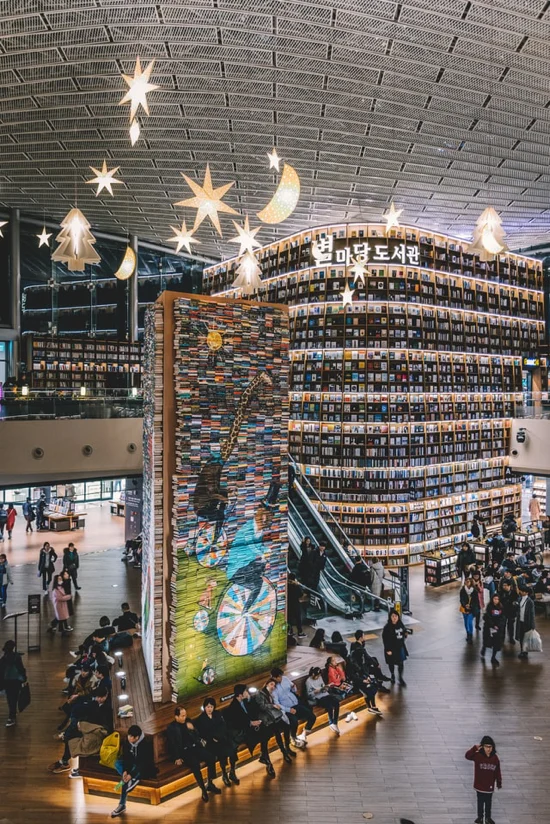
South Korea has firmly established itself as a premier global travel destination, drawing a significant influx of international visitors, including a substantial number from Indonesia. This surge in popularity is widely attributed to the pervasive influence of South Korean dramas, or K-dramas, which have captivated audiences worldwide. The compelling narratives and relatable characters are often set against visually stunning backdrops, transforming these filming locations into highly sought-after tourist attractions. Beyond their aesthetic appeal, these sites offer visitors an immersive experience, allowing them to step directly into the worlds they’ve only witnessed on screen. This article delves into some of South Korea’s most captivating travel destinations that resonate with the magic of K-dramas, providing a blend of breathtaking scenery and cultural significance.
Geonbae: The Electric Pulse of Seoul’s Nightlife
For travelers seeking to immerse themselves in the vibrant urban energy of South Korea, Geonbae offers an unparalleled experience. Located in the heart of Seoul, this dynamic street is renowned for its dense concentration of vibrant bars and eateries, creating a lively and energetic atmosphere that is a staple in many a K-drama scene depicting urban nights and social gatherings. Geonbae’s visual appeal lies in its striking neon signage and the constant flow of people, projecting a quintessential metropolitan ambiance. The street is a hive of activity at all hours, attracting a diverse crowd comprising locals unwinding after work and international tourists eager to sample the city’s nightlife.
The establishment of such bustling commercial streets in Seoul is a testament to the city’s rapid economic development and its emergence as a global hub for entertainment and culture. Geonbae, while not necessarily a historical landmark, represents the modern face of Seoul, a city that seamlessly blends tradition with contemporary dynamism. Its popularity among K-drama directors stems from its ability to convey a sense of urban sophistication and the everyday lives of its characters, whether they are celebrating a success, navigating personal challenges, or simply enjoying a night out with friends. The sheer density of establishments ensures a wide variety of culinary and beverage options, from traditional Korean soju bars to trendy cocktail lounges, catering to every palate. The constant buzz and the kaleidoscope of lights make it a perfect setting for dramatic encounters or moments of quiet reflection amidst the city’s pulse.
Daehakro: The Artery of Korean Performing Arts
Daehakro, often referred to as Seoul’s "Street of the Performing Arts," presents a unique cultural tapestry that has frequently served as a backdrop for K-dramas exploring themes of art, ambition, and self-discovery. Stretching approximately 1.6 kilometers, this iconic avenue draws parallels to the renowned Broadway in New York City, functioning as the epicenter for South Korea’s vibrant theater and arts scene. Daehakro is home to a multitude of theaters, art galleries, and performance spaces that continue to host a diverse array of artistic expressions.

The historical development of Daehakro is intrinsically linked to the educational institutions and cultural movements that shaped modern Korean arts. Initially, the area was associated with academic institutions, fostering a fertile ground for artistic innovation and expression. Over time, it evolved into a dedicated hub for performing arts, attracting playwrights, actors, directors, and musicians. This concentration of talent and creativity has made Daehakro a vital organ of Seoul’s cultural landscape. K-dramas often leverage Daehakro’s distinct atmosphere to portray characters who are aspiring artists, seasoned performers, or individuals deeply connected to the creative industries. Scenes set in its theaters or along its bustling sidewalks can evoke a sense of passion, struggle, and the pursuit of dreams, common threads in many K-drama narratives.
Visitors to Daehakro can immerse themselves in a rich theatrical tradition, with performances ranging from classical Korean plays and musicals to contemporary dance and experimental theater. The area also boasts numerous cafes, restaurants, and shops catering to the artistic community and its patrons, further enhancing its unique character. The palpable energy of creativity that permeates Daehakro makes it an unmissable destination for anyone wishing to experience the soul of South Korea’s performing arts scene, a scene that has been so beautifully showcased on television screens worldwide.
Starfield Library: A Sanctuary of Knowledge and Architectural Grandeur
For those seeking an experience that transcends the ordinary, the Starfield Library, nestled within the COEX Mall in Seoul, offers a breathtaking sanctuary of knowledge and architectural marvel. This expansive public library is not merely a repository of books but a testament to modern design and a popular filming location that has graced numerous K-dramas, adding an element of sophisticated calm or intellectual depth to their storylines. The library is characterized by its soaring bookshelves that reach an impressive height of 13 meters, creating a visually stunning spectacle that has become an iconic feature of the space.
The concept behind Starfield Library was to create an accessible and engaging public space that encourages reading and intellectual curiosity. Its strategic placement within a major shopping complex ensures high foot traffic, making it a readily available cultural amenity for both locals and tourists. The library houses an extensive collection encompassing a wide variety of genres, including fiction, non-fiction, academic journals, and digital resources, effectively making it one of the most comprehensive libraries in Seoul. The sheer scale and design of the bookshelves, combined with ample natural light and comfortable seating areas, create an inviting atmosphere conducive to both focused study and leisurely browsing.
In K-dramas, Starfield Library often serves as a setting for moments of introspection, significant plot revelations, or romantic encounters between characters who find solace or inspiration within its vast halls. Its architectural grandeur and serene ambiance provide a stark yet beautiful contrast to the more fast-paced urban environments often depicted, allowing for a shift in tone and mood within the narrative. The library’s ability to accommodate a large number of visitors while maintaining an air of tranquility underscores its success as a public space. It represents a modern approach to cultural institutions, integrating them seamlessly into the fabric of everyday life and making them accessible and appealing to a broad audience. A visit to Starfield Library is not just about exploring its literary collection; it’s about experiencing a space where architecture, knowledge, and cinematic magic converge.

Beyond the Screen: Expanding the K-Drama Tourism Horizon
While Geonbae, Daehakro, and Starfield Library represent just a fraction of the K-drama-inspired attractions in South Korea, the country offers a wealth of other locations that have played significant roles in popular series. From picturesque natural landscapes to charming traditional villages and iconic cityscapes, the diversity of these filming sites reflects the varied storytelling inherent in K-dramas. The appeal of these destinations lies not only in their visual aesthetics but also in the emotional resonance they hold for viewers, connecting them more deeply to the narratives and characters they have come to love.
The phenomenon of K-drama tourism has had a tangible economic impact on South Korea. The influx of tourists eager to visit these filming locations boosts local economies through increased spending on accommodation, dining, transportation, and souvenirs. This has led to a strategic focus by tourism boards and local governments to identify, promote, and sometimes even maintain these sites to cater to the growing demand. Many locations have seen significant infrastructure improvements and the development of K-drama-themed tours and experiences to enhance the visitor journey.
The long-term implications of this trend extend beyond mere tourism. It signifies the powerful soft power of South Korean culture, demonstrating its ability to influence global trends and foster cross-cultural appreciation. The shared experience of watching K-dramas and then visiting the associated locations creates a unique form of cultural exchange, bridging geographical divides and fostering a sense of global community among fans. As the K-drama industry continues to evolve and produce new hit series, the landscape of cinematic tourism in South Korea is poised for further expansion, promising even more enchanting destinations for travelers to discover.
In conclusion, South Korea offers a compelling blend of natural beauty, rich cultural heritage, and modern urban vibrancy, much of which has been amplified by its thriving K-drama industry. Destinations like Geonbae, Daehakro, and Starfield Library serve as potent reminders of how popular culture can transform ordinary places into extraordinary travel experiences. For those who have been captivated by the allure of Korean storytelling, embarking on a journey to these cinematic hotspots provides an unparalleled opportunity to step into the worlds of their favorite dramas, creating lasting memories and a deeper appreciation for the magic of South Korea.