Lusiana Hamidun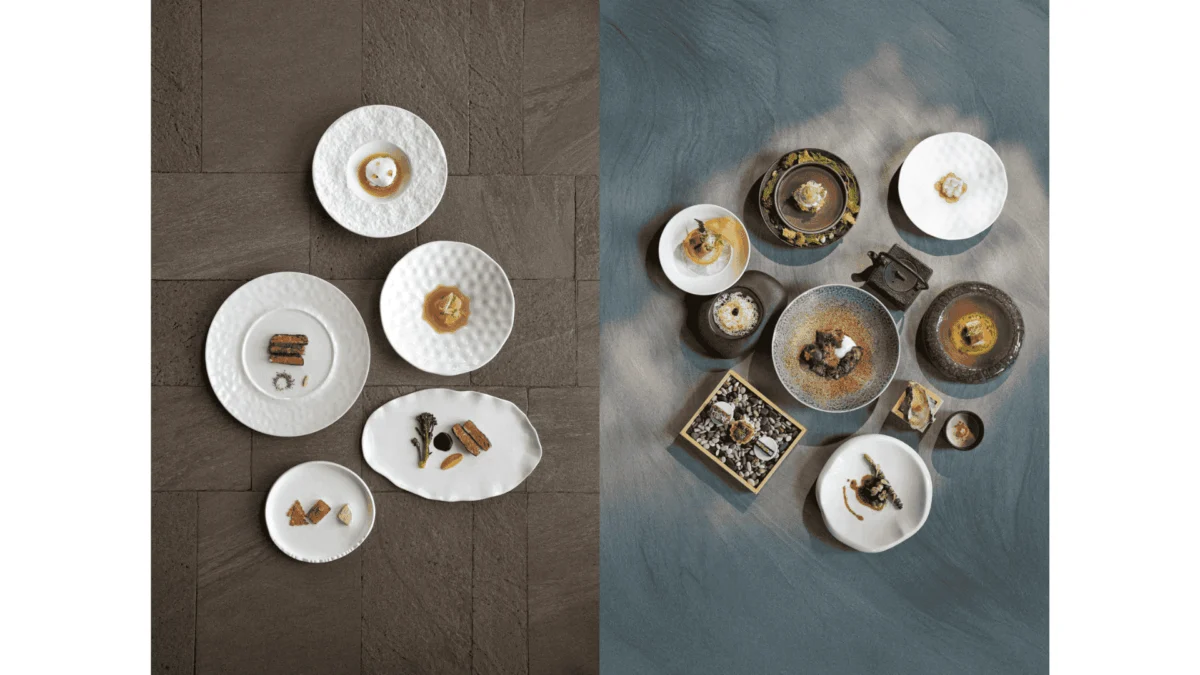
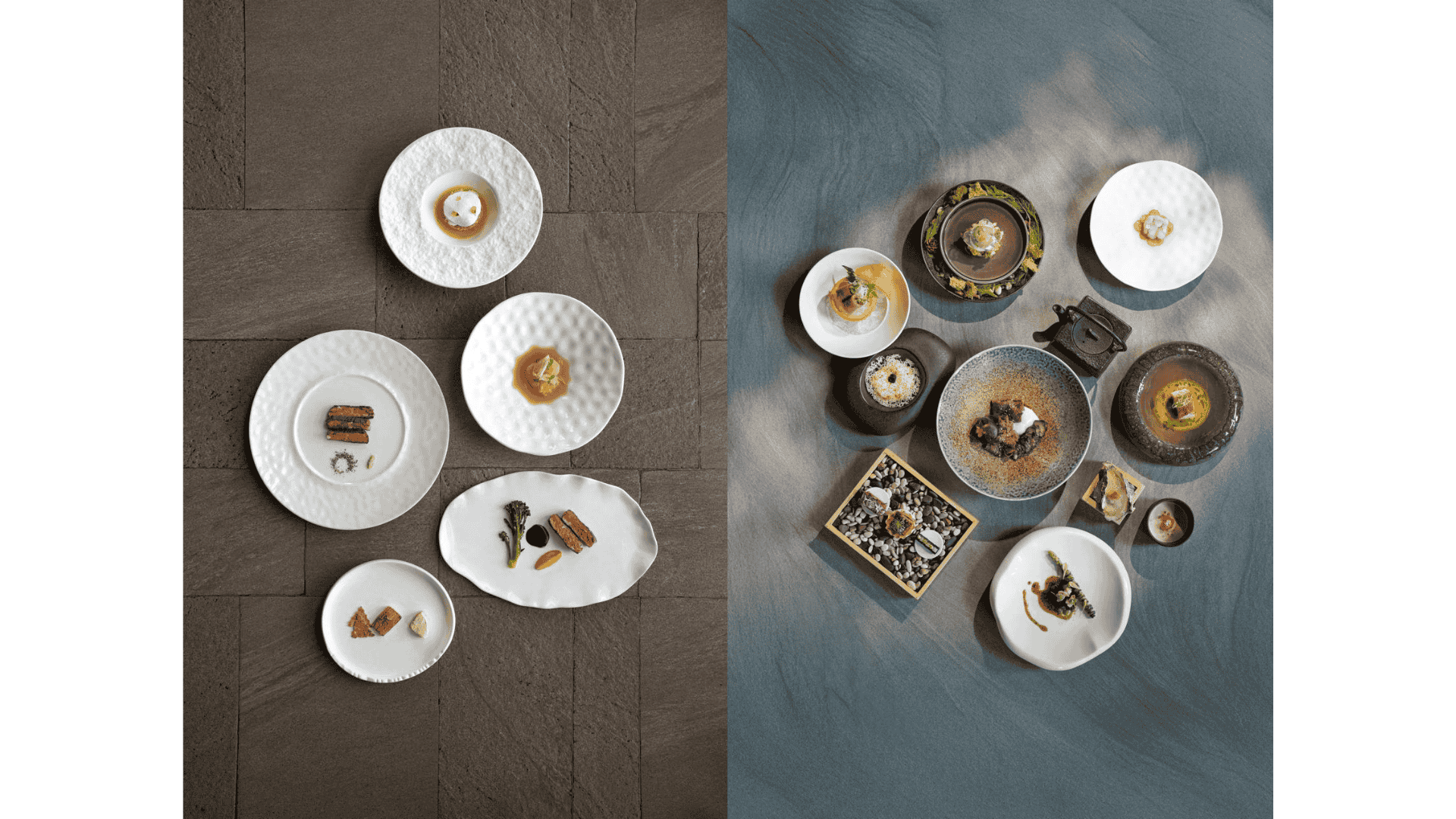
The culinary world, a dynamic tapestry of evolving tastes and seasonal artistry, is once again embracing the arrival of spring with a distinctive gastronomic celebration. Wabi-Sabi and Ironplate, two esteemed dining establishments, have collectively launched their highly anticipated Spring Omakase Menus. This collaborative initiative transcends mere seasonal offerings, aiming to immerse diners in a carefully curated journey that captures the essence of spring – its inherent freshness, delicate balance, and vibrant character. The philosophy underpinning this endeavor is rooted in the profound connection between nature’s cycles and the art of fine dining, translating ephemeral seasonal ingredients into a harmonious sequence of dishes.
This exclusive Omakase experience is meticulously designed to guide the palate through a progressive narrative of flavors and textures. From the initial bite to the lingering finish, a thread of clean tastes, refined textures, and balanced compositions weaves through each course. This approach aims to create an immersive sensory exploration, showcasing the creative interpretations of the chefs at both Wabi-Sabi and Ironplate. The meticulous planning involved in developing such a menu typically involves months of research, ingredient sourcing, and recipe refinement, ensuring that each element contributes to the overall cohesive and memorable dining experience. The timing of such a launch, often coinciding with the peak availability of specific spring produce, is critical to capturing the freshest and most flavorful ingredients.
Wabi-Sabi: A Symphony of Japanese Spring Delicacies
At Wabi-Sabi, the Spring Omakase Menu is a testament to the restaurant’s commitment to showcasing premium Japanese ingredients at their seasonal zenith. A standout highlight is the innovative use of Dekopon Ponzu, a vibrant citrus dressing crafted from the renowned Dekopon oranges, native to Japan. This dressing lends a bright, zesty counterpoint to the rich, buttery texture of chu-toro, a prized cut of tuna. The delicate balance of sweet and tart notes from the Dekopon citrus elegantly cuts through the inherent richness of the fish, creating a harmonious interplay on the palate. The Dekopon orange, known for its exceptionally sweet flavor and easy-to-peel nature, represents a premium ingredient that signifies the luxury and seasonality of this particular Omakase offering.
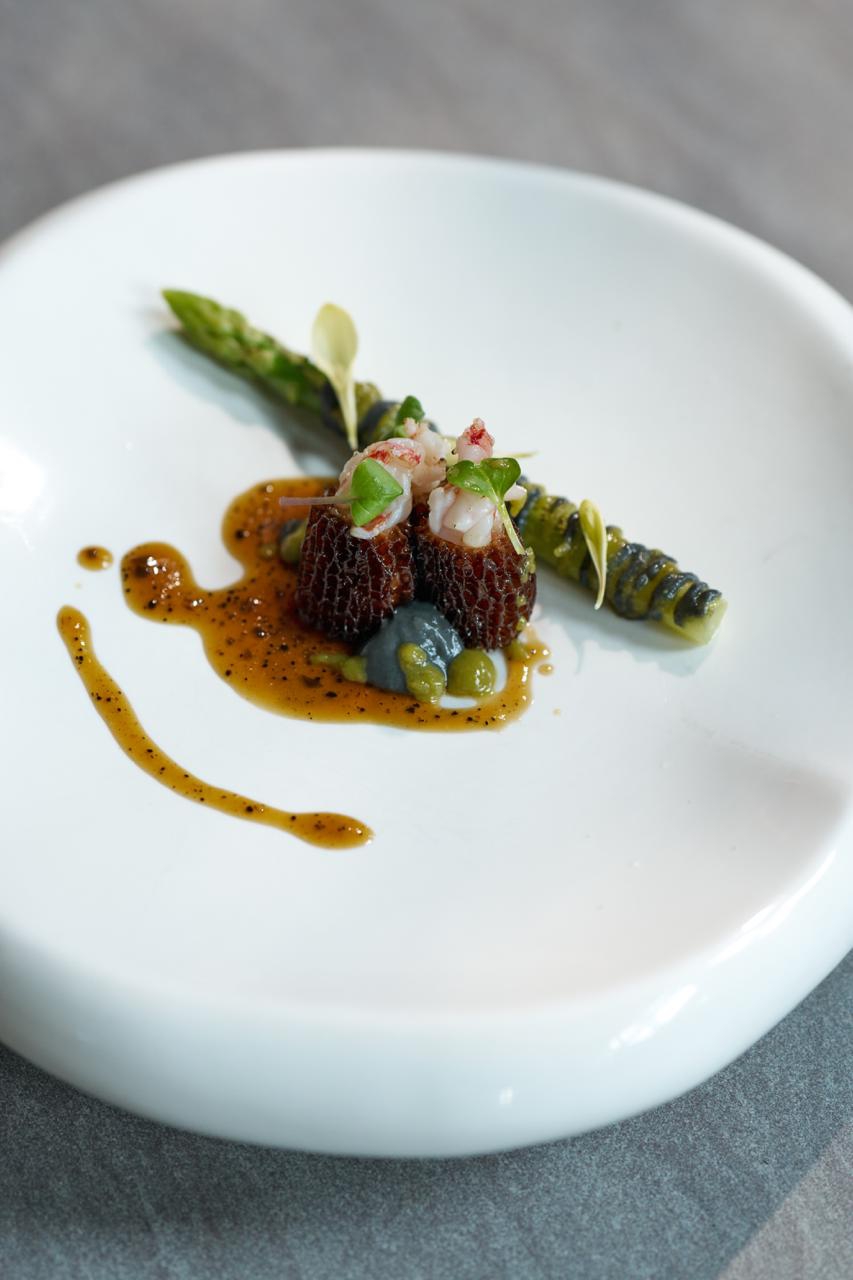
Further enriching the Wabi-Sabi experience is the inclusion of morel mushrooms in a yakimono (grilled dish) preparation. These prized fungi, with their distinctive honeycomb appearance and earthy aroma, add a profound depth of flavor and a unique textural element to the menu. Their natural umami character is amplified through the grilling process, making them a sought-after ingredient during the spring season. The sourcing of such specific, seasonal mushrooms often involves specialized purveyors who can guarantee freshness and quality, further underscoring the premium nature of the Omakase.
The menu also features hotaru ika, commonly known as firefly squid. These small, delicate cephalopods are celebrated for their exceptionally tender texture and subtle oceanic sweetness. In this Omakase, they are artfully paired with toasted brioche, providing a soft, yielding base, and kanzuri, a traditional Japanese chili paste. Kanzuri, a fermented condiment originating from Niigata Prefecture, offers a unique blend of spicy, savory, and slightly fruity notes that complement the squid without overpowering its delicate flavor. The careful selection of accompaniments like brioche and kanzuri demonstrates a nuanced understanding of flavor pairing and textural contrast.
Adding another layer of seasonal bounty, the Spring Omakase incorporates sunchokes, also known as Jerusalem artichokes, into a sukiyaki preparation. These root vegetables are prized for their tender, almost creamy texture when cooked and their subtly sweet, nutty flavor profile. In the context of sukiyaki, they absorb the rich, savory broth, contributing a delightful sweetness and a satisfying mouthfeel that enhances the overall complexity of the dish. The use of sunchokes in sukiyaki represents a creative departure from traditional ingredients, showcasing the chefs’ willingness to innovate while respecting the essence of the dish.
The development of Wabi-Sabi’s menu likely involved extensive collaboration with Japanese ingredient suppliers to secure the freshest and most authentic produce and seafood. This attention to detail in sourcing is paramount to delivering an authentic Omakase experience that truly reflects the season. The typical lead time for securing such specialized ingredients can be significant, often requiring advance orders and careful logistical planning to ensure peak freshness upon arrival.
Ironplate: A Modern European Interpretation of Spring’s Bounty
Ironplate approaches the concept of a Spring Omakase Menu with a distinct, yet equally sophisticated, European-inspired culinary lens. While embracing the same ethos of seasonality and quality, their menu offers a different stylistic interpretation, focusing on fresh, vibrant ingredients at the height of their season.
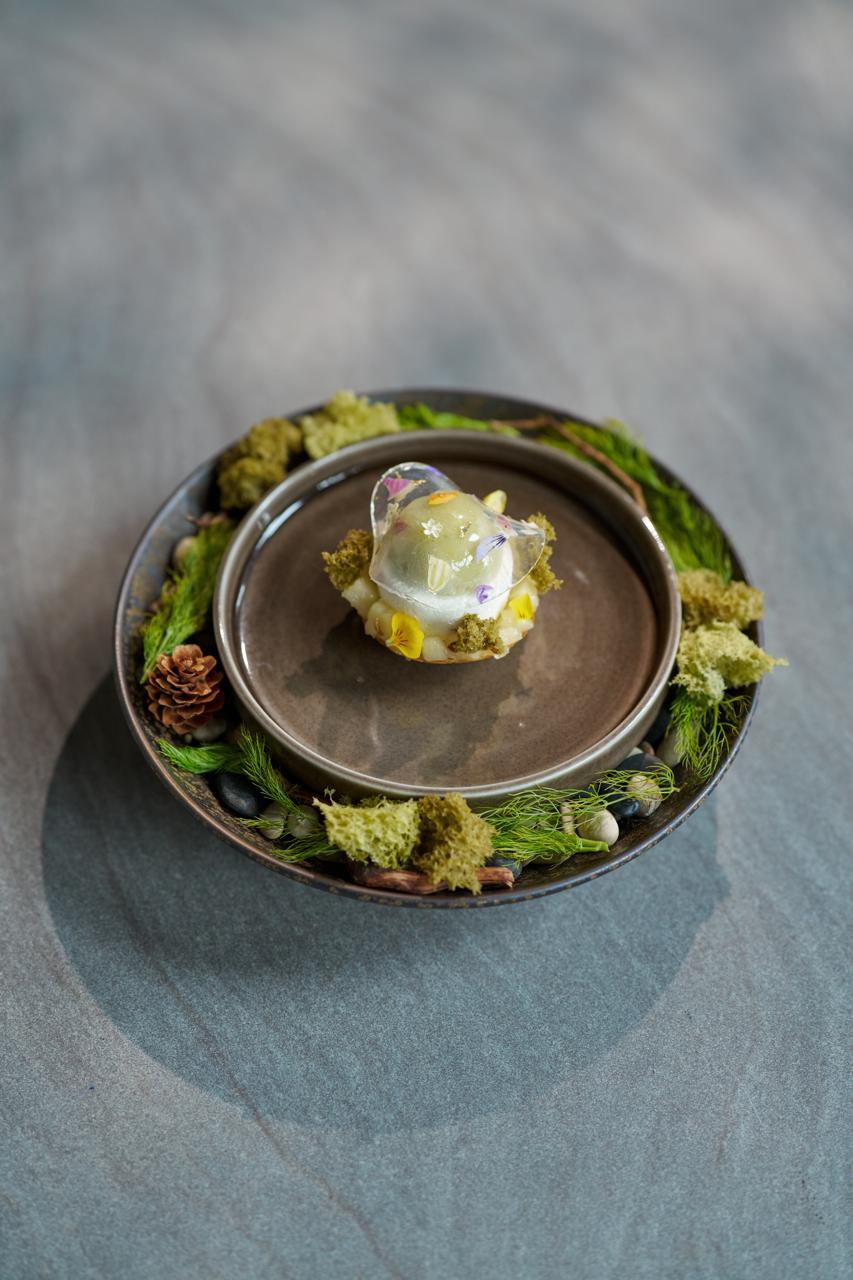
The culinary journey at Ironplate commences with Pea-Chyssoise, a chilled soup that elegantly captures the essence of spring. This refreshing starter harmoniously blends the natural sweetness of garden peas with the delicate flavor of Alaskan crab. The addition of kasugai peas, known for their crisp texture and vibrant green hue, along with sweet fennel and aromatic shiso leaves, creates a complex yet light flavor profile. The inclusion of Alaskan crab, a premium seafood known for its sweet, succulent meat, elevates the dish beyond a simple pea soup, adding a touch of luxury. The careful selection of aromatic herbs like shiso provides a bright, herbaceous finish, perfectly complementing the sweetness of the peas and the richness of the crab.
A significant highlight from Ironplate’s main courses is the chou farci. This classic dish is reimagined using seasonal Savoy cabbage, renowned for its tender leaves and mild, slightly sweet flavor. The cabbage is artfully wrapped around succulent black cod, a rich, buttery fish that holds its own against the robust flavors of the accompaniments. The dish is further enhanced by a yuzu kosho beurre blanc. This sophisticated sauce combines the richness of a classic French butter sauce with the bright, citrusy, and subtly spicy notes of yuzu kosho, a Japanese condiment made from yuzu peel, chili peppers, and salt. The yuzu kosho adds a refined citrus element and a gentle warmth that beautifully complements the black cod and the tender cabbage. The beurre blanc itself requires precise emulsification techniques to achieve its characteristic silky texture.
To conclude this exquisite dining experience, Ironplate presents the kankitsu parfait. This dessert is a vibrant ode to the late spring season, featuring kumquat confit. Kumquats, small citrus fruits with an edible rind, offer a delightful sweet-tart flavor profile, especially when candied. The kumquat confit provides a bright, slightly bittersweet counterpoint to the creamy almond parfait. The parfait, with its subtle nutty undertones, offers a rich yet light texture. The dessert is further elevated by a scoop of ocha (green tea) ice cream, introducing a refreshing, slightly bitter note that balances the sweetness of the confit and parfait, creating a lingering, complex finish. The careful layering of textures and flavors in this parfait exemplifies the sophisticated dessert artistry present at Ironplate.
The creation of Ironplate’s menu likely involved close collaboration with European and local purveyors to source the finest seasonal produce and sustainably caught seafood. The restaurant’s commitment to using ingredients at their peak signifies a deep respect for the culinary calendar and a dedication to delivering exceptional quality. The preparation of a chou farci, for example, involves careful blanching and stuffing techniques, while a perfectly executed beurre blanc requires meticulous attention to temperature and emulsification.
A Collaborative Vision for Culinary Excellence
The joint effort between Wabi-Sabi and Ironplate represents a significant moment in the Jakarta dining scene, highlighting a collaborative spirit that elevates the overall culinary landscape. This partnership allows diners to experience two distinct yet complementary interpretations of a single, evocative theme – the arrival of spring. The synergy between these two establishments, each with its unique culinary identity, promises a multifaceted and enriching gastronomic adventure.
The Spring Omakase Menu at both Wabi-Sabi and Ironplate is available from April 6th until the end of June 2026. Reservations are highly recommended, given the anticipated demand for these exclusive, seasonal offerings. The limited availability of specific ingredients during spring underscores the importance of advance booking to secure a table. This timeframe aligns with the natural blooming and harvesting cycles of many of the featured ingredients, ensuring that diners experience them at their absolute best.
The timing of this launch, particularly its duration extending into late June, suggests a strategic decision to capture the full spectrum of spring’s bounty, from early spring greens and delicate seafood to late-spring citrus and early summer fruits. The typical preparation for such an event can begin months in advance, involving menu conceptualization, ingredient sourcing negotiations, staff training, and marketing efforts.
Broader Implications for the Culinary Industry
The collaborative Omakase launch by Wabi-Sabi and Ironplate has several notable implications for the broader culinary industry in Jakarta. Firstly, it sets a precedent for cross-establishment collaborations, fostering a sense of community and shared innovation among restaurants. Such partnerships can lead to unique dining experiences that transcend individual restaurant offerings, attracting a wider audience and stimulating culinary creativity.
Secondly, it emphasizes the growing consumer demand for seasonal and ingredient-driven menus. As diners become more discerning and environmentally conscious, restaurants that highlight the provenance and seasonality of their ingredients are increasingly valued. This trend encourages a more sustainable approach to dining, where menus are dictated by what nature provides at its peak.
Thirdly, the focus on Omakase dining itself signifies a continued appreciation for immersive and chef-driven culinary experiences. Omakase, meaning "I leave it up to you," places trust in the chef’s expertise and creativity, offering a personalized and often surprising gastronomic journey. This format allows chefs to showcase their skills and passion, providing diners with an intimate connection to the food and its preparation.
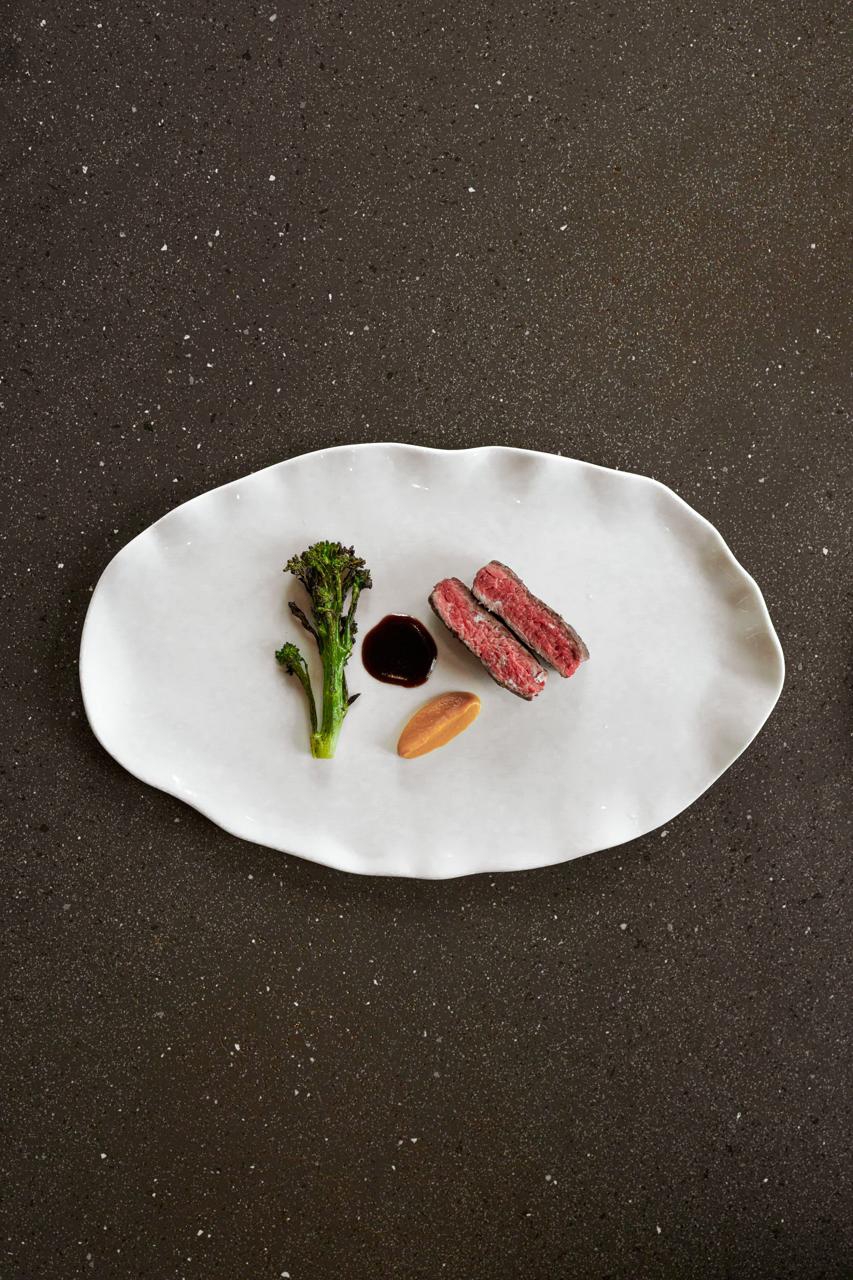
The success of such initiatives can also encourage other restaurants to explore similar collaborative ventures, potentially leading to a more dynamic and diverse culinary scene. It highlights the importance of storytelling within cuisine, where each dish not only delights the palate but also conveys a narrative about the season, the ingredients, and the chefs’ vision. The integration of visually appealing presentations, as evidenced by the accompanying photographs, further underscores the importance of aesthetics in modern fine dining, transforming a meal into a holistic sensory experience.
The culinary world is constantly evolving, and initiatives like the Spring Omakase Menus by Wabi-Sabi and Ironplate are vital in pushing the boundaries of gastronomic innovation. They serve as a reminder that the finest dining experiences are often born from a deep respect for nature’s rhythms and a commitment to artistic culinary expression. The careful curation of ingredients, the thoughtful construction of each dish, and the collaborative spirit of the participating establishments collectively contribute to a memorable and enriching dining event that celebrates the ephemeral beauty of spring.