Chalifah Fatihah
The health of the kidneys is paramount to maintaining the stability of other vital organs. When the kidneys are compromised, the repercussions can ripple throughout the entire body’s systems. Consequently, early detection is crucial, and one of the most accessible indicators lies in observing changes in urine condition.
Foamy Urine: A Potential Early Warning Sign of Kidney Dysfunction
According to Dr. Zubairi Djoerban, a specialist in internal medicine, urine that appears foamy can serve as an initial indication of protein or albumin leakage from the kidneys. "The foam is one sign of high protein levels in urine, which can indeed be a precursor to kidney disease," Dr. Zubairi stated in a recent statement on social media platform X, as quoted by CNNIndonesia.com with his consent.
This observation underscores the critical role of regular urine analysis as a highly effective method for assessing the extent of kidney function damage. Through laboratory tests, medical professionals can monitor albumin levels. Albumin is a blood protein essential for plasma formation. The presence of albumin in urine, known as albuminuria, is a key marker for kidney issues.
Quantifying Albuminuria: A Deeper Dive into Kidney Health
When albumin is detected in urine, its severity is typically categorized on a scale from positive 1 to 4. Scores of 1-2 generally suggest early-stage leakage, while a score of 4 indicates a severe level of kidney dysfunction.
To obtain more precise data, patients are often advised to collect their urine over a full 24-hour period. This comprehensive sample is then quantitatively measured to determine the exact amount of protein expelled during that timeframe. This detailed analysis provides physicians with a clearer picture of the kidneys’ filtration capacity and potential impairment.
The Urgent Context: Acute Kidney Injury in Children
The issue of kidney health has gained urgent national attention following a surge in cases of acute kidney injury (AKI) among children in Indonesia. Recent data has revealed hundreds of cases, a significant portion of which have unfortunately resulted in fatalities. This alarming trend has amplified the importance of understanding early warning signs, particularly in pediatric populations.
For children, a key element of early detection involves closely monitoring their urinary habits. A noticeable decrease in the frequency of urination or a reduction in the volume of urine produced can serve as a strong alarm signal that their kidney function may be compromised. This highlights the need for heightened parental awareness and prompt medical consultation if such changes are observed.
Diverse Urine Manifestations: Linking Specific Changes to Kidney Ailments
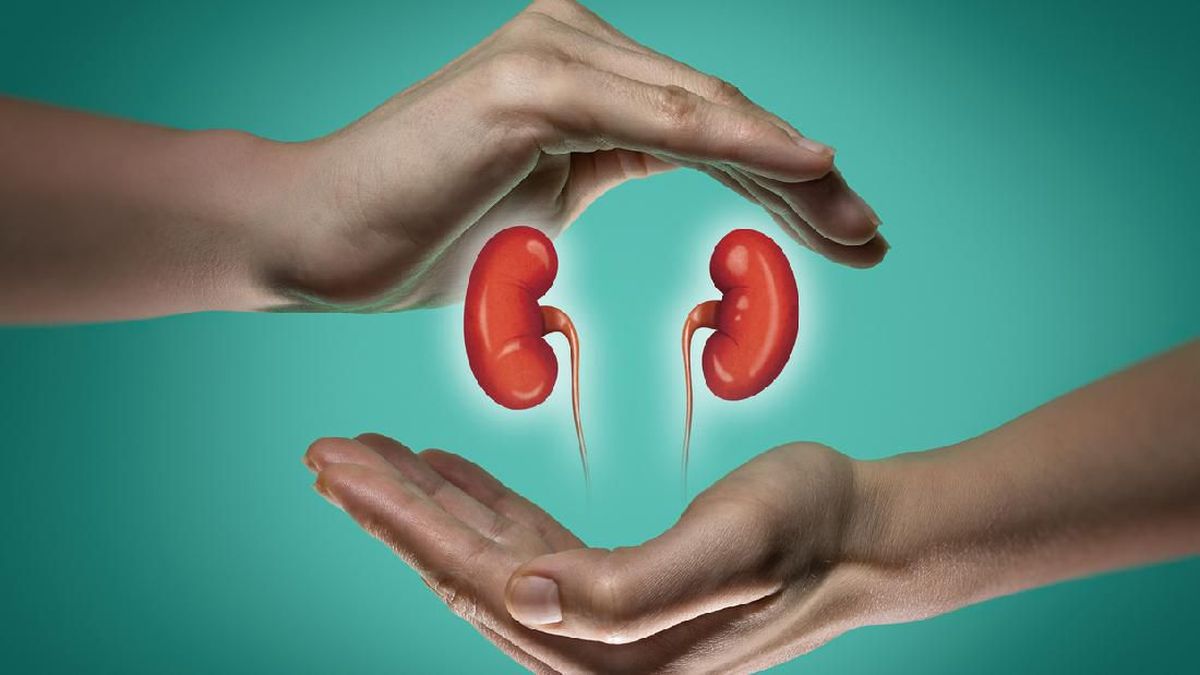
Dr. Hilman Hadiansyah, a specialist in urology, emphasizes that the specific changes observed in urine are highly dependent on the nature of the underlying kidney disorder. He elaborated on distinct urine characteristics associated with common kidney conditions:
Acute Kidney Failure: A Drastic Reduction in Urine Output
Individuals experiencing acute kidney failure typically exhibit a pronounced decrease in urine volume compared to healthy individuals. Beyond the diminished quantity, the urine often appears cloudy and lacks its usual clarity. This anuria (complete absence of urine) or oliguria (significantly reduced urine output) is a critical indicator of the kidneys’ inability to effectively filter waste products from the blood.
Kidney Stones: Blood, Sediment, and Strong Odors
In contrast to the symptoms of acute kidney failure, kidney stones often present with a different set of urine-related markers:
- Hematuria: This refers to the presence of blood in the urine, which can range from microscopic traces detectable only through laboratory analysis to visible blood clots. Hematuria occurs when the sharp edges of kidney stones irritate or damage the delicate lining of the urinary tract.
- Passing Stone Debris: Patients may notice the passage of small grains of sand or tiny stone fragments during urination. This indicates that stones are breaking down or moving through the ureters, the tubes connecting the kidneys to the bladder.
- Pungent Aroma: If an infection develops as a complication of kidney stones, the urine can emit a particularly strong and unpleasant odor. Infections in the urinary tract can alter the chemical composition of urine, leading to a foul smell.
These urine abnormalities associated with kidney stones are frequently accompanied by other distressing symptoms. These can include persistent pain in the flank or lower back, discomfort in the side of the abdomen, and severe, episodic pain known as renal colic. Renal colic occurs when a stone becomes lodged and obstructs the flow of urine, causing intense cramping and agony.
The Broader Implications of Kidney Health
The kidneys, often unseen and unheralded, are indispensable to life. They perform a multitude of critical functions, including filtering waste products and excess fluid from the blood, regulating blood pressure, maintaining electrolyte balance, and producing hormones that stimulate red blood cell production and support bone health. When these vital organs falter, the consequences are far-reaching and can impact nearly every bodily system.
The rise in pediatric AKI cases serves as a stark reminder of the vulnerability of these organs, especially in younger populations whose bodies are still developing. This situation necessitates a multi-pronged approach involving public health awareness campaigns, enhanced diagnostic capabilities in healthcare facilities, and robust research into the causes and effective treatments for kidney diseases in children.
Beyond AKI, chronic kidney disease (CKD) is a growing global health concern. It is often a silent condition, progressing gradually over years with few noticeable symptoms in its early stages. By the time symptoms become apparent, significant and often irreversible kidney damage may have already occurred. Factors such as diabetes, high blood pressure, heart disease, and a family history of kidney disease are major risk factors for CKD.
Proactive Measures and Future Outlook
The emphasis on early detection through urine analysis, as highlighted by Dr. Djoerban and Dr. Hadiansyah, is crucial. Encouraging routine health check-ups that include urinalysis can help identify kidney issues before they escalate into severe conditions. For individuals with known risk factors for kidney disease, more frequent monitoring is essential.
Furthermore, promoting healthy lifestyle choices is fundamental to kidney health. This includes maintaining a balanced diet low in sodium and processed foods, staying adequately hydrated, managing blood sugar and blood pressure levels, avoiding excessive use of non-steroidal anti-inflammatory drugs (NSAIDs), and refraining from smoking.
The Indonesian health authorities have been actively responding to the AKI crisis. In late 2022, the Ministry of Health implemented measures such as temporarily halting the use of certain syrup-based medications suspected of containing harmful ethylene glycol and propylene glycol, which were linked to the AKI cases. This underscores the interconnectedness of public health policy, pharmaceutical regulation, and medical diagnostics in safeguarding the population’s well-being.
Looking ahead, continued investment in medical research, improved public health education, and accessible healthcare services are vital to combatting the growing burden of kidney diseases. By fostering a greater understanding of kidney health and empowering individuals with the knowledge to recognize early warning signs, a collective effort can be made to protect this vital organ system and improve overall public health outcomes. The seemingly simple act of observing one’s urine can, in fact, be a powerful step towards preserving long-term health and well-being.