Tyo Susilo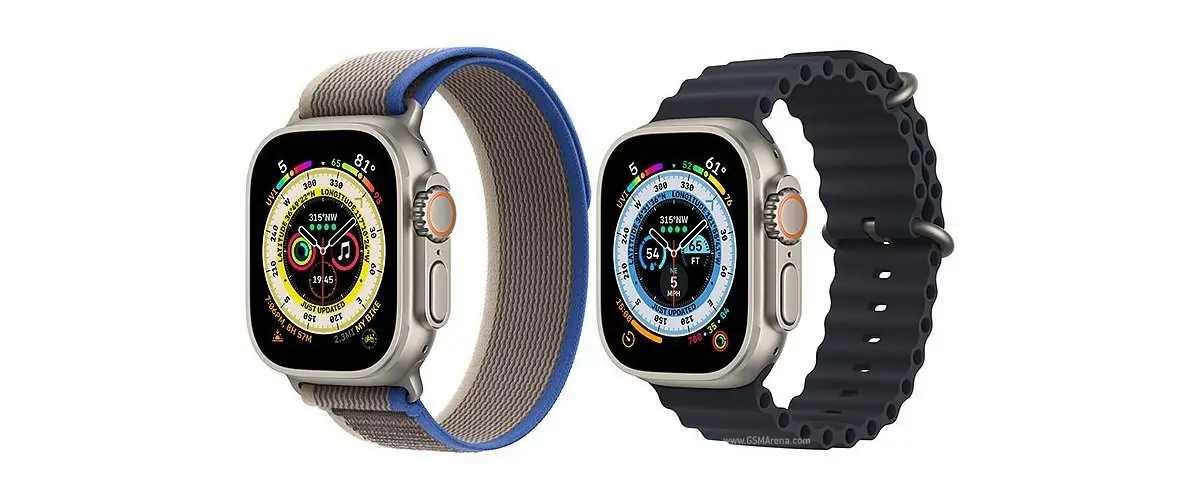
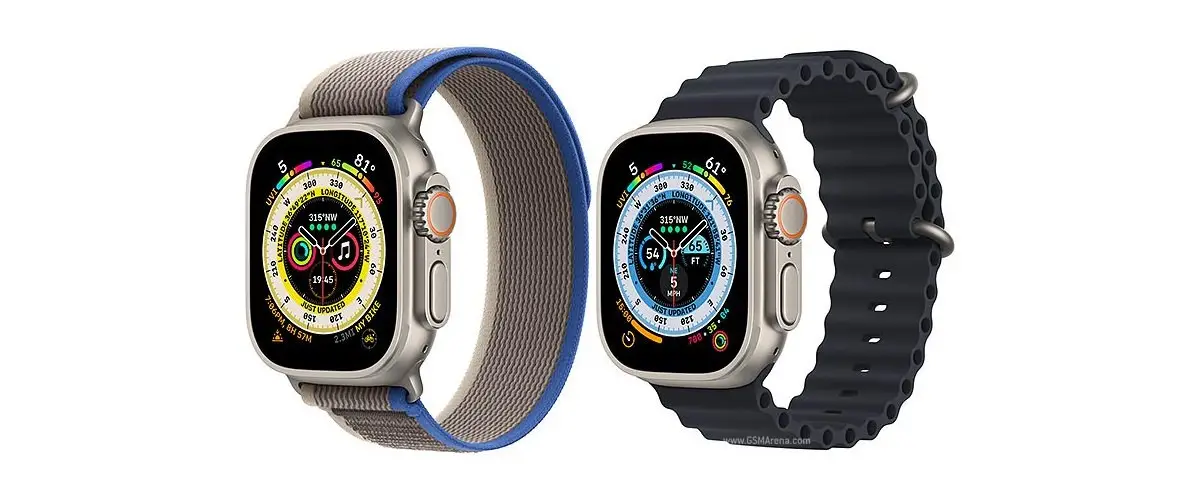
Apple’s latest operating system update for the Apple Watch, watchOS 27, introduces a suite of groundbreaking features, including enhanced AI capabilities powered by Siri and sophisticated new gesture controls. However, this significant advancement comes with a considerable caveat: a substantial number of popular Apple Watch models will be excluded from receiving the update. Specifically, users of the Apple Watch Series 6, Series 7, Series 8, the second-generation Apple Watch SE, and the first-generation Apple Watch Ultra will find themselves unable to install watchOS 27. Apple has cited the demanding processing power required by these cutting-edge features as the primary reason for this limitation, marking one of the most extensive software support cutoffs in the history of the Apple Watch line.
The decision to exclude several generations of devices from a major software release is a notable departure for Apple, a company often praised for its extended software support for its product ecosystem. This move underscores Apple’s commitment to delivering an optimal user experience, even if it means drawing a line on hardware compatibility.
The Rationale Behind the Exclusion: Prioritizing Performance and User Experience
Cait Dooley, Apple Watch and Health Product Marketing Manager, elaborated on the company’s strategic approach. "At Apple, we consistently prioritize delivering the best possible experience with every software update," Dooley stated. "This commitment means we must ensure that our new features can operate with optimal performance and computational capability. Therefore, we are prioritizing hardware that can fully leverage these advancements." This philosophy appears to be the driving force behind the decision to limit watchOS 27’s availability.
This represents the largest software update cut in the Apple Watch’s history, as the company is ceasing support for multiple device generations simultaneously. Historically, Apple has been diligent in extending software support, often providing updates for five or more years for its iPhone and iPad lines. The Apple Watch, being a more hardware-dependent device with a miniaturized form factor, has seen slightly shorter support cycles, but watchOS 27’s cutoff is particularly impactful, affecting devices that are only a few years old. For instance, the Apple Watch Series 6, released in 2020, is now being deemed insufficient for the latest software innovations.
Apple Intelligence Takes Center Stage in watchOS 27
A core tenet of watchOS 27 is the deeper integration and expansion of Apple Intelligence, bringing more sophisticated AI capabilities directly to the Apple Watch through a significantly enhanced Siri. The objective is to provide a seamless and consistent experience across the Apple ecosystem, allowing users to transition tasks fluidly between their Apple Watch and iPhone. This interoperability is a key focus, aiming to make the Apple Watch an even more indispensable companion device.
An illustrative example of this enhanced functionality is the ability to use Siri on the Apple Watch to create a shopping list of recipe ingredients while one is out and about. This list can then be seamlessly accessed and managed on the user’s iPhone later, demonstrating a practical application of context-aware AI that bridges devices. Such features are designed to streamline daily tasks and provide proactive assistance, moving Siri beyond simple voice commands to a more intelligent personal assistant.
Impact on Affected Users and Future Implications
Despite not receiving watchOS 27, Apple assures users that their older Apple Watch models will continue to function as before. These devices will still be compatible with iPhones running the latest software and will continue to receive crucial security updates, ensuring their ongoing usability and safety. This is a critical point for many users who have invested in these devices and may not be in a position to upgrade immediately.
However, the exclusion means these users will miss out on the advanced AI features, the new gesture controls, and potentially other performance enhancements that watchOS 27 offers. This raises questions about the lifespan of wearable technology and the increasing pace at which hardware capabilities need to advance to keep pace with software innovation, particularly in the realm of artificial intelligence.
The Shifting Landscape of Wearable Technology and AI Integration
The decision by Apple to limit watchOS 27 to newer hardware is emblematic of a broader trend in the technology industry. As artificial intelligence and machine learning capabilities become more sophisticated, they require increasingly powerful processors and more advanced hardware components. For wearables, like the Apple Watch, this presents a unique challenge due to their compact design and power constraints.
Historically, advancements in wearable technology have often focused on incremental improvements in battery life, display technology, and sensor accuracy. However, the current wave of AI integration demands a significant leap in processing power and memory. This necessitates that manufacturers re-evaluate hardware requirements for their software updates.
The implications of this shift are multifaceted. For consumers, it means a potential acceleration in the upgrade cycle for smartwatches. Those who wish to remain at the forefront of technological innovation, particularly in AI-driven features, may need to replace their devices more frequently than anticipated. This could also lead to a more pronounced digital divide, where users with older, less capable hardware are gradually excluded from the latest software experiences.
From a developer’s perspective, this presents an opportunity to create more complex and feature-rich applications that leverage the power of newer devices. However, it also means a need to consider legacy support for users who remain on older software versions, potentially leading to fragmented development efforts.
Analysis: A Necessary Evolution or a Business Strategy?
Apple’s justification for the watchOS 27 cutoff centers on providing an optimal user experience. This is a valid concern, as releasing features that perform poorly or are unstable on older hardware can damage brand reputation and lead to user dissatisfaction. The processing demands of advanced AI, such as on-device natural language processing for Siri and complex gesture recognition algorithms, are indeed significant.
However, the extent of the cutoff, impacting models as recent as the Series 8 and the first-generation Ultra, has raised eyebrows. Some industry analysts suggest that this move might also be a strategic decision to encourage upgrades to newer Apple Watch models, thereby boosting sales. Given the maturity of the smartwatch market, manufacturers are constantly looking for ways to stimulate demand, and limiting software features to newer hardware is a well-established method.
The question of whether this limitation is a "natural" evolution of technology or a calculated business strategy is complex. It is likely a combination of both. The technical demands of AI are real and growing. Simultaneously, companies like Apple operate within a competitive market and are driven by financial performance.
The Future of Wearable Software Support
The watchOS 27 situation sets a precedent for future software updates in the wearable sector. It suggests that the era of receiving major software overhauls for devices that are several years old might be drawing to a close, at least for features that are heavily reliant on advanced processing.
Users will need to become more attuned to the hardware specifications of their wearable devices when making purchasing decisions, understanding that software support longevity might be tied more closely to the device’s computational power than in the past.
For Apple, the challenge will be to balance innovation with accessibility. While pushing the boundaries of AI and performance is crucial for maintaining its market leadership, alienating a significant portion of its existing user base could have long-term consequences. The company’s continued provision of security updates for older models is a positive step, but the gap in feature sets will widen over time.
As the technology continues to evolve at a rapid pace, the dialogue around hardware obsolescence and software support will undoubtedly intensify. The watchOS 27 decision is a significant marker in this ongoing conversation, highlighting the ever-present tension between technological advancement and the practical realities of consumer electronics. The coming years will reveal how Apple and other wearable manufacturers navigate this complex terrain.