Tyo Susilo
In a significant reversal of a previous decision, Advanced Micro Devices (AMD) has announced that it will reintroduce the Transparent Secure Memory Encryption (TSME) feature to its consumer-grade Ryzen 9000 series processors. This move comes as a direct response to substantial feedback received from the PC hardware community and cybersecurity professionals. The company plans to roll out the functionality via a BIOS update scheduled for release in July. This development marks a notable shift after AMD had initially removed TSME from its mainstream consumer offerings, restricting its availability to the more professionally oriented AMD PRO CPU lineup.
Background: The Importance of Transparent Secure Memory Encryption (TSME)
Transparent Secure Memory Encryption (TSME) is a sophisticated firmware-based security feature designed to bolster the protection of sensitive data residing in a computer’s Random Access Memory (RAM). Unlike software-based encryption solutions that often require active user intervention or operating system support, TSME operates transparently in the background. It automatically encrypts and decrypts the entire contents of system RAM without demanding any additional configuration or performance overhead from the user or the operating system.
The primary objective of TSME is to safeguard against sophisticated physical security threats. One of the most critical threats it addresses is the "cold boot attack." This type of attack involves physically accessing a powered-off or hibernating computer and quickly extracting the contents of its RAM before the data dissipates. Attackers can then analyze this extracted memory dump to uncover sensitive information such as encryption keys, passwords, and other confidential data that might have been present in memory. By encrypting the RAM, TSME renders any data physically extracted from the memory modules unintelligible to unauthorized parties, effectively neutralizing the threat of cold boot attacks.
Historically, AMD had integrated TSME across a broad spectrum of its processor families, including its mainstream Ryzen processors, the business-focused Ryzen PRO, the high-end Threadripper, and the server-grade EPYC lines. This widespread implementation underscored AMD’s commitment to providing robust security features at various market segments.
The Unforeseen Removal and Community Uproar
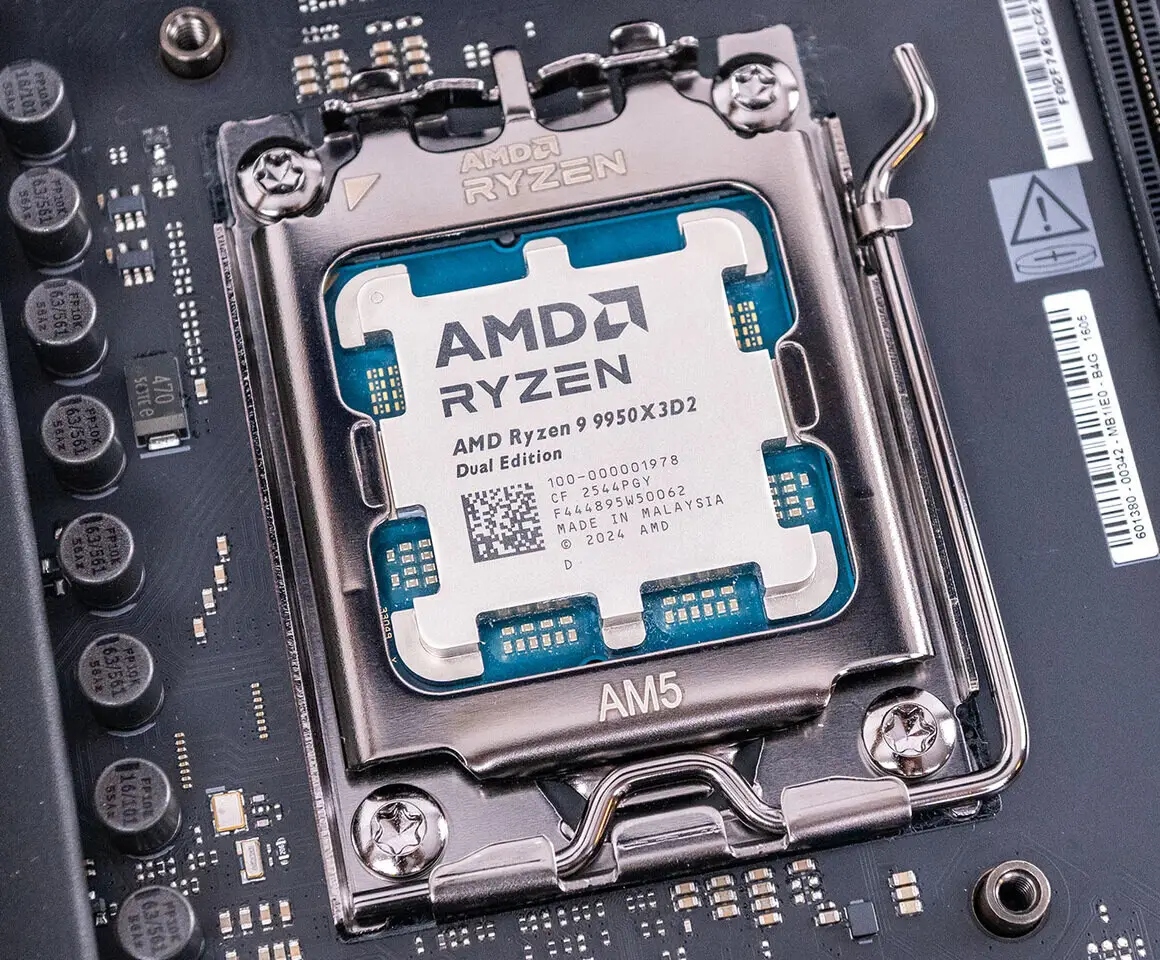
The apparent removal of TSME from the consumer Ryzen lineup first came to light when early testers and hardware enthusiasts began scrutinizing the new Ryzen 9000 series processors, which are based on the latest Zen 5 architecture. Specifically, reports emerged following tests conducted on the Ryzen 7 9700X, indicating that the TSME feature was no longer enabled or accessible on this consumer-focused CPU.
Further investigation by technology publications and independent researchers revealed that this change was not an isolated incident but rather a systematic shift implemented through AGESA (AMD Generic Encapsulated Software Architecture) updates. AGESA is a crucial firmware component that initializes and manages the hardware of AMD processors. It became apparent that recent AGESA updates were gradually disabling TSME support for the consumer Ryzen processors.
This gradual and largely unannounced removal of a significant security feature quickly ignited concerns within the tech community. Cybersecurity professionals and privacy advocates voiced apprehension, arguing that the move was a step backward for user data protection in an era of increasing digital threats. The lack of transparent communication from AMD regarding this decision further fueled the disquiet. Many felt that a feature previously considered a standard security benefit for a wide range of users was being silently withdrawn without adequate explanation or public discourse.
Chronology of Events:
- Pre-Ryzen 9000 Era: TSME is widely available across AMD’s consumer and professional CPU lines, including Ryzen, Ryzen PRO, Threadripper, and EPYC processors.
- Ryzen 9000 Launch & Initial Testing: Users and reviewers begin testing early units of the Ryzen 9000 series CPUs.
- Discovery of TSME Absence: It is discovered that TSME is not enabled on consumer Ryzen 9000 processors, such as the Ryzen 7 9700X.
- Further Investigation: Technical analysis suggests that AGESA updates are responsible for disabling TSME on consumer SKUs.
- Community and Professional Reaction: Widespread concern and criticism arise from the PC hardware community and cybersecurity experts due to the unannounced removal of a security feature.
- AMD’s Initial Stance: AMD initially states that TSME is now part of the AMD PRO Technologies suite, intended for professional CPUs.
- Community Feedback and Reversal: Following significant community feedback, AMD re-evaluates its decision.
- Announcement of TSME Reinstatement: AMD announces that TSME will be brought back to the Ryzen 9000 series via a July BIOS update.
AMD’s Initial Justification and Subsequent Reconsideration
In the wake of the discovery and the ensuing community backlash, AMD initially offered an explanation for the change. The company stated that TSME had been reclassified as a feature exclusively within the AMD PRO Technologies portfolio. This implied that the feature was being reserved for AMD’s professional-grade CPUs, which are typically aimed at enterprise and business environments where enhanced security is often a primary concern and a selling point. The rationale might have been to differentiate the higher-tier PRO processors or to streamline the feature set for consumer products, potentially to manage costs or complexity.
However, this justification did not fully appease the concerned parties. Many argued that security should not be a tiered offering, especially for a feature that protects against fundamental physical threats. The broad applicability of cold boot attacks meant that consumers, not just professionals, were vulnerable. The lack of proactive communication also drew criticism, as such changes in security features often warrant transparency to allow users to make informed decisions about their hardware.

The sustained and vocal feedback from a wide array of users, including tech enthusiasts, journalists, and cybersecurity professionals, clearly demonstrated the value the community placed on TSME. This persistent pressure appears to have prompted AMD to reconsider its strategy. The company’s subsequent announcement to reinstate TSME for the Ryzen 9000 series through a BIOS update signifies a strong responsiveness to community input.
The Implications of TSME’s Return
The reinstatement of TSME on the Ryzen 9000 consumer CPUs carries several important implications:
- Enhanced Consumer Security: The most direct impact is the improved security posture for users of Ryzen 9000 processors. They will once again benefit from hardware-level protection against cold boot attacks and other physical memory snooping techniques. This is particularly relevant for individuals who handle sensitive data on their personal computers, such as financial information, intellectual property, or personal communications.
- Community Influence on Product Development: This situation highlights the growing influence of online communities and tech media on hardware manufacturers. The ability of users to voice concerns and collectively advocate for features can directly impact product roadmaps and design decisions. This trend could encourage more open dialogue between companies and their customer base in the future.
- Industry Security Standards: The debate surrounding TSME also raises questions about baseline security expectations for consumer hardware. As computing threats evolve, the pressure mounts for manufacturers to integrate robust security features as standard, rather than optional, components. The return of TSME could set a precedent for other manufacturers to re-evaluate their own security offerings.
- AMD’s Reputation and Customer Trust: AMD’s decision to reverse course and listen to its community can be seen as a positive step in building and maintaining customer trust. While the initial removal caused concern, the responsive action to reinstate the feature demonstrates a willingness to adapt and prioritize user feedback, which can ultimately strengthen brand loyalty.
- The Role of BIOS Updates: The reliance on BIOS updates to enable core functionalities like TSME underscores the critical role of firmware in modern computing. It also highlights the ongoing need for timely and reliable BIOS updates from motherboard manufacturers to ensure users can access all advertised features and security enhancements.
Looking Ahead: Security as a Standard Feature
The incident with TSME on AMD’s Ryzen 9000 series serves as a valuable case study in the evolving landscape of consumer electronics security. As the digital world becomes increasingly interconnected and sophisticated threats proliferate, the demand for integrated, transparent, and robust security measures grows. The question of whether firmware-level security features like TSME should become a standard offering on all consumer CPUs is one that the industry will likely grapple with more frequently.
While the exact performance impact of TSME on everyday computing tasks is generally negligible, its absence represents a tangible security gap. The enthusiastic reception of its return suggests that a significant portion of the consumer market values such protective measures, even if they are not always actively managed. AMD’s response indicates an understanding of this sentiment, positioning the company as a more responsive and user-centric entity in the competitive CPU market. The July BIOS update will be eagerly awaited by Ryzen 9000 owners looking to bolster their system’s defenses against increasingly sophisticated physical intrusion methods.