Azin Asro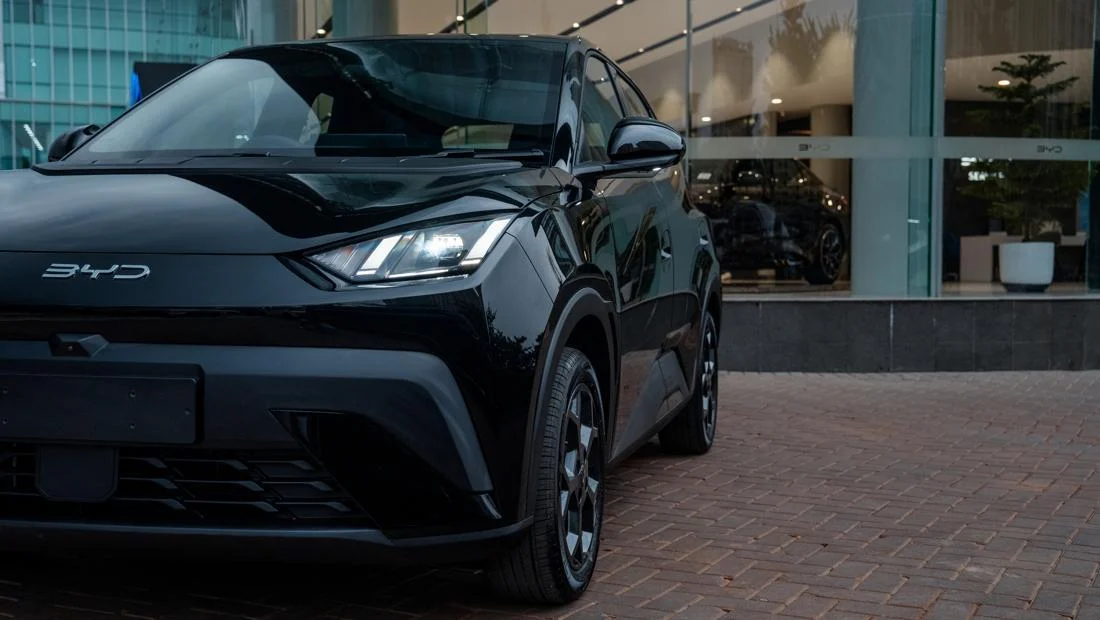
The Indonesian automotive landscape witnessed a significant milestone on Friday, May 15, 2026, as PT BYD Motor Indonesia officially pulled the silk off its latest offering, the BYD Atto 1. In a strategic move aimed at democratizing electric vehicle (EV) ownership across the archipelago, the company introduced a refreshed lineup of its compact crossover, headlined by a new entry-level variant priced at a highly competitive IDR 199 million. This announcement, made during a press event in Jakarta, signals a bold attempt by the Chinese EV giant to capture the "under IDR 200 million" segment, which has traditionally been dominated by internal combustion engine (ICE) city cars and Low Cost Green Cars (LCGC).
The BYD Atto 1 arrives in three distinct flavors: the Premium, the Dynamic, and the newly minted STD (Standard) variant. While the higher trims cater to tech enthusiasts and those seeking longer range and luxury, the STD variant is designed specifically for the budget-conscious consumer looking to make the transition from fossil fuels to electric power without the prohibitive "EV premium" price tag. By pricing the Atto 1 STD at IDR 199 million, BYD has effectively positioned itself as a direct competitor to both sub-compact hatchbacks and entry-level EVs from other regional manufacturers.
A Closer Look at the BYD Atto 1 STD Variant
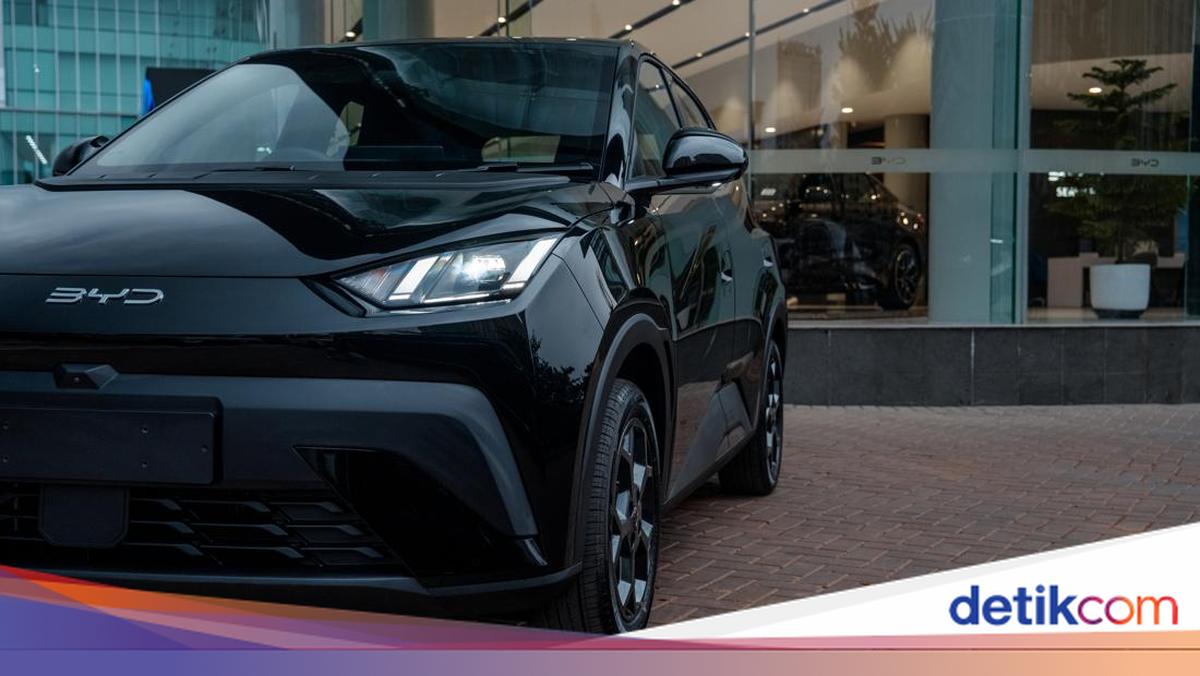
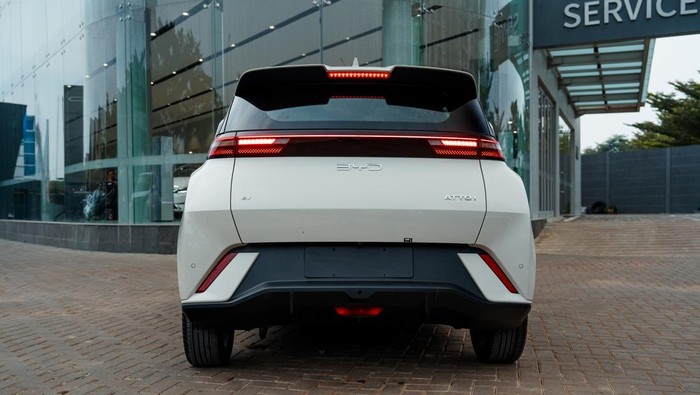
Despite its positioning as the most affordable model in the lineup, the Atto 1 STD does not compromise on the core essentials that modern Indonesian drivers demand. The vehicle maintains the sleek, aerodynamic profile characteristic of BYD’s "Ocean Aesthetics" or "Dragon Face" design philosophies, albeit with some cost-effective adjustments. The exterior is available in a vibrant palette including Sprout Green, Apricity White, and Cosmos Black. These colors are intended to appeal to a younger demographic—Gen Z and Millennials—who are increasingly prioritizing sustainability alongside personal style.
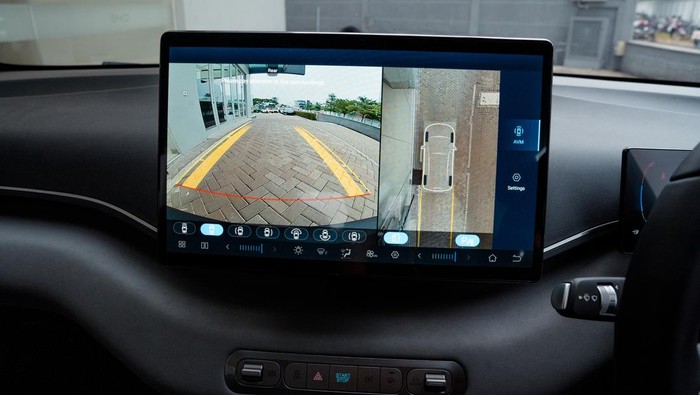
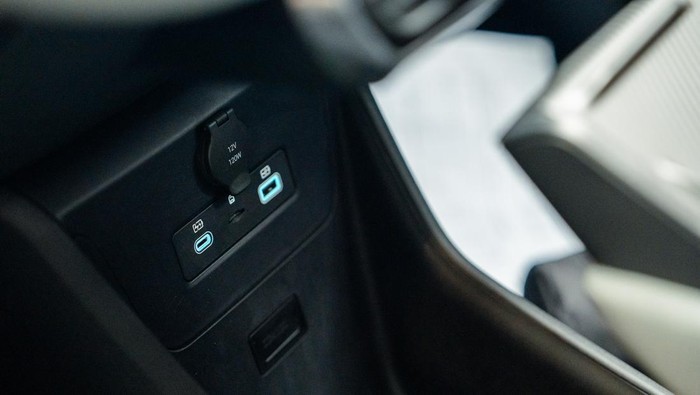
Inside, the Atto 1 STD features a sophisticated Black and Grey dual-tone interior. The cabin is anchored by a 10.1-inch rotating infotainment touchscreen, a signature BYD feature that provides a high-tech feel even in the base model. To ensure practicality for daily urban commuting, BYD has equipped the STD variant with a rearview camera for easier parking in tight Jakarta spaces and a steering wheel with tilt adjustment to accommodate various driver heights. One of the most notable updates across the new range is the redesigned center console, which offers improved ergonomics and storage solutions for smartphones and personal items.
Strategic Pricing and Market Context
The IDR 199 million price point is a psychological and economic barrier that few electric vehicle manufacturers have managed to breach with a full-sized compact car. Previously, EVs in this price bracket were often restricted to "micro-cars" with limited seating or range. The Atto 1, however, offers a more traditional automotive footprint, providing better safety ratings and more interior room than the micro-EVs that currently populate the market.
Industry analysts suggest that BYD’s aggressive pricing is a result of their vertically integrated supply chain and the increasing localization of parts in Southeast Asia. As of 2026, Indonesia has seen a massive influx of investment in the nickel processing and battery manufacturing sectors. BYD’s ability to leverage these local resources, combined with government incentives for EVs that meet specific local content requirements (TKDN), has allowed the company to slash prices while maintaining a sustainable profit margin.
The Technological Backbone: Blade Battery and e-Platform 3.0
Central to the appeal of the Atto 1 is BYD’s proprietary Blade Battery technology. Unlike traditional lithium-ion batteries, the Blade Battery utilizes Lithium Iron Phosphate (LFP) chemistry, which is renowned for its safety and longevity. During the launch, BYD representatives emphasized that the Atto 1 is built on the e-Platform 3.0, a dedicated EV architecture that optimizes space, safety, and performance.
The e-Platform 3.0 allows for a flat floor, which significantly enhances rear-seat legroom—a crucial factor for Indonesian families. Furthermore, the platform integrates the battery into the chassis, improving structural rigidity and crash safety. While the specific battery capacity for the STD variant is optimized for urban range, it still supports fast charging, allowing drivers to replenish the battery from 30% to 80% in approximately 30 minutes at compatible DC charging stations.
Chronology of BYD’s Expansion in Indonesia
The launch of the Atto 1 in May 2026 is the culmination of a multi-year expansion strategy by PT BYD Motor Indonesia. To understand the significance of this event, one must look at the timeline of the brand’s journey in the country:
- Early 2024: BYD officially enters the Indonesian passenger car market with the simultaneous launch of the Seal, Atto 3, and Dolphin. These models established BYD as a premium-to-mid-range EV player.
- Late 2024: The company announces plans for a massive manufacturing hub in Indonesia, aiming to make the country its production base for Right-Hand Drive (RHD) markets in the ASEAN region and Australia.
- 2025: BYD expands its dealership network to over 50 locations across Java, Sumatra, and Bali, focusing on after-sales service and the installation of proprietary charging networks.
- Early 2026: Pre-production of the Atto 1 begins at the local facility, significantly increasing the local content (TKDN) and qualifying the vehicle for maximum government tax breaks.
- May 15, 2026: The official release of the Atto 1 STD at IDR 199 million, marking the brand’s first major foray into the high-volume entry-level market.
Official Responses and Industry Impact
During the unveiling ceremony, a spokesperson for PT BYD Motor Indonesia stated, "Our mission has always been to provide sustainable mobility for everyone. With the Atto 1, we are not just selling a car; we are providing an accessible entry point into the future of transportation. We believe that by offering a high-quality electric vehicle at the IDR 199 million mark, we are removing the final barrier for millions of Indonesians who want to switch to green energy."
Government officials from the Ministry of Industry also lauded the move, noting that the introduction of affordable EVs is vital for Indonesia to meet its ambitious Net Zero Emission targets by 2060. The ministry highlighted that the growth of the EV sector is expected to reduce the national burden of fuel subsidies, which have historically weighed heavily on the state budget.
Automotive experts predict that the Atto 1 will force other manufacturers to reassess their pricing strategies. "BYD has set a cat among the pigeons," said one industry observer. "Traditional manufacturers who have relied on the IDR 150 million to IDR 250 million ICE segment will now have to compete with an electric car that offers lower running costs, modern technology, and a premium brand image."
Infrastructure and After-Sales Support
A common concern for first-time EV buyers in Indonesia remains the availability of charging infrastructure. To address this, BYD announced alongside the Atto 1 launch that they are partnering with state electricity company PLN and various private entities to double the number of "BYD-certified" charging points by the end of 2026.
Furthermore, the Atto 1 comes with a comprehensive warranty package, including an 8-year or 160,000 km warranty for the traction battery. This move is designed to instill confidence in consumers regarding the long-term reliability of LFP battery technology. The company also confirmed that spare parts for the Atto 1 will be readily available through their expanding national distribution network, mitigating fears of long wait times for repairs.
Broader Implications for the Indonesian Economy
The launch of the Atto 1 at this price point is expected to have a ripple effect across several sectors. Firstly, the increased adoption of EVs will likely accelerate the development of the domestic battery supply chain. As more consumers purchase cars like the Atto 1, the demand for locally produced battery cells will rise, further justifying the massive investments made in North Kalimantan and Central Sulawesi.
Secondly, the shift toward electric mobility is expected to improve air quality in major urban centers like Jakarta, Surabaya, and Bandung. With transportation being a primary source of PM2.5 pollutants, a mass-market shift to EVs could lead to significant public health benefits and reduced healthcare costs over the next decade.
Finally, the Atto 1 represents a shift in consumer behavior. For decades, the Indonesian market has been dominated by Japanese multi-purpose vehicles (MPVs). The success of a compact EV crossover like the Atto 1 would indicate a maturing market where consumers are willing to prioritize efficiency, technology, and environmental impact over traditional seating capacity.
Conclusion
The release of the BYD Atto 1, particularly the IDR 199 million STD variant, marks a transformative moment for the Indonesian automotive industry. By combining a disruptive price point with advanced battery technology and a stylish design, BYD has positioned itself to lead the next wave of motorization in Southeast Asia’s largest economy. As the first units begin to roll out to dealerships this month, the eyes of the industry will be on the Indonesian consumer to see how quickly they embrace this new era of affordable, electrified transport. The Atto 1 is not just a new model; it is a statement of intent that the electric revolution is no longer a luxury—it is now within reach of the many.