Tyo Susilo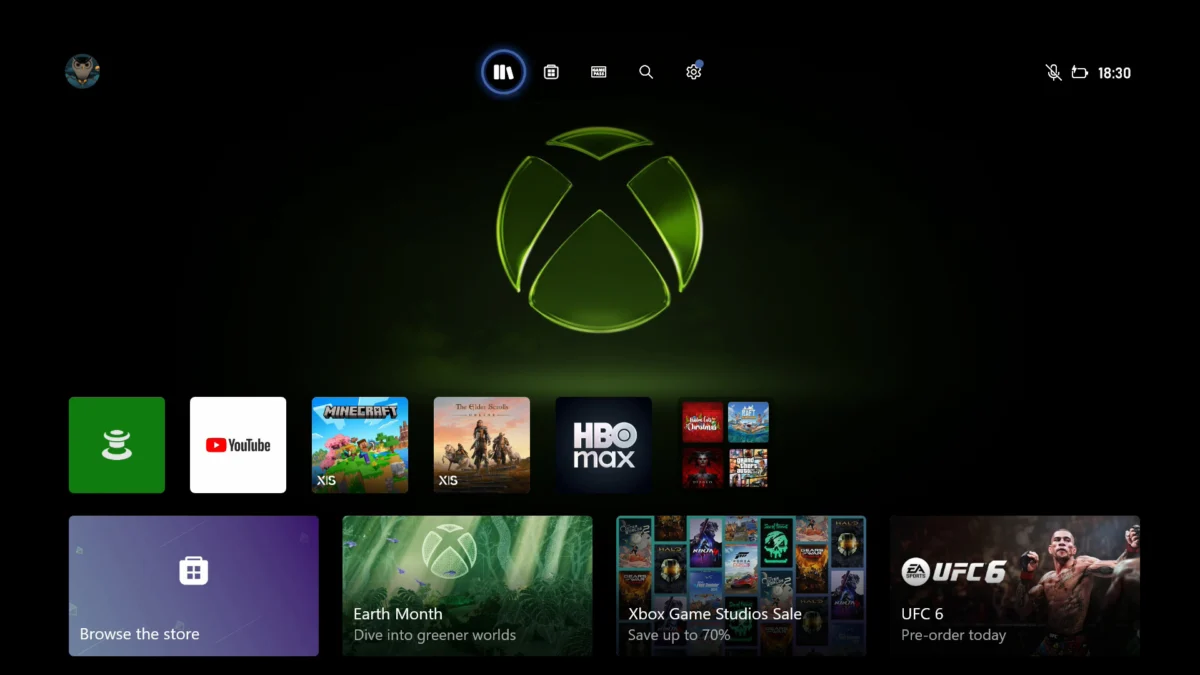
Xbox is embarking on a significant visual overhaul, commencing the rollout of a new console identity across its platform. This rebranding initiative, spearheaded by Xbox CEO Asha Sharma, marks a pivotal moment in the company’s renewed push to solidify its position in the highly competitive console gaming market. The new visual elements are being integrated into various system interface components, including dynamic backgrounds, profile backgrounds, and gamer pictures, signaling a more unified and focused brand presence.
This strategic shift comes at a time of considerable activity and investment from Xbox. In recent months, the company has made several high-profile moves aimed at enhancing its appeal and market share. Notably, Xbox has implemented a price reduction for its Game Pass Ultimate subscription service, making it more accessible to a wider audience. This move is widely seen as an effort to boost subscriber numbers and increase the perceived value of Microsoft’s gaming ecosystem. Furthermore, Xbox has confirmed "Project Helix" as its primary next-generation console, indicating a clear direction for future hardware development and setting expectations for innovation in the coming years. There are also ongoing discussions and considerations regarding the potential return of exclusive titles, a strategy that could significantly bolster the console’s competitiveness against rivals.
The introduction of the new logo and visual identity, as revealed through a tweet from Xbox leadership, is a tangible manifestation of this broader rebranding strategy. This visual update is not merely cosmetic; it represents a deliberate effort to consolidate Xbox’s brand messaging and reinforce its identity as a distinct entity within the gaming landscape. The consistent application of these new visual elements across the console’s user interface aims to create a cohesive and recognizable experience for players, underscoring the company’s commitment to a singular, powerful console brand.
A Deeper Dive into the Rebranding Initiative
While the visual changes might appear superficial at first glance, they carry substantial weight in the context of brand strategy. A rebrand of this magnitude signifies more than just an aesthetic update; it communicates a new direction and a renewed focus for Xbox as a core gaming brand under Microsoft. This initiative appears to be a direct response to evolving market dynamics and a desire to carve out a more defined niche in the gaming industry.
The timing of this rebrand also coincides with a strategic move by Asha Sharma to increasingly delineate the Xbox console from the broader "Microsoft Gaming" umbrella. This separation is a clear indication of an effort to cultivate a stronger, more independent identity for the Xbox console itself. By concentrating on a singular console identity, Xbox aims to streamline its marketing efforts and build a more direct connection with its player base, fostering loyalty and brand recognition.
Chronology of Recent Xbox Strategic Shifts
The current rebranding efforts are not isolated events but rather part of a series of calculated moves by Xbox leadership over the past year. Understanding this timeline provides crucial context for the significance of the new visual identity:
- Early 2026 (Inferred): Initial discussions and strategic planning for a more aggressive market push, including potential price adjustments and future hardware development.
- Spring 2026: The announcement and subsequent implementation of price reductions for Game Pass Ultimate, aimed at increasing accessibility and user acquisition.
- Late Spring 2026: Confirmation of "Project Helix" as the next-generation console, providing a clear roadmap for future hardware innovation.
- Early Summer 2026: Emerging reports and considerations regarding the potential reintroduction of exclusive titles to enhance console competitiveness.
- Mid-Summer 2026: The official unveiling and initial rollout of the new Xbox console visual identity and logo across the platform. This includes integration into the user interface, dynamic backgrounds, profile elements, and gamer pictures.
This timeline illustrates a deliberate and multi-faceted approach to revitalizing the Xbox brand. Each step appears to be meticulously planned to support a larger objective: to re-establish Xbox as a dominant force in the console gaming arena.
Supporting Data and Market Context
The global video game market is a colossal and ever-expanding industry. According to recent industry reports, the market is projected to generate over $300 billion in revenue by 2027. Within this vast landscape, console gaming remains a significant segment, albeit one with intense competition. Sony’s PlayStation and Nintendo’s Switch have historically held strong positions, while Xbox has consistently worked to carve out its unique value proposition.
Microsoft’s acquisition of Activision Blizzard in early 2024 for a reported $68.7 billion was a landmark event, significantly expanding its gaming portfolio and intellectual property. This acquisition, while primarily focused on content, also underscored Microsoft’s long-term commitment to the gaming sector. The current rebranding efforts can be seen as a complementary strategy to leverage this expanded content library and present a more unified and appealing gaming ecosystem to consumers.
The shift in strategy towards a more console-centric identity also comes at a time when the lines between platforms are increasingly blurred. With the rise of cloud gaming and cross-platform play, traditional console loyalties are being challenged. Xbox’s renewed focus on its console identity may be an attempt to reinforce the unique advantages and experiences that a dedicated console platform offers, such as optimized performance and curated gaming environments.
Official Statements and Reactions
While the primary source of information regarding the new logo and visual identity comes from Xbox CEO Asha Sharma’s social media presence, the broader implications have been met with considerable interest from industry analysts and gaming publications. The decision to implement a new visual identity is a clear signal of a strategic pivot.

Analysts have noted that such rebranding efforts are often aimed at achieving several key objectives:
- Modernization: Updating the visual identity to align with current design trends and appeal to a younger demographic.
- Differentiation: Creating a distinct visual language that sets Xbox apart from its competitors.
- Consolidation: Unifying various Xbox initiatives under a single, strong brand umbrella.
- Perception Management: Shifting public perception and re-energizing brand enthusiasm.
The move to separate the console branding from "Microsoft Gaming" is particularly noteworthy. This suggests a desire to position Xbox as a distinct consumer-facing product, rather than solely as a division within a larger technology corporation. This approach mirrors successful strategies employed by other tech giants that have cultivated powerful standalone brands for their hardware and software offerings.
Broader Impact and Implications
The implications of this rebranding extend beyond mere aesthetics. For players, the new visual identity aims to foster a stronger sense of belonging and a more cohesive user experience. The consistent application of the new branding across system interfaces, from the dashboard to social features, is intended to reinforce the Xbox identity and create a more immersive environment.
From a competitive standpoint, this rebranding is a clear indication that Xbox is not content to rest on its laurels. The aggressive nature of these strategic shifts suggests a proactive approach to capturing market share and challenging the established order. By strengthening its console identity and potentially reintroducing exclusive content, Xbox is signaling its intent to compete more directly with its rivals on all fronts.
The long-term success of this rebranding will depend on several factors, including the reception of the new visual identity by the gaming community, the effectiveness of marketing campaigns that support the new branding, and, crucially, the continued delivery of compelling content and hardware. However, the strategic direction is clear: Xbox is embarking on a significant journey to redefine its brand and reassert its presence in the console gaming wars. This renewed focus on visual identity and brand coherence is a critical step in that ambitious endeavor. The coming months and years will undoubtedly reveal the full impact of this strategic revitalization.