Azin Asro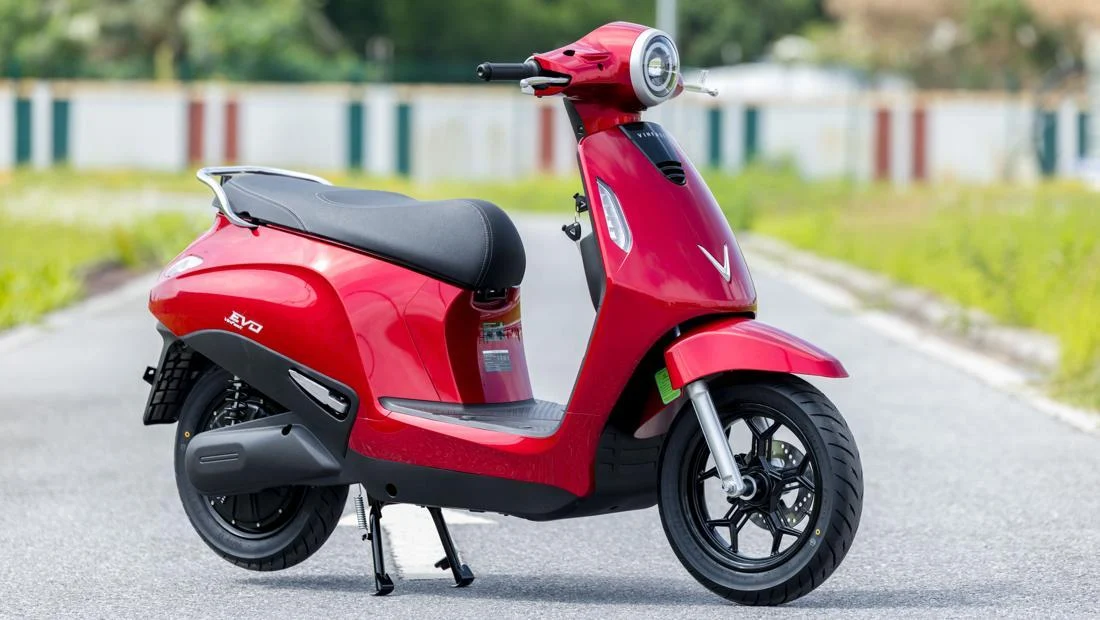
The Indonesian automotive landscape is witnessing a significant shift toward electrification as the Vietnamese electric vehicle powerhouse, VinFast, officially begins sales of its electric motorcycle lineup in the archipelago. Marking a bold entry into the world’s third-largest motorcycle market, VinFast has introduced three distinct models simultaneously, with the VinFast EVO emerging as the flagship offering for the budget-conscious consumer. Positioned as a direct competitor to established internal combustion engine (ICE) scooters like the Honda BeAT, the VinFast EVO represents a strategic move to democratize electric mobility through competitive pricing and a unique battery ownership structure. This launch signifies more than just the arrival of new products; it represents VinFast’s broader ambition to dominate the Southeast Asian EV sector by addressing the primary barriers to adoption: high upfront costs and range anxiety.
The VinFast EVO is currently being offered at a base price of Rp 18.9 million under a battery rental scheme, a pricing strategy designed to lower the initial financial hurdle for Indonesian riders. To further incentivize early adopters, VinFast has announced an aggressive promotional campaign running from May 20 to June 20, 2026. During this period, customers can avail themselves of a discount worth Rp 1.6 million, bringing the effective price of the EVO down to Rp 17.3 million on-the-road (OTR) Jakarta. This promotional price point is particularly notable as it undercuts several variants of the Honda BeAT, which has long been the gold standard for affordable commuting in Indonesia. By pricing an electric alternative below the most popular petrol-powered scooter, VinFast is signaling a direct challenge to the status quo of the Indonesian two-wheeler market.
Strategic Entry and Market Chronology
The rollout of VinFast’s electric motorcycles in Indonesia has followed a calculated timeline. Following its high-profile debut at recent international auto shows in the region, where the company showcased its comprehensive ecosystem of electric cars and scooters, the transition to commercial availability marks a critical milestone. Interested consumers can now place orders through the official VinFast Indonesia website, with a commitment fee set at Rp 1 million. It is important for prospective buyers to note that this booking fee is non-refundable, reflecting the high demand and the company’s structured allocation process.
According to the company’s official roadmap, the first batch of units is scheduled for delivery to Indonesian customers starting in June 2026. This timeline suggests that VinFast has been working behind the scenes to secure local distribution networks and finalize the logistics required for a large-scale launch. The decision to launch three models at once—rather than a staggered release—demonstrates a high level of confidence in the Indonesian market’s readiness for electric transition. While the EVO targets the entry-level segment, the other models in the lineup are expected to cater to mid-range and premium consumers, providing a comprehensive portfolio that mirrors the diversity of the Indonesian riding public.
Technical Specifications and Performance Capabilities
Despite its positioning as an entry-level "budget" electric motorcycle, the VinFast EVO boasts a specification sheet that rivals many mid-tier competitors. The vehicle is powered by an in-wheel Brushless DC (BLDC) motor capable of reaching a maximum output of 5,200W. This powertrain is specifically tuned for the rigors of urban mobility, providing the instant torque characteristic of electric motors, which is essential for navigating the congested traffic conditions of major Indonesian cities like Jakarta, Surabaya, and Bandung.
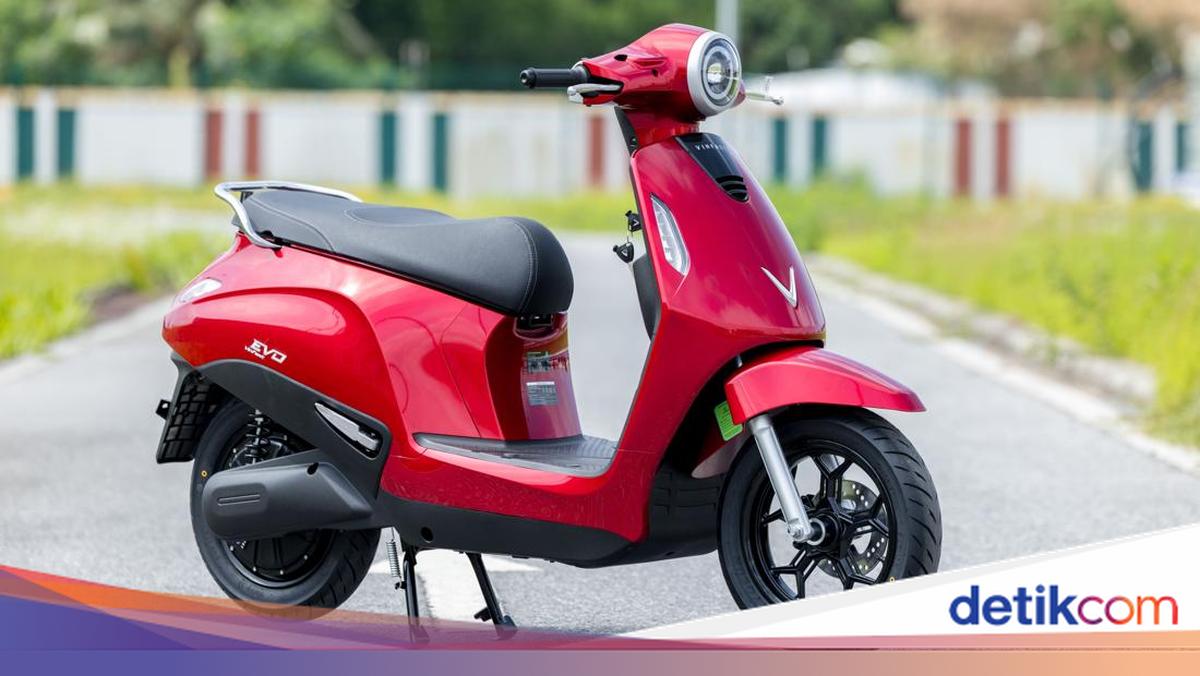
In terms of performance, the EVO can reach a top speed of 80 km/h, making it more than capable of keeping pace with city traffic and occasional suburban commutes. One of the most critical aspects of any electric vehicle is its range, and the EVO addresses this with a dual-battery configuration. The motorcycle is equipped with two Lithium Iron Phosphate (LFP) batteries, each with a capacity of 1.5 kWh. LFP technology is increasingly favored in the EV industry for its thermal stability, safety profile, and longevity compared to traditional Nickel Cobalt Manganese (NCM) chemistries.
When both batteries are fully charged, the VinFast EVO can cover a distance of up to 150 km under standard testing conditions. This range is significant because it exceeds the average daily commuting distance of most Indonesian riders, thereby reducing the frequency of charging cycles and alleviating concerns regarding "range anxiety." The batteries are strategically placed under the seat, a design choice that maximizes the available storage space while maintaining a low center of gravity for better handling and balance. Furthermore, the design facilitates easy access for battery swapping, a core component of VinFast’s infrastructure strategy.
The Battery Subscription Model: A Game Changer?
The most distinctive element of VinFast’s Indonesian strategy is the separation of the vehicle price from the battery cost. While the motorcycle can be purchased for Rp 17.3 million (promo price) under the rental scheme, customers who prefer full ownership of the battery must be prepared to pay significantly more. The total package price for the motorcycle including the battery is approximately Rp 26 million, before applying any promotional discounts.
By offering a battery rental or subscription model, VinFast effectively shifts the risk of battery degradation and the high cost of replacement from the consumer to the manufacturer. This model is particularly appealing in markets where consumers are cautious about the long-term resale value of electric vehicles. Under this scheme, VinFast remains responsible for the health of the battery, often promising replacements if the capacity drops below a certain threshold. This approach not only lowers the entry price to a level competitive with ICE scooters but also provides a predictable monthly operating cost that can be lower than the cost of gasoline and traditional engine maintenance.
Official Vision and Infrastructure Commitment
The launch of the EVO is part of a holistic investment strategy by VinFast in Indonesia. Vo Thi Cam Tu, the Managing Director of VinFast E-motorcycles Overseas Market, emphasized that the company’s mission extends beyond merely selling hardware. "We are not only bringing high-quality, intelligent, and accessible products, but also investing comprehensively in charging and battery-swapping infrastructure to encourage and facilitate the green transition for Indonesian consumers," Tu stated.
This commitment to infrastructure is vital. Indonesia’s transition to electric vehicles has been hampered in the past by a lack of public charging stations. VinFast’s plan to implement a battery-swapping network could be the key to unlocking mass-market adoption. Battery swapping allows riders to exchange a depleted battery for a fully charged one in a matter of minutes, mimicking the convenience of a traditional petrol station visit. For the millions of Indonesians who live in high-density housing without access to private charging points, this infrastructure is a prerequisite for going electric.
Design Aesthetics and Urban Appeal
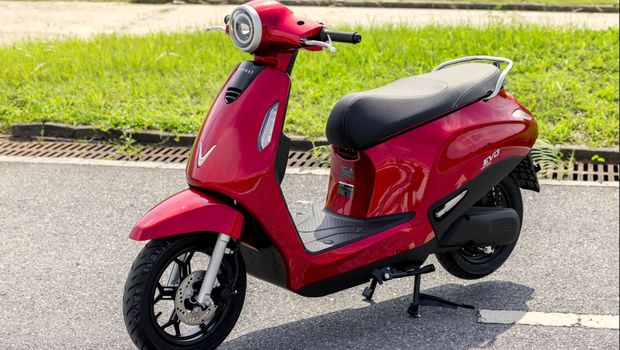
Aesthetically, the VinFast EVO takes inspiration from European design sensibilities, specifically the classic Italian "scooter" look characterized by rounded edges, clean lines, and a minimalist silhouette. This retro-modern fusion is a popular trend in Indonesia, where motorcycles are often seen as a lifestyle statement rather than just a utilitarian tool.
The EVO features a compact frame that makes it highly maneuverable in tight spaces. Its lighting system utilizes LED technology, providing superior visibility and a modern touch to the vintage-inspired bodywork. The color palette offered by VinFast is equally bold, featuring vibrant, single-tone finishes that appeal to a younger demographic. By combining a stylish "Vespa-like" aesthetic with the efficiency of a modern electric drivetrain, VinFast is positioning the EVO as a fashionable yet practical choice for the urban commuter.
Broader Economic and Environmental Implications
The entry of VinFast into the Indonesian market comes at a time when the Indonesian government is aggressively pushing for the electrification of the transport sector. With a goal of having 2 million electric motorcycles on the road by 2025, the government has introduced various incentives, including tax breaks and direct subsidies for locally manufactured EVs. While VinFast is currently importing its initial units, the company has expressed long-term interests in localizing production, which would further integrate it into Indonesia’s industrial ecosystem.
From an environmental perspective, the widespread adoption of vehicles like the VinFast EVO could significantly reduce urban air pollution and decrease the nation’s reliance on imported fossil fuels. For the consumer, the transition promises lower maintenance costs, as electric motorcycles have fewer moving parts than ICE vehicles—no oil changes, spark plugs, or exhaust systems to worry about.
However, the path to dominance will not be without challenges. VinFast faces stiff competition from local players like Gesits and Alva, as well as the impending electric shifts from Japanese giants Honda and Yamaha. The success of the EVO will likely depend on how quickly VinFast can build out its promised charging and swapping network and whether it can maintain its aggressive pricing once the initial promotional period ends.
Conclusion: A New Chapter for Indonesian Commuting
The official launch of the VinFast EVO marks the beginning of a high-stakes battle for the future of Indonesian roads. By offering a product that matches the price of the country’s most popular petrol scooter while providing superior technology and a unique battery solution, VinFast has set a new benchmark for the industry. As deliveries begin in June 2026, all eyes will be on how Indonesian consumers respond to this Vietnamese challenger. If VinFast can deliver on its infrastructure promises and maintain the reliability of its LFP battery systems, the EVO may well be the catalyst that finally tips the Indonesian two-wheeler market toward a sustainable, electric future.