Bambang Pamungkas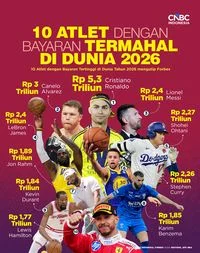
For many years, discussions surrounding the world’s highest-paid athletes typically centered on their on-field achievements, trophies, and broken records. However, by 2026, the scale of their earnings has dramatically expanded, now extending far beyond mere athletic prowess. The financial landscape of elite sports has transformed, with athletes from football (soccer), basketball, boxing, and baseball consistently dominating the upper echelons of global income lists. These individuals command extraordinary wealth, not only from their substantial salaries and burgeoning commercial contracts but also through sophisticated sponsorship deals and the strategic construction of vast business empires, all while maintaining peak competitive performance.
The Evolving Landscape of Athlete Earnings
The journey of athlete compensation from simple prize money to multi-million dollar contracts and entrepreneurial ventures is a testament to the globalization of sports and the increasing commercialization of athletic talent. Historically, even legendary athletes earned a fraction of what today’s stars command. The 20th century saw the rise of professional leagues and rudimentary endorsement deals, but the digital age and the advent of global broadcasting truly catalyzed the explosion in athlete wealth.
By the early 2000s, athletes began to be recognized as global brands. The proliferation of cable television, followed by satellite and then streaming services, meant that sports leagues and individual stars could reach billions of viewers worldwide. This increased visibility translated directly into higher media rights deals for leagues and, consequently, larger salaries for players. Simultaneously, the marketing departments of multinational corporations recognized the immense power of associating their brands with these universally admired figures, leading to increasingly lucrative endorsement opportunities.
The year 2026 represents a culmination of these trends, where athletes are no longer just performers but comprehensive economic entities. Their income streams are diversified, robust, and often interconnected, reflecting a sophisticated understanding of personal brand management and wealth creation. The debate has shifted from who is the best performer to who is the most impactful and financially astute global icon.
Key Drivers of Unprecedented Wealth in 2026
Several interconnected factors contribute to the astronomical earnings of top athletes by 2026, creating a financial ecosystem far more complex than ever before.
1. Mega-Contracts and Escalating Salaries:
Collective bargaining agreements in major sports leagues, combined with unprecedented revenue generated from media rights, ticketing, and merchandising, have pushed player salaries to stratospheric levels. In leagues like the NBA, MLB, and top European football leagues, long-term contracts guaranteeing hundreds of millions of dollars are commonplace for superstar talent. These contracts often include performance bonuses, loyalty incentives, and even equity stakes in teams or related ventures, further boosting their base compensation. For instance, in football, players are not only paid by their clubs but also receive substantial fees from national team appearances and image rights retained by them. In baseball, the fully guaranteed nature of contracts, often spanning a decade, provides immense financial security regardless of future performance dips.
2. Global Endorsement Deals and Brand Partnerships:
The era of simple product endorsements has evolved into comprehensive brand partnerships. Athletes in 2026 are not just lending their faces to products; they are often deeply integrated into marketing campaigns, product development, and even strategic decision-making processes for their partner brands. Brands seek authentic connections, and athletes with massive global followings offer unparalleled reach. Deals with sportswear giants, luxury brands, technology companies, and even sustainable energy firms are common. These endorsements often include upfront payments, royalties on sales, equity options, and long-term retainer fees, making them a significant, and sometimes dominant, portion of an athlete’s total income. The global nature of sports means an athlete can endorse a car brand in Europe, a telecommunications company in Asia, and a fast-food chain in North America simultaneously, maximizing their commercial footprint.
3. Digital Media and Personal Branding:
The rise of social media platforms and direct-to-consumer digital content has empowered athletes to cultivate their personal brands like never before. By 2026, many top athletes have tens or even hundreds of millions of followers across platforms like Instagram, TikTok, X (formerly Twitter), and YouTube. This direct access to a global audience allows them to bypass traditional media gatekeepers, control their narratives, and monetize their influence directly. They can promote products, launch their own merchandise lines, create exclusive content, and even secure individual sponsorship deals entirely independent of their teams or leagues. This direct monetization of their digital presence adds another substantial layer to their earnings, turning their social media feeds into highly valuable advertising real estate.
4. Entrepreneurial Ventures and Equity Stakes:
Perhaps the most significant shift observed by 2026 is the transformation of athletes into astute entrepreneurs and investors. Recognizing the finite nature of their playing careers, many are actively building diversified business portfolios. This includes launching their own clothing lines, beverage companies, media production houses, tech startups, and even venture capital funds. They are no longer content with being merely paid spokespeople; they demand equity stakes, board positions, and active involvement in the companies they associate with. This strategic shift allows them to leverage their fame and capital to generate long-term wealth that far outstrips their playing salaries, creating legacies that extend far beyond the sports arena. Examples include investments in real estate, hospitality, health and wellness, and even e-sports organizations.
Dominant Sports in the 2026 Financial Arena
The concentration of wealth among athletes in football, basketball, boxing, and baseball by 2026 is not coincidental but a reflection of specific market dynamics within each sport.
Football (Soccer): The Global Juggernaut
Football’s unparalleled global reach ensures its top stars are among the highest earners. Leagues like the English Premier League, La Liga, Serie A, and the Bundesliga command billions in broadcasting rights, which translate into massive club revenues and player salaries. The biggest names, often those who perform well in the FIFA World Cup or UEFA Champions League, become household names across continents. Their endorsement potential is immense, especially in emerging markets where football has a near-religious following. By 2026, figures like Kylian Mbappé, Erling Haaland, and Vinicius Jr., if they continue their career trajectories, are likely to be at the pinnacle, earning hundreds of millions through club contracts, image rights deals, and global sponsorships with brands spanning automotive, technology, and luxury goods. The increasing investment from sovereign wealth funds and private equity in top clubs also inflates player valuations and salaries.
Basketball: The NBA’s Global Brand
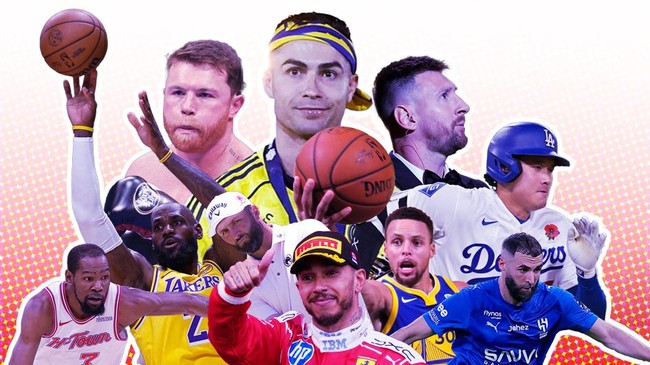
The NBA has successfully cultivated a global brand, making its top players international icons. The league’s progressive collective bargaining agreement, which ensures a significant percentage of league revenue goes to players, combined with massive television deals and a strong global marketing strategy, contributes to immense player salaries. Furthermore, basketball stars are often seen as trendsetters in fashion, music, and culture, amplifying their appeal to brands. Shoe deals alone, particularly with titans like Nike and Adidas, can be worth tens of millions annually, often including signature lines and royalties. By 2026, figures like LeBron James (even in a veteran role), Giannis Antetokounmpo, Nikola Jokic, and Luka Dončić are projected to maintain or even exceed their current earning power through maximum player contracts, lucrative shoe deals, and a diverse portfolio of endorsements and personal investments. The league’s focus on individual player brands has been a major factor.
Boxing: The High-Stakes Individual Sport
Boxing, unlike team sports, offers its top combatants unparalleled control over their earning potential, albeit with significant risk. Elite boxers can command colossal sums for single fights, especially those utilizing the pay-per-view (PPV) model. A major championship bout can generate hundreds of millions in revenue, with the star fighters often taking a substantial percentage of the gate, PPV buys, and sponsorship money. While their careers are shorter and more physically demanding, the peak earning potential in boxing is extraordinary. By 2026, any reigning undisputed heavyweight champion or a crossover star who has successfully marketed themselves globally could easily feature on the list, with multi-fight deals and individual sponsorships supplementing their massive fight purses. The independent nature of the sport means fighters often act as their own promoters or have significant leverage in negotiations.
Baseball: Guaranteed Long-Term Riches
Major League Baseball (MLB) players benefit from fully guaranteed contracts, a rarity in professional sports. Once signed, a contract, even if it spans a decade and is worth hundreds of millions, must be paid in full regardless of injury or declining performance. This financial security allows top players to amass significant wealth over their careers. While baseball players may not have the same global endorsement reach as football or basketball stars, their consistent presence in a lucrative domestic market (North America and parts of Asia) and the sheer scale of their guaranteed contracts ensure their place among the highest earners. By 2026, stars like Shohei Ohtani (whose unique two-way talent commands unprecedented value), Aaron Judge, and other elite pitchers and sluggers with long-term mega-deals are poised to remain fixtures on the highest-paid lists. The deferred payment structures common in MLB also mean athletes can continue to receive payments long after their playing days.
The Rise of the Athlete-Entrepreneur: Beyond the Game
The transformation of athletes into sophisticated business moguls is a defining characteristic of the 2026 financial landscape. This trend is driven by several factors: increased financial literacy among athletes, access to expert advisors, and a recognition that their brand equity during their playing careers is a powerful, albeit finite, asset to leverage for long-term wealth.
Athletes are increasingly proactive in identifying investment opportunities and building ventures that align with their personal brands and passions. They are establishing venture capital funds, investing in tech startups, launching health and wellness brands, and even creating media production companies to tell their own stories. This diversification strategy provides multiple income streams and creates a sustainable financial future post-retirement, moving away from the traditional model where athletes often faced financial difficulties after their careers ended. The direct access to capital and a vast network of connections further fuels their entrepreneurial ambitions.
Economic Impact and Broader Implications
The immense wealth accumulated by top athletes in 2026 has far-reaching implications across the global economy and sports industry.
1. Influence on the Sports Industry: The concentration of wealth at the top fuels an arms race among clubs and teams to secure elite talent, driving up transfer fees and salaries across the board. This creates a challenging environment for smaller teams or leagues with limited financial resources, potentially exacerbating disparities. It also influences talent development, as young athletes are increasingly drawn to sports with the highest earning potential.
2. Brand Marketing Trends: The effectiveness of athlete endorsements continues to shape global marketing strategies. Brands are investing more in long-term partnerships and co-creation with athletes, seeking authenticity and deep engagement rather than superficial associations. The power of athlete-influencers on social media is also dictating new approaches to digital marketing.
3. Wealth Distribution Discussions: The vast disparities between the highest-paid athletes and those in lower tiers of professional sports, or even emerging sports, can spark debates about wealth distribution within the sports ecosystem. This includes discussions about minimum salaries, revenue sharing, and support for retired athletes.
4. Inspiration and Aspiration: While controversial, the visibility of such immense wealth can serve as a powerful motivator for aspiring athletes worldwide. It highlights the potential rewards of dedication, talent, and strategic personal branding, inspiring new generations to pursue athletic careers and to think about their long-term financial futures.
5. Global Economic Footprint: The spending and investment habits of these ultra-rich athletes can have micro and macro-economic impacts. Their investments in various sectors contribute to economic growth, while their consumption of luxury goods and services stimulates specific industries.
Chronology of Athlete Financial Evolution Leading to 2026
- Pre-1970s: Era of limited professionalization; athletes primarily paid wages, often supplemented by off-season jobs. Endorsements minimal and localized.
- 1970s-1980s: Rise of free agency in some leagues (e.g., MLB’s Messersmith-McNally ruling in 1975), leading to initial salary increases. Emergence of iconic endorsement deals (e.g., Michael Jordan with Nike in 1984, establishing the blueprint for athlete-brand partnerships).
- 1990s-Early 2000s: Globalization of major sports leagues (NBA, Premier League). Explosion of sports broadcasting rights. Athletes begin to be seen as global marketing assets. Increased player union power.
- Mid-2000s-2010s: Digital revolution and social media. Athletes gain direct control over their public image and begin monetizing their online presence. Growth of "athlete brand" beyond performance. Long-term, nine-figure contracts become more common.
- 2010s-2020s: Peak of athlete entrepreneurialism. Athletes actively invest, launch companies, and seek equity stakes. Diversification of income streams becomes critical. Record-breaking contracts in multiple sports push top earners into the hundreds of millions annually.
- 2026 and Beyond: Consolidation of these trends. Athletes as sophisticated global economic entities, blending peak athletic performance with strategic business acumen. The line between athlete and CEO blurs further, with income predominantly driven by a synergy of salary, endorsements, digital monetization, and shrewd investments.
Conclusion
The year 2026 marks a significant chapter in the financial narrative of elite athletes. The once-simple equation of performance equaling pay has given way to a multifaceted model where talent, global appeal, digital influence, and entrepreneurial drive converge to create unprecedented wealth. Football, basketball, boxing, and baseball continue to produce the highest earners, thanks to their massive global audiences and robust commercial ecosystems. These athletes are not just champions in their respective fields; they are formidable business figures, cultural influencers, and a powerful force in the global economy, shaping trends far beyond the confines of stadiums and arenas. Their financial success underscores the evolving nature of celebrity and the enduring power of sports in a hyper-connected world.