Eko Sulistyo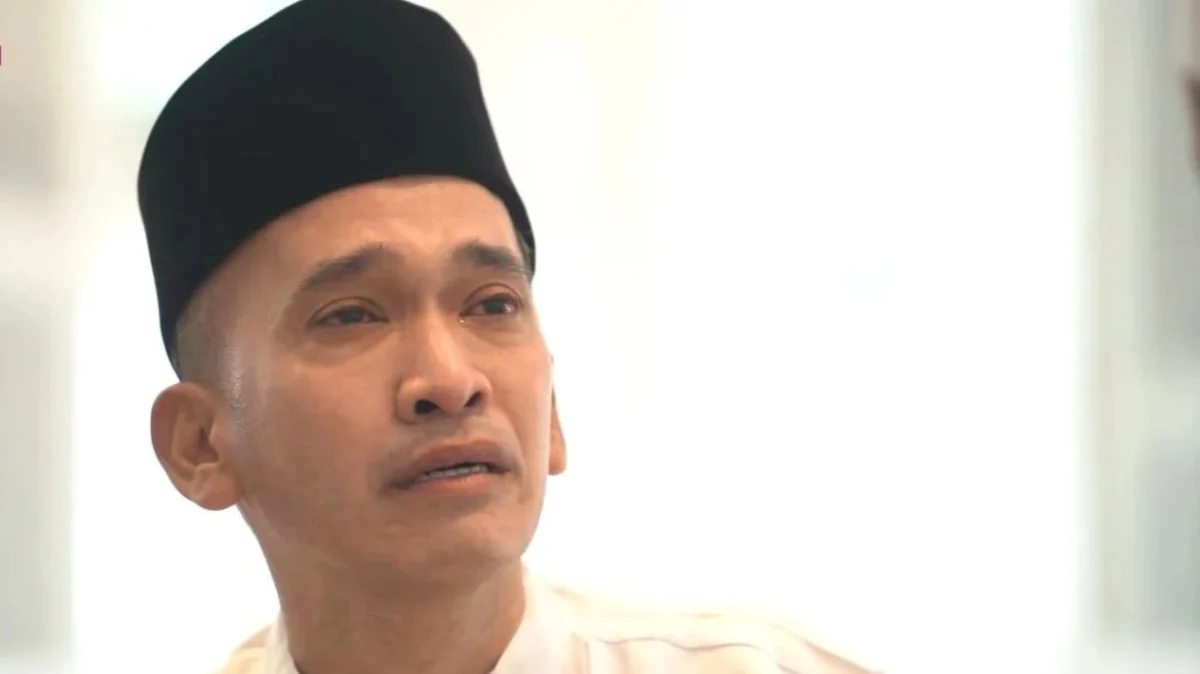
The landscape of Indonesian entertainment news has been dominated by the unfolding legal and personal developments following the separation of high-profile celebrities Ruben Onsu and Sarwendah. In a decisive move to protect his client’s reputation, Ruben Onsu’s legal representative, Minola Sebayang, has come forward to address and debunk viral allegations circulating on social media platforms. These allegations suggested that the prominent television host and entrepreneur had ceased providing financial support for his children following the dissolution of his marriage. The rebuttal, delivered via a public statement on Thursday, May 28, 2026, aimed to provide clarity on the financial arrangements and visitation rights that were legally established between the two parties.
The controversy erupted after several social media comments and unverified reports began to gain traction, painting a narrative of a father who had distanced himself from his parental responsibilities. However, the legal team for Ruben Onsu has presented a starkly different reality, backed by notarized agreements and detailed financial disclosures. This development marks a significant chapter in the post-divorce proceedings of one of Indonesia’s most watched celebrity couples, highlighting the complexities of managing private family matters under the intense glare of public scrutiny.
The Chronology of Legal Agreements and Separation
To understand the current friction between the public narrative and the legal facts, it is essential to look back at the timeline of the couple’s separation. Ruben Onsu and Sarwendah, who were married in 2013 and share three children—including their adopted son Betrand Peto and biological daughters Thalia and Thania—officially began the process of legal separation in early 2024.
According to Minola Sebayang, a pivotal moment in this timeline occurred on June 3, 2024. On this date, both Ruben and Sarwendah entered into a formal, written agreement in the presence of a notary. This document was designed to serve as a comprehensive roadmap for their co-parenting relationship and financial obligations, ensuring that the welfare of the children remained the primary focus despite the end of the marital union.
The agreement explicitly detailed the division of time and the financial contributions expected from Ruben. Legal experts note that such notarized agreements are standard in high-net-worth divorces to prevent future disputes, yet the current public outcry suggests that the existence of this document was either unknown to or ignored by the online community. The legal team emphasized that the terms were mutually agreed upon, reflecting a shared commitment to the children’s stability.
Detailed Breakdown of Child Support and Financial Contributions
One of the most contentious points addressed by Minola Sebayang was the specific amount of monthly child support provided by Ruben Onsu. In response to claims of financial neglect, the legal team disclosed that Ruben continues to remit a substantial sum to ensure his children maintain the lifestyle to which they have become accustomed.
"The monthly costs that have been appearing—sorry, it’s around 200 million IDR per month," Minola stated during a media appearance. This figure, which converts to a significant amount in the context of the Indonesian economy, is intended to cover a wide array of expenses including education, healthcare, daily necessities, and the maintenance of the children’s primary residence.
Furthermore, the legal team clarified that Ruben’s financial involvement extends beyond the basic requirements stipulated in the divorce settlement. Minola pointed out that Ruben frequently covers "extra" expenses that he is not legally obligated to pay under the base agreement. These include luxury expenditures such as international travel tickets, cinema outings, and other recreational activities. By highlighting these additional contributions, the legal team aimed to demonstrate that Ruben remains emotionally and financially invested in his children’s happiness and well-being, far exceeding the bare minimum required by law.
The Dispute Over Visitation Rights and Parental Access
While the financial aspect of the dispute has dominated the headlines, the issue of visitation rights has emerged as a secondary point of contention. The June 3, 2024, agreement stipulated that Ruben Onsu maintains the right to spend significant time with his three children. Specifically, the document granted him the right to gather and stay with the children for two to three days every week.
However, Minola Sebayang expressed visible frustration regarding the implementation of these terms. He indicated that despite the legal framework being in place, the actual execution of these visitation rights has faced hurdles. "This is not being carried out as agreed," Minola remarked, suggesting that the reality of the situation on the ground does not reflect the spirit of the notarized document.
In family law, the failure to adhere to visitation schedules can lead to further litigation. The legal team’s decision to bring this issue to the public’s attention suggests that there may be underlying tensions regarding how the children’s time is managed between the two households. The emphasis on "gathering" rather than just "visiting" implies a desire for meaningful, overnight, or extended periods of connection, which Ruben feels are currently being curtailed.
The Luxury Residence: Ownership and Funding
Another significant element of the public discourse involves the luxury residence currently occupied by Sarwendah and the children. Social media speculation had previously suggested that the property was a gift or part of a settlement that Ruben was no longer supporting. Minola Sebayang moved to correct this narrative by detailing the history of the property’s acquisition and construction.
According to the legal team, the land upon which the house stands was purchased entirely by Ruben Onsu. Furthermore, the extensive costs associated with the construction and interior design of the mansion were also borne by him. "If you ask Ruben, he is the one who bought the land, and he is the one who financed the entire construction process," Minola clarified.
This disclosure serves to reinforce the image of Ruben as the primary provider for the family’s infrastructure. In Indonesian divorce proceedings, the division of "Harta Gono Gini" (jointly acquired assets) can be a lengthy process. By clarifying that this specific asset was funded by Ruben, the legal team is positioning him as a figure who has provided a permanent and secure environment for his ex-wife and children, even after the dissolution of the marriage.
Socio-Economic Context and the Impact of Public Perception
The figure of 200 million IDR per month for child support is a staggering amount for the average Indonesian citizen, where the minimum wage in Jakarta hovers around 5 million IDR. This disparity often fuels public fascination and, occasionally, resentment or skepticism. For a public figure like Ruben Onsu, who has built an empire across television hosting, YouTube content creation (MOP Channel), and the food and beverage industry (Geprek Bensu), financial transparency becomes a double-edged sword.
Public perception in Indonesia is heavily influenced by "netizens," a highly active online community that often acts as a self-appointed moral compass. When rumors of neglect surfaced, they spread rapidly, threatening the brand value of Ruben Onsu’s various business ventures. The swift and detailed response from his lawyer is a tactical move in reputation management, aimed at neutralizing a narrative that could potentially harm his professional standing and his relationship with corporate sponsors.
From a sociological perspective, the intense interest in the Onsu-Sarwendah divorce reflects a broader cultural obsession with the "perfect family" image that the couple projected for over a decade. When that image shattered, the public sought to assign blame, often defaulting to tropes of the "absent father" or the "wronged mother." Minola Sebayang’s intervention serves to disrupt these tropes with hard data and legal facts.
Legal Implications and Future Outlook
As the situation stands, the public statements made by Ruben Onsu’s legal team may be a precursor to further legal action if the terms of the visitation agreement continue to be ignored. In Indonesian law, a notarized agreement serves as strong evidence in court should one party decide to sue for breach of contract or seek a formal court order for child custody and access.
The broader implication for the entertainment industry is the increasing professionalization of how celebrity scandals are handled. Moving away from vague emotional appeals, the use of a lawyer to present specific financial figures and dates suggests a shift toward a more litigious and fact-based approach to celebrity PR.
In the coming months, it remains to be seen whether Sarwendah’s legal team will issue a counter-statement or if the two parties will return to the negotiating table to resolve the friction regarding visitation. For now, the documentation provided by Minola Sebayang stands as a firm rebuttal to the claims of neglect. Ruben Onsu continues to maintain his position as a dedicated father, both financially and through his ongoing efforts to secure the time with his children that was promised to him in the summer of 2024.
The case serves as a poignant reminder of the difficulties inherent in navigating a private family crisis in the digital age. While the financial support is documented and substantial, the emotional toll of a public divorce and the logistical challenges of co-parenting remain issues that cannot be solved solely through notarized agreements or bank transfers. As this story continues to evolve, the focus will likely remain on whether the legal protections put in place will eventually result in a harmonious balance for the three children at the center of the storm.