Azin Asro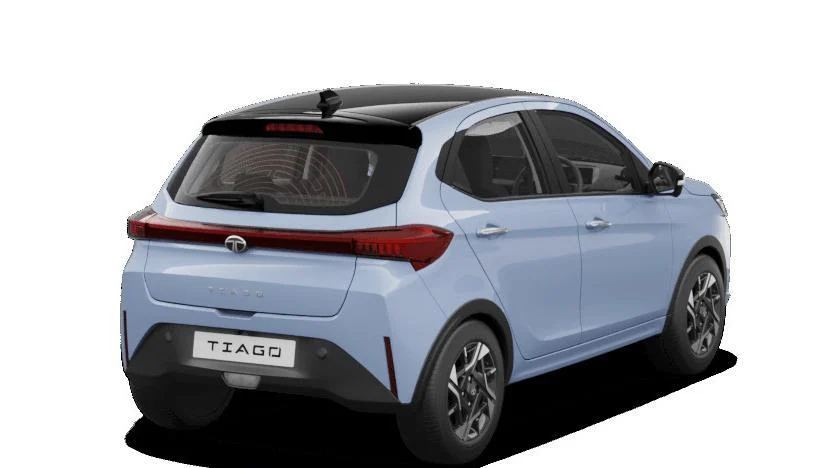
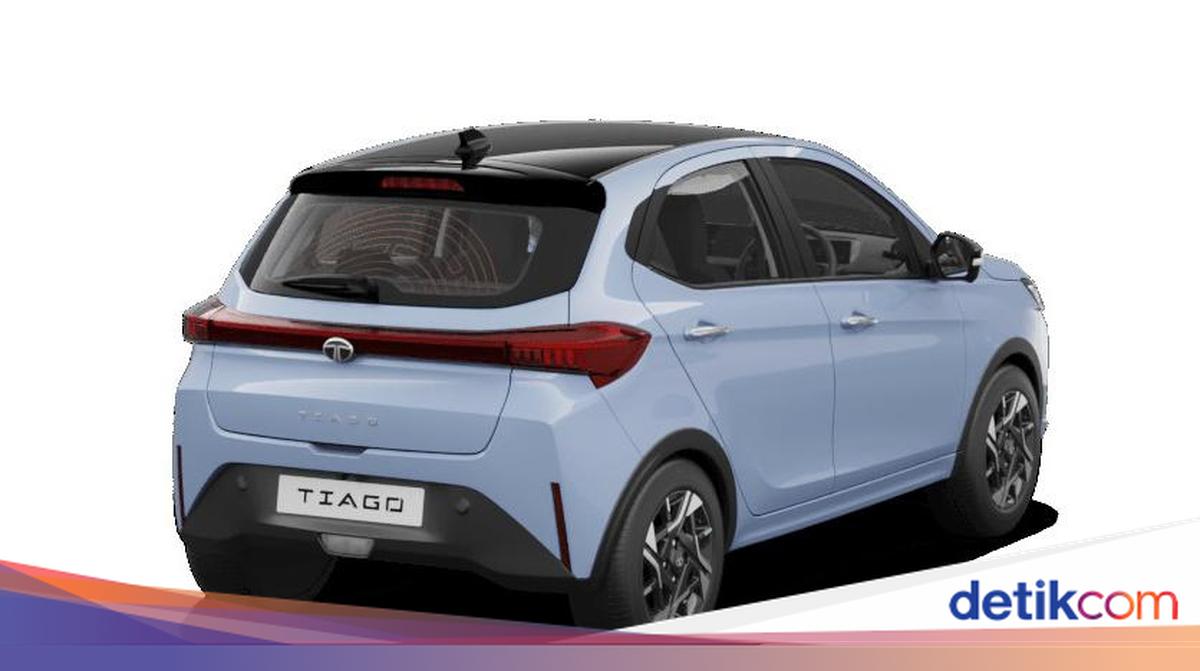
The global automotive landscape continues to witness a shift toward high-value, entry-level vehicles that do not compromise on safety or technological integration. In a significant move within the South Asian market, Indian automotive giant Tata Motors has officially introduced the latest iteration of the Tata Tiago. This new model, positioned as a direct competitor to popular Southeast Asian hatchbacks such as the Toyota Agya and Daihatsu Ayla, has garnered immediate attention for its aggressive pricing strategy. Starting at approximately Rp 87 million (converted from Indian Rupees), the 2026 Tata Tiago aims to redefine what consumers can expect from an affordable city car.
The 2026 Tata Tiago arrives at a time when consumer expectations are pivoting away from basic transportation toward vehicles that offer a comprehensive suite of digital features and robust safety ratings. By aligning its performance metrics and dimensions with established leaders in the Low Cost Green Car (LCGC) and city car segments, Tata Motors is signaling its intent to dominate the budget-friendly category through superior specifications and a value-oriented proposition.
Engineering and Performance Metrics
Under the hood, the 2026 Tata Tiago utilizes the 1.2-liter Revotron three-cylinder naturally aspirated petrol engine, a staple of Tata’s lightweight engine philosophy. This powertrain is engineered to deliver a balance between urban agility and highway efficiency. The engine produces a maximum power output of 86 PS and a peak torque of 113 Nm. These figures are nearly identical to the performance data of the Toyota Agya and Daihatsu Ayla, which typically offer 88 PS and 113 Nm from their 1.2-liter powerplants.
To cater to a diverse range of driving preferences, Tata offers the Tiago with two primary transmission options: a conventional five-speed manual gearbox for purists and an Automated Manual Transmission (AMT) for those seeking convenience in heavy urban traffic. Furthermore, acknowledging the growing demand for alternative fuels, Tata has included an iCNG (Integrated Compressed Natural Gas) variant. This version provides a cleaner alternative, albeit with a slight reduction in output to 75.5 PS and 96.5 Nm of torque, optimized for maximum fuel economy and lower emissions.
Fuel efficiency remains a critical metric for vehicles in this class. Initial testing and manufacturer data suggest that the petrol-only variant of the Tiago achieves approximately 18 kilometers per liter in stop-and-go city environments, while reaching up to 25 kilometers per liter during steady-state highway cruising. These statistics place the Tiago in direct competition with the efficiency leaders of the Indonesian LCGC market. However, automotive experts note that real-world fuel consumption is subject to variables such as vehicle load, aerodynamic drag at higher speeds, and individual driving habits.
Evolutionary Design and Interior Refinements
The 2026 model year represents a significant leap forward in terms of interior aesthetics and ergonomics. While the exterior maintains its compact footprint—measuring 3,767 mm in length, 1,677 mm in width, and 1,535 mm in height—the interior has been completely reimagined. The dashboard now features a more horizontal design language, which creates a sense of increased cabin width and modern sophistication.
Central to the technological overhaul is the new 26.03 cm (10.25-inch) floating touchscreen infotainment system. This unit supports wireless Apple CarPlay and Android Auto, a feature often reserved for vehicles in higher price brackets. The driver is greeted by a fully digital instrument cluster that provides real-time vehicle telematics and navigation prompts. Additional premium touches include a wireless smartphone charger, a cooled glovebox for temperature-sensitive items, and Type-C fast-charging ports to accommodate modern mobile devices.
Comfort has also been prioritized with the inclusion of an automatic climate control system and dedicated rear AC vents—a rarity in the sub-compact hatchback segment. Higher trim levels benefit from "soft-touch" armrests and a passive entry system, allowing drivers to unlock and start the vehicle without removing the key from their pocket.
A Paradigm Shift in Entry-Level Safety
Perhaps the most significant aspect of the 2026 Tata Tiago is its commitment to occupant protection. Historically, entry-level hatchbacks in emerging markets have faced criticism for sparse safety equipment. Tata Motors, which has built a brand identity around vehicle safety, is challenging this trend by making six airbags standard across the Tiago range.
Beyond passive safety, the vehicle is equipped with an array of active safety technologies designed to prevent accidents before they occur. The inclusion of an Electronic Stability Program (ESP) and Traction Control ensures the vehicle remains composed during emergency maneuvers or on slippery surfaces. Furthermore, the Tiago features a Hill Hold Assist system, which prevents the car from rolling backward on inclines, and a Tyre Pressure Monitoring System (TPMS) to ensure optimal tire health.
In a first for this segment, Tata has also integrated a 360-degree camera system. This technology provides a bird’s-eye view of the vehicle’s surroundings, significantly simplifying parking in tight urban spaces and reducing the likelihood of low-speed collisions.
Chronology of the Tata Tiago’s Development
The journey of the Tata Tiago began in 2016 when it was launched to replace the aging Tata Indica. Originally intended to be named the "Zica," the name was changed to Tiago shortly before its debut. Since its inception, the Tiago has been a cornerstone of Tata Motors’ "Impact Design" philosophy, which focuses on creating visually appealing vehicles that resonate with younger demographics.
In 2020, the Tiago underwent a major facelift to align with Bharat Stage 6 (BS6) emission standards, receiving a four-star safety rating from Global NCAP in the process. This rating was a turning point for the model, as it became one of the safest cars in its price bracket. The 2022 introduction of the iCNG technology further expanded its market reach, appealing to budget-conscious commuters facing rising petrol prices.
The 2026 update represents the most comprehensive refresh in the model’s history. By integrating high-end tech and standardizing six airbags, Tata is moving the Tiago from a "budget car" to a "smart value" vehicle. This evolution reflects a broader trend in the Indian automotive industry where safety and features are becoming as influential as price in the consumer decision-making process.
Market Positioning and Competitive Analysis
The pricing of the Tata Tiago, starting at approximately Rp 87 million, places it in a unique position. In the Indian domestic market, it competes fiercely with the Maruti Suzuki Celerio and the WagonR. However, its specifications suggest it is aiming for a more premium slice of the pie, rivaling the likes of the Hyundai Grand i10 Nios.
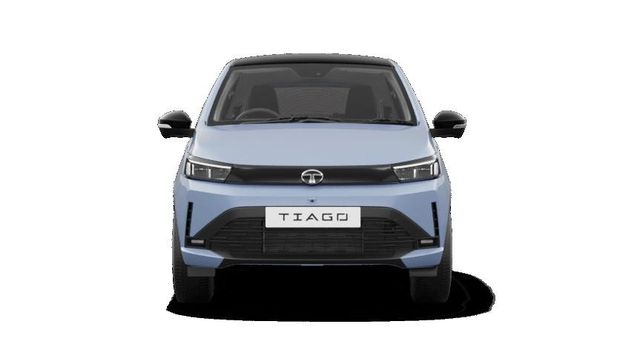
When compared to the Indonesian market’s Toyota Agya and Daihatsu Ayla, the Tiago presents a compelling argument for feature density. While the Agya and Ayla have recently seen significant upgrades in their latest generations—including the adoption of the DNGA (Daihatsu New Global Architecture) platform—the Tiago’s inclusion of a 360-degree camera and six standard airbags provides a distinct competitive edge in the safety department.
Industry analysts suggest that Tata’s ability to maintain such low pricing while increasing feature sets is a result of high localization and economies of scale within the Indian manufacturing ecosystem. For Indonesian consumers and observers, the Tiago serves as a benchmark for what is possible in the sub-Rp 150 million price range, should similar manufacturing efficiencies be applied locally.
Broader Implications for the Automotive Industry
The launch of the 2026 Tata Tiago has broader implications for the global automotive industry, particularly regarding the "democratization of technology." Features that were once the exclusive domain of luxury sedans—such as connected car tech, digital cockpits, and advanced safety suites—are rapidly trickling down to the most affordable segments of the market.
Furthermore, Tata’s success with the Tiago platform, which also includes an electric version (the Tiago.ev), demonstrates the versatility of modern compact car architectures. By offering petrol, CNG, and electric drivetrains on the same basic silhouette, manufacturers can hedge against fluctuating energy prices and varying regulatory environments across different regions.
Responses from automotive industry stakeholders in India have been largely positive. Consumer advocacy groups have praised the decision to standardize six airbags, noting that it sets a new safety floor for the industry. Meanwhile, competitors are expected to respond by accelerating their own feature updates, potentially leading to a "feature war" that ultimately benefits the end consumer through better-equipped and safer vehicles.
As the 2026 Tata Tiago begins to roll out to dealerships, it stands as a testament to the evolving nature of the compact hatchback. No longer just a "first car" for those on a tight budget, the modern hatchback is becoming a sophisticated, tech-laden, and safety-conscious choice for urban dwellers worldwide. Whether Tata Motors decides to expand the Tiago’s footprint into other emerging markets like Indonesia remains to be seen, but its current trajectory suggests it is well-prepared to challenge the status quo on a global stage.