Eko Sulistyo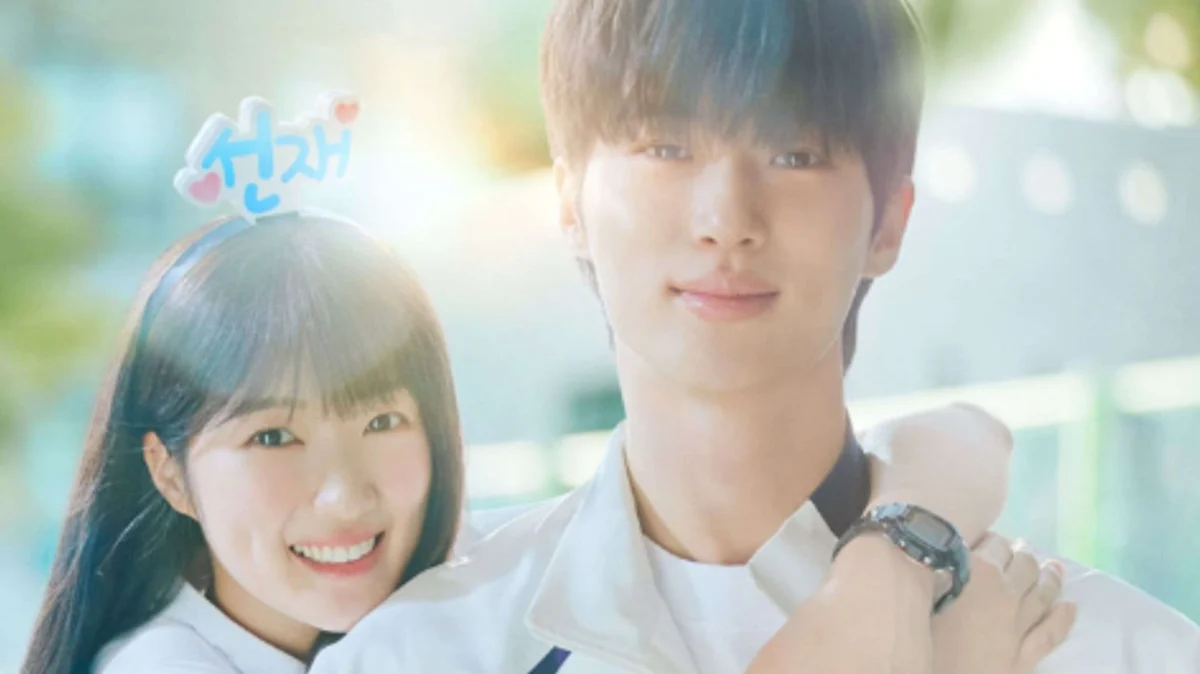
The global landscape of television has undergone a seismic shift over the past decade, with South Korean content emerging as a dominant force in the international entertainment industry. Known for their high production values, intricate storytelling, and deep emotional resonance, Korean dramas, or K-Dramas, have cultivated a massive, dedicated following that transcends geographical and linguistic boundaries. According to recent industry reports and viewership data analyzed by platforms like KBIZoom, certain series possess a unique "rewatchability" factor—a quality that compels viewers to return to the story multiple times, often wishing they could experience the narrative for the first time again. This phenomenon is driven by a combination of genre-bending plots, intense character chemistry, and cultural nuances that resonate with universal human experiences.
The Psychological Appeal of the K-Drama Narrative
The enduring popularity of K-Dramas is not accidental but rather the result of a sophisticated blend of traditional storytelling and modern production techniques. Industry analysts suggest that the "addictive" nature of these shows stems from their ability to balance escapism with grounded, relatable emotional conflicts. Whether it is a fantasy-driven time-travel plot or a gritty revenge thriller, the core of these stories often centers on themes of justice, love, family, and personal growth.
Data from the Korean Foundation for International Cultural Exchange (KOFICE) indicates that the "Hallyu" or Korean Wave has seen a steady increase in consumption, with K-Dramas being the most popular category of exported content. The accessibility provided by global streaming giants such as Netflix, Disney+, and Rakuten Viki has further solidified this trend, allowing series to gain "cult classic" status shortly after their initial broadcast.
1. Lovely Runner: A Modern Time-Slip Phenomenon
Leading the contemporary list of addictive dramas is Lovely Runner, a 2024 series that has sparked a significant social media frenzy. Starring Byeon Woo-seok and Kim Hye-yoon, the drama follows the journey of Im Sol, a devoted fan who travels back in time to prevent the tragic death of her favorite idol, Ryu Sun-jae.
The series has been praised for its seamless integration of high school nostalgia, the complexities of the K-pop industry, and the "butterfly effect" of time travel. Beyond its romantic elements, Lovely Runner has been noted for its exploration of mental health and the idol-fan relationship. Market data shows that the show’s original soundtrack (OST), particularly songs performed by the fictional band Eclipse, dominated South Korean music charts like MelOn, demonstrating the show’s cross-platform impact.
2. Crash Landing on You: The Gold Standard of Romance
Few dramas have achieved the legendary status of Crash Landing on You (2019). The story of a South Korean heiress who accidentally paraglides into North Korea and falls in love with a high-ranking military officer broke viewership records for the cable network tvN, peaking at a 21.7% nationwide rating for its finale.
The series is often cited as the "gateway" drama for many international viewers. Its success is attributed to the electric chemistry between leads Hyun Bin and Son Ye-jin—who eventually married in real life—and its humanistic portrayal of North Korean civilians. Analysts point out that the show’s success paved the way for more high-budget, internationally co-produced Korean content, proving that localized stories could achieve universal acclaim.
3. Yumi’s Cells: Innovative Storytelling through Psychological Visualization
Yumi’s Cells, based on the popular webtoon of the same name, introduced a groundbreaking format to the K-Drama scene by combining live-action with 3D animation. The drama features Kim Go-eun as Yumi, an ordinary office worker whose life is dictated by the "cells" in her brain that represent her various emotions and biological functions.
The show’s appeal lies in its ultra-realistic depiction of modern dating and workplace dynamics. By literalizing internal monologues through animated characters like "Hunger Cell," "Reason Cell," and "Love Cell," the drama provides a relatable and often humorous look at human psychology. It remains a favorite for rewatching due to its insightful commentary on personal growth and the necessity of self-love.
4. Taxi Driver: Vigilante Justice and Social Commentary
For audiences seeking a departure from romance, Taxi Driver offers a high-octane exploration of crime and retribution. Starring Lee Je-hoon as a former special forces officer turned vigilante taxi driver, the series follows the "Rainbow Taxi Company" as they seek revenge for victims whom the legal system has failed.
What sets Taxi Driver apart is its reliance on real-life criminal cases that occurred in South Korea, such as the Cho Doo-soon case. This connection to reality provides a cathartic experience for viewers, as the show delivers the justice that was often missing in the actual events. The series’ success led to a second season in 2023, which outperformed the first in terms of ratings, confirming the audience’s appetite for gritty, justice-driven narratives.
5. Reply 1988: The Ultimate Slice-of-Life Classic
Often cited as the best K-Drama of all time by critics and fans alike, Reply 1988 is the third installment of the Reply series. Set in a small neighborhood in Ssangmun-dong, Seoul, during the year of the 1988 Olympics, the drama focuses on five families and their teenage children.
The show is a masterclass in nostalgia, focusing on the bonds of friendship and family rather than high-stakes drama. Its "husband hunt" mystery kept audiences engaged throughout its run, but its lasting legacy is its heartwarming portrayal of community. Data from various streaming platforms indicates that Reply 1988 remains one of the most-watched "catalog" titles years after its conclusion, as it offers a sense of comfort and belonging that is rare in modern television.
Supporting Data: Viewership and Economic Impact
The influence of these dramas extends beyond the screen. A study by the Hyundai Research Institute estimated that the economic impact of a single hit drama like Crash Landing on You can be measured in billions of dollars when accounting for tourism, fashion, and consumer goods exports.
Nielsen Korea ratings for these series consistently show a trend where high-quality storytelling leads to "word-of-mouth" growth. For instance, Lovely Runner started with modest ratings but saw a 140% increase in social media engagement by its mid-point, illustrating how digital buzz now rivals traditional TV ratings in determining a show’s success.
Global Reactions and Industry Evolution
The international reception of these nine dramas has forced global production houses to rethink their strategies. In statements regarding the rise of K-content, Netflix executives have noted that "non-English language content is no longer a niche market." The streaming giant has committed billions of dollars in investment toward the South Korean creative industry over the next four years, citing the high ROI (Return on Investment) of dramas like The Glory and Taxi Driver.
Critics from major Western outlets, including The New York Times and Variety, have praised K-Dramas for their "emotional intelligence" and "brave genre-blending." This critical acclaim has shifted the perception of K-Dramas from "soap operas" to "prestige television."
Chronology of the K-Drama Boom
The timeline of this cultural dominance can be traced through key releases:
- 2016-2017: The era of "Mega-Hits" like Goblin and Descendants of the Sun established the high-budget fantasy/romance template.
- 2019-2020: The "Netflix Explosion" occurred with Crash Landing on You and Kingdom, bringing K-Dramas to a mainstream Western audience during global lockdowns.
- 2021-Present: The "Genre Diversification" phase, where shows like Squid Game, Taxi Driver, and Yumi’s Cells proved that Korean creators could master thrillers, psychological dramas, and experimental formats.
Analysis of Broader Implications
The rewatchability of these dramas signifies a shift in how audiences consume media. In an era of "disposable" content, the fact that viewers return to 16-to-20-episode series multiple times indicates a deep emotional investment. These shows do not just provide entertainment; they provide a cultural bridge. For example, the popularity of Reply 1988 has led to a global interest in 1980s Korean history and traditional family structures.
Furthermore, the success of these dramas has empowered Korean actors and directors to take greater creative risks. The transition of actors like Byeon Woo-seok from supporting roles to global stardom via Lovely Runner demonstrates the "star-making" power of a well-written script.
As the industry moves forward, the focus remains on maintaining the "soul" of the K-Drama—its emotional core—while continuing to innovate with technology and diverse genres. The nine dramas highlighted represent the pinnacle of this balance, serving as both a benchmark for quality and a testament to the enduring power of South Korean storytelling. Whether through the lens of a time-traveling fan or a vigilante taxi driver, these stories continue to resonate, proving that some narratives are indeed worth experiencing over and over again.