Bambang Pamungkas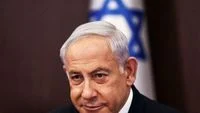
Israeli Prime Minister Benjamin Netanyahu’s intensified military operations in Lebanon are proving to be a significant impediment to the United States’ efforts to broker a peace agreement with Iran, particularly concerning the potential reopening of the strategically vital Strait of Hormuz. These developments are simultaneously testing the often-fraught alliance between US President Donald Trump and Netanyahu, as both leaders grapple with mounting domestic and international pressures. The unfolding crisis highlights a complex web of geopolitical interests, electoral imperatives, and personal stakes that underscore the volatility of Middle Eastern diplomacy.
Escalation in Lebanon and Diplomatic Fallout
On Monday, June 1, 2026, the regional tensions reached a critical juncture with Netanyahu’s explicit threat to bombard the southern suburbs of Beirut, a known stronghold of Hezbollah. This declaration was made amidst Israel’s ongoing military campaign, which Netanyahu has publicly framed as essential for combating Hamas, Hezbollah, and Iran. The threat immediately drew a sharp reaction from Tehran, with Iran declaring its intention to suspend negotiations with the United States until the conflict in Lebanon was frozen. This move directly jeopardized the fragile US-Iran dialogue, which President Trump had previously touted as being on the cusp of a breakthrough.
President Trump’s response to the Iranian declaration was notably subdued, a stark contrast to his usual assertive rhetoric. "I think we’ve talked too much," he commented, indicating a growing frustration with the stalled negotiations and the complexities introduced by Israel’s actions. This sentiment was further amplified during a reportedly heated telephone conversation between Trump and Netanyahu. According to an official speaking to Axios, a US media outlet known for its access to insights into Trump’s internal frustrations, Trump confronted Netanyahu with a pointed query: "What are you actually doing?" Another account, albeit disputed, suggested Trump delivered an even sharper rebuke: "You would be in prison if it weren’t for me."
The Israeli media, specifically Channel 12, offered a different interpretation of the contentious call, attributing the friction to a "misunderstanding" between the two leaders. Amit Segal, Channel 12’s chief political analyst, cited a close aide to Netanyahu who explained, "Trump felt Netanyahu implied that the war would continue with full intensity, while Netanyahu felt Trump implied a complete ceasefire." Despite the differing narratives, Trump later downplayed the severity of the incident to ABC News, stating, "There was a little bit of a disruption today, but I turned it around very quickly, as you may have seen before." However, the public airing of such discord between two closely allied leaders underscored the deep divisions and high stakes involved.
Following the intense diplomatic exchanges, Netanyahu confirmed that Israel would refrain from attacking Beirut unless Hezbollah initiated hostilities. Yet, the fragile de-escalation proved short-lived. Just hours after Trump and Netanyahu reportedly agreed to ease tensions, at least eight individuals were reported killed in an Israeli drone strike on Tuesday, June 2, 2026, demonstrating the persistent challenges in achieving a genuine cessation of hostilities.
Netanyahu’s Political Quandary and Domestic Pressures
For Benjamin Netanyahu, the current military operations and diplomatic maneuvers are inextricably linked to his precarious political survival. Having served as Israel’s Prime Minister since 1996, with multiple terms, Netanyahu has cultivated a reputation for navigating complex political landscapes and challenging US administrations. Former US President Bill Clinton famously quipped, "Who exactly is the superpower here?" after their initial meeting in 1996, a testament to Netanyahu’s assertive style. However, the current period represents one of the most formidable challenges to his leadership.
On the same Monday, June 1, 2026, the Israeli parliament took a significant step towards its dissolution, passing the first reading of a bill to disband the Knesset with an overwhelming 106-0 vote. This legislative action paved the way for early elections, now anticipated in the autumn. Netanyahu’s political fortunes have been highly volatile. While he enjoyed a temporary surge in popularity following a successful strike against Iranian leadership earlier in the year, public support has since plummeted as the protracted conflicts in Iran, Gaza, and Lebanon continue to exact a heavy toll.
Analysts suggest that Netanyahu is desperate for a tangible victory to present to the electorate. Ilan Goldenberg, a former special adviser for the Middle East to Vice President Kamala Harris and previously head of the Iran team at the US Department of Defense, articulated this need: "He doesn’t have a story to take into this election, so he has to somehow achieve a victory in Lebanon, or if not a victory, at least be able to tell that he is still fighting." Goldenberg, now the Policy Director at J Street, a "pro-Israel, pro-peace" lobbying group, emphasized, "He needs this to be able to say: I’m still working towards total victory. That’s much better for him than saying: it’s all over and I’ve essentially failed to eliminate these threats."
Adding to Netanyahu’s political woes is the recommencement of his long-delayed trial on charges of fraud and bribery. The legal proceedings resumed this week, placing his personal liberty directly at stake. Netanyahu has consistently leveraged his position as the leader of a nation facing security threats to postpone these legal battles, further intertwining his political fate with his judicial future. The confluence of an impending election, ongoing military campaigns, and a high-profile corruption trial creates an unprecedented level of pressure on the Israeli premier.
The Geopolitical Chessboard: US-Iran Negotiations and the Strait of Hormuz
At the heart of the broader diplomatic efforts lies the potential reopening of the Strait of Hormuz, a critical chokepoint through which approximately 20% of the world’s oil supply passes daily. Iran has maintained a tight grip over the Strait, using its control as a significant bargaining chip in its negotiations with the United States. Tehran believes that the economic pressure resulting from the closure will ultimately compel the US to soften its stance.
However, the US naval blockade and stringent sanctions have severely crippled Iran’s economy, jeopardizing the long-term viability of its oil industry – the primary source of funding for the regime. The economic hardship has created internal pressures within Iran, potentially making a comprehensive agreement with the US more appealing, provided it offers substantial relief.
The ongoing Israeli military operations in Lebanon, which Netanyahu views as a key leverage point in negotiations, present a complex challenge to US-Iran talks. It remains uncertain whether these operations will continue to be a "red line" for Iran, prompting them to halt negotiations. Other incentives, such as the unfreezing of Iranian assets held abroad, could sweeten a deal for Tehran. However, President Trump, who fiercely criticized his predecessor Barack Obama for unfreezing assets as part of the 2015 Iran nuclear deal (JCPOA), appears hesitant to undertake a similar measure. Trump’s "maximum pressure" campaign has been a cornerstone of his Iran policy, and any move perceived as a concession could undermine his domestic political standing.
The US domestic political landscape also plays a significant role in Trump’s approach. While he publicly dismisses concerns about upcoming midterm elections, his administration frequently highlights economic data, particularly gas prices, as indicators of its success. Over the recent Memorial Day holiday weekend, the average price of gasoline in the United States reached its highest level since the COVID-19 pandemic, a factor that undoubtedly increases pressure on the administration to secure an agreement that could stabilize global oil markets and reduce prices.
Furthermore, the strategic leaking of details from the Trump-Netanyahu conversation to the media is seen by some as a calculated move by the Trump administration. It signals a desire to project an image of firmness towards Israel, aiming to preempt accusations that Washington’s foreign policy is being dictated by the Israeli Prime Minister. This public display of friction, whether intentional or not, serves to reassert American autonomy in the complex Middle Eastern geopolitical arena.
Wider Regional and Global Implications
The current crisis extends far beyond the immediate concerns of US-Iran negotiations and Israeli domestic politics. The escalating conflict in Lebanon carries the inherent risk of broadening into a wider regional conflagration, potentially drawing in other regional actors and further destabilizing an already volatile Middle East. The delicate balance of power, influenced by proxy conflicts and entrenched rivalries, could be irrevocably altered by any misstep.
Globally, the continued disruption of the Strait of Hormuz poses a significant threat to energy security and the world economy. A prolonged closure or increased instability in the region would inevitably lead to sharp spikes in oil prices, impacting industries and consumers worldwide. This global economic ripple effect adds another layer of urgency to the diplomatic efforts to de-escalate tensions and secure a stable resolution.
Path Forward and Uncertainties
Despite the current setbacks and the palpable tensions, President Trump remains outwardly confident that a deal with Iran is within reach. "I still have to get a few more points," he told ABC News, adding, "We will get what we need." This optimistic outlook, however, belies the deep complexities and formidable obstacles that remain.
The path forward is fraught with uncertainties. The interplay between Netanyahu’s domestic political survival, Iran’s strategic calculations regarding the Strait of Hormuz and sanctions relief, and Trump’s own domestic political considerations creates a highly unpredictable environment. Whether the US can successfully navigate these intricate dynamics to secure a peace agreement with Iran, or if Netanyahu’s actions will ultimately derail these efforts, remains an open question with profound implications for regional stability and global security.