Nila Kartika Wati
The rescue and subsequent release of two leopard cat kittens in Pacitan, East Java, has highlighted the critical need for public education regarding wildlife conservation and the legal protections afforded to Indonesia’s indigenous species. What began as an act of perceived compassion by a local resident, Anggun, a 30-year-old inhabitant of Ngile Village in the Tulakan District, evolved into a significant learning moment for the community and conservation authorities alike. The incident underscores a recurring challenge in rural Indonesia: the intersection of human activity in community forests and the habitats of protected wild animals. By returning the kittens to their natural environment after a brief period of domestic captivity, the residents involved avoided potential legal repercussions and, more importantly, ensured the survival of the animals within their natural ecosystem.
The Discovery and Domestic Transition
The chronology of the event began in early June 2026, when Anggun’s husband was engaged in routine agricultural activities. While searching for fodder and cutting grass in a community forest (hutan rakyat) not far from their residence, he stumbled upon two small, spotted felines. The kittens, identified scientifically as Prionailurus bengalensis—commonly known in Indonesia as kucing kuwuk or kucing hutan—appeared to be alone and vulnerable amidst the undergrowth.
Driven by a sense of pity and a fear that the kittens might fall prey to predators or succumb to the elements, the couple decided to bring the animals home. For two days, the kittens remained in the Ngile Village residence. However, the transition from the wild to a domestic setting immediately presented challenges. Unlike domestic cats (Felis catus), leopard cat kittens have highly specific dietary and behavioral needs that are difficult to replicate in a household environment.
Anggun and her husband soon observed that the kittens were not thriving. They struggled to provide appropriate nourishment, and the wild nature of the animals became apparent. A more telling sign of the kittens’ true place in the wild occurred during the night; the mother cat was reportedly seen and heard prowling the perimeter of the house, searching for her offspring. This realization—that the kittens had not been abandoned but were merely waiting for their mother to return from hunting—prompted the couple to take action. Recognizing that the animals belonged to the forest, they returned the kittens to the exact location where they were found the following morning.
Intervention by BBKSDA East Java
Following the return of the kittens, the East Java Natural Resources Conservation Agency (BBKSDA) was notified. Ganes Pramudito, the Head of the Ponorogo-Pacitan Conservation Region Resort under BBKSDA East Java, confirmed the report on Thursday, June 11, 2026. Upon receiving the information, BBKSDA officers immediately coordinated with the local village government to verify the situation and ensure the kittens were safely reunited with their mother.
Ganes Pramudito emphasized that while the residents’ intentions were rooted in kindness, the act of removing the kittens from the wild was technically a violation of conservation protocols. "The information we received was that they were found while the resident was looking for grass in the community forest," Ganes explained. He noted that the couple quickly realized that these were not ordinary domestic pets. The difficulty in finding suitable feed and the persistent presence of the mother cat at night served as a wake-up call.
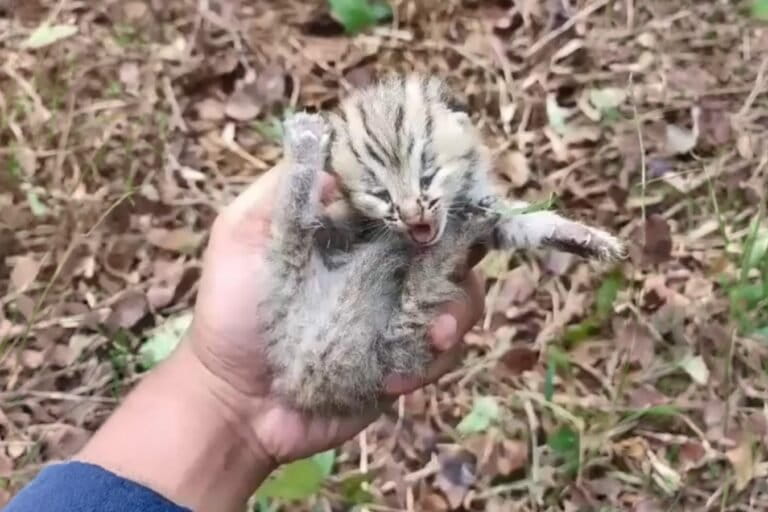
The BBKSDA official used the opportunity to remind the public that leopard cats are protected under Indonesian law. "Kucing kuwuk must not be kept as pets. If you find them, the best course of action is to report it to us," Ganes stated. He further clarified a common misconception: that young wild animals found alone are abandoned. In reality, mothers often leave their young hidden in tall grass or hollows while they hunt, returning hours later. By intervening, humans often inadvertently "kidnap" the offspring, decreasing their chances of survival.
Ecological Profile of the Leopard Cat
The leopard cat (Prionailurus bengalensis) is a small wild cat native to South, Southeast, and East Asia. In Indonesia, it is one of the most widely distributed wild felids, yet it faces increasing pressure from habitat loss and the illegal pet trade. These cats are roughly the size of a domestic cat but possess longer legs, a smaller head, and a distinctive coat marked with dark spots and stripes, resembling a miniature leopard.
Ecologically, the leopard cat plays an indispensable role in the balance of the local ecosystem. As a carnivorous predator, its primary diet consists of small rodents, particularly rats, which are common pests in agricultural landscapes. By maintaining the leopard cat population, farmers in regions like Pacitan benefit from a natural form of pest control that reduces the need for chemical rodenticides.
Erwin Wilianto, the founder of the SINTAS Indonesia Foundation and a member of the IUCN-SSC Cat Specialist Group, provided expert context on the species’ adaptability. According to Wilianto, the leopard cat is remarkably resilient compared to other wild felids. "The leopard cat is one of the most resilient species regarding modified habitats," he noted. This adaptability allows them to survive not just in primary forests, but also in "hutan rakyat" (community forests), plantations, and agricultural edges, provided there is sufficient vegetation cover.
Wilianto explained that female leopard cats often utilize the "edge" of the forest to raise their young. These areas offer a dual advantage: they provide thick cover to hide kittens from male leopard cats—who may exhibit infanticidal behavior—and they serve as prime hunting grounds for small mammals like squirrels and rats that frequent the borders between forest and farm.
The Conservation Landscape of Pacitan
The incident in Ngile Village is not an isolated case. Ganes Pramudito noted that his office has handled several similar reports in the Pacitan and Ponorogo regions since he began his tenure in 2014. Three years prior, a similar case occurred in Pacitan where a leopard cat was surrendered by a resident and subsequently released.
Pacitan’s landscape, characterized by rugged hills and a mix of protected and community-managed forests, remains a vital stronghold for biodiversity in East Java. The presence of leopard cats, and more frequent reports of Sunda pangolins (Manis javanica) entering residential areas, indicates that the local ecosystem still supports a variety of "Protected Wildlife" (Satwa Dilindungi).
Historical data suggests that the region was once a habitat for larger predators, including the Javan leopard (Panthera pardus melas). Specifically, the Dadapan forest area, managed by Perhutani, is still being monitored by conservationists to identify its suitability as a permanent habitat for various wild cat species. The survival of these animals depends heavily on the "connectivity" of the remaining habitat patches. Community forests planted with Teak (Tectona grandis) and Rosewood (Dalbergia latifolia) act as essential corridors, allowing wildlife to move between larger forested blocks.
Legal Implications and the Threat of the Pet Trade
Under Indonesian Law No. 5 of 1990 concerning the Conservation of Living Natural Resources and their Ecosystems, the capture, injury, killing, storage, possession, care, or trade of protected species is strictly prohibited. Violations can lead to significant prison sentences and heavy fines. While the authorities in this case opted for an educational approach rather than prosecution—given the voluntary return of the animals—the event serves as a warning.
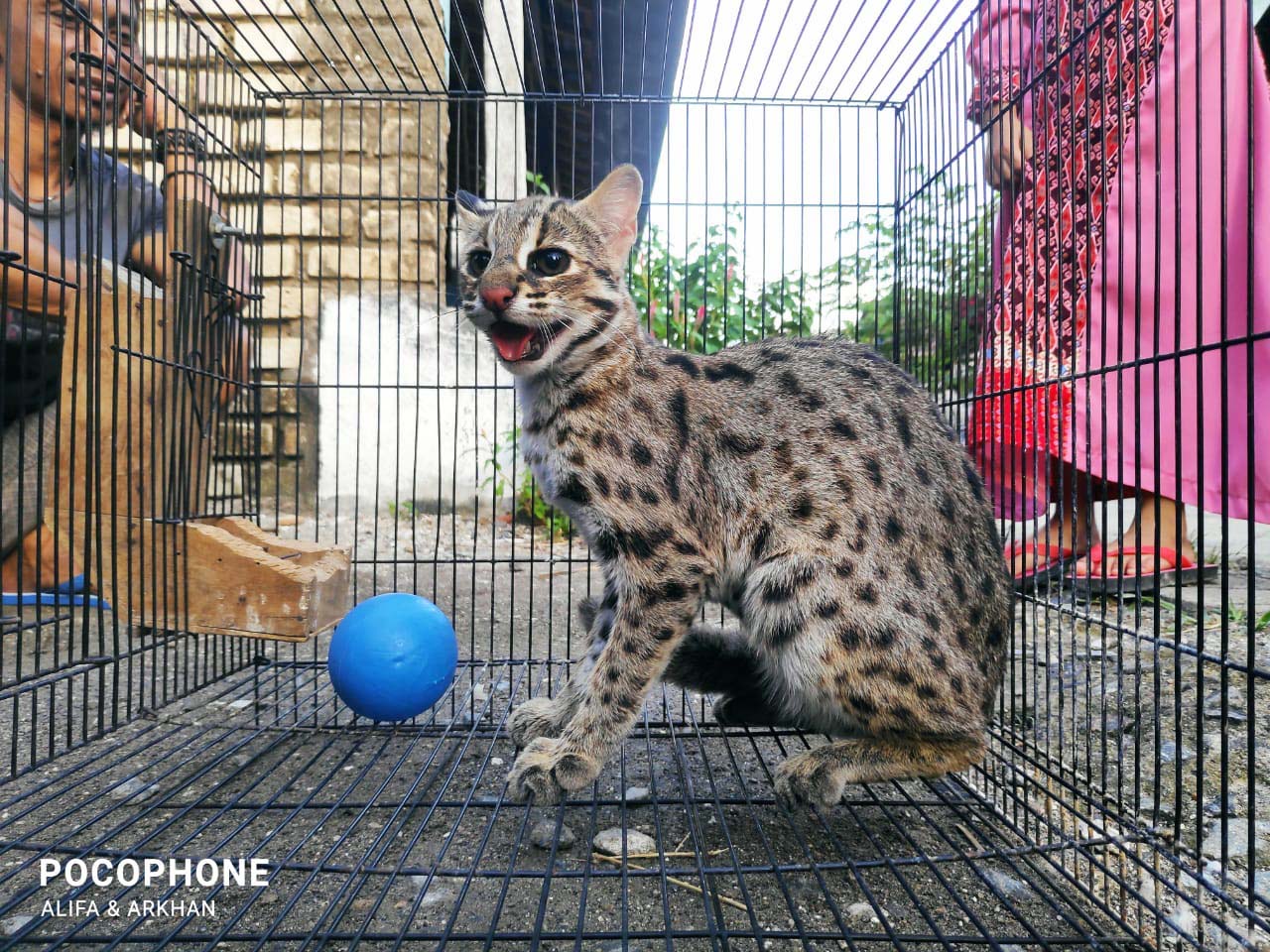
One of the greatest threats to the leopard cat in Indonesia is the burgeoning illegal pet trade. Often marketed as "exotic pets" on social media platforms, these wild cats are frequently subjected to poor living conditions, improper diets, and the stress of domesticity, which leads to high mortality rates in captivity.
Furthermore, there is a growing concern regarding the hybridization of leopard cats with domestic cats. While some breeders seek to create "Bengal" cats through crossbreeding, conservationists warn that this practice poses a biological threat. Hybridization can lead to the introduction of domestic feline diseases into wild populations and the dilution of the genetic integrity of the wild species. "Bringing home a wild cat doesn’t just endanger the individual animal; it risks the health of the entire local population through disease transmission," experts warn.
Conclusion: A Call for Coexistence
The story of Anggun and the leopard cat kittens ends on a hopeful note, with the animals returned to the wild and the community more informed about the importance of conservation. However, it highlights a broader need for systematic public awareness campaigns.
For the residents of Pacitan and similar rural areas, the message from BBKSDA and wildlife experts is clear: the best way to "save" a wild animal is to leave it in its natural habitat. If a wild animal is found injured or in immediate danger, the only appropriate response is to contact the BBKSDA or local conservation NGOs who possess the expertise and legal authority to intervene.
As habitat fragmentation continues due to human expansion, the frequency of human-wildlife encounters is likely to increase. The resilience of species like the leopard cat offers a window of opportunity for coexistence, but this requires humans to respect the boundaries of the natural world. The "good intentions" of citizens must be guided by ecological knowledge and legal compliance to ensure that East Java’s rich biodiversity continues to thrive for generations to come. The role of the community is not to be the keepers of the wild, but the guardians of the environment that sustains it.