Tyo Susilo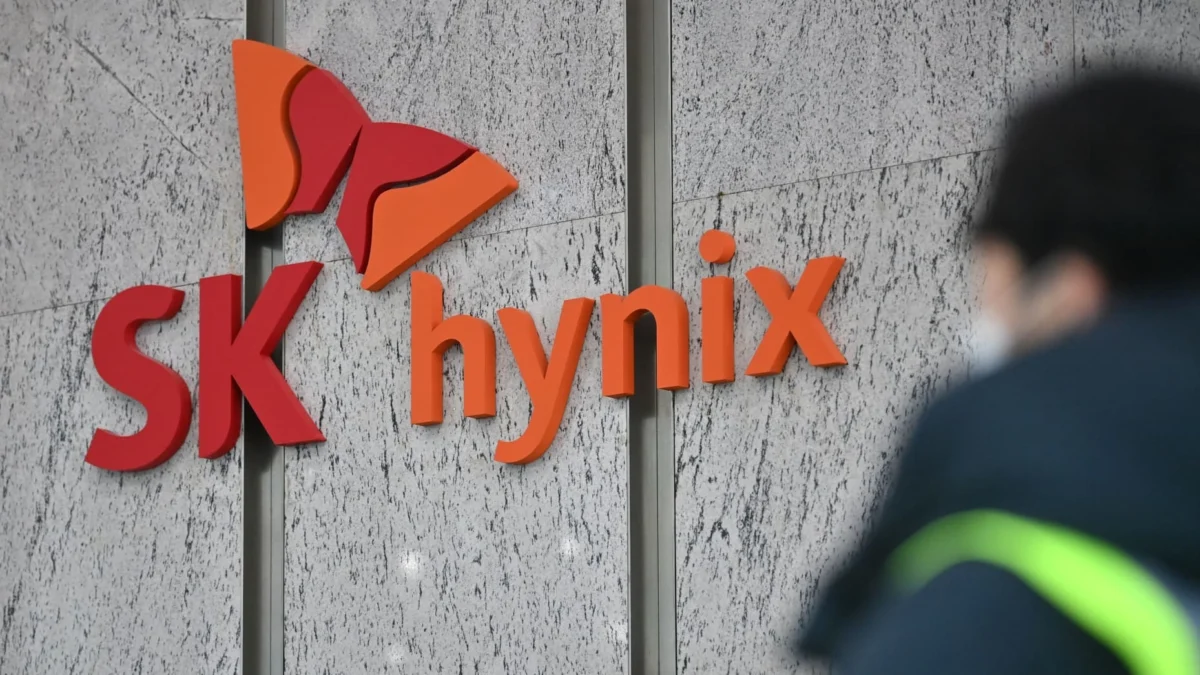
South Korean semiconductor giant SK Hynix is reportedly fast-tracking the construction of its new fabrication and production facilities in Yongin, South Korea. This accelerated development plan aims to significantly boost the company’s Dynamic Random-Access Memory (DRAM) production capacity, with projections indicating a potential threefold increase by 2034, provided construction remains on schedule. This aggressive expansion comes at a critical juncture for the global memory market, which has been grappling with a persistent shortage of both standard DRAM and high-bandwidth memory (HBM) chips.
Accelerated Timeline for Yongin Mega-Fab Complex
The ambitious project in Yongin involves the construction of four state-of-the-art fabrication and production plants. While the initial phase of this massive undertaking is slated for completion in early 2027, SK Hynix is now reportedly pushing to expedite the overall timeline. The revised schedule suggests that the entire complex could be fully operational significantly earlier than previously anticipated.
Originally, the complete realization of the Yongin fabrication and production facilities was projected to extend to 2045. However, SK Hynix’s accelerated strategy now targets the full completion of all four plants by 2034. This revised timeline is a crucial element in SK Hynix’s long-term vision to solidify its position as a leading supplier in the highly competitive semiconductor memory market. The company’s leadership has emphasized a commitment to maximizing production output to meet the escalating global demand for advanced memory solutions.
Projected Production Surge and Market Implications
The potential impact of this accelerated construction on global DRAM supply is substantial. Industry analysts estimate that upon the full completion of the Yongin complex, SK Hynix’s DRAM production capacity could surge by as much as 300%. This represents a significant leap, potentially reshaping the supply-demand dynamics for DRAM chips worldwide.
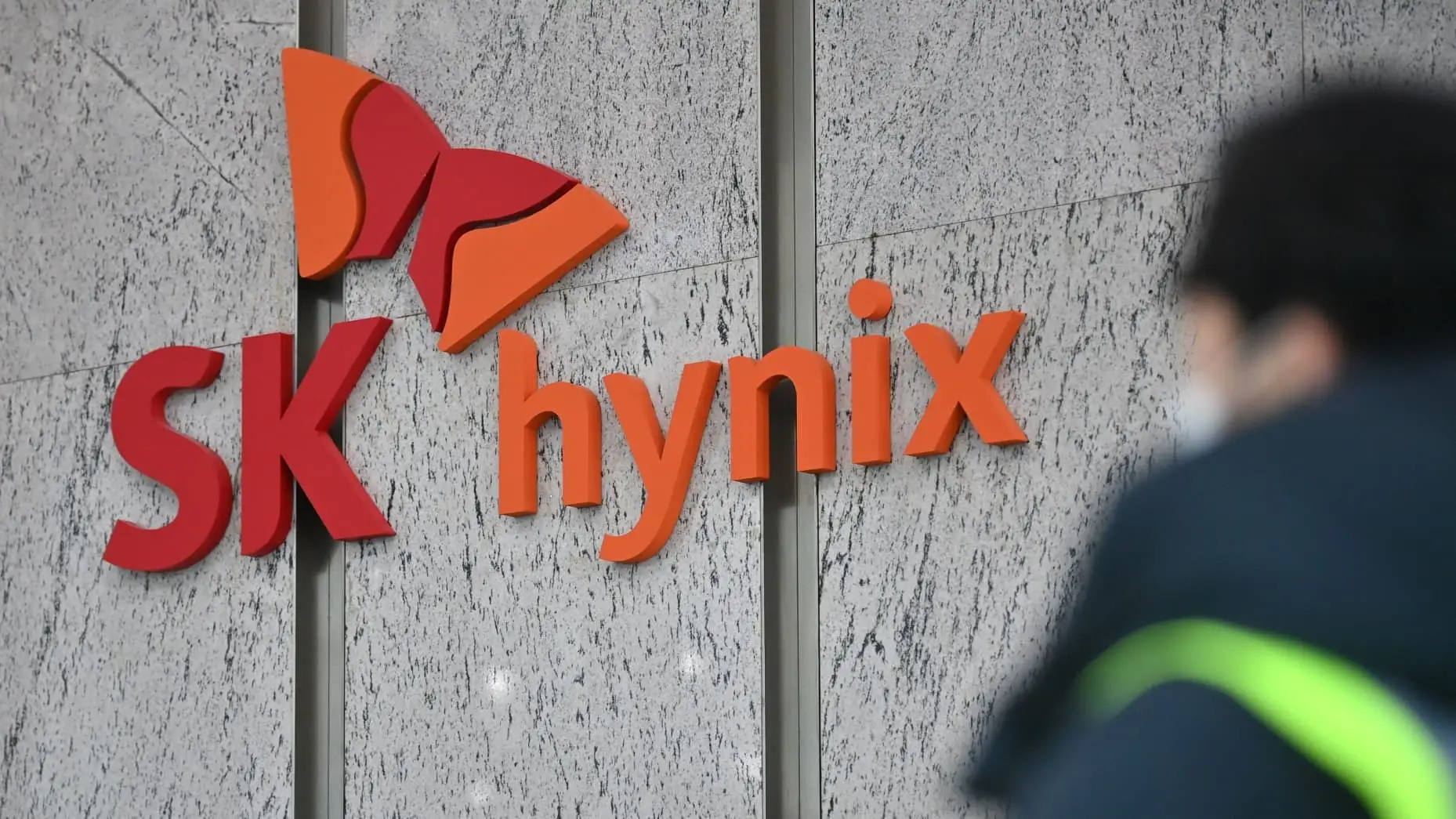
SK Group Chairman Chey Tae-won, in a recent interview with Nikkei Asia, articulated the company’s aggressive expansion strategy. He highlighted that SK Hynix aims to double its wafer production capacity within the next five years. This ambitious goal underscores the company’s proactive approach to capitalizing on the growing demand for semiconductors driven by advancements in artificial intelligence, data centers, and consumer electronics. The Chairman further elaborated that if the new fabrication and production facilities in Yongin are completed by the targeted year of 2034, the overall production capacity could triple.
This accelerated expansion is particularly significant given the current global semiconductor supply chain challenges. The world has been experiencing a scarcity of essential memory components, including both DRAM and HBM, which are critical for the performance of modern computing systems, especially those involved in AI workloads.
The Persistent Memory Crunch: A Lingering Challenge
Despite SK Hynix’s aggressive expansion plans, the immediate impact on DRAM prices and availability is unlikely to be substantial. Industry forecasts suggest that the current shortage of DRAM and HBM chips is expected to persist until at least 2030. This prolonged period of tight supply is attributed to several factors, including the rapid growth in demand for AI-powered applications, the specialized manufacturing requirements for HBM, and the time lag inherent in bringing new semiconductor fabrication facilities online.
The development and ramp-up of a new semiconductor fab is a complex and capital-intensive process. It involves significant investments in cutting-edge equipment, specialized cleanroom environments, and a highly skilled workforce. Even with accelerated construction, achieving full production capacity takes time, and the integration of new facilities into the existing supply chain requires careful planning and execution.
Furthermore, the demand for memory chips is not solely dependent on SK Hynix. Major competitors such as Samsung Electronics and Micron Technology are also reportedly investing in expanding their own production capacities in the coming years. This collective effort by leading memory manufacturers is essential to address the long-term demand growth but also highlights the scale of the challenge in overcoming the current supply constraints. The interplay of these expansions and the continued surge in demand will ultimately dictate the trajectory of the memory market in the coming decade.

Background and Context: The Evolution of Semiconductor Manufacturing
The construction of mega-fabs like the one SK Hynix is developing in Yongin is a testament to the evolving landscape of semiconductor manufacturing. These facilities are not merely factories; they are highly sophisticated ecosystems designed to produce microscopic components that power our digital world. The investment in such large-scale projects reflects the immense growth projected for the semiconductor industry, particularly in areas like AI, high-performance computing, and advanced networking.
South Korea has long been a global powerhouse in semiconductor manufacturing, with companies like Samsung and SK Hynix at the forefront of innovation and production. The Yongin cluster, often referred to as the "K-semiconductor Belt," is a strategic initiative aimed at consolidating and expanding this leadership. The establishment of multiple advanced fabrication plants in a single region allows for greater synergy, supply chain efficiency, and the fostering of a robust semiconductor ecosystem.
The timeline for semiconductor fab construction has historically been lengthy. From initial planning and land acquisition to full-scale production, the process can span over a decade. This is due to the intricate design and engineering involved, the procurement and installation of highly specialized machinery (which can have lead times of several years), and the stringent cleanroom protocols required for chip manufacturing. SK Hynix’s reported acceleration suggests a concerted effort to compress these timelines, likely through parallel construction phases, advanced project management, and potentially leveraging existing expertise and supply chain relationships.
The Strategic Importance of Memory Chips
Memory chips, particularly DRAM and HBM, are fundamental components of virtually all electronic devices. DRAM serves as the primary working memory for computers and servers, enabling rapid access to data for ongoing operations. HBM, a more advanced form of DRAM, is crucial for high-performance applications such as AI accelerators, graphics processing units (GPUs), and advanced networking equipment, where immense data throughput is required.
The current shortage of these chips has had a ripple effect across various industries. Manufacturers of smartphones, laptops, servers, and even automobiles have faced production delays and increased costs due to the scarcity of essential memory components. The burgeoning field of artificial intelligence, which relies heavily on powerful processors and vast amounts of memory, has been particularly impacted, with the demand for AI-specific hardware far outstripping current supply capabilities.
SK Hynix’s commitment to tripling its DRAM production capacity by 2034, coupled with the acceleration of its Yongin fab construction, is a direct response to this market reality. It signals a strategic intent to capture a larger share of the growing memory market and to alleviate the global supply constraints, albeit over an extended period.
Broader Industry Trends and Future Outlook
The expansion efforts by SK Hynix are part of a broader trend within the semiconductor industry. Global demand for semiconductors is projected to continue its upward trajectory, driven by digitalization, the proliferation of AI, the Internet of Things (IoT), and the ongoing evolution of consumer electronics and automotive technologies.
Companies are investing heavily in new fabrication facilities and upgrading existing ones to meet this demand. Governments worldwide are also recognizing the strategic importance of semiconductor manufacturing and are implementing policies and incentives to encourage domestic production and secure supply chains. The "CHIPS Act" in the United States and similar initiatives in Europe and Asia are aimed at fostering a more resilient and geographically diverse semiconductor manufacturing base.
The competition among the leading memory manufacturers – SK Hynix, Samsung, and Micron – remains intense. Each company is vying for technological leadership and market share, investing in research and development to create more advanced and efficient memory solutions. The race to develop next-generation memory technologies, such as DDR6 and beyond, and to optimize HBM production for AI applications, is a critical aspect of this competition.
While SK Hynix’s accelerated construction is a positive development for the memory market, the path to resolving the current supply crunch is multifaceted. It will require continued investment, technological innovation, and careful management of production capacity against the backdrop of rapidly evolving demand. The coming years will be crucial in determining how effectively the global semiconductor industry can meet the insatiable appetite for memory chips that underpin our increasingly digitalized world. The successful and timely completion of SK Hynix’s ambitious Yongin project will undoubtedly play a significant role in shaping the future of the global memory landscape.