Tyo Susilo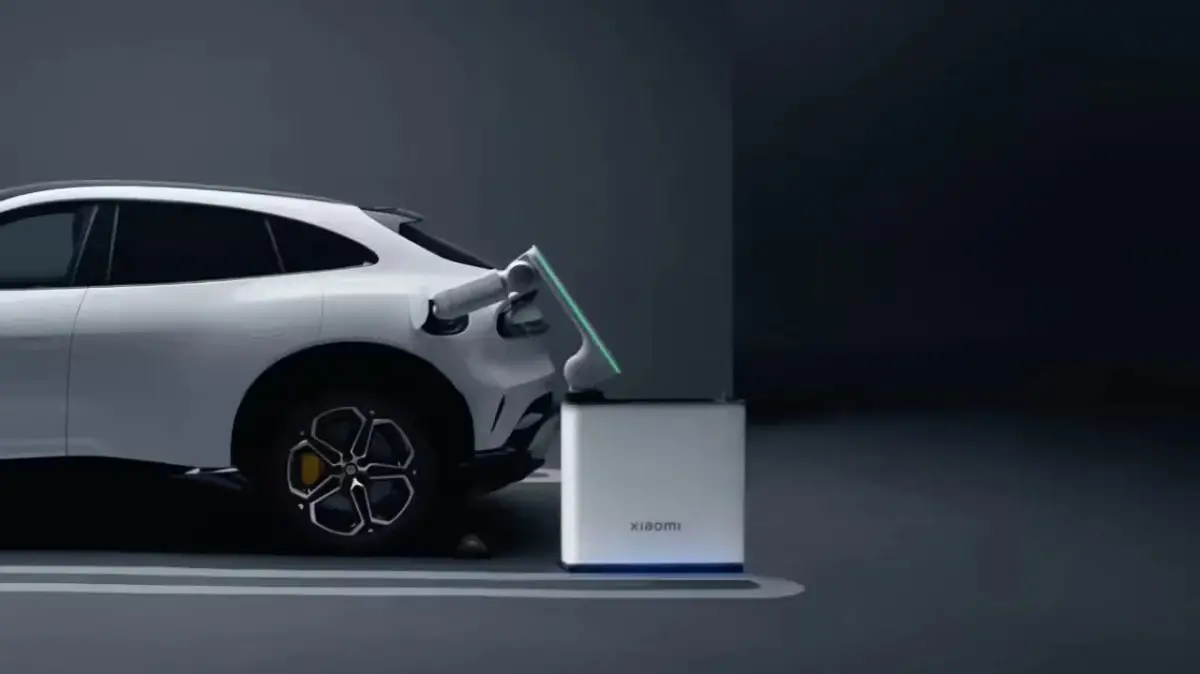
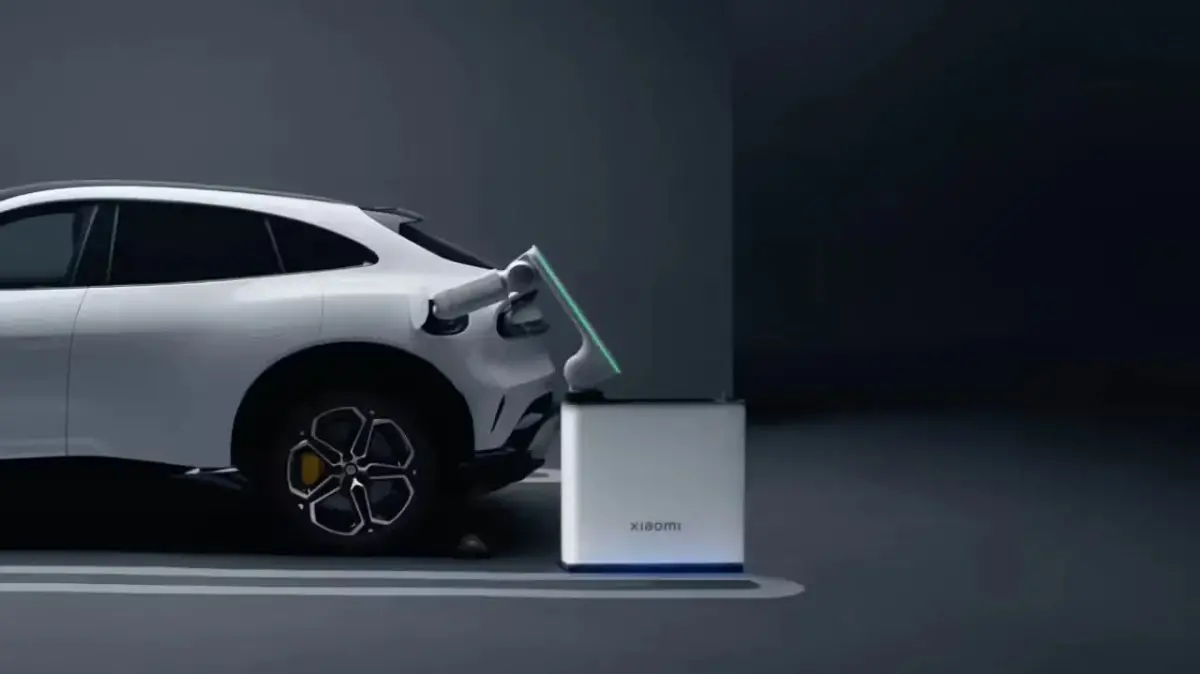
Xiaomi, the global technology giant, has stepped into the electric vehicle (EV) charging arena with a groundbreaking innovation: a robotic arm designed to autonomously plug and unplug EV charging cables. This development promises to eliminate the final, manual step in home charging, offering unprecedented convenience for EV owners. The device, showcased by the Chinese company, is engineered for residential garages and is slated for a market launch in the fourth quarter of 2026.
The concept of automated EV charging is not entirely new. Over a decade ago, Elon Musk, the CEO of Tesla, envisioned a similar automated charging solution for Tesla vehicles. This concept, often depicted as a metallic snake extending from a wall to connect with a vehicle, was even demonstrated as a prototype by Tesla in 2015. However, this project never progressed to commercialization and was eventually shelved, with Tesla shifting its focus towards wireless charging technologies for autonomous vehicles, such as its Cybercab initiative. Xiaomi’s approach, however, reintroduces a cable-based physical connection, aiming to bring a production-ready solution to consumers.
Technological Design and Functionality
The Xiaomi Robotic Charger is characterized by its compact design, measuring a mere 152 mm in width, making it suitable for installation even in space-constrained home garages. Its operation relies on advanced AI vision capabilities to precisely identify the location of the charging port. The robotic arm then guides the charging connector with exceptional accuracy, achieving precision within one millimeter. This high degree of accuracy is crucial for seamless and reliable connection.
Furthermore, the robotic system is designed to communicate directly with the vehicle. This enables it to automatically open or close the charging port cover before initiating or concluding the charging process. Users will have the ability to monitor the entire charging operation remotely via their smartphones, with seamless integration into both Xiaomi’s vehicle ecosystem and its broader smart home infrastructure. This level of integration signifies a move towards a more connected and automated living experience.
A Comparative Analysis: Wired vs. Wireless Charging
Xiaomi’s strategic decision to pursue a robotic wired charging solution, rather than solely focusing on wireless alternatives, stems from a deliberate analysis of the inherent advantages of physical connections. While wireless charging offers undeniable convenience by eliminating the need for cables, it is not without its drawbacks.
A significant concern with wireless charging is energy loss during the power transfer process. In ideal conditions, the efficiency of wireless charging typically ranges between 88% and 93%. This is due to the inherent nature of inductive charging, where an air gap exists between the charging pad and the vehicle’s receiver. This gap, while facilitating contactless charging, also contributes to energy dissipation.
In contrast, a direct physical connection, as facilitated by Xiaomi’s robotic charger, can achieve an efficiency of approximately 95%. This marginal, yet significant, difference in efficiency can have a cumulative impact on electricity consumption and operational costs over the lifespan of an electric vehicle. For consumers who drive extensively or aim to minimize their environmental footprint, even a few percentage points of energy savings can translate into substantial financial and ecological benefits.
Beyond efficiency, current wireless charging standards, such as SAE J2954, often impose limitations on charging power, typically capping it around 11 kW. Physical cable connections, on the other hand, possess the capability to support significantly higher charging power levels. This is a critical consideration for EV owners who require faster charging times, particularly for longer journeys or when charging a vehicle with a large battery capacity. While Xiaomi has not disclosed the specific power output of its robotic charger, its reliance on a wired connection suggests the potential for higher charging speeds compared to many current wireless solutions.
Historical Context and Market Precedents
The pursuit of automated EV charging solutions has a discernible history within the automotive industry. As mentioned earlier, Tesla’s early exploration of this technology in the mid-2010s underscores the long-standing recognition of the need for enhanced charging convenience. The company’s "Automated Supercharger" concept, though ultimately abandoned for commercial rollout, demonstrated an early commitment to innovation in this domain. The shift to wireless charging for autonomous mobility platforms like Cybercab indicates Tesla’s continued interest in futuristic charging paradigms, albeit through a different technological avenue.
Xiaomi’s re-engagement with the concept of automated wired charging positions it as a potential disruptor in the EV accessory market. By focusing on a robust, albeit mechanical, solution, the company aims to address a tangible consumer pain point: the manual effort involved in connecting and disconnecting charging cables. The timing of Xiaomi’s announcement also aligns with the rapidly growing global EV market. According to the International Energy Agency (IEA), global EV sales reached approximately 10 million in 2022, a substantial increase from previous years. This expanding market base creates a fertile ground for innovative charging solutions that enhance user experience.
Potential Market Impact and Consumer Adoption
The success of Xiaomi’s Robotic Charger will likely hinge on several factors, with pricing being a primary determinant. While the company has yet to reveal the official price of the product, the cost-effectiveness of the solution will be crucial for widespread consumer adoption. Home charging infrastructure, including the cost of chargers and installation, is a significant consideration for prospective EV buyers. If Xiaomi can position its robotic charger at a competitive price point, it could significantly influence consumer purchasing decisions.
The integration of the robotic charger with Xiaomi’s existing smart home ecosystem offers a compelling value proposition. For households already invested in Xiaomi’s range of smart devices, the seamless integration of an automated EV charger would represent a natural extension of their connected living environment. This ecosystem approach could foster brand loyalty and encourage adoption among existing Xiaomi customers.
The broader implications of this technology extend beyond mere convenience. By automating the charging process, Xiaomi’s robotic charger could contribute to increased EV adoption rates by lowering the perceived barrier to entry for potential buyers who might be deterred by the daily ritual of charging. Furthermore, the focus on efficiency and potentially higher charging speeds addresses key concerns that often accompany the transition to electric mobility.
Future Outlook and Industry Trends
The development of robotic charging solutions by companies like Xiaomi signifies a maturing EV charging landscape. As the market continues to evolve, there will be an increasing demand for solutions that offer greater convenience, efficiency, and integration with smart technologies. While wireless charging continues to advance, the continued refinement of wired charging automation suggests that physical connections will remain a viable and competitive option for the foreseeable future, especially for applications requiring higher power delivery and greater energy efficiency.
The success of this product could also spur further innovation from other manufacturers, potentially leading to a competitive race to develop even more advanced and user-friendly EV charging solutions. As the world transitions towards sustainable transportation, the role of smart and automated charging infrastructure will become increasingly critical in facilitating this global shift. Xiaomi’s foray into this domain with its robotic charger represents a significant step in that direction, promising to redefine the home charging experience for electric vehicle owners worldwide.
The underlying technology, employing AI vision and precise robotics, is indicative of broader trends in automation and artificial intelligence being applied to everyday tasks. This move by Xiaomi into the automotive accessory market also highlights the company’s ambition to expand its reach beyond consumer electronics and into sectors with significant growth potential. The long-term impact of such innovations on the EV ecosystem, consumer behavior, and the broader energy landscape will be a subject of keen observation in the coming years.
The announcement has generated considerable interest within the automotive and technology sectors. Industry analysts suggest that if Xiaomi can deliver a reliable and affordable product, it could set a new benchmark for home EV charging. The company’s track record in bringing innovative consumer electronics to market at competitive prices lends credence to this possibility. The coming years will undoubtedly reveal whether Xiaomi’s robotic charging arm will become a ubiquitous feature in garages around the world, truly automating the last mile of the electric vehicle charging experience.