Nila Kartika Wati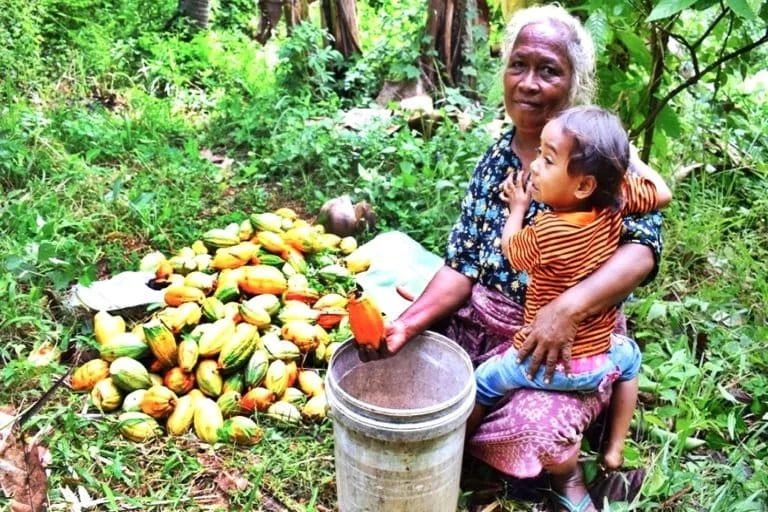
The landscape of forest management in Indonesia reached a historic milestone as the government officially granted management rights to hundreds of women in East Nusa Tenggara (NTT), marking a significant shift toward gender-inclusive environmental stewardship. On the occasion of Kartini Day, April 21, 2026, the Ministry of Forestry issued six Social Forestry Decrees (SK) under the Community Forest (HKm) scheme, covering a total area of 648.65 hectares. This initiative directly impacts 335 families across the region, with an overwhelming 92.54% of the management roles—representing 310 families—held by women. For the first time in the nation’s history, rural women are not merely participants in the forestry sector but are the legal and administrative leaders of forest farmer groups, holding the power to shape the ecological and economic future of their ancestral lands.
A Forty-Year Journey from Marginalization to Recognition
The roots of this achievement stretch back nearly four decades to the village of Gong Bekor in the Alok Timur District of Sikka Regency. Situated just 300 meters from the Iligai production forest, the community has long lived on the precipice of the wilderness. In 1987, when the village consisted of only 20 houses, a local visionary named Yudas Tadeus recognized that the survival of his community depended on the sustainable utilization of the surrounding forest. He famously urged his neighbors to forgo the trend of migrating to Kalimantan or Papua for labor, arguing that the same opportunities for prosperity existed within their own forests if managed correctly.
Agnes Guer, the widow of Yudas Tadeus and current leader of the Watu Letong Community Forest Group (HKm), recalls the early days of their struggle with vivid clarity. Under her husband’s guidance, ten men began planting cloves, cocoa, and durian within the forest boundaries. To sustain themselves while waiting for the trees to mature, they planted upland rice and corn. The success of their first harvest was celebrated with traditional rituals, including the sacrifice of a horse, symbolizing deep gratitude to the land. However, this early success was met with significant legal resistance. Because the land was classified as a state forest zone, Yudas Tadeus faced repeated interrogations by the Forestry Department and narrowly escaped imprisonment for "encroaching" on state property.
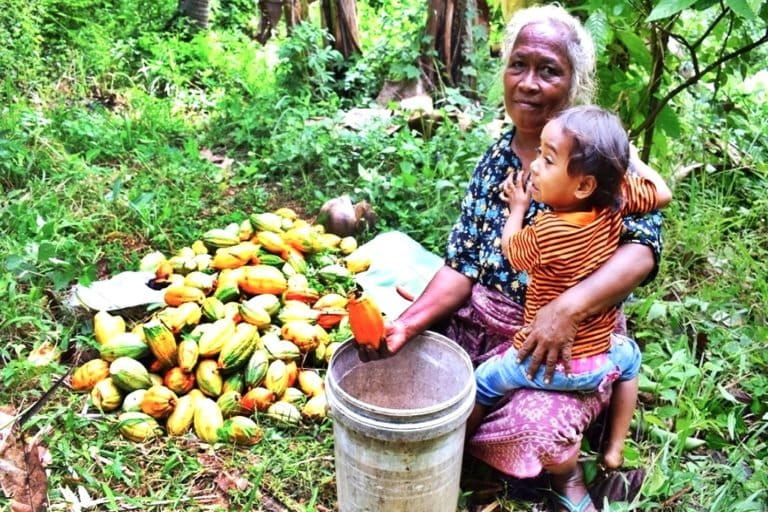
Despite the threat of criminalization, the community persisted, transitioning from subsistence farming to a sophisticated agroforestry system. Over decades, the once-sparse landscape transformed into a dense canopy of kemiri (candlenut), cocoa, coconut, nutmeg, durian, avocado, and vanilla. They also cultivated high-value bamboo species, such as Gigantochloa atter (Peli) and Dendrocalamus asper (Petung). Today, the success of this model is visible in the permanent homes and college degrees earned by the children of Gong Bekor, all funded by the sustainable harvest of forest products. The recent issuance of the Social Forestry SK is the final, formal validation of a forty-year struggle for land rights.
Detailed Breakdown of the New Social Forestry Permits
The 648.65 hectares granted under the new decrees are distributed across several regencies in NTT, specifically targeting Forest Farmer Groups (KTH) where women hold the majority of leadership and membership roles. The distribution is as follows:
- West Manggarai Regency: The KTH Ca Nai in Tanjung Boleng Village received 161 hectares. Out of 36 member families, 32 are led by women.
- Manggarai Regency: The KTH Mama Bambu Betong Asa in Belang Turi Village was granted 189 hectares for 158 families, 146 of which are women-led.
- East Manggarai Regency: Two groups received permits. KTH Nola Wonga in Watu Nggene Village manages 83.37 hectares (24 out of 28 families are women), and KTH Poco Ndeki in Kota Ndora Village manages 60.63 hectares (25 out of 29 families are women).
- Sikka Regency: In addition to the KTH Watu Letong in Gong Bekor Village, which manages 92.32 hectares (57 out of 58 families are women), the KTH Betun Bekor in Darat Gunung Village received 57.33 hectares, with a membership consisting entirely of 26 women.
This targeted allocation reflects a strategic effort to integrate gender mainstreaming into Indonesia’s national forestry goals. Catur Endah Prasetiani, Director General of Social Forestry at the Ministry of Forestry, noted that while the national Social Forestry program has reached 8.3 million hectares and benefited 1.4 million families, women have historically accounted for only 7% of the participants. The NTT initiative serves as a corrective measure, proving that women can and should be the primary actors in forest conservation.
Economic Resilience and the Prevention of Domestic Violence
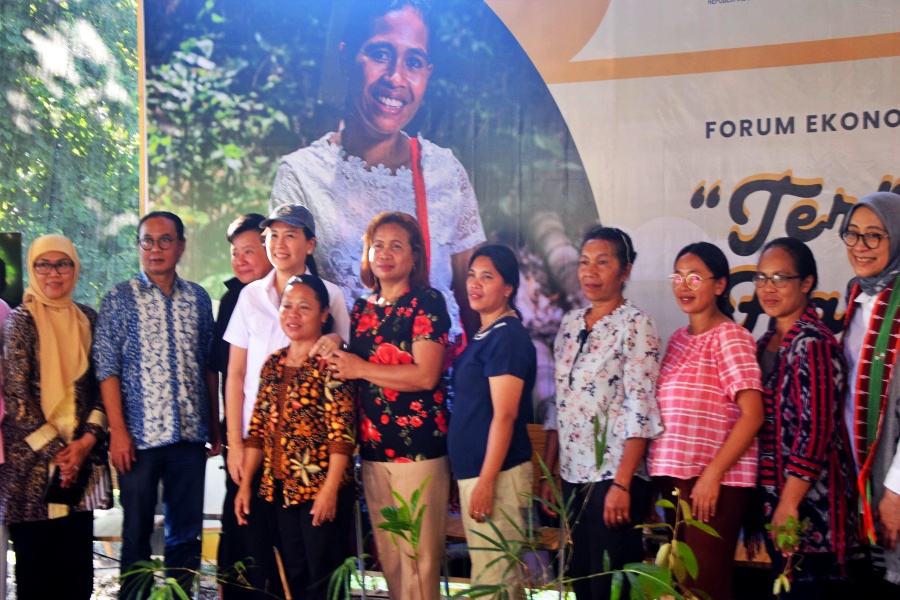
The implications of these decrees extend far beyond environmental conservation. During a forum at the Komodo Bamboo Campus titled "The Birth of Hope," Veronica Tan, the Deputy Minister of Women’s Empowerment and Child Protection, emphasized the link between land rights and social stability. She argued that providing women with legal access to land is a fundamental step in eradicating poverty, which is often the root cause of domestic violence.
By controlling the "upstream" aspects of forestry—meaning the planting, maintenance, and harvesting—rather than just the "downstream" processing and marketing, women gain total agency over their economic lives. The government’s strategy is to transform these women from subsistence gatherers into entrepreneurs who can create value-added products from their harvests. In Sikka and Manggarai, this includes the processing of bamboo into high-value construction materials and the production of organic cocoa and vanilla for export markets.
The role of bamboo is particularly significant in this region. The "Mama Bambu" initiative in Wolowea Village, for instance, has demonstrated that bamboo can be a sustainable alternative to timber, providing a steady income while protecting the soil and water cycles. By institutionalizing these roles through the Social Forestry SKs, the government ensures that these economic benefits are protected by law, preventing the displacement of women by large-scale industrial interests.
Technical and Academic Perspectives on Tenure Reform
The issuance of these decrees is also seen as a victory for systemic forest tenure reform. Mia Siscawati, a scholar from the Gender Studies program at the University of Indonesia, highlighted that the movement for "forests for the people" has been a decades-long advocacy effort. Since the 1980s, civil society groups have pushed for a reform of the state’s command-and-control approach to forestry, which often ignored the traditional knowledge and rights of local communities.
According to Siscawati, the NTT model is a prime example of "Restorative Economy," where the restoration of the environment happens in tandem with the restoration of human rights. This approach recognizes that local communities, particularly women, are the most effective guardians of the forest because their survival depends on the health of the ecosystem. Unlike industrial concessions that may prioritize short-term extraction, community-managed forests prioritize long-term sustainability and biodiversity.
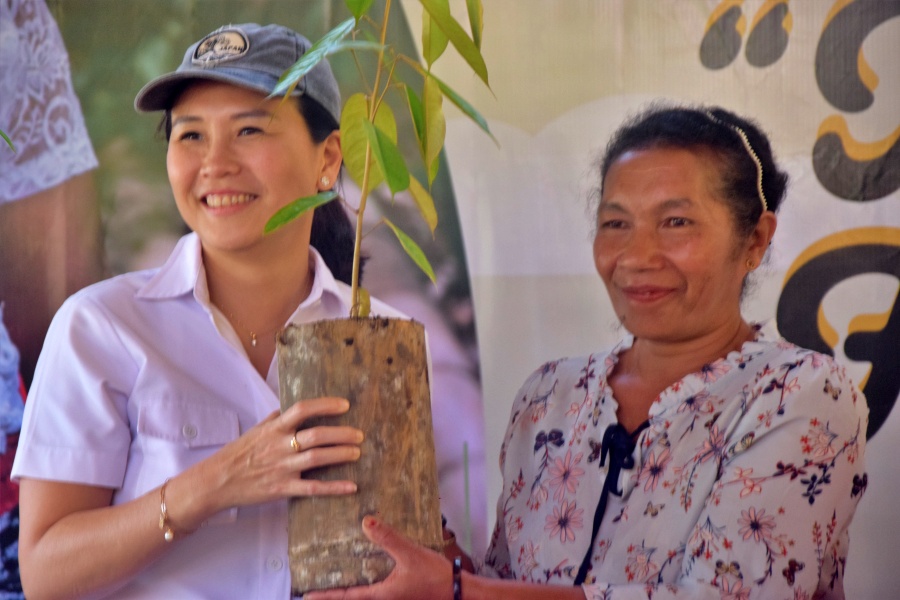
Monika Tanuhandaru, Chairperson of the Environmental Bamboo Foundation (YBLL), which collaborated with the government to facilitate these permits, stated that providing women with land access, knowledge, and modest capital allows them to "take flight." The foundation’s work in NTT has focused on training women in agroforestry techniques that combine traditional wisdom with modern sustainability standards. This collaboration between the Ministry of Forestry, the Ministry of Women’s Empowerment, and non-governmental organizations represents a holistic model for rural development.
Chronology of Social Forestry Evolution in Indonesia
To understand the weight of this event, one must look at the evolution of Indonesian forestry policy:
- 1980s-1990s: Forestry management was characterized by large-scale corporate concessions. Local communities in places like Sikka were often labeled as "encroachers" or "destroyers" of the forest.
- 2007: The government introduced the Social Forestry scheme, though implementation was slow and plagued by bureaucratic hurdles.
- 2014-Present: Under the administration of President Joko Widodo, Social Forestry became a national priority (Nawacita), with a target of 12.7 million hectares.
- 2020-2024: Increased focus on "Hutan Adat" (Customary Forests) and the integration of gender-specific targets.
- 2026: The landmark issuance of the NTT decrees, specifically prioritizing women-led Forest Farmer Groups, setting a new benchmark for the "Green Economy" in eastern Indonesia.
Broader Implications and Future Outlook
The success of the women in Sikka and Manggarai serves as a blueprint for other regions in Indonesia and across the Global South. By securing land tenure, the government has effectively mitigated the risk of land grabbing and provided a safety net for hundreds of families. The next phase of this program will involve strengthening the "Business Groups of Social Forestry" (KPS), which will focus on post-harvest technology, branding, and accessing international markets for sustainable forest products.
Agnes Guer and her colleagues are already looking toward the future. With the legal security provided by the SK, they plan to expand their nurseries and implement more rigorous forest patrol systems to prevent illegal logging by outsiders. "The issuance of this SK made us cry with joy," Agnes said. "It is the end of a 40-year wait. Now, we no longer have to fear the authorities. We are the guardians of the forest, and we have the papers to prove it."
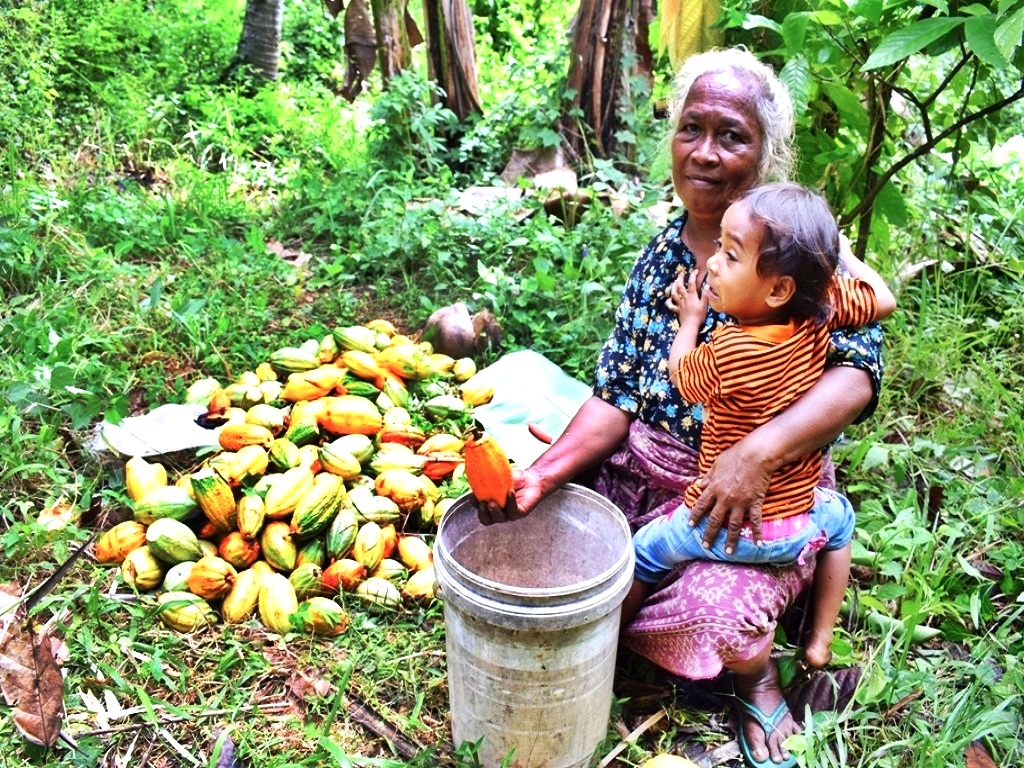
As Indonesia continues to grapple with the challenges of climate change and rural poverty, the empowerment of women through Social Forestry offers a compelling solution. It demonstrates that when the state trusts its citizens—particularly the women who have nurtured the land for generations—the result is a more resilient, equitable, and greener nation. The forests of NTT, once a site of conflict and legal uncertainty, have now become a symbol of restorative justice and sustainable prosperity.