Nila Kartika Wati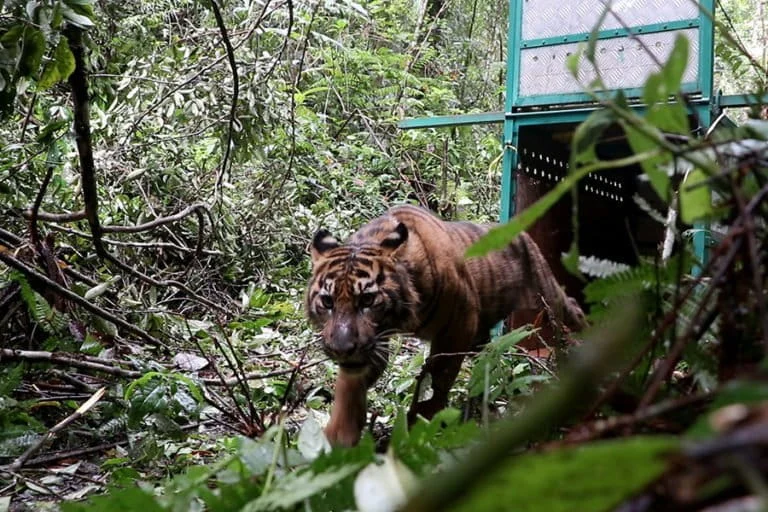
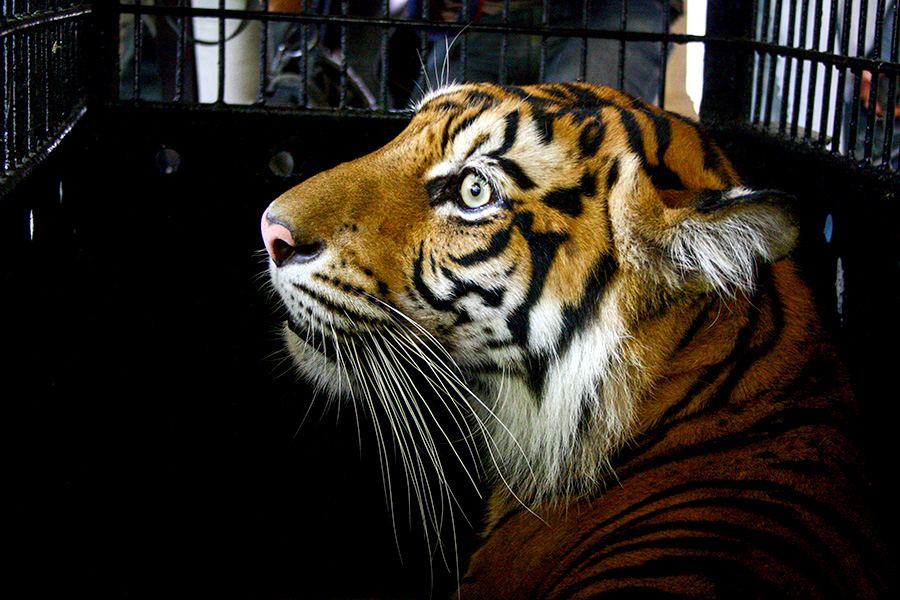
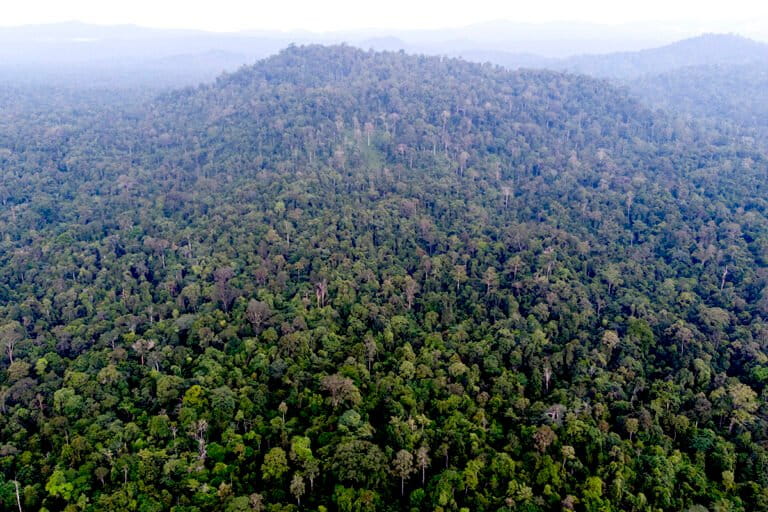
The Leuser Ecosystem, a sprawling expanse of tropical rainforest stretching across the provinces of Aceh and North Sumatra, remains the ultimate stronghold for the Sumatran tiger (Panthera tigris sumatrae), a subspecies currently classified as Critically Endangered by the International Union for Conservation of Nature (IUCN). In this rugged terrain, the great cat continues to roam as the apex predator, maintaining a delicate balance within the food chain. However, while recent data suggests that the population remains relatively stable, a confluence of mounting threats—ranging from habitat fragmentation and forest encroachment to intensified human-wildlife interactions—continues to cast a long shadow over the future of this iconic species.
Current Population Trends and Monitoring Efforts
According to Ujang Wisnu Barata, the Head of the Aceh Natural Resources Conservation Agency (BKSDA), the current population of Sumatran tigers in Aceh is estimated to be between 150 and 170 individuals. This population is primarily distributed across two vital landscapes: the Leuser Ecosystem (KEL) and the Ulu Masen forest block. These figures are the result of rigorous monitoring efforts conducted in the Leuser landscape during 2021 and a subsequent observation period spanning 2023 to 2024.
While the numbers appear stable compared to data from previous years, officials caution against complacency. "These figures still require further diversification and verification through continuous, long-term monitoring," Barata stated during a press briefing on Tuesday, June 16, 2026. The stability of the tiger population is a testament to the resilience of the species, but it does not necessarily correlate with the overall health of the habitat. The Leuser Ecosystem is unique globally as the only place where four of the world’s most endangered large mammals—the Sumatran tiger, elephant, orangutan, and rhino—coexist in the wild. All four are listed as Critically Endangered, making the preservation of this landscape a matter of international conservation priority.
The Rising Tide of Human-Wildlife Conflict
In recent years, a troubling trend has emerged: despite stable population estimates, reports of tiger sightings near plantations and residential areas have increased significantly. In districts such as South Aceh, East Aceh, and Southeast Aceh, local communities frequently report discovering tiger tracks, hearing roars near their homes, or having direct visual encounters with the predators.
Conservationists emphasize that an increase in sightings does not equate to a population boom. Instead, it often serves as a distress signal from the forest. "Increased interaction does not always indicate that the tiger population is growing," Barata explained. "In many cases, these incidents occur because pressure on the habitat is forcing the animals to move closer to human activity zones."
Unlike the Sumatran elephant (Elephas maximus sumatranus), which often moves in predictable herds, the Sumatran tiger is a solitary and highly territorial animal with an expansive home range. The dynamics of tiger movement are particularly influenced by the life cycle of the species. When young individuals reach maturity, they are driven to seek out new territories. If the core forest areas are saturated or degraded, these young tigers are pushed into the "buffer zones" or "edge habitats" that border human settlements and livestock grazing lands. This migration pattern, exacerbated by the loss of natural prey within the deep forest, inevitably leads to conflict.
Habitat Fragmentation and the Role of Corporate Expansion
The primary driver behind these shifting dynamics is the fragmentation of the forest. Anggi Putra Prayoga, a forest campaigner for Greenpeace Indonesia, argues that while poaching remains a significant threat, the systematic breaking up of the forest into isolated "islands" of habitat is perhaps more dangerous in the long run. Large-scale land clearing within the Leuser Ecosystem has transformed previously contiguous forest blocks into disconnected pockets.
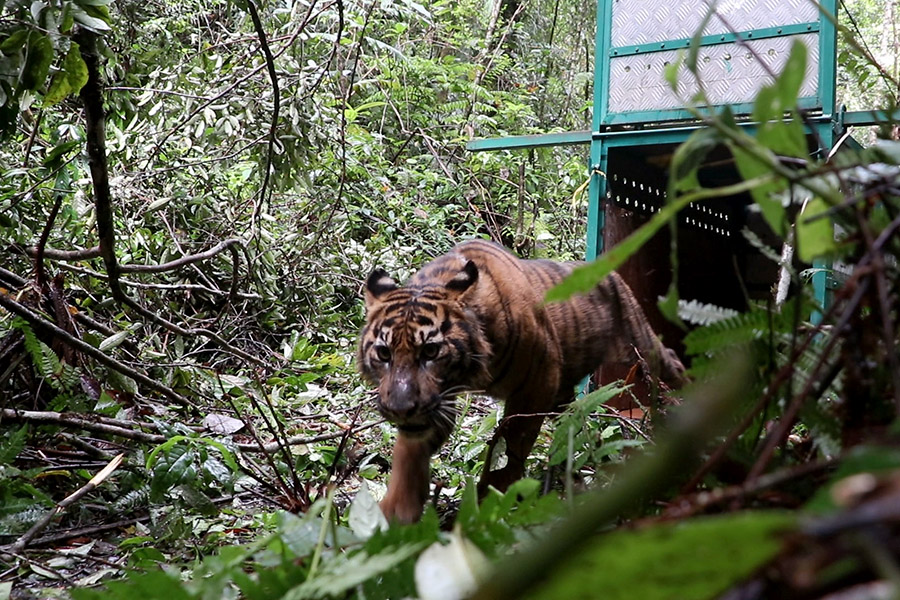
"When an ecosystem is fragmented, the roaming space for wildlife narrows," Prayoga noted. "Tigers require interconnected habitats to hunt for prey and maintain genetic diversity through breeding. Without these corridors, they become trapped in small areas that cannot sustain them."
The irony, according to Greenpeace, is that even designated conservation areas are not immune to deforestation. Much of this pressure stems from the conversion of natural forests outside of protected zones into monoculture plantations, particularly oil palm. As the surrounding landscape is stripped of its natural cover, the wildlife is forced to retreat into the remaining conservation cores, which then experience "overcrowding" and a subsequent spillover back into human-dominated landscapes.
Furthermore, the legal framework surrounding conservation in Indonesia has come under scrutiny. Prayoga pointed out that current regulations often disproportionately penalize local communities for small-scale encroachments while failing to hold large corporations accountable for large-scale environmental degradation. "The enforcement against corporations linked to forest destruction often lacks effectiveness, whereas the law is very quick to act against vulnerable local populations," he added.
Cultural Connections and the "Closer to Leuser" Narrative
The struggle to save the Leuser Ecosystem is not merely a biological or legislative battle; it is a human one. This was the central theme of a documentary film series titled Closer to Leuser, which premiered at Ruang Analoog in Jakarta on June 6, 2026. The film seeks to bridge the gap between urban audiences and the realities of life on the forest frontier.
The documentary highlights the stories of individuals like Ibrahim, a resident of Ketambe in Southeast Aceh. Despite having only a primary school education, Ibrahim is revered by international researchers as the "Professor of Leuser" for his encyclopedic knowledge of the forest’s flora and fauna. His ability to identify thousands of plant species and understand the complex interdependencies of the ecosystem underscores the deep traditional ecological knowledge held by local communities.
Another featured figure, Mustafa, an orangutan "pawang" (handler) from the Rawa Singkil peat swamp, demonstrates the profound connection between humans and great apes. His skills in navigating the treacherous peatlands and interpreting the behavior of wild orangutans have made him an indispensable ally for conservationists and filmmakers alike.
However, the film also captures the darker side of the environmental crisis. It transitions from serene images of orangutans in the canopy to the devastating aftermath of illegal logging. Footage of timber piles washed away by flash floods and landslides serves as a stark reminder of the consequences of deforestation. Last year, such disasters forced hundreds of Aceh residents to abandon their homes, proving that when the forest loses its ability to protect the land, it is the people who pay the ultimate price.
Analysis of Implications and Future Outlook
The situation in the Leuser Ecosystem represents a critical juncture for Indonesian conservation policy. The stability of the tiger population offers a glimmer of hope, but it is a fragile victory that could easily be reversed if current land-use trends continue.
A brief analysis of the implications suggests several necessary shifts in strategy:
- Landscape-Level Management: Conservation efforts must move beyond the boundaries of national parks. Protecting "buffer zones" and "wildlife corridors" on private and provincial land is essential to prevent tigers from being isolated in genetic bottlenecks.
- Corporate Accountability: There is an urgent need for more stringent monitoring of supply chains for commodities like palm oil and timber. If the conversion of forest land continues unabated, the "stable" tiger population will eventually collapse due to a lack of prey and space.
- Community-Led Conservation: As demonstrated by the figures in the Closer to Leuser film, local communities are the most effective guardians of the forest. Integrating traditional knowledge into formal conservation strategies and providing economic incentives for forest protection (such as carbon credits or eco-tourism) could reduce the necessity for illegal logging.
- Disaster Mitigation: The link between deforestation and natural disasters in Aceh is now undeniable. Protecting Leuser is no longer just about saving a tiger; it is about the regional security of human populations against the increasing frequency of climate-related catastrophes.
Farwiza Farhan, Executive Director of the Forest, Nature and Environment of Aceh (HAkA), emphasized that Leuser must be understood as more than just a map coordinate or a park. "Leuser is a living landscape where the history of humans and nature has been intertwined for generations," she said. "The school of nature never ends, and the lessons we learn from it today will determine whether the Sumatran tiger remains a king of the forest or becomes a ghost of the past."
As the monitoring continues through 2026 and beyond, the international community and the Indonesian government face the daunting task of ensuring that the Leuser Ecosystem remains a functional, connected, and protected home for the species that define Sumatra’s natural heritage. The "stable" population of 170 tigers is not a final success, but a call to action to protect the ground they walk on.