Nasution Nanang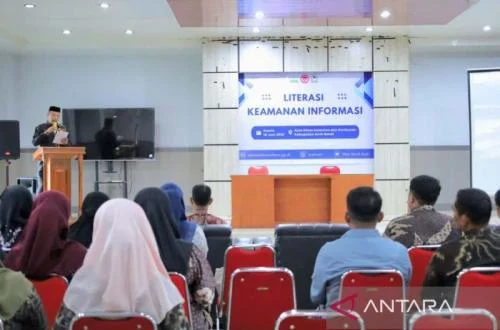
The West Aceh Regency Government (Pemkab Aceh Barat), located in Aceh Province, Indonesia, has launched a critical training program for its civil servants (Aparatur Sipil Negara or ASN) aimed at significantly enhancing their digital literacy in cybersecurity and data protection. This strategic initiative underscores the region’s unwavering commitment to safeguarding the integrity and confidentiality of state data, a paramount concern in an era defined by rapid digital transformation and an escalating landscape of cyber threats. The program is designed not only to equip government employees with the necessary skills to navigate the complexities of the digital world securely but also to reinforce the foundational principles of good governance and public trust in an increasingly interconnected society.
The Imperative of Digital Transformation and Cybersecurity
Indonesia, like many nations worldwide, is undergoing an ambitious digital transformation journey, spearheaded by national policies aimed at streamlining government operations, improving public service delivery, and fostering economic growth through technology. This shift, while promising immense benefits, simultaneously introduces a myriad of vulnerabilities that demand proactive and robust defensive measures. For local governments such as Aceh Barat, the challenge lies in harmonizing the rapid adoption of digital systems with the imperative of maintaining stringent security protocols. The Assistant for Administration of the Aceh Barat Regional Secretariat, Safrizal, articulated the regency’s dedication, stating, "The Aceh Barat Regency Government remains committed to accelerating digital transformation through the implementation of an integrated, transparent, and accountable digital government system." This statement highlights the dual objectives of efficiency and accountability that underpin the region’s digital strategy.
The training program, a collaborative effort initiated by the Aceh Communication, Information and Encryption Agency (Diskominsa Aceh) and the Aceh Barat Regency Communication and Information Agency (Diskominfo Kabupaten Aceh Barat), represents a timely response to the evolving legal consequences and security risks inherent in an age of pervasive information openness. Safrizal emphasized the dynamic nature of this environment, asserting that the digital world compels government entities to operate with greater speed, adaptability, and responsiveness to meet the burgeoning needs of the community. This recognition underscores a fundamental shift in governmental operations, moving from traditional, often bureaucratic, processes to agile, digitally-driven service models that necessitate a highly secure operational framework.
"Satu Data Indonesia": A National Framework for Data Governance
A significant driver behind Aceh Barat’s intensified focus on data governance is the national "Satu Data Indonesia" (One Data Indonesia) program. This overarching national regulation mandates a unified and standardized approach to data management across all government levels, from central ministries to local regencies. Safrizal revealed that the Aceh Barat Regency Government is diligently working to harmonize its sectoral data governance in compliance with this national mandate. The "Satu Data Indonesia" program aims to ensure that all government data is accurate, up-to-date, integrated, and easily accessible, thereby serving as a robust foundation for evidence-based policymaking and more effective public services.
The program’s legal basis is rooted in Presidential Regulation No. 39 of 2019 concerning One Data Indonesia, which seeks to address the historical fragmentation and inconsistency of government data. Prior to this initiative, various agencies often collected and managed data independently, leading to discrepancies, redundancies, and difficulties in inter-agency coordination. By establishing common standards, metadata, interoperability, and data sharing protocols, "Satu Data Indonesia" endeavors to create a single, authoritative source of government data. This integration of legally valid data, according to Safrizal, will not only fortify the government’s capacity to formulate targeted development policies but also facilitate the delivery of public services that are swift, user-friendly, and legally sound. The overarching goal is to enhance the transparency and accountability of government operations, foster innovation, and improve the overall quality of life for citizens through informed decision-making. The success of "Satu Data Indonesia" at the local level, therefore, is directly contingent upon the ability of civil servants to manage and protect digital information effectively.
The Escalating Threat Landscape: A Global and National Concern
The urgency of cybersecurity training in Aceh Barat is further amplified by the global and national surge in cybercrime. As governments increasingly rely on digital infrastructure to manage critical data and deliver essential services, they become prime targets for malicious actors ranging from individual hackers to sophisticated state-sponsored groups. Reports from various cybersecurity firms consistently indicate a year-on-year increase in cyberattacks, with governmental and public sector entities frequently featuring among the most targeted. Globally, the cost of cybercrime is projected to reach trillions of dollars annually, underscoring the immense economic and social disruption these attacks can inflict.
In Indonesia, the National Cyber and Crypto Agency (Badan Siber dan Sandi Negara or BSSN) has frequently highlighted the persistent and evolving nature of cyber threats. Government servers, databases, and communication networks are constantly probed for vulnerabilities. Safrizal specifically cautioned against a range of prevalent cyber threats that pose significant risks to public sector operations. These include:
- Data Breaches and Identity Theft: The unauthorized access to and exposure of sensitive personal information belonging to citizens. Such incidents not only violate individual privacy rights but can also erode public trust in government institutions and lead to severe legal repercussions for the affected entities. The proliferation of digital services, from e-ID cards to online tax portals, means that vast repositories of personal data are now digitized, making their protection paramount.
- Digital Document Forgery: The manipulation or creation of fraudulent digital documents. This threat directly undermines the legal validity and integrity of administrative records, potentially leading to widespread fraud, misallocation of resources, and challenges to the legal standing of government actions. For a government striving for transparency and accountability, the authenticity of digital records is non-negotiable.
- Large-scale Structured Attacks: These encompass sophisticated threats such as ransomware, malware, and phishing campaigns directed at government servers.
- Ransomware attacks encrypt critical data, demanding a ransom for its release, effectively paralyzing government operations. The cost of recovery, whether through paying the ransom or rebuilding systems, can be astronomical.
- Malware (malicious software) can secretly infiltrate systems, stealing data, disrupting services, or creating backdoors for future attacks.
- Phishing attempts to trick employees into revealing sensitive information or downloading malicious files, often serving as the initial entry point for more complex attacks. These structured attacks can disrupt essential public services, compromise national security, and incur substantial financial losses.
The implications of such cyber incidents extend beyond immediate operational disruptions. They can severely damage the reputation of government agencies, diminish public confidence in digital services, and even pose risks to national stability if critical infrastructure is targeted. Therefore, investing in cybersecurity training and infrastructure is not merely a technical necessity but a fundamental aspect of national security and good governance.
The Training Initiative: A Proactive Defense Strategy
Recognizing these profound challenges, the joint initiative by Diskominsa Aceh and Diskominfo Kabupaten Aceh Barat is a proactive step to fortify the regency’s digital defenses. The training is specifically tailored for civil servants, particularly those operating in technical instances responsible for data management and IT infrastructure. The curriculum likely covers a wide array of topics, from basic digital hygiene to advanced threat recognition and response protocols.
The objectives of the training are multi-faceted. Firstly, it aims to cultivate a pervasive culture of digital awareness and responsibility among all government employees. This involves understanding not only the technical aspects of cybersecurity but also the ethical and legal obligations associated with handling sensitive government and citizen data. Secondly, the program seeks to standardize and enforce robust digital protection practices across all departments. This ensures that every civil servant, regardless of their role, adheres to a consistent set of security protocols, thereby minimizing potential vulnerabilities. Lastly, and most critically, the training is designed to guarantee the integrity and confidentiality of state data, preventing its manipulation, unauthorized access, or loss.
The commitment articulated by Safrizal underscores the strategic importance of this training. It signifies a shift from a reactive stance, where agencies respond to breaches, to a proactive posture focused on prevention and resilience. By investing in human capital through specialized training, Aceh Barat is building an internal line of defense that is crucial for sustained digital security.
Three Pillars of Data Security for Civil Servants
To effectively minimize legal loopholes and prevent data protection failures, the Aceh Barat Regency Government has delineated three primary targets that its civil servants, particularly those in technical roles, must achieve to safeguard national data sovereignty:
- Building a Digital Vigilance Culture: This pillar emphasizes fostering an intrinsic culture of digital awareness within the bureaucracy. It involves instilling a deep understanding of legal frameworks pertaining to data protection, such as the Personal Data Protection Law (UU PDP) in Indonesia, and cultivating a strong sense of digital ethics. Civil servants must be educated on the value of the data they handle, the potential consequences of negligence, and their individual responsibility in upholding data security. This goes beyond mere technical knowledge, extending to an ethical compass that guides their digital interactions and data handling practices. Awareness campaigns, regular reminders, and clear guidelines on acceptable use policies are integral to establishing this culture. It’s about making cybersecurity an inherent part of every employee’s daily routine, not an afterthought.
- Implementing Disciplined Digital Protection: The second pillar focuses on the consistent application of information technology security standards in strict accordance with prevailing regulations. This means adopting and rigorously adhering to established protocols for password management, secure network access, data encryption, regular software updates, and the use of authorized devices and applications. It requires a disciplined approach to security, where compliance is not optional but mandatory. Regular audits, penetration testing, and vulnerability assessments will be crucial to ensure that these standards are not only in place but are also effectively protecting systems against evolving threats. This pillar necessitates a continuous cycle of review and improvement to keep pace with technological advancements and emerging cyber threats.
- Ensuring Data Integrity and Confidentiality: The final and perhaps most critical pillar is to guarantee that state data remains untampered and inaccessible to unauthorized parties. This involves implementing robust access controls, ensuring data backup and recovery mechanisms are in place, and employing advanced encryption techniques for data at rest and in transit. The goal is to prevent any form of data manipulation, unauthorized disclosure, or exfiltration. For civil servants, this means understanding the classification of different types of data (e.g., public, restricted, confidential) and applying appropriate handling procedures for each. It also involves being vigilant against social engineering tactics that aim to trick them into compromising data. The integrity of data ensures its reliability and trustworthiness for policy-making and public records, while confidentiality protects sensitive information from falling into the wrong hands.
These three interconnected pillars form a comprehensive strategy, moving beyond mere technical solutions to encompass the human element, which is often the weakest link in any security chain. By empowering civil servants with knowledge, instilling a culture of vigilance, and enforcing strict protocols, Aceh Barat aims to create a resilient digital environment.
Broader Implications for Public Service and Citizen Trust
The successful implementation of this cybersecurity and data protection training in Aceh Barat carries profound implications for the delivery of public services and the cultivation of citizen trust. When government data is secure, accurate, and readily available, it directly translates into more efficient, transparent, and responsive public services. Citizens can rely on the integrity of their digital interactions with the government, whether applying for permits, accessing health records, or participating in civic processes. This trust is foundational for the broader adoption of digital government services and for the public’s willingness to share necessary information with state entities.
Furthermore, a digitally secure government contributes significantly to national resilience against cyber threats. Local governments are often interconnected with national systems, meaning that a breach at one level can have cascading effects across the entire digital ecosystem. By strengthening its local defenses, Aceh Barat is playing a crucial role in fortifying Indonesia’s overall cybersecurity posture. This contributes to a stable environment for economic development, national security, and the protection of fundamental rights in the digital age.
The Path Forward: Sustained Commitment and Adaptability
The training program for civil servants in Aceh Barat is not an endpoint but rather a crucial milestone in an ongoing journey. The landscape of cybersecurity is constantly evolving, with new threats emerging regularly. Therefore, sustained commitment, continuous training, and adaptability will be paramount. This includes regular refresher courses, updates on new threats and technologies, and the periodic review and enhancement of security policies and protocols.
Collaboration between local and national agencies, such as Diskominsa Aceh, Diskominfo Kabupaten Aceh Barat, BSSN, and the Ministry of Communication and Information Technology (Kominfo), will remain vital. Sharing threat intelligence, best practices, and resources will enable a more unified and effective defense against cyber adversaries. Aceh Barat’s initiative serves as an exemplary model for other regions in Indonesia grappling with similar challenges in their digital transformation efforts.
Conclusion
Through this comprehensive training program, the Aceh Barat Regency Government is proactively establishing its civil servants as the frontline guardians of its digital infrastructure. By fostering a culture of digital vigilance, enforcing disciplined protection measures, and ensuring the integrity and confidentiality of data, Aceh Barat is laying a strong foundation for secure, legal, and trustworthy digital public services. This strategic investment in human capital and digital resilience is indispensable for the regency’s progress in the digital era, safeguarding its data sovereignty, bolstering citizen trust, and contributing significantly to Indonesia’s overarching vision of a secure and digitally empowered nation. The initiative stands as a testament to Aceh Barat’s foresight and dedication to navigating the complexities of the digital age responsibly and effectively.