Tyo Susilo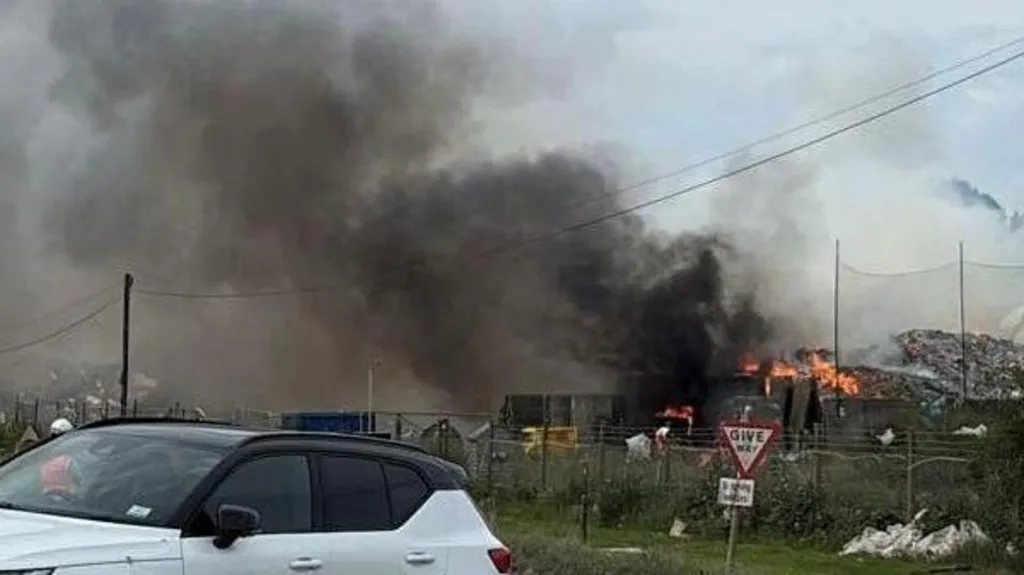
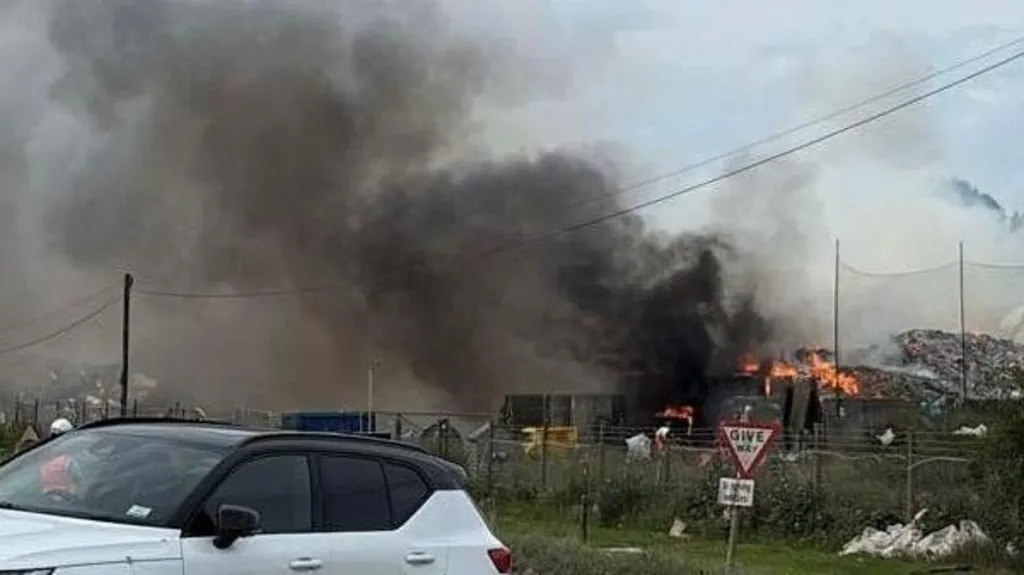
A concerning surge in fires, suspected to be ignited by faulty or improperly disposed of batteries, has prompted an urgent warning from fire services in Wiltshire, England. Over the past two weeks, the Dorset and Wiltshire Fire and Rescue Service (DWFRS) has responded to three significant incidents at waste management facilities in Warminster, Stanton St Quintin, and Lower Compton. These events serve as a stark reminder of the latent dangers posed by electronic waste, particularly batteries, when they are not handled and discarded through designated channels.
The incidents underscore a growing global problem: the increasing reliance on battery-powered devices coupled with inadequate disposal practices. As technology advances and consumer electronics become more ubiquitous, so too does the volume of electronic waste, or e-waste, generated. Lithium-ion batteries, commonly found in smartphones, laptops, vapes, and electric vehicles, are particularly susceptible to thermal runaway under certain conditions, leading to fires that can be difficult to extinguish and pose significant risks to infrastructure and personnel.
A Series of Alarming Incidents: Chronology of Fires
The pattern of fires began to emerge within a concentrated period, highlighting the immediacy of the issue. While specific dates for each incident were not provided in the initial report, the DWFRS confirmed that three facilities were affected within a fortnight.
The most significant of these occurred at the Lower Compton facility. This blaze was particularly destructive, reportedly engulfing approximately 100 tons of household waste. The scale of the fire necessitated a substantial response from the fire service, with around ten fire engines, including multiple water carriers and pump vehicles, deployed to combat the inferno. The visual impact of such an incident, with thick smoke plumes visible for miles, likely heightened public awareness and concern.
These repeated occurrences have led to a direct plea from local authorities. The Wiltshire Council, in response to these events, has reiterated its firm advice to residents: do not dispose of batteries or battery-powered electronic devices, such as vaping products, in general waste bins. This message is not merely a suggestion but a critical public safety directive aimed at preventing further costly and dangerous incidents.
Understanding the Risks: The Science Behind Battery Fires
The Dorset and Wiltshire Fire and Rescue Service has provided crucial insights into why these fires are occurring. According to their assessment, batteries themselves are generally safe when used as intended and under normal operating conditions. However, the risk profile shifts dramatically when batteries are subjected to adverse conditions. These include:
- Overcharging: Exceeding a battery’s designed charging capacity can lead to an accumulation of heat and internal stress, potentially triggering a thermal runaway.
- Short Circuiting: Internal or external short circuits can cause a rapid discharge of energy, generating extreme heat and igniting flammable materials within or around the battery.
- Physical Damage: Punctures, crushing, or other forms of physical damage to a battery can compromise its internal structure, leading to internal shorts and thermal events. This is a common risk for batteries that end up in waste streams, where they are subjected to the rigors of collection and processing.
- Water Submersion: While less common as a primary ignition source, water can exacerbate existing damage or lead to corrosion that might eventually cause internal issues.
The DWFRS has been unequivocal: the haphazard disposal of batteries significantly elevates the risk of fires, and even explosions, within waste management facilities. These sites are not designed to handle the volatile nature of damaged or improperly handled batteries. The sheer volume of waste processed daily creates a volatile environment where a single faulty battery can initiate a chain reaction.
Wider Context: A Global E-Waste Challenge
The situation in Wiltshire is not an isolated incident but reflects a broader global challenge. The United Nations Environment Programme (UNEP) estimates that the world generates over 50 million metric tons of e-waste annually, a figure projected to rise significantly in the coming years. This deluge of discarded electronics contains valuable resources but also hazardous materials, including heavy metals and flammable components.
Proper e-waste management is crucial for several reasons:
- Environmental Protection: E-waste can leach toxic substances into the soil and water, harming ecosystems and human health.
- Resource Recovery: Electronics contain precious metals like gold, silver, and copper, as well as rare earth elements, which can be recovered and reused, reducing the need for virgin mining.
- Safety: As demonstrated in Wiltshire, improper disposal poses significant fire risks, leading to environmental damage, economic losses, and potential injuries.
Globally, initiatives are underway to improve e-waste collection and recycling. However, public awareness and participation remain critical bottlenecks. Many consumers are unaware of the correct disposal methods for their old electronics, or they prioritize convenience over responsible disposal.
Official Responses and Public Guidance
The response from the Wiltshire Council has been characterized by direct public communication and a clear call to action. The council’s directive to avoid placing batteries and battery-powered devices in general waste bins is accompanied by specific guidance on alternative disposal methods.
Residents are strongly encouraged to utilize dedicated recycling facilities and designated battery collection points. These specialized drop-off locations are equipped to handle e-waste safely and ensure that batteries are processed appropriately. Some collection services may also require specific packaging, such as placing batteries in clear bags before submission. This simple step can further mitigate risks by containing any potential leaks or minor damage and making batteries more visible to waste handlers.
The council’s messaging aims to empower citizens with the knowledge and means to participate in responsible e-waste management. By making it clear how to dispose of these items correctly, they are addressing a key barrier to public compliance.
Broader Implications and Analysis
The fires in Wiltshire serve as a potent case study of the cascading consequences of improper e-waste disposal. Beyond the immediate threat of fire and destruction at waste facilities, there are significant economic and operational implications. Firefighting efforts are resource-intensive, diverting emergency services from other potential calls. The cost of containing and extinguishing these fires, as well as the cleanup and disposal of the affected waste, can be substantial. Furthermore, disruptions to waste management operations can lead to delays and increased costs for local authorities and, ultimately, taxpayers.
The trend also highlights the need for greater collaboration between manufacturers, retailers, waste management companies, and local governments. Extended Producer Responsibility (EPR) schemes, where manufacturers are held responsible for the end-of-life management of their products, are gaining traction in many regions. These schemes can incentivize the design of more recyclable products and fund improved collection and recycling infrastructure.
The rise in battery-related fires is also a signal to manufacturers and regulators. As battery technology evolves, particularly with the advent of higher-density and faster-charging batteries, safety standards and disposal protocols must keep pace. Continuous research into battery safety, improved thermal management systems, and the development of more sustainable battery chemistries are essential.
Lessons Learned for the Future
The incidents in Wiltshire are a microcosm of a global environmental and safety challenge. The simple act of discarding a used battery into a general waste bin can have far-reaching and dangerous consequences. As the use of battery-powered devices continues to proliferate, so too must our collective understanding and commitment to responsible e-waste management.
The message from Wiltshire is clear: the convenience of modern technology must be balanced with the responsibility of its disposal. By taking a few extra steps to ensure batteries and electronic devices are recycled correctly, individuals can play a vital role in preventing fires, protecting the environment, and ensuring the safety of waste management workers and the wider community. It is time to transform our approach from simple disposal to conscious recycling, ensuring that the small power sources that fuel our daily lives do not become the source of significant future problems. The global e-waste problem demands immediate and sustained attention, and the fires in Wiltshire are a stark reminder of the urgency.