Tata Titiana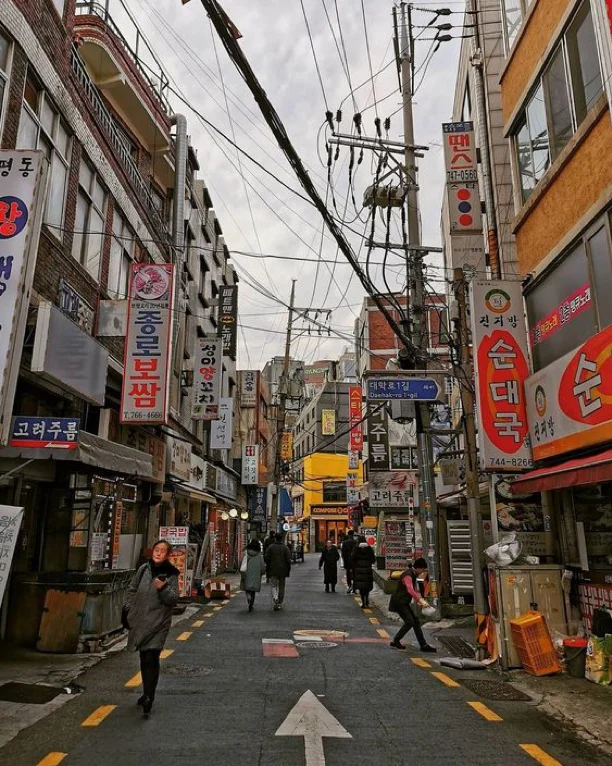
South Korea has emerged as a premier travel destination, captivating a global audience, including a significant influx of Indonesian tourists. This surge in popularity is undeniably intertwined with the widespread appeal of Korean dramas, which often feature breathtaking backdrops that ignite wanderlust. Beyond the silver screen, the nation offers a rich array of attractions that blend stunning natural beauty with vibrant urban experiences, providing visitors with a tangible connection to the settings of their favorite stories. This article delves into several key destinations that exemplify South Korea’s unique cultural charm and visual appeal, offering travelers an immersive experience that transcends mere sightseeing.
The Allure of Seoul’s Dynamic Districts
The capital city of Seoul, a sprawling metropolis at the heart of South Korea’s cultural and economic boom, serves as a focal point for many of these recommended destinations. Its energetic pulse and diverse offerings cater to a wide spectrum of interests, from the discerning art aficionado to the casual observer seeking authentic local flavor. The city’s ability to seamlessly blend modernity with tradition makes it a compelling subject for exploration, and its prominent role in the global rise of Korean Wave (Hallyu) further amplifies its attractiveness.
Geonbae: A Glimpse into Seoul’s Vibrant Nightlife and Urban Energy
For travelers seeking to immerse themselves in the pulsating heart of a modern metropolis, Geonbae presents an unmissable experience. This lively district, characterized by its streets lined with an eclectic array of bars and pubs, embodies the quintessential urban nightlife of South Korea. The visual impact of Geonbae is immediate; its vibrant signage and the constant hum of activity create an atmosphere that is both exhilarating and distinctly metropolitan.
Geonbae is not merely a nocturnal destination; it thrives throughout the day and night, attracting a diverse crowd comprising locals unwinding after work and international visitors eager to sample the local scene. The area’s accessibility and perpetual buzz ensure that it remains a dynamic hub, offering a consistent taste of Seoul’s energetic spirit. The architectural style and the sheer density of establishments contribute to a visually stimulating environment, often depicted in dramas as a setting for pivotal social gatherings or moments of reflection. The continuous flow of people, the diverse culinary offerings often found in adjacent eateries, and the omnipresent glow of neon lights all contribute to a sensory experience that is deeply evocative of contemporary Korean urban life. This district’s appeal lies in its authenticity and its ability to offer a raw, unfiltered glimpse into the social fabric of Seoul. Its consistent popularity underscores its significance as a cultural touchstone for understanding the city’s dynamic social landscape.
Daehakro: The Cradle of Korean Performing Arts and Cultural Expression
Further enriching Seoul’s cultural landscape is Daehakro, a district renowned as the epicenter of the nation’s performing arts scene. Stretching approximately 1.6 kilometers, this vibrant avenue draws parallels to the famed Broadway in New York City, serving as a vital artery for artistic expression and innovation in South Korea. Daehakro is not just a street; it’s a living testament to the country’s rich theatrical and musical heritage.
The district is characterized by its numerous theaters, performance halls, and art galleries, many of which have been integral to the development of Korean performing arts for decades. Visitors can expect to encounter a diverse range of performances, from traditional Korean plays and musicals to avant-garde theatrical productions and contemporary dance shows. The sheer volume and variety of artistic offerings make Daehakro a cultural powerhouse, drawing both seasoned theater enthusiasts and curious travelers.
The historical significance of Daehakro cannot be overstated. Its origins trace back to a time when it was a hub for university students and artists, fostering a spirit of creativity and intellectual exchange. Over the years, it has evolved into a professional arts district, attracting talent from across the country and establishing itself as a crucial platform for emerging artists and established troupes alike. The street itself is often adorned with artistic installations and murals, further enhancing its creative ambiance. The presence of numerous cafes, restaurants, and shops catering to the artistic community adds to its unique character, making it a vibrant and engaging place to explore. The performances held here often reflect contemporary social issues, historical narratives, and universal human experiences, providing a profound insight into the Korean psyche and its artistic evolution. The area’s enduring appeal lies in its commitment to fostering a thriving arts ecosystem, making it an indispensable destination for anyone seeking to understand the depth and dynamism of South Korean culture.

Starfield Library: A Monument to Knowledge and Architectural Grandeur
For those seeking a more serene yet equally awe-inspiring experience, the Starfield Library, located within the COEX Mall in Seoul, offers a unique blend of intellectual stimulation and visual splendor. This expansive public library is not merely a repository of books; it is a breathtaking architectural marvel that has become an iconic symbol of modern Korean design and a popular spot for photography and quiet contemplation.
The library’s most striking feature is its towering bookshelves, which reach an impressive height of 13 meters, creating a dramatic visual effect that has captivated visitors worldwide. These colossal shelves house an extensive collection of over 50,000 books and periodicals, encompassing a wide range of genres and subjects, from bestsellers to academic journals and even ancient manuscripts. The sheer scale of the collection, meticulously organized and presented, underscores Seoul’s commitment to knowledge dissemination and cultural preservation.
The design of the Starfield Library is intentionally open and inviting, with ample seating areas, comfortable reading nooks, and well-lit spaces that encourage visitors to linger and explore. The ambiance is one of quiet sophistication, punctuated by the gentle rustling of pages and the hushed footsteps of patrons. It serves as a sanctuary from the bustling city, offering a tranquil retreat for readers and a stunning visual backdrop for those who appreciate innovative interior architecture.
The library’s popularity has transcended its function as a place for borrowing books. It has become a social hub, a popular venue for events, book signings, and even fashion shoots, further cementing its status as a multifaceted cultural landmark. The presence of digital information kiosks and free Wi-Fi access ensures that it remains relevant in the digital age, seamlessly integrating traditional learning with modern technological conveniences. The Starfield Library stands as a testament to the fact that public spaces can be both functional and profoundly beautiful, offering an enriching experience that appeals to both the intellect and the aesthetic sensibilities of its visitors. Its existence highlights Seoul’s dedication to creating accessible and inspiring public spaces that contribute to the overall quality of life for its residents and visitors alike.
Beyond the Capital: Expanding the Horizon of Korean Exploration
While Seoul undoubtedly holds a significant concentration of popular tourist attractions, South Korea’s appeal extends far beyond its bustling capital. The nation’s diverse geography, rich history, and distinct regional cultures offer a plethora of other compelling destinations that cater to a wide array of traveler preferences.
The Island Paradise of Jeju: Often referred to as the "Hawaii of South Korea," Jeju Island is a UNESCO World Heritage site renowned for its dramatic volcanic landscapes, pristine beaches, and unique local culture. Hallasan National Park, home to South Korea’s highest peak, offers challenging hiking trails with breathtaking panoramic views. The island’s coastline is dotted with picturesque fishing villages, lava tubes like Manjanggul Cave, and the iconic Seongsan Ilchulbong (Sunrise Peak), a tuff cone crater that provides spectacular sunrise vistas. Jeju’s distinct dialect, cuisine, and traditions, shaped by its island isolation, offer a fascinating glimpse into a different facet of Korean identity. The island’s reputation as a honeymoon destination and a natural playground has solidified its place as a top tourist spot.
The Historic Charm of Gyeongju: For history buffs, Gyeongju, the ancient capital of the Silla Kingdom (57 BCE – 935 CE), is an indispensable destination. Often called the "museum without walls," Gyeongju is brimming with historical treasures, including ancient tombs, royal palaces, Buddhist temples, and pagodas. Bulguksa Temple and Seokguram Grotto, both UNESCO World Heritage sites, are prime examples of Silla’s architectural and artistic prowess. The Tumuli Park, with its grass-covered burial mounds, offers a unique and somber yet beautiful landscape. Exploring Gyeongju provides a profound connection to South Korea’s millennia-old history and its significant contributions to East Asian civilization. The meticulous preservation of these historical sites allows visitors to step back in time and appreciate the grandeur of a bygone era.
The Coastal Beauty of Busan: South Korea’s second-largest city, Busan, offers a dynamic blend of urban energy and coastal charm. Its vibrant port city atmosphere is complemented by beautiful beaches like Haeundae and Gwangalli, famous for their vibrant nightlife and spectacular city views. The Gamcheon Culture Village, a colorful hillside settlement with its maze-like alleys and vibrant murals, has become a significant artistic attraction. Busan also boasts impressive seafood markets, such as Jagalchi Market, where visitors can sample the freshest catches of the day. The city’s relaxed pace compared to Seoul, coupled with its scenic beauty and diverse culinary scene, makes it a popular choice for travelers seeking a different urban experience.
Culinary Adventures: A Gastronomic Journey Through South Korea

No exploration of South Korea would be complete without indulging in its world-renowned cuisine. Korean food is characterized by its bold flavors, emphasis on fresh ingredients, and the artful balance of sweet, savory, spicy, and sour notes. Beyond the ubiquitous kimchi, a fermented cabbage dish that is a staple in every Korean meal, lies a vast culinary landscape waiting to be discovered.
Bibimbap: This iconic dish, meaning "mixed rice," features a bowl of warm white rice topped with seasoned vegetables, gochujang (chili pepper paste), soy sauce, a fried egg, and thinly sliced meat, usually beef. The act of mixing all the ingredients together before eating is an integral part of the experience.
Korean BBQ (Gogi-gui): A social and culinary highlight, Korean BBQ involves grilling marinated meats, such as bulgogi (marinated beef) and galbi (marinated short ribs), at your table. The grilled meat is often wrapped in lettuce or perilla leaves along with garlic, kimchi, and ssamjang (a spicy dipping paste).
Tteokbokki: A popular street food, tteokbokki consists of chewy rice cakes stir-fried in a spicy, sweet gochujang-based sauce. It is often accompanied by fish cakes, boiled eggs, and scallions.
Japchae: This delightful dish is made with stir-fried glass noodles (made from sweet potato starch) mixed with vegetables and sometimes meat. It is seasoned with soy sauce and sesame oil, resulting in a slightly sweet and savory flavor profile.
Samgyeopsal: Thick slices of pork belly, grilled to perfection, are a beloved staple in Korean cuisine. The crispy, fatty pork is often dipped in various sauces and enjoyed with kimchi and other side dishes.
The culinary journey in South Korea is as diverse and engaging as its cultural attractions. From bustling street food stalls to upscale restaurants, the country offers an unforgettable gastronomic adventure that complements its vibrant travel experiences.
The Enduring Appeal and Future of South Korean Tourism
The continued surge in tourism to South Korea is a testament to its multifaceted appeal. The nation has masterfully leveraged its cultural exports, particularly K-dramas and K-pop, to create a global fascination that translates into tangible visitor numbers. This "Hallyu" effect has not only boosted the economy through tourism but has also fostered a positive global image for the country.
The South Korean government and tourism agencies have been proactive in developing and promoting these cultural assets. Investments in infrastructure, the preservation of historical sites, and the organization of cultural festivals and events have further enhanced the visitor experience. The emphasis on creating "Instagrammable" locations and encouraging user-generated content through social media has also played a significant role in attracting younger demographics.
Looking ahead, the trend is likely to continue as South Korea remains at the forefront of global pop culture. The country’s ability to innovate and adapt, while remaining deeply rooted in its traditions, ensures its enduring appeal as a premier travel destination. The synergy between its rich history, vibrant contemporary culture, and stunning natural landscapes provides a compelling narrative that continues to draw travelers from around the world, eager to experience the magic of the Land of the Morning Calm.