Nasution Nanang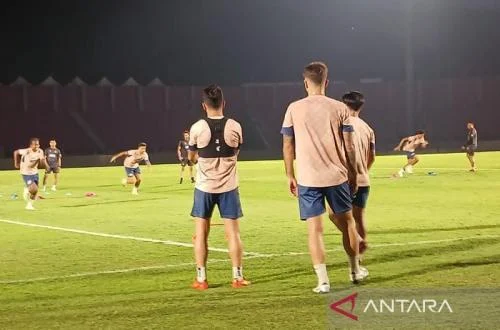
Kediri, Indonesia – Persik Kediri, a prominent club in Indonesia’s top-tier football league, is slated to commence operations at their new state-of-the-art home, the Gelora Daha Jayati (GDJ) Stadium, starting from the 2026/27 season. This landmark development marks a pivotal moment for the "Macan Putih" (White Tigers) and their fervent supporters, as the modern facility is poised to become the club’s primary venue, complementing the historical Stadion Brawijaya. The official confirmation, delivered by Kediri Regent Hanindhito Himawan Pramana, underscores a significant commitment from the local government to elevate sports infrastructure and foster the growth of football in the region. While the stadium is projected for full completion by 2027, strategic plans are in motion to enable its provisional use for competitive matches in the preceding season, signaling an ambitious timeline for its operational debut.
Regent Pramana emphasized the meticulous planning involved, highlighting the necessity for close coordination with the national football governing body. "We will consult with PSSI to determine the minimal standards required for 2026, as construction will continue through 2027," Pramana stated, according to the official I.League website on Tuesday. This consultative approach is crucial to ensure that even in its partial operational phase, the GDJ Stadium adheres to all safety, security, and logistical requirements mandated for professional league play. The phased opening reflects a pragmatic strategy to allow Persik Kediri to benefit from the new facility as early as possible, while the remaining construction elements are brought to fruition, ensuring a seamless transition and adherence to the highest standards upon its ultimate completion.
A New Chapter for Persik Kediri: The Imperative of Modern Infrastructure
The impending inauguration of Gelora Daha Jayati Stadium represents more than just a new venue; it symbolizes a forward-looking vision for Persik Kediri and the broader football landscape in Indonesia. Established in 1950, Persik Kediri boasts a rich history, marked by notable successes including two Liga Indonesia titles in 2003 and 2006. These achievements have cemented the club’s status as a powerhouse in Indonesian football and cultivated a deeply loyal fan base. For decades, Stadion Brawijaya has served as the beloved home ground, witnessing countless memorable moments and embodying the spirit of the "Macan Putih." However, like many older stadiums across the archipelago, Stadion Brawijaya, with its modest capacity and aging infrastructure, has increasingly faced challenges in meeting the evolving demands of modern professional football, particularly concerning safety, comfort, and compliance with national and international league licensing regulations.
The push for improved stadium infrastructure across Indonesia has gained significant momentum, particularly in the aftermath of recent tragic events that underscored the critical importance of robust safety protocols and contemporary facilities. The PSSI (Football Association of Indonesia) has been actively working to raise the bar for stadium standards, encouraging clubs and local governments to invest in venues that prioritize spectator safety, accessibility, and an enhanced match-day experience. In this context, the Kediri Regency government’s decision to embark on the GDJ Stadium project aligns perfectly with national aspirations for football development. The investment in a new stadium not only provides Persik Kediri with a modern home but also contributes to the overall upliftment of sports facilities in the region, potentially attracting higher-profile matches and events to Kediri.
Chronology of the Gelora Daha Jayati Project
The journey to realize Gelora Daha Jayati Stadium has been a multi-phased endeavor, reflecting the complexity and scale of constructing a modern sports arena. The concept for a new, purpose-built stadium to serve Persik Kediri and the Kediri community began to take shape several years ago, driven by the desire to provide a safer, more comfortable, and technologically advanced venue. The initial phases of construction, which commenced after significant planning and site preparation, focused on laying the foundational structures, developing the main stands, and establishing the core architectural framework of the stadium. While specific details of Phases 1 and 2 were not extensively detailed in the initial announcement, it is understood that these stages involved extensive civil engineering works, including earthworks, foundation laying, and the construction of the primary concrete structures that form the backbone of the stadium.
Currently, the project is immersed in its critical third phase of development. This stage is primarily concentrated on the intricate task of installing the stadium’s roof, a complex engineering feat designed to provide shelter and enhance the aesthetic appeal of the venue. The roof installation is a time-sensitive operation, scheduled to span 180 days, from June 3 to November 29, 2026. This precise timeline underscores the project’s adherence to a strict schedule to meet the 2026/27 operational target. Concurrently with the roof work, Phase 3 also encompasses crucial "site development" activities. A significant aspect of this is the construction of dedicated access roads specifically designed for supporters, a thoughtful inclusion aimed at improving traffic flow, ensuring pedestrian safety, and streamlining entry and exit procedures on match days. Regent Hanindhito Himawan Pramana has been unwavering in his demand for accountability and quality throughout this phase, stating, "I hope what has been stipulated in the contract can be accounted for, I ask each party to understand their tasks. I ask for their commitment, and I will monitor it because this is truly awaited by the community." This statement reflects the high expectations and public interest surrounding the project.
Looking ahead, the fourth and final phase of construction is slated for 2027. This concluding stage will focus on completing the surrounding stadium infrastructure, including the development of comprehensive road networks within the stadium complex, the installation of state-of-the-art lighting systems crucial for night matches and broadcasts, and the crucial task of fitting 10,000 spectator seats. These seats will contribute to the stadium’s projected total capacity of 15,000, providing a significant upgrade in spectator experience and comfort. The systematic progression through these phases demonstrates a well-orchestrated plan to deliver a world-class facility that meets modern footballing requirements.
Technical Specifications and Strategic Location
The Gelora Daha Jayati Stadium, situated in Desa Bulusari, Kecamatan Tarokan, Kabupaten Kediri, has been strategically located to offer optimal accessibility while providing ample space for expansion and ancillary facilities. Tarokan’s position, often chosen for large-scale public infrastructure projects, typically allows for better traffic management away from dense urban centers, yet remains sufficiently connected to the city via major arterial roads. This balance is crucial for managing the influx of thousands of supporters on match days, mitigating congestion, and ensuring smooth operations.
Upon full completion, the stadium is designed to accommodate 15,000 spectators. The addition of 10,000 seats in Phase 4 suggests that initial temporary usage in 2026/27 might operate with a slightly reduced capacity, pending the final seat installations. Beyond the seating capacity, a modern stadium like GDJ is expected to incorporate a host of contemporary amenities essential for a professional football club and its operations. These typically include expansive changing rooms for home and away teams, dedicated facilities for match officials, well-equipped medical rooms, media centers with broadcasting capabilities, VIP lounges and corporate boxes for premium hospitality, and advanced security and surveillance systems. The provision of these facilities is not merely about luxury but is often a prerequisite for meeting league licensing standards and ensuring a professional environment for players, officials, and media. The integration of modern floodlighting will be critical for hosting evening matches, enhancing broadcast quality, and providing a vibrant atmosphere, while the surrounding road infrastructure will further enhance overall access and safety.
Official Responses and Stakeholder Anticipation
The announcement has naturally elicited significant enthusiasm from various stakeholders. Regent Hanindhito Himawan Pramana’s proactive engagement throughout the project, culminating in this announcement, reflects his administration’s deep commitment to regional development through sports. His emphasis on accountability and timely completion underscores the project’s importance to the local populace and the political will behind its successful execution. "This stadium is truly awaited by the community," his words resonate with the collective hope and pride of Kediri’s citizens.
While no direct quotes from Persik Kediri’s management were provided in the initial report, it is logical to infer their profound excitement. A modern, purpose-built stadium offers numerous advantages for a professional football club. It can significantly enhance the home-field advantage, create a more intimidating atmosphere for visiting teams, and provide a safer and more comfortable experience for supporters. The club’s management would undoubtedly view GDJ as a crucial asset for meeting evolving PSSI and AFC (Asian Football Confederation) club licensing requirements, which increasingly demand high-quality infrastructure. Furthermore, a new stadium can unlock new revenue streams through increased ticket sales, premium seating options, merchandise sales, and potential corporate sponsorships, all of which contribute to the club’s financial stability and ability to attract top-tier talent.
The "Macan Putih" faithful, renowned for their passionate support, are undoubtedly eagerly anticipating the move. Having utilized the GDJ stadium for training purposes over the last two seasons, the players and coaching staff are already familiar with the grounds, creating a sense of familiarity even before competitive matches begin. For the supporters, the new stadium promises an elevated match-day experience – better facilities, improved safety, and a sense of pride in their club’s new home. The specific inclusion of "access roads for supporters" in the Phase 3 development highlights the project’s consideration for the fan experience, recognizing their vital role in the club’s identity. From the perspective of PSSI, the development of GDJ Stadium serves as a positive example of regional governments investing in quality football infrastructure, aligning with the association’s broader goals for the professionalization and improvement of Indonesian football.
Broader Impact and Implications for Kediri and Indonesian Football
The operationalization of Gelora Daha Jayati Stadium carries significant implications, extending beyond the immediate benefits to Persik Kediri. For the club, a modern venue enhances its professional standing, making it a more attractive destination for players and investors. A better match-day experience can translate into increased fan attendance and loyalty, fostering a stronger connection between the club and its community. Improved facilities are also critical for talent development, as the stadium can serve as a central hub for training and youth academies, nurturing the next generation of Indonesian footballers.
For the Kediri Regency, the stadium represents a substantial civic asset and a catalyst for economic development. Large-scale infrastructure projects like GDJ generate employment during construction and, once operational, can stimulate local economies through increased tourism, hospitality, and retail activity on match days and during other events. The stadium could potentially host national-level football tournaments, concerts, or other cultural events, further boosting Kediri’s profile and attracting visitors. The development of new roads and associated infrastructure around the stadium also contributes to the overall urban planning and connectivity of the Tarokan area.
More broadly, the GDJ project sets a positive precedent for regional governments across Indonesia. It demonstrates the tangible benefits of investing in sports infrastructure as a means of fostering community pride, promoting healthy lifestyles, and contributing to the professionalization of the country’s most popular sport. As Indonesian football continues its journey of development and seeks to elevate its standing regionally and internationally, modern, safe, and well-equipped stadiums like Gelora Daha Jayati will be indispensable. The successful completion and operation of this stadium will serve as a testament to the collaborative efforts of local government, football authorities, and the community in building a brighter future for Indonesian football. However, managing the transition to a new stadium will require careful planning, including ensuring adequate transportation links, ongoing maintenance, and robust security measures to guarantee a positive and safe experience for all attendees. The journey to fully realize the potential of GDJ Stadium is ongoing, but the path ahead promises a vibrant new era for Persik Kediri and the entire Kediri community.