Lina Irawan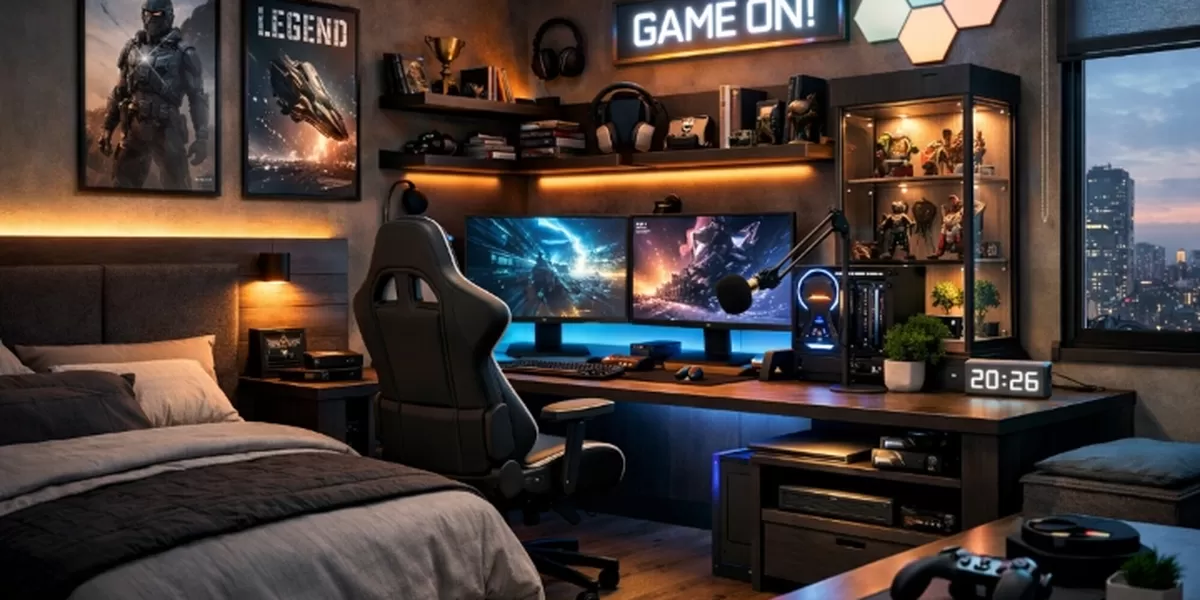
The landscape of interior design for children’s rooms is undergoing a profound transformation, with 2026 heralding a new era defined by high flexibility and adaptive concepts. This forward-thinking approach seamlessly integrates learning, play, and rest into dynamic, multi-functional spaces tailored to evolve with a child’s rapidly changing interests and developmental stages. Industry experts, including design consultants at InteriorDesign.ID, emphasize a strategic focus on adaptive design principles—encompassing versatile layouts, natural color palettes, and child-friendly technology—as the most effective and cost-efficient path to creating enduring environments. This paradigm shift aims to prevent the need for frequent, costly renovations, ensuring that a child’s room "grows" alongside them.
The Evolution of Children’s Spaces: Beyond Thematic Decor
Historically, designing a boy’s room often involved overt thematic elements, such as race car beds, superhero murals, or cartoon-character wallpapers. This approach, while initially appealing, is increasingly being deemed obsolete by contemporary design and child development experts. A consensus among developmental psychologists and interior architects points to the limitations of overly thematic rooms, suggesting they can stifle imagination and significantly shorten the lifespan of a design. The modern child’s room has transcended its traditional role as merely a sleeping area. It has become a command center for a new generation: a hub for digital learning, creative exploration like robotics or coding, virtual socialization, and essential rest and rejuvenation. This expanded utility necessitates a more sophisticated and long-term vision for design.
The current trajectory in interior design, as evidenced by global exhibitions and expert consultations, indicates a strong move towards spaces that are not just aesthetically pleasing but also profoundly functional and psychologically supportive. This comprehensive guide delves into the core tenets that will define boys’ rooms in 2026, adapting global insights for practical application in family homes.
The Foundational Shift: Why Adaptive Design is Crucial for 2026

Adaptive design is more than a fleeting trend; it represents a fundamental rethinking of spatial planning. Children of Generation Alpha (born after 2010) exhibit an unprecedented pace of adaptation and change in their interests. Their environments must be equipped to match this dynamism.
- A Prudent Long-Term Investment: Consider the financial implications of decorating a dinosaur-themed room for a six-year-old, only for them to outgrow it and feel embarrassed by age nine. Adaptive design mitigates such waste. By establishing a neutral "base" for the room and incorporating flexible furniture, parents only need to update minor elements—such as bedding, wall art, or desk accessories—as their child’s interests shift. This approach is consistently recommended by design consultants for its financial prudence and sustainable impact.
- Facilitating Growth Transitions: Boys navigate various developmental stages, from the highly active gross motor phase as toddlers, through exploratory hobbies in elementary school, to a heightened need for privacy and personal space as teenagers. A well-designed room must seamlessly accommodate these transitions. The goal is not merely to design for the child as they are now, but to meticulously prepare a space for their future self, anticipating evolving needs and preferences.
Pillar One: Cultivating Multifunctional Spaces
In an era where living spaces, particularly in urban centers, are often compact, intelligent spatial planning is no longer a luxury but an absolute necessity. The 2026 trend emphasizes maximizing every square centimeter through multifunctional design.
- Zoning Without Permanent Divisions: Rather than constructing new walls, visual zoning techniques are paramount. A thick, round rug can define a "relaxation/play zone," while a dedicated spotlight above a desk can delineate a "focus/study zone." This subtle demarcation subconsciously trains a child’s brain to understand where to concentrate and where to unwind, fostering better habits and spatial awareness.
- Modular Furniture that Grows: The rigid, oversized wardrobe of yesteryear is being replaced by modular furniture systems. These components, often configurable blocks, can be rearranged, expanded, or reduced to meet changing requirements. Examples include convertible cribs that transform into toddler beds and then daybeds, adjustable-height desks that serve from elementary school through college, and stackable storage units that can be reconfigured for different types of toys or books. This flexibility ensures longevity and avoids premature obsolescence.
- Maximizing Vertical Space: Children’s rooms are often prone to clutter due to collections of toys, action figures, or comic books. When floor space is limited, the solution is to build upwards. Loft beds are a quintessential element of this trend, freeing up the area beneath for diverse uses. This under-bed space can be transformed into a cozy reading nook complete with a bean bag, a dedicated computer station for learning and gaming, or additional storage. This strategy effectively doubles the usable footprint of a room, a critical advantage in smaller homes.
Pillar Two: Serene Biophilic Tones and Natural Palettes
For decades, color stereotypes dictated boys’ rooms should be vibrant blues or reds. The 2026 design trends decisively break away from these antiquated rules, ushering in the era of Biophilic colors—hues directly inspired by natural elements.
- Psychological Impact of Natural Colors: Children today are constantly bombarded with visual stimuli from external environments, digital screens, and academic demands. Their private room should serve as a calming oasis. Earthy tones have been clinically shown to reduce heart rates and alleviate anxiety in active children, promoting a sense of tranquility and focus.
- Recommended Color Schemes for 2026: Instead of jarring neon or primary colors, the trend leans towards sophisticated, subdued palettes for walls and major elements:
- Sage Green: A calming, earthy green that evokes nature and promotes peace.
- Oatmeal/Warm Beige: Neutral, inviting, and provides a perfect base for pops of color through accessories.
- Dusty Blue/Sky Grey: Soothing and expansive, ideal for creating a serene atmosphere without being overtly juvenile.
- Terracotta/Muted Clay: Adds warmth and a touch of grounded energy, excellent for accent walls or specific zones.
- Strategic Color Blocking: For those who find a single wall color monotonous, color blocking offers a dynamic alternative. Painting the lower half of a wall in Sage Green and the upper half in Oatmeal, for instance, visually elevates the ceiling and cleverly conceals common handprint marks in high-traffic areas. This technique adds depth and visual interest without overwhelming the senses.
Pillar Three: Smart & Safe Child-Friendly Technology

Technology is an indelible part of the modern child’s life. The 2026 trend advocates for intelligent and healthy integration of technology into room architecture, moving beyond simply placing a large television. The focus is on building a smart ecosystem that supports well-being and learning.
- Smart Lighting for Circadian Rhythm: Lighting profoundly influences a child’s melatonin production, which regulates sleep cycles. Smart LED lighting systems are highly recommended. Controllable via mobile applications, these systems can emit cool white light during the day to enhance concentration for studying, then automatically dim and shift to warm amber tones around evening to signal the body it’s time to prepare for sleep. This subtle intervention supports healthy sleep patterns crucial for development.
- Connected Yet Controlled Study Desks: With the increasing demands of digital learning, study desks must feature hidden cable management systems. Dangling cables are not only unsightly but also a tripping hazard. Built-in power outlets with USB-C ports are essential. Integrating smart speakers (like Google Nest or Amazon Echo) can assist children with setting alarms, playing calming music during study sessions, or quickly answering homework questions, all under parental supervision.
- Acoustic Treatment for Harmony: As boys grow into their teenage years, interests like gaming, playing musical instruments, or listening to music at higher volumes become common. The 2026 trend incorporates sound-dampening materials as an integral part of aesthetic design. Acoustic wood slat panels, which feature sound-absorbing material behind stylish wooden slats, offer both a luxurious, architectural, and masculine look. Their primary function is to absorb echo and mitigate sound transmission, ensuring other family members are not disturbed.
Sustainability and Eco-Friendly Material Choices
Environmental consciousness reaches new heights in 2026. Parents are increasingly aware of "hidden toxins"—Volatile Organic Compounds (VOCs) and other chemicals—in building materials. Given that children spend 8-10 hours nightly in their rooms, air quality is a paramount concern.
- Low VOC Furniture and Paints: When purchasing mattresses, wardrobes, or wall paints, actively seek "Low VOC" or "Zero VOC" labels. VOCs are chemical gases emitted from inexpensive paints or glues in furniture, often triggering asthma and allergies. Prioritize furniture made from solid wood (e.g., pine, Dutch teak) or engineered wood (MDF) certified by organizations like GreenGuard, ensuring minimal chemical off-gassing.
- Safe and Warm Flooring: Traditional ceramic tiles can feel cold and hard, posing a risk during falls or extended play on the floor. Two recommended flooring materials for boys’ rooms offer both safety and warmth:
- Luxury Vinyl Plank (LVP): Durable, waterproof, easy to clean, and available in realistic wood or stone finishes. It offers a softer, warmer surface than tile.
- Cork Flooring: Naturally hypoallergenic, antimicrobial, excellent for sound absorption, and provides a cushioned, warm surface. It’s also a sustainable choice.
Personalization Without Wall Damage
Every child desires a room that reflects their identity, from posters of favorite bands and sports awards to artwork. The challenge lies in preventing permanent damage from nails or adhesive tapes. The 2026 trend offers elegant solutions.
- Giant Modular Pegboards: Installing a large wooden pegboard above the study desk empowers children to organize hooks, small shelves, and pencil holders to their liking. As their hobbies shift from Lego construction to painting, they can simply reconfigure the pegboard without damaging walls.
- Magnetic Chalkboard Walls: Dedicate a small wall section to serve as a creative canvas. Using specialized magnetic chalkboard paint allows children to attach important notes with magnets, sketch mathematical formulas, or simply doodle ideas without compromising the room’s aesthetic integrity. This fosters creativity and provides a dynamic focal point.
Outdated Practices to Avoid in Modern Boys’ Room Design

While parents often have good intentions, certain design choices can lead to future complications. Here are practices that are becoming increasingly obsolete in 2026:
- Over-thematic Decor: As previously discussed, rooms dominated by a single, specific theme (e.g., full pirate ship bed, entire wall dedicated to a single cartoon) quickly become outdated and limit imaginative play.
- Ignoring Growth Stages: Designing a room solely for a toddler without considering their needs as a grade-schooler or teenager leads to costly overhauls. Lack of foresight in furniture choices or layout is a common pitfall.
- Inadequate Lighting: Relying on a single overhead light is insufficient. Poor lighting can strain eyes during study and create a dull, uninviting atmosphere. Layered lighting (ambient, task, accent) is crucial.
- Neglecting Storage Solutions: A lack of organized storage for toys, books, and clothes inevitably leads to clutter. Without designated places, tidiness becomes an uphill battle.
- Compromising Safety: Overlooking safety features like sharp furniture corners, unstable shelving, or exposed electrical outlets is a critical error. Childproofing should be integrated subtly into the design.
- Using High VOC Materials: Choosing paints, glues, or furniture that off-gas harmful chemicals compromises indoor air quality and child health.
- Rigid Furniture Choices: Investing in fixed, non-adjustable furniture that cannot adapt to different ages or room layouts is inefficient and wasteful.
- Ignoring Ergonomics: Providing a study chair or desk that is not ergonomically suited to a child’s height can lead to poor posture and discomfort, impacting learning and health.
- Lack of Personalization Outlets: Without designated areas for display or creative expression, children may resort to damaging walls or surfaces to personalize their space.
- Overlooking Acoustic Needs: In an age of digital entertainment and diverse hobbies, failing to consider sound control can lead to family friction and reduced comfort.
Selecting the Right Partners: Vendor and Designer Choices
Executing interior trends that prioritize functionality, adaptability, and technology demands precise planning. It is rarely effective to simply purchase "loose furniture" and expect a cohesive, optimized space. Custom-built furniture or integrated wardrobes are often the superior solution for rooms of any size, especially smaller ones, maximizing storage and minimizing wasted space.
It is imperative to collaborate with interior designers or contractors who possess a deep understanding of child ergonomics. They should be proficient in safe distance standards between furnishings, selecting slow-motion door hinges to prevent pinched fingers, and accurately calculating weight capacities for loft beds. Such expertise ensures that the room is not only beautiful but also safe, durable, and truly supportive of a child’s development.
FAQ: Addressing Common Concerns for 2026 Boys’ Room Trends
To further clarify these evolving design principles, here are answers to frequently asked questions posed to design experts:

- Is it acceptable to use pink or pastel colors for a boy’s room? Absolutely. Gender boundaries in color are increasingly irrelevant. Colors like dusty pink, peach, or pastel purple, when thoughtfully combined with masculine tones such as charcoal grey or dark wood elements, can create an edgy, modern, and sophisticated design.
- What is the ideal age to transition a room into a "big boy room"? The optimal transition usually occurs between 6-8 years old, coinciding with the beginning of elementary school. This period marks the emergence of serious study needs and a growing desire for personal space and autonomy.
- Can these concepts be applied to a very small room (e.g., 2.5 x 3 meters)? Yes, in fact, compact spaces benefit most from adaptive and multifunctional design. Focus on loft beds to leverage vertical space, use bright wall colors to visually expand the room, and incorporate large mirrors to create an illusion of spaciousness.
- Are smart home systems safe for a child’s privacy? Parents maintain full control. Opt for reputable smart devices that feature physical switches to disable microphones and cameras. Focus smart technology on utilitarian functions like lighting control, thermostat adjustments, and alarm scheduling, rather than surveillance cameras.
- How can I create a reading area if my child dislikes reading? Reframe the concept. Instead of a "reading area," design a comfortable nook with large cushions, soft lighting, and a plush rug. Label it a "Chill Zone" or "Relaxation Nook." Once the child feels comfortable there, gradually introduce visual comic books, illustrated encyclopedias, or hobby magazines they might enjoy.
- How often should carpeted floors be cleaned if a child has dust allergies? For children with severe asthma or dust allergies, avoid wall-to-wall carpeting. Instead, opt for hard flooring like vinyl or parquet, complemented by a washable area rug that can be laundered every two weeks.
Conclusion: Empowering Spaces for the Next Generation
Embracing the boys’ room design trends for 2026 extends beyond mere aesthetic appeal; it represents a proactive commitment from parents to cultivate an environment that fosters mental well-being, independent learning, and freedom of expression. The core principle remains: focus on adaptive design (multifunctional spaces, natural colors, and child-friendly technology). By establishing an elegant, neutral room foundation, investing in smart, reconfigurable furniture, and allowing children to infuse the space with their unique personalities through collections and hobbies, parents create a truly empowering sanctuary.
A thoughtfully designed room instills pride, encouraging children to maintain tidiness, concentrate better during study, and feel a sense of ownership over their personal territory. For those overwhelmed by the complexities of spatial planning, particularly for challenging room layouts, professional design consultation offers a strategic blueprint for transforming confusion into a perfectly executed, future-proof living space.