Nila Kartika Wati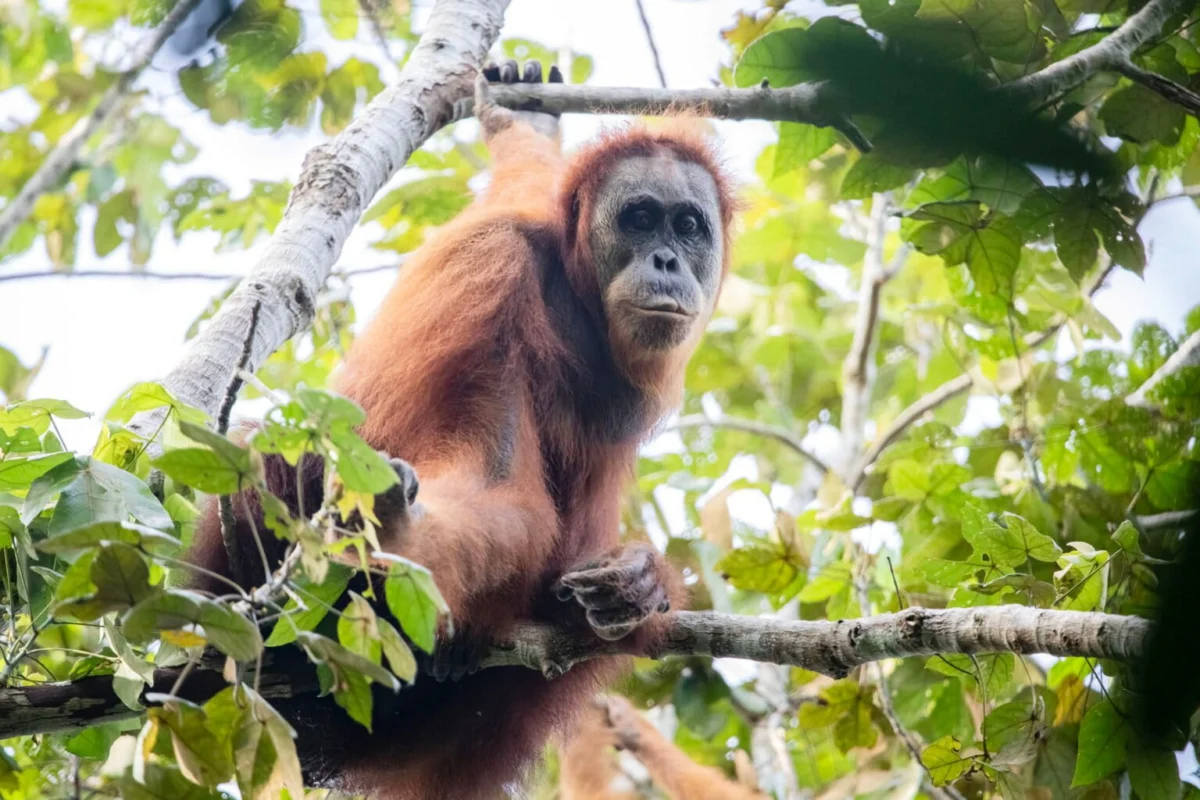
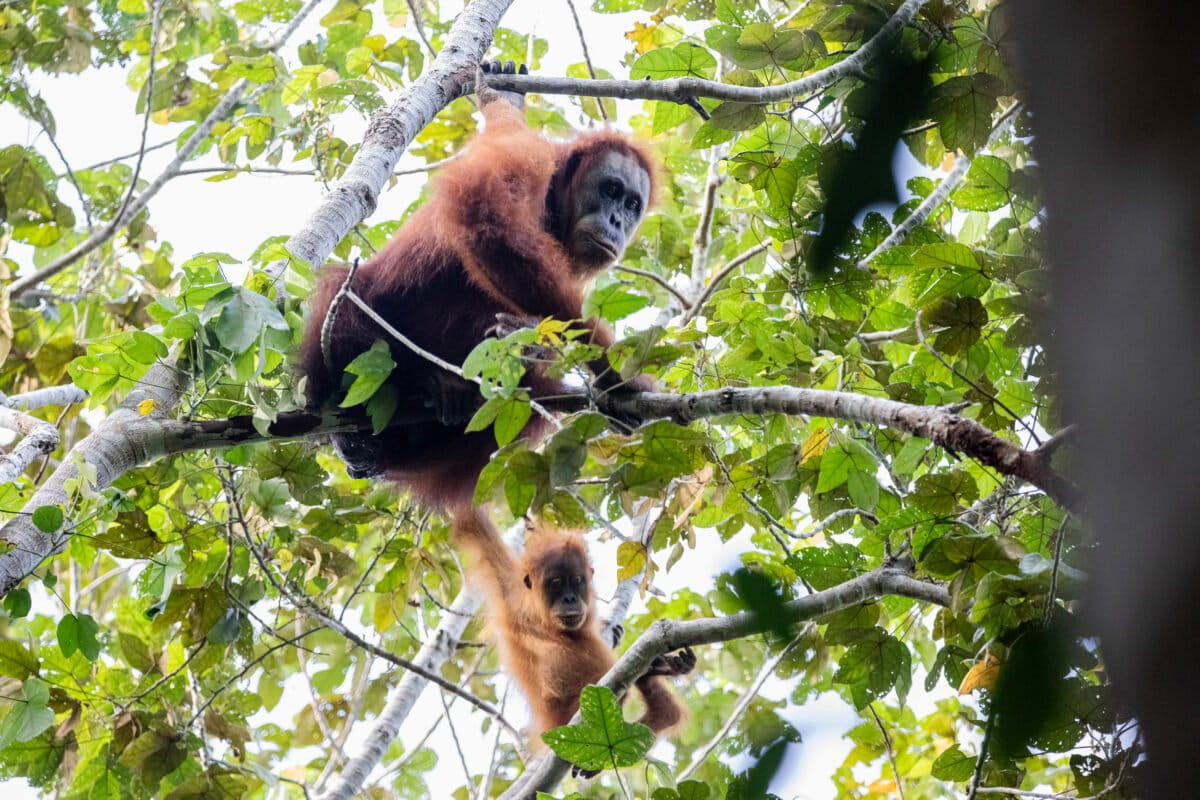
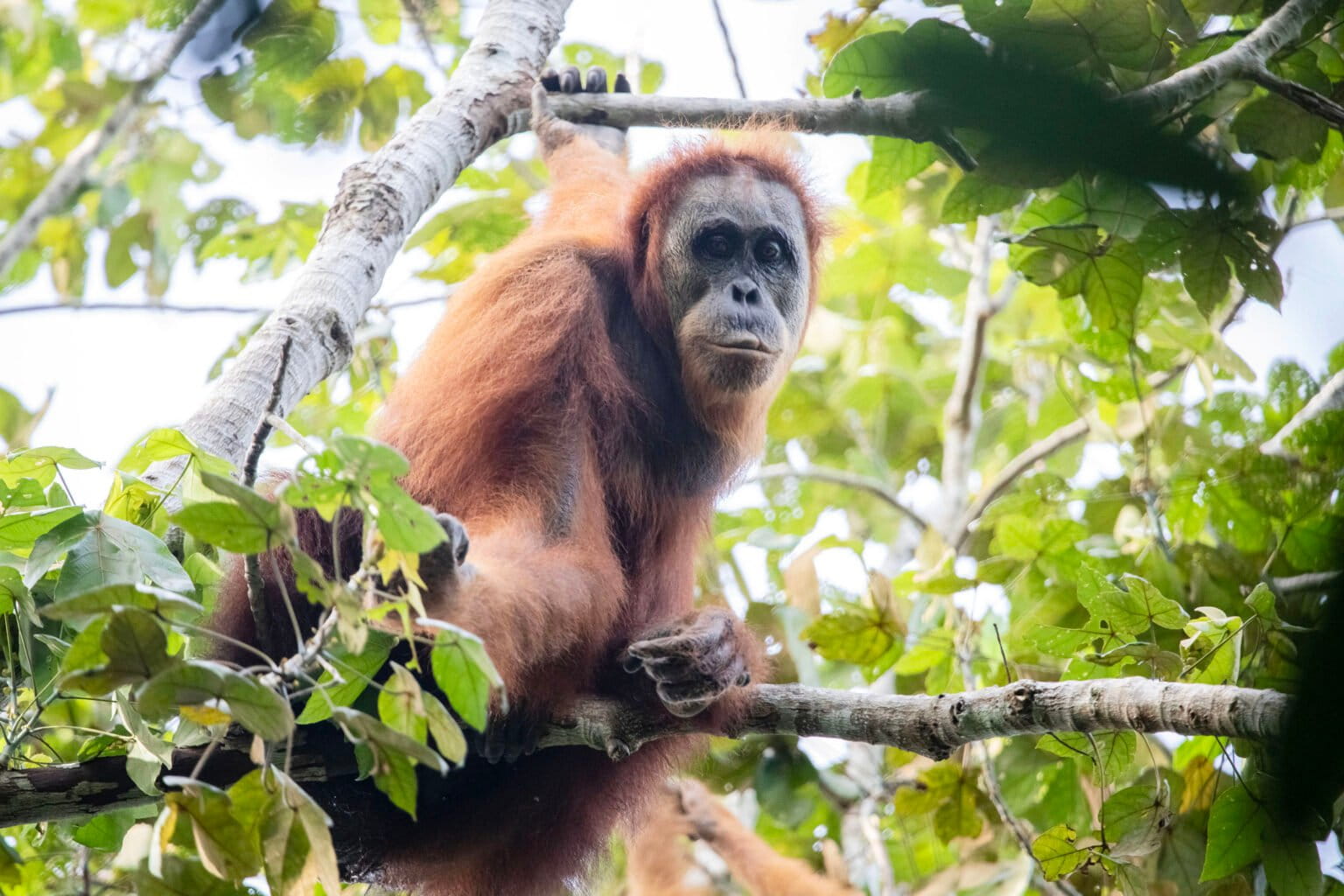
The Tapanuli orangutan, already recognized as the most endangered great ape species on the planet, is facing a catastrophic demographic collapse following a series of extreme weather events in late 2025. According to a comprehensive international study, record-breaking rainfall triggered massive landslides across the Batang Toru ecosystem in North Sumatra, resulting in the estimated loss of dozens of individuals. This environmental disaster has not only devastated human settlements but has also dealt what conservationists describe as a potentially terminal blow to the survival of Pongo tapanuliensis.
The findings, published in the journal Current Biology on June 22, 2026, under the title "Extreme rainfall further endangers the world’s rarest great ape," highlight a grim reality: climate change is no longer a distant threat but an immediate executioner for species with small, fragmented populations. The research, a collaborative effort involving experts from the United Kingdom, Indonesia, Malaysia, the Netherlands, and several other nations, utilized high-resolution satellite imagery to quantify the damage that traditional ground surveys could not safely reach.
The 2025 Climate Catastrophe: A Chronology of Destruction
In the final months of 2025, the Sumatra region was battered by an unprecedented atmospheric phenomenon that delivered months’ worth of rain in a matter of days. This extreme precipitation triggered a series of flash floods and "debris flows"—rapidly moving masses of mud, rocks, and uprooted vegetation—across the rugged terrain of Tapanuli Selatan.
The human toll was immediate and tragic. Data from the National Disaster Management Agency (BNPB) confirmed that by mid-December 2025, the disasters in Sumatra had claimed 1,016 lives. Thousands more were displaced as homes, infrastructure, and agricultural lands were buried under meters of sludge. However, beneath the headlines of human suffering, a quieter tragedy was unfolding in the high-canopy forests of the Batang Toru ecosystem.
Researchers led by Erik Meijaard utilized Sentinel-2 and PlanetScope satellite data to conduct a "before and after" analysis of the forest cover. The results were staggering: approximately 8,303 hectares of primary forest—roughly 11.7 percent of the West Block of Batang Toru—had been obliterated by landslides. In this specific region, which holds the highest density of Tapanuli orangutans, the landscape was permanently altered, leaving behind "scars" where lush canopy once stood.
Quantifying the Loss: A Demographic Shock
The Tapanuli orangutan was only identified as a distinct species in 2017. With a total population estimated at fewer than 800 individuals prior to the 2025 disasters, the species was already living on the edge of viability. The recent study suggests that the landslides in the West Block likely killed at least 58 individuals. While media reports at the time of the floods mentioned only one confirmed orangutan carcass, the spatial analysis tells a far more harrowing story.
"The loss of 58 individuals is a conservative estimate," the researchers noted. This figure represents roughly 11 percent of the West Block population and about 7 percent of the entire species. For a kera besar (great ape) with an incredibly slow reproductive cycle—where females give birth only once every six to nine years—the sudden loss of nearly 10 percent of the population is a "demographic shock" from which the species may never recover without drastic intervention.
Biologists emphasize the "one percent rule" in orangutan conservation: any additional anthropogenic or accidental mortality exceeding one percent per year is enough to put the population on an irreversible path toward extinction. By losing seven percent in a single season, the Tapanuli orangutan has effectively skipped decades of natural population growth, pushing the species toward a genetic bottleneck.
Ecological Aftershocks: Hunger and Habitat Fragmentation
The immediate deaths caused by falling trees and burial under soil are only the first wave of the crisis. The study identifies several secondary threats that continue to haunt the survivors.
First, the destruction of 8,303 hectares of forest means the total removal of biomass. Landslides do not just knock down trees; they strip away the topsoil and the entire nutrient base of the ecosystem. Scientists estimate that these "landslide scars" will offer zero food resources for orangutans for at least five to ten years, until pioneer forest species can re-establish themselves.
Second, the loss of canopy connectivity forces these arboreal primates to descend to the ground to travel between remaining forest patches. Tapanuli orangutans are biologically adapted for life in the trees. Moving on the ground requires significantly more energy and exposes them to ground-based predators and, more dangerously, human contact. Increased energy expenditure for movement means less energy for foraging and reproduction, further suppressing birth rates.
Third, the survivors are now being forced into "habitat competition." Displaced individuals must move either into higher elevations where food is scarcer or into lower-lying areas already occupied by other orangutans. This crowding leads to social stress and increased competition for limited fruiting trees, which can result in weakened immune systems and higher susceptibility to disease.
The Role of Human Activity and the Call for a Moratorium
While the primary trigger for the 2025 disaster was extreme rainfall, experts argue that human interference in the Batang Toru ecosystem exacerbated the impact. The fragmentation of the forest by roads, mining operations, and hydroelectric projects has long been criticized by environmentalists for weakening the structural integrity of the forest and making it more susceptible to landslides.
Panut Hadisiswoyo, Director of Green Justice Indonesia and a co-author of the report, emphasized that the Tapanuli orangutan is now facing a "triple threat" of habitat loss, human-wildlife conflict, and the climate crisis. "The population is split into three isolated blocks: West, East, and South (Sibual-Buali). Two of these blocks are already considered too small to be genetically viable in the long term," Panut explained. "When you add climate-induced disasters to the mix, the margin for error disappears."
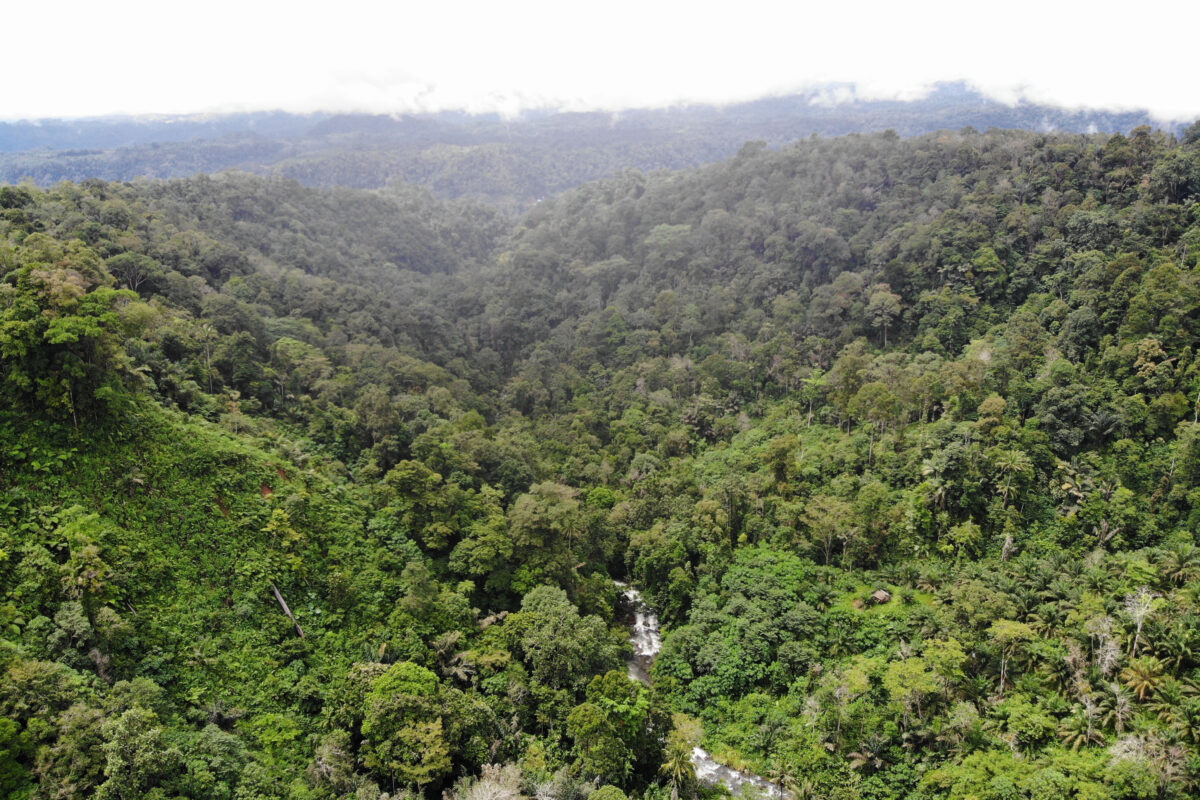
In response to these findings, the international scientific community is calling for an immediate moratorium on all industrial activities within the Batang Toru landscape. This includes a halt to the expansion of palm oil plantations, gold mining, and the controversial Batang Toru hydroelectric dam project.
The researchers recommend that the Indonesian government designate the Batang Toru ecosystem as a "National Strategic Area" (Kawasan Strategis Nasional). Such a designation would provide a stronger legal framework for protection, prioritizing conservation over short-term economic exploitation. Furthermore, there is an urgent call for the creation of "wildlife corridors" to reconnect the West, East, and South blocks, allowing for genetic exchange and providing the apes with escape routes during future weather events.
A Global Responsibility
The plight of the Tapanuli orangutan serves as a stark warning about the limitations of traditional conservation in an era of climate instability. Even if every acre of Batang Toru were protected from chainsaws today, the species remains vulnerable to the changing chemistry of the atmosphere.
"We are witnessing the potential for the first modern extinction of a great ape species," the study concludes. The researchers argue that the international community must share the burden of this conservation effort. This includes technical and financial assistance for Indonesia to implement climate-responsive planning and disaster mitigation strategies specifically tailored for high-biodiversity areas.
The 2025 landslides were a natural disaster, but the potential extinction of the Tapanuli orangutan would be a human-made tragedy. As the frequency of extreme weather events is projected to increase due to global warming, the window of opportunity to save Pongo tapanuliensis is closing rapidly. The "alarm" sounded by the scientific community is no longer a precaution; it is a final call for action to ensure that the world’s rarest great ape does not become a mere footnote in evolutionary history.