Nila Kartika Wati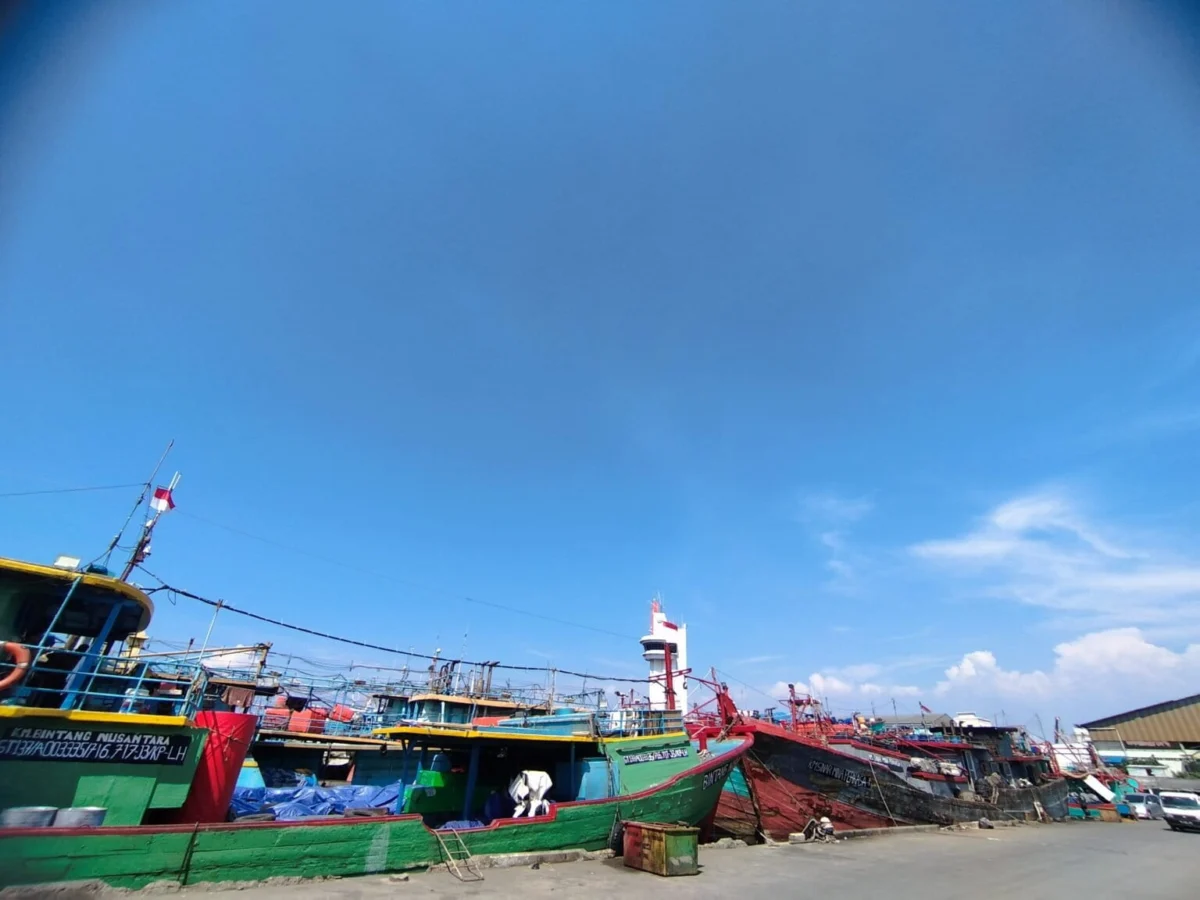
Indonesia officially ratified the International Labour Organization (ILO) Convention Number 188 concerning Work in Fishing (C-188) on May 1, 2026. This landmark decision, formalized through a Presidential Regulation signed by President Prabowo Subianto, marks a significant shift in the nation’s approach to maritime labor and the global competitiveness of its fisheries sector. By adopting this international standard, the Indonesian government aims to prioritize the welfare of fishers—often the most vulnerable link in the supply chain—while simultaneously elevating the status of Indonesian seafood products in the increasingly demanding global market.
The ratification of C-188 is not merely a legal formality; it represents a commitment to overhaul the working conditions of hundreds of thousands of Indonesian fishers. The convention mandates comprehensive standards for occupational safety, health, medical care, and social security. In an industry historically plagued by reports of forced labor, poor safety protocols, and exploitation, the implementation of C-188 is viewed as a necessary step toward aligning Indonesia with international human rights and labor benchmarks.
A Strategic Move for Global Competitiveness
The decision to ratify C-188 is deeply intertwined with Indonesia’s economic ambitions. As one of the world’s largest exporters of tuna and other marine products, Indonesia faces mounting pressure from international buyers, particularly in Europe and the United States, who demand transparency and ethical labor practices.
Saut P. Hutagalung, General Chairperson of the Indonesian Tuna Association (Astuin), believes that C-188 will catalyze progress within the national fishing industry. According to Hutagalung, the convention serves three primary purposes: strengthening the protection of fishers (AKP), improving the governance of the fishing industry, and ensuring the long-term sustainability of the sector.
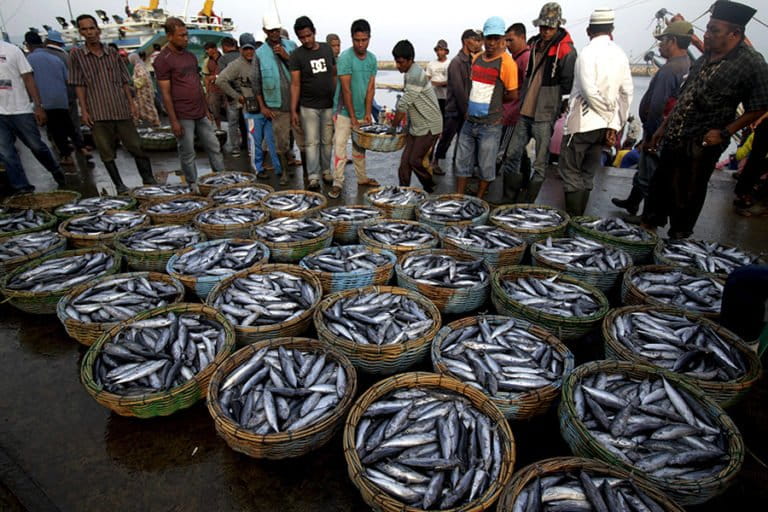
"However, mature implementation must be prepared so as not to cause operational disruptions to the Indonesian fishing industry," Hutagalung told Mongabay. He warned that a rushed implementation without technical readiness, financial support, or human resource development could lead to significant risks. He emphasized that the government must harmonize regulations across the Ministry of Maritime Affairs and Fisheries (KKP), the Ministry of Transportation, and the Ministry of Manpower to ensure a cohesive transition.
Technical Challenges and Vessel Modernization
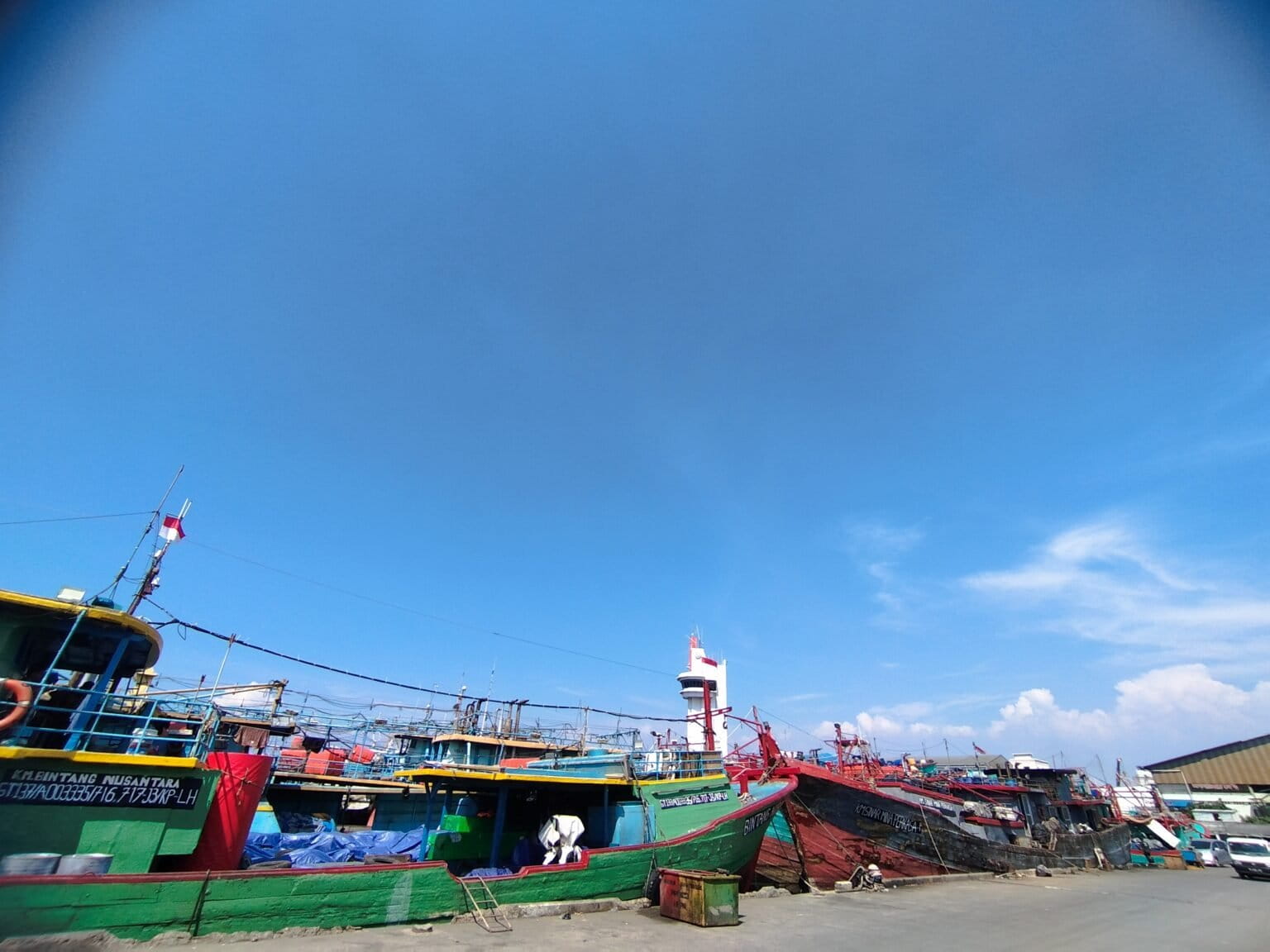
One of the most significant hurdles in adopting C-188 lies in the physical infrastructure of Indonesia’s fishing fleet. The convention sets specific standards for vessel design, including minimum requirements for crew accommodation, food, water, and safety equipment. For many existing Indonesian vessels, particularly those operated by small to medium-sized enterprises, meeting these standards will require substantial investment.
The challenges are multifaceted, ranging from the physical dimensions of cabins to the installation of modern safety systems. Astuin has called for a "phased compliance" approach. Under this model, newly constructed vessels would be required to meet the new standards immediately, while existing vessels would be granted a realistic transition period to undergo retrofitting.
"The challenge is not a form of rejection of ratification, but rather the need for a technical transition so that implementation is effective without disrupting industrial sustainability," Hutagalung explained. This transition requires a clear roadmap, public consultation, and regulatory impact assessments to ensure that the burden on shipowners does not lead to a collapse in operations.
The Economic Impact: Rising Operational Costs
The financial implications of ratification are a major concern for industry players. Imron Natsir, Chairman of the Migrant Committee and a member of the Fisheries Division of the Indonesian Employers’ Association (Apindo), noted that while ratification brings hope, it also carries the risk of a surge in operational costs.
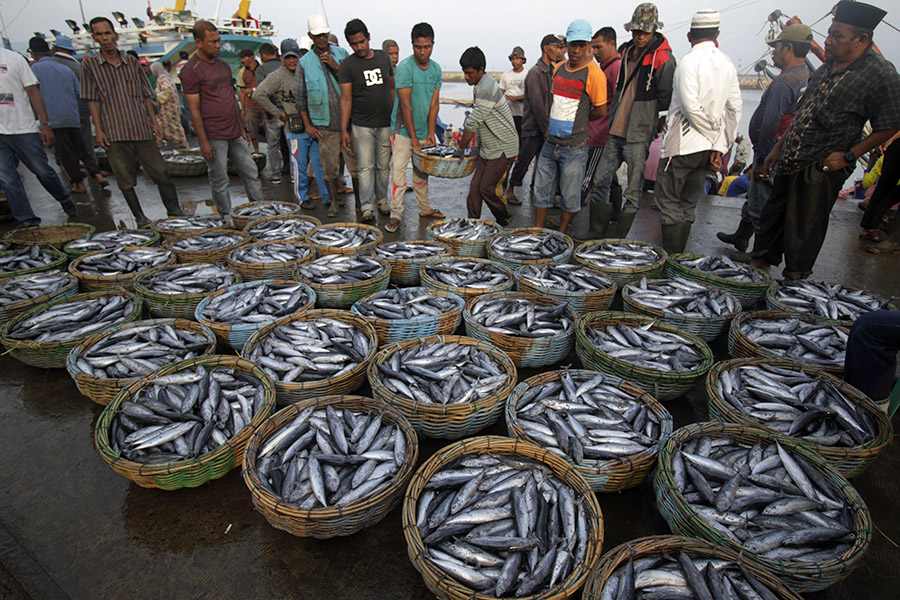
Preliminary estimates suggest that the cost of upgrading a 10 gross ton (GT) vessel to meet C-188 standards could reach approximately IDR 42.5 million. For larger vessels, the costs could exceed IDR 225 million. "If these costs are not accompanied by an increase in income, profits will be eroded, which could lead to businesses exiting the industry," Natsir warned.
To mitigate these risks, industry advocates are calling for government support in the form of financing schemes, subsidies for safety equipment, or tax incentives for vessel modernization. Without such support, there is a fear that the cost of compliance will be passed down to the workers or result in a reduction in the number of active fishing vessels, potentially impacting the national fish supply.
Harmonizing the Legal Framework
The ratification of C-188 necessitates a total overhaul of Indonesia’s national legal foundation regarding maritime labor. Yuli Adiratna, Director of the Labor Inspection System at the Ministry of Manpower, acknowledged that while ratification is the right step, the subsequent task of synchronizing international standards with national laws is monumental.
Currently, several regulations exist, such as the Ministry of Maritime Affairs and Fisheries Regulation (Permen KP) Number 4 of 2026 concerning the Management of Fishing Vessel Crewing. While this regulation has adopted several aspects of C-188, officials admit it is not yet fully aligned.
Mochamad Idnillah, Director of Fishing Vessels and Fishing Gear at the KKP, confirmed that the synchronization process is underway. The government aims to complete the harmonization of all relevant laws by the end of 2026. The goal is to have a fully functional regulatory framework ready for implementation by mid-2027. This timeline allows for a period of adjustment for shipowners and provides the government with time to establish monitoring and enforcement mechanisms.
Protecting the Backbone: Domestic vs. Migrant Fishers
A unique aspect of Indonesia’s maritime labor force is the distinction between domestic fishers and those who work on foreign-flagged vessels (migrant fishers). C-188 provides a framework to protect both groups, but the implementation strategies may differ.
Hutagalung emphasized that domestic fishers have long been the backbone of the national tuna industry and deserve strong legal recognition and protection. He advocated for a dual approach: "domestic fisher protection" and "migrant fisher protection."
"The priority for domestic fishers is becoming increasingly important to anticipate the demands of a dynamically developing global market," Hutagalung said. This involves not only improving safety but also enhancing technical skills through certified training programs. By ensuring that domestic fishers are well-trained and protected, Indonesia can better market its seafood as "ethically sourced," a label that carries significant weight in high-value markets like Japan and the EU.
Occupational Health and Safety (K3) as a Priority
At the heart of C-188 is the principle of Occupational Health and Safety (K3). Fishing is globally recognized as one of the most hazardous professions. The convention requires that every fisher has access to medical care and that vessels are equipped to handle emergencies.
In Indonesia, the risk is compounded by the fact that many fishing operations take place in remote waters, far from medical facilities. While many shipowners have provided basic health insurance since 2017, C-188 demands a more comprehensive safety net. This includes mandatory safety equipment, Standard Operating Procedures (SOPs) for emergencies, and specialized training for all crew members.
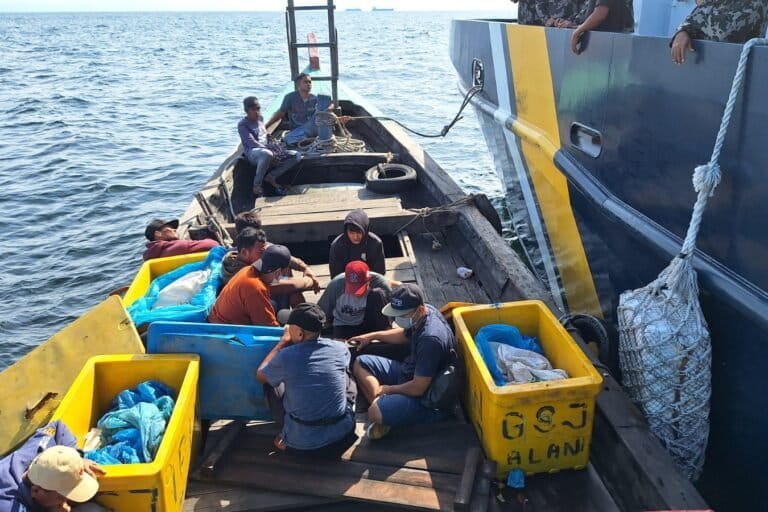
The industry is calling for a mapping of current compliance levels across the fleet to identify which vessels need the most assistance. Furthermore, there is a push to expand protection to include "on-operation" coverage, ensuring that if a fisher is injured or falls ill during a months-long voyage, there is a clear protocol for evacuation and treatment.
Roadmap to 2027: The Path Forward
The success of C-188 in Indonesia hinges on the execution of a National Action Plan. This plan must clearly outline the roles of various ministries, the timeline for implementation, and the indicators for success.
Key elements of the proposed roadmap include:
- Public Socialization: Extensive outreach to shipowners, fishers, and local governments to explain the new requirements.
- Modernization Incentives: Financial programs to help small-scale fishers upgrade their vessels.
- Certification and Training: Establishing a standardized system for fisher certification to ensure all crew members are equipped with K3 knowledge.
- Monitoring and Evaluation: Creating a robust system to monitor compliance and penalize violations, ensuring that the law is not just on paper but enforced at sea.
By taking these steps, Indonesia has the opportunity to transform its fisheries sector from one often associated with labor risks to a global leader in ethical and sustainable fishing. The road to mid-2027 will be challenging, requiring unprecedented coordination between the government and the private sector. However, the potential rewards—improved worker safety, higher export values, and a more resilient industry—make the effort a vital necessity for Indonesia’s maritime future.