Eko Sulistyo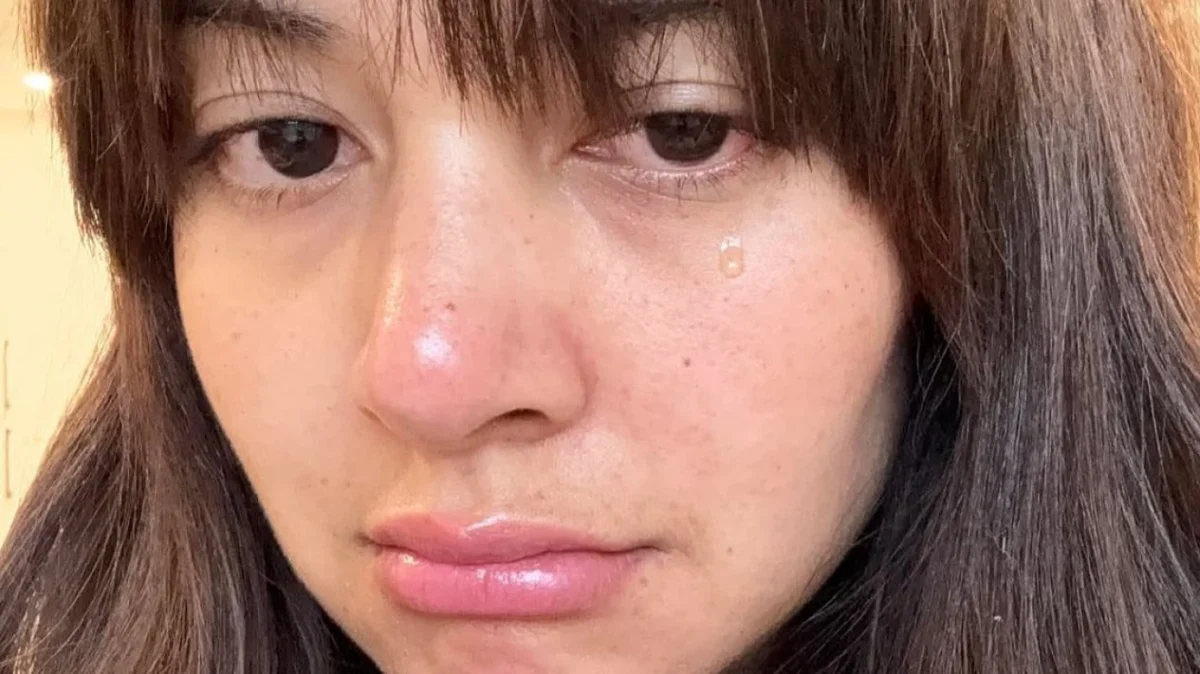
The Indonesian public has recently been gripped by the harrowing details of a criminal case involving the alleged confinement and physical abuse of a woman identified by the initials YTR, or Yuvita, in Bandung, West Java. The case, which has trended across various social media platforms, garnered significant attention from prominent figures, including Belgian-Indonesian actress and singer Aurelie Moeremans. On Saturday, June 27, 2026, Aurelie expressed her profound distress regarding the case, drawing parallels between the victim’s ordeal and her own historical experiences with manipulative and toxic relationships. Through her social media presence, the actress aimed to shed light on the psychological complexities of domestic abuse while condemning the persistent culture of victim-blaming that often permeates public discourse in Indonesia.
The Yuvita case first emerged as a viral topic after reports surfaced of a young woman being held against her will and subjected to extreme physical violence. According to various reports and a widely viewed podcast that Aurelie referenced, the victim suffered severe injuries, including facial disfigurement that has reportedly impaired her vision. The severity of the abuse, combined with the psychological entrapment described by the victim, has sparked a national conversation about the safety of women and the efficacy of legal protections against coercive control.
The Chronology of Abuse and the Pattern of Manipulation
The ordeal experienced by Yuvita in Bandung followed a systematic pattern often seen in cases of intimate partner violence and coercive control. While the legal proceedings are ongoing, the narrative shared by the victim and discussed by observers like Aurelie Moeremans suggests a multi-stage process of victimization. The pattern typically begins with an intense "honeymoon phase," where the perpetrator appears excessively caring and attentive, a tactic known as "love bombing."
As the relationship progressed, Yuvita was reportedly isolated from her family and support network. This isolation is a cornerstone of abusive relationships, as it removes the victim’s external perspective and leaves them entirely dependent on the abuser for emotional and material needs. Once isolated, the perpetrator allegedly began a campaign of financial exploitation, draining the victim’s resources while exerting physical dominance. This culminated in forced body modifications, such as tattoos, and extreme physical assault.
Aurelie Moeremans, who has previously been open about her own struggles with a toxic relationship early in her career, noted that the public often misinterprets these signs as "rebellion" or "free choice" on the part of the victim. In Yuvita’s case, the victim was allegedly forced to lie to her family and act as though she was participating in the relationship willingly, a common survival mechanism used by those under extreme duress.
Aurelie Moeremans and the Personal Resonance of the Case
In a video statement shared via her Instagram account, Aurelie Moeremans confessed that the details of the Yuvita case left her unable to sleep. The actress explained that watching the victim’s testimony in a podcast was a "triggering" experience because of the striking similarities to her own past. Aurelie emphasized that the tactics used against Yuvita—isolation, financial drain, and physical intimidation—mirrored the "toxic pattern" she had once navigated.
"I just followed Yuvita’s case in Bandung. Last night, I watched the podcast and immediately couldn’t sleep. Then I idly read the comments, and I became even more restless," Aurelie stated. She expressed shock at the physical state of the victim, noting that the visible trauma should be enough to elicit universal sympathy. However, she was disheartened to find that a significant portion of the online community chose to scrutinize the victim’s character rather than condemn the perpetrator’s actions.
Aurelie also addressed comments that brought up her own history, specifically those attempting to differentiate her experience from Yuvita’s based on age. Some netizens argued that Aurelie’s past trauma occurred when she was a minor, whereas Yuvita is an adult, implying that an adult should have "known better." Aurelie firmly rejected this logic, stating, "People being manipulated or controlled is not something that only happens to minors. Adults can be victims too when they are in a relationship full of control."
Analyzing the Culture of Victim Blaming in Indonesia
One of the most concerning aspects of the Yuvita case is the prevalence of victim-blaming in the digital sphere. Despite the clear evidence of physical harm, many social media users labeled the situation as "bucin" (an Indonesian slang term for "love-struck slave") or criticized the victim for "kumpul kebo" (cohabitation without marriage). Aurelie Moeremans highlighted these comments as evidence of a societal failure to understand the mechanics of psychological abuse.
Victim-blaming often serves as a psychological defense mechanism for the public; by finding a "fault" in the victim’s behavior, individuals can convince themselves that such a tragedy would never happen to them. However, in the context of Indonesian law and social norms, this tendency often discourages victims from coming forward. When a victim is blamed for their own confinement or assault, the perpetrator is inadvertently shielded from the full weight of social and legal consequences.
Aurelie’s intervention is significant because it challenges the narrative that abuse is a private matter or a result of "poor choices." By labeling the situation as "control" rather than "love" or "bucin," she provides a framework for the public to recognize the signs of coercive control.
Supporting Data: Domestic Violence and Confinement Statistics
The Yuvita case is not an isolated incident but part of a broader trend of violence against women in Indonesia. Data from Komnas Perempuan (The National Commission on Violence Against Women) consistently shows that domestic violence and violence in dating relationships (Kekerasan Dalam Pacaran or KDP) remain high. In recent annual reports, KDP has often ranked as one of the most frequent forms of violence reported by women, characterized by physical, psychological, sexual, and economic abuse.
According to the 2023/2024 Catahu (Annual Result) from Komnas Perempuan, thousands of cases of violence against women are reported annually, though many experts believe the actual numbers are significantly higher due to underreporting. The use of digital platforms to isolate and monitor victims—a form of tech-facilitated abuse—has also seen a rise, making it easier for abusers to maintain control over their partners even when they are not physically present.
In cases involving confinement (penyekapan) and severe assault (penganiayaan berat), the Indonesian Penal Code (KUHP) provides strict penalties. Article 333 of the KUHP stipulates that any person who intentionally and unlawfully deprives another of their liberty can be punished with imprisonment. If the act results in heavy bodily injury or death, the penalties are significantly increased. Furthermore, the Law on the Elimination of Domestic Violence (UU PKDRT) and the newer Sexual Violence Crime Law (UU TPKS) provide additional legal avenues for victims to seek justice and protection.
Institutional and Official Responses
Following the viral nature of the Yuvita case, local law enforcement in Bandung has been under pressure to ensure a thorough investigation. While official police statements often maintain confidentiality during the early stages of an investigation, the public outcry led by figures like Aurelie Moeremans ensures that the case remains a priority for the authorities.
Legal advocates and NGOs focusing on women’s rights have called for the implementation of the full extent of the law against the perpetrator. They argue that the case should be handled not just as a simple assault, but as a calculated crime of confinement and torture. There is also a push for the victim to receive comprehensive psychological support and witness protection, as survivors of such extreme trauma often face intimidation during the trial process.
The role of the Ministry of Women Empowerment and Child Protection (KemenPPPA) is also crucial in such instances. The ministry often coordinates with local integrated service centers (P2TP2A) to provide rehabilitation for victims. The Yuvita case serves as a litmus test for the effectiveness of these support systems in handling high-profile, complex cases of intimate partner violence.
Broader Implications and the Path Forward
The discourse surrounding Aurelie Moeremans and the Yuvita case highlights a critical need for increased public education regarding the "Cycle of Violence." Understanding that victims often stay in abusive relationships due to fear, trauma bonding, and total isolation—rather than a lack of intelligence or "excessive love"—is essential for fostering a more supportive environment for survivors.
Furthermore, this case underscores the power and responsibility of social media influencers. Aurelie’s decision to use her platform to educate her followers on the reality of manipulation helps to de-stigmatize the experience of victims. By sharing the "red flags" she recognized—such as being forced to lie to family or being financially exploited—she provides a vital service to young women who may be in the early stages of similar relationships.
As the legal process for Yuvita moves forward, the hope is that it will result in a landmark judgment that recognizes the gravity of coercive control and confinement. For the broader Indonesian society, the goal remains the dismantling of victim-blaming cultures and the strengthening of community support networks. The bravery of victims like Yuvita in speaking out, supported by the advocacy of figures like Aurelie Moeremans, is a necessary step toward a future where such atrocities are met with swift justice and collective empathy rather than judgment and suspicion.
In conclusion, the Yuvita case in Bandung is more than just a local crime story; it is a reflection of the ongoing struggle against gender-based violence and the psychological traps of toxic relationships. The intervention of Aurelie Moeremans has amplified the victim’s voice, ensuring that the conversation remains focused on the perpetrator’s accountability and the urgent need for societal change. As the public continues to follow the developments in Bandung, the focus remains on securing justice for Yuvita and ensuring that the patterns of abuse she suffered are recognized and stopped before they can claim more victims.