Nila Kartika Wati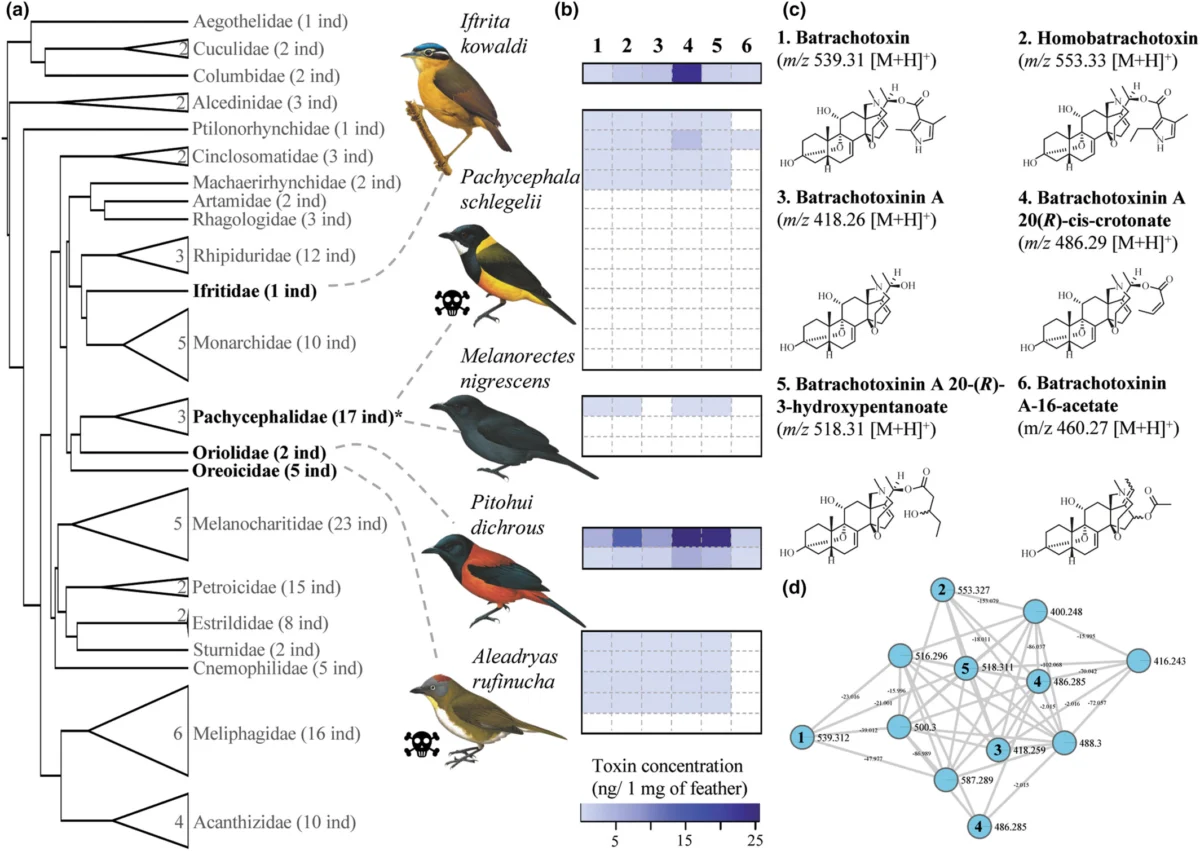
The dense, mist-shrouded rainforests of Papua New Guinea have long been regarded as one of the world’s final frontiers for biological discovery, and a recent expedition by an international team of scientists has reinforced this reputation. Researchers from the University of Copenhagen and the Natural History Museum of Denmark have announced the discovery of two new species of poisonous birds, marking a significant milestone in ornithology. The findings, published in the prestigious journal Molecular Ecology in 2023, represent the first time in over two decades that a new poisonous bird species has been formally identified, expanding a very exclusive list of avian species that utilize chemical defenses.
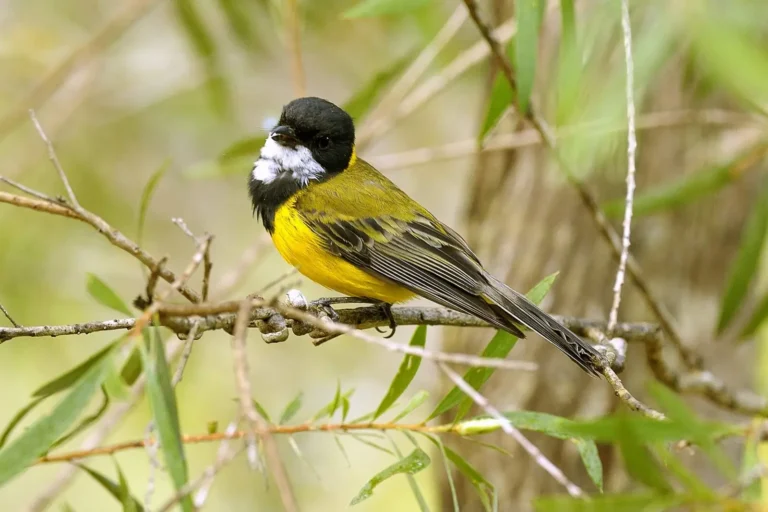
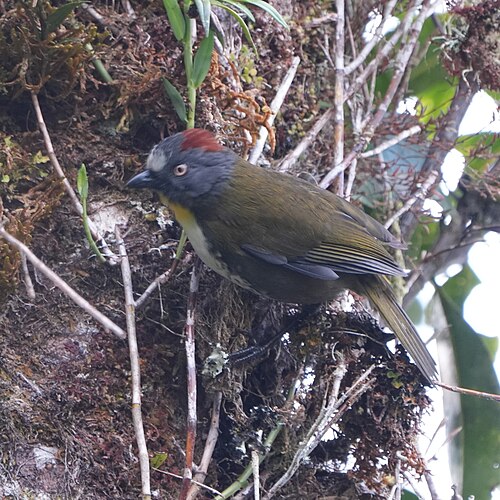
The two species identified are the Regent Whistler (Pachycephala schlegelii), known locally as the Kancilan Obuhai, and the Rufous-naped Bellbird (Aleadryas rufinucha). While both birds have been known to ornithologists and local communities for years due to their relatively common presence in the region, their toxic nature remained hidden until sophisticated laboratory analyses were conducted on samples collected during a recent field expedition. This discovery underscores the hidden complexities of island evolution and the sophisticated survival strategies employed by New Guinean fauna.
The Potency of Batrachotoxin: A Chemical Overview
The primary substance found within the feathers and skin of these birds is batrachotoxin (BTX), a neurotoxin of extraordinary potency. The name is derived from the Greek word batrachos, meaning frog, a nod to the fact that this specific toxin was first identified in the skin of poison dart frogs inhabiting the rainforests of Central and South America. Batrachotoxin is widely considered one of the most lethal naturally occurring substances known to science.
To put its toxicity into perspective, batrachotoxin is estimated to be approximately 250 times more toxic than strychnine. In high concentrations, such as those found in the Golden Poison Frog (Phyllobates terribilis), the toxin can cause violent muscle spasms, respiratory failure, and cardiac arrest within minutes of contact. The toxin works by binding to the voltage-gated sodium channels in the membranes of nerve and muscle cells, forcing them to remain open. This prevents the cells from resetting their electrical potential, leading to a continuous state of excitation that eventually results in total physiological collapse.
In the case of the Regent Whistler and the Rufous-naped Bellbird, the concentration of batrachotoxin is significantly lower than that found in their amphibian counterparts in the Americas. While the levels are not high enough to be fatal to humans upon mere contact, they are more than sufficient to serve as a formidable deterrent against predators and parasites. Local populations in Papua New Guinea have long avoided consuming these birds, reporting that the meat produces a burning sensation in the mouth similar to that of an extremely spicy chili pepper.
Genetic Shielding: The Mystery of Autoresistance
One of the most profound questions raised by this discovery is how these birds manage to carry such a lethal substance within their own bodies without succumbing to its effects. If the toxin forces sodium channels to remain open, why do the birds’ own hearts not stop? The research team, led by Dr. Kasun Bodawatta and Professor Knud Jønsson, utilized advanced genomic sequencing to solve this puzzle.
The researchers identified specific mutations in the Nav1.4 gene, which is responsible for regulating the sodium channels in skeletal muscle tissue. These mutations change the structure of the channel in such a way that the batrachotoxin molecule can no longer bind to it effectively. Essentially, the birds have evolved a biological "lock" that the "key" of the toxin cannot fit into.
Perhaps even more fascinating is the discovery that these mutations in the birds are not identical to the mutations found in poison dart frogs, despite both groups of animals utilizing the same toxin. This phenomenon is known as convergent evolution—a process where unrelated species independently develop similar traits or solutions to survive similar environmental pressures. In this instance, nature has "invented" resistance to batrachotoxin at least twice, using different genetic pathways to achieve the same life-saving result.
The Source of the Toxin: A Dietary Acquisition
Unlike venomous snakes or spiders, which produce their own toxins in specialized glands, these poisonous birds do not manufacture batrachotoxin internally. Instead, the toxin is sequestered from their environment. Evidence from previous studies on the Pitohui—the first poisonous bird discovered in the region—suggests that the toxin originates from the birds’ diet.
The likely culprit is a genus of Melyrid beetles known as Choresine. These small beetles are found in the same habitats as the birds and are known to contain high levels of batrachotoxin. By consuming these beetles, the birds metabolize the toxin and deposit it into their skin and feathers. This sequestration serves as an efficient "chemical cloak." While scientists are still debating the primary function of this toxicity, the prevailing theories suggest it serves a dual purpose: discouraging larger predators like hawks or snakes and providing a defense against ectoparasites such as lice and mites that live among the feathers.
Historical Context and the Legacy of Jack Dumbacher
The identification of the Regent Whistler and the Rufous-naped Bellbird as toxic species adds to a very short list of poisonous birds. For nearly a century, the scientific community believed that poisonous birds were a biological impossibility. This perception changed dramatically in the early 1990s thanks to the work of American ornithologist Jack Dumbacher.
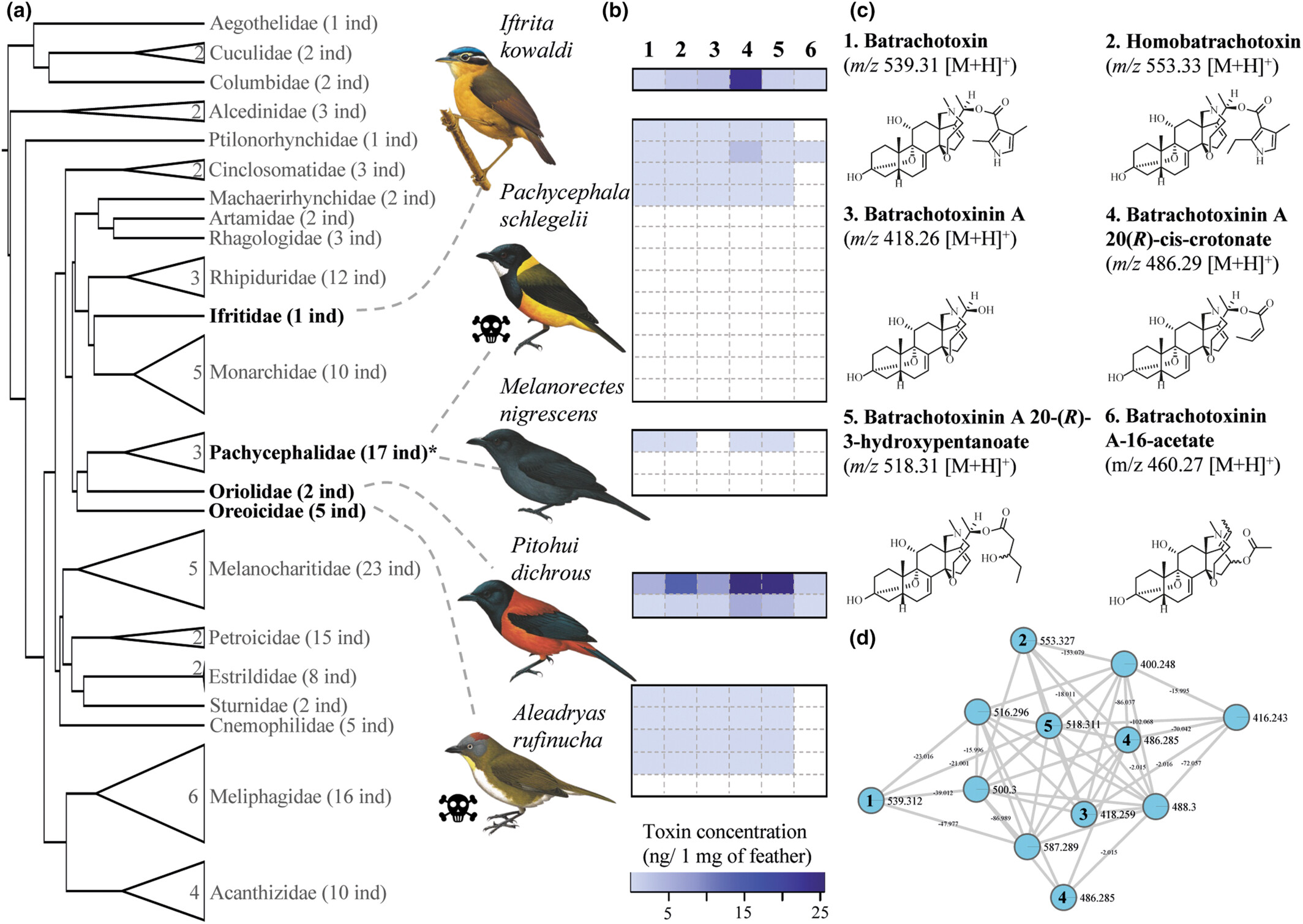
While studying birds in Papua New Guinea, Dumbacher accidentally cut his finger while removing a Hooded Pitohui (Pitohui dichrous) from a mist net. Instinctively, he put his finger in his mouth to soothe the scratch and immediately noticed his lips and tongue went numb. This serendipitous event led to the first scientific confirmation of a poisonous bird. Following the Pitohui, the Blue-capped Ifrit (Ifrita kowaldi) was also found to carry batrachotoxin.
The 2023 discovery of the Regent Whistler and the Rufous-naped Bellbird is particularly significant because it suggests that toxicity might be more widespread in the avian world than previously thought, particularly in isolated ecosystems like those found on the island of New Guinea. It also marks the end of a long "dry spell" in the discovery of such species, prompting a renewed interest in the chemical ecology of tropical birds.
Field Challenges and Researcher Accounts
Collecting the data for this study was a grueling task that required the researchers to venture into some of the most inaccessible terrain on Earth. The mountains of Papua New Guinea are characterized by steep ridges, dense vegetation, and unpredictable weather. Beyond the physical exertion, the researchers had to contend with the very toxins they were there to study.
Dr. Kasun Bodawatta described the process of handling the birds and collecting feather samples in confined spaces as a physically irritating experience. He noted that when working with the birds in a tent or a small lab space, the researchers often suffered from runny noses and stinging eyes. Bodawatta compared the sensation to cutting a large quantity of onions or being exposed to pepper spray. These immediate physiological reactions provided the first clues that the birds were carrying a potent chemical irritant, long before the laboratory results confirmed the presence of batrachotoxin.
Implications for Biology and Medicine
The implications of this discovery extend far beyond the field of ornithology. The study of how organisms develop resistance to neurotoxins has significant potential in the realm of biomedical research. Understanding the mechanics of sodium channel mutations could lead to the development of new types of local anesthetics or treatments for cardiac and neurological conditions where sodium channel regulation is a factor.
Furthermore, the discovery highlights the urgent need for conservation efforts in Papua New Guinea. The island is a biodiversity hotspot, yet much of its interior remains poorly understood by science. While the Regent Whistler and the Rufous-naped Bellbird are currently listed as species of "Least Concern" by the IUCN, their unique chemical properties make them invaluable subjects for evolutionary study.
It is also important to note the geographical context of this find. The research was conducted in the sovereign nation of Papua New Guinea, which occupies the eastern half of the island. The western half consists of the Indonesian provinces of Papua and West Papua. While the island shares a continuous ecosystem, these specific poisonous traits have not yet been extensively documented in the Indonesian side of the border. This presents a massive opportunity for future cross-border scientific collaboration to determine the full extent of toxic bird distribution across the entire landmass.
Conclusion: A New Chapter in Avian Evolution
The discovery of the Regent Whistler and the Rufous-naped Bellbird as poisonous species serves as a powerful reminder that the natural world still holds many secrets. By combining traditional field biology with cutting-edge genomic analysis, the team from the University of Copenhagen has not only identified two "new" poisonous birds but has also provided deep insights into the mechanisms of evolution and survival.
As researchers continue to explore the genetic blueprints of these birds, the scientific community looks forward to uncovering more about the complex interplay between diet, genetics, and environment. For now, the Regent Whistler and the Rufous-naped Bellbird stand as remarkable examples of nature’s ingenuity, carrying a lethal chemical legacy in their feathers while flying through the ancient forests of New Guinea. This breakthrough ensures that the study of avian toxicity will remain a vibrant and essential field of inquiry for years to come, potentially leading to further discoveries that could reshape our understanding of vertebrate evolution.