Nasution Nanang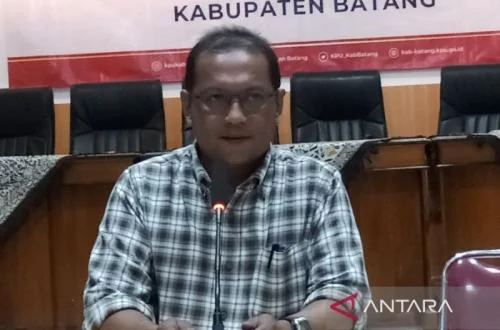
The Election Commission (KPU) of Batang Regency, Central Java, has officially reported a significant increase in the number of eligible voters, reaching 644,644 individuals as of the second quarter of 2026. This latest figure represents a notable rise of 6,057 voters compared to the first quarter of the same year, which recorded 638,587 individuals on the electoral roll. The consistent and meticulous updating of voter data underscores KPU Batang’s unwavering commitment to ensuring a robust and accurate foundation for future democratic processes, from regional elections to national polls. This quarterly increment is a testament to the dynamic nature of population changes and the continuous efforts required to maintain a precise and current voter database, a cornerstone of electoral integrity.
The Mandate of Electoral Data Accuracy
At the heart of Indonesia’s democratic system lies the Komisi Pemilihan Umum (KPU), an independent and impartial body tasked with organizing, implementing, and overseeing elections across the archipelago. A fundamental responsibility of the KPU, at both national and regional levels, is the establishment and maintenance of an accurate and comprehensive voter list. This list is not merely a bureaucratic formality; it is the bedrock upon which the legitimacy and fairness of any election rest. Without a reliable voter roll, the potential for electoral disputes, disenfranchisement, and even fraud becomes a significant threat to the democratic process. The KPU’s commitment to continuous voter data updating, known as Daftar Pemilih Berkelanjutan (DPB), is a proactive measure designed to mitigate these risks well in advance of election cycles. This approach marks a crucial evolution from past practices, where voter list updates were often concentrated in the immediate run-up to elections, sometimes leading to logistical challenges and last-minute discrepancies.
Understanding Continuous Voter Data Updating (DPB)
Susanto Waluyo, Chairman of KPU Batang Regency, elaborated on the importance of the DPB program, emphasizing its routine and systematic nature. "The continuous updating of voter data is a regular agenda carried out every quarter," Susanto stated in Batang on Thursday. "This effort is undertaken to maintain the accuracy of the voter list on an ongoing basis." The DPB mechanism involves a systematic process of identifying and incorporating new eligible voters, while simultaneously removing individuals who no longer meet the requirements. This proactive approach ensures that the voter list remains dynamic and reflects the most current demographic realities. The KPU’s strategy acknowledges that population data is fluid, with constant changes occurring due to births, deaths, relocations, and individuals reaching voting age. By addressing these changes regularly, KPU aims to prevent the accumulation of errors that could otherwise complicate election preparations and undermine public trust. The DPB process, therefore, serves as a vital preparatory phase for all elections, whether they are presidential, legislative, or regional head elections (Pilkada), ensuring that when the time comes for a vote, the underlying data is as clean and reliable as possible.
Quarterly Dynamics: A Closer Look at Batang’s Voter Statistics
The latest report from KPU Batang details the composition of the voter list for the second quarter of 2026. The total of 644,644 registered voters is comprised of 322,101 males and 322,543 females, indicating a nearly balanced distribution between genders, with a slight numerical edge for female voters. This gender breakdown is crucial for various reasons, including planning for polling station accessibility, voter education campaigns tailored to specific demographics, and ensuring equitable representation in the electoral process.
The reported increase of 6,057 voters between the first and second quarters highlights the constant flux within the population. This net increase is a result of a two-way dynamic: the addition of newly eligible voters and the removal of those who no longer qualify. Such detailed quarterly reports provide valuable insights not only for electoral planning but also for broader demographic studies within the Batang Regency, offering a snapshot of population growth and movement. The transparency of these figures, publicly released by the KPU, also contributes to public confidence in the electoral administration process.
The Mechanics of Voter List Refinement: Additions and Removals
Chairman Susanto Waluyo further elucidated the factors contributing to the observed changes in voter numbers. He explained that the fluctuation is primarily driven by the inclusion of new eligible voters and the deletion of individuals classified as "Tidak Memenuhi Syarat" (TMS), or "not meeting the requirements." During the second quarter of 2026, KPU Batang recorded a substantial influx of 10,778 new voters into the continuous voter list. This cohort likely includes individuals who have recently reached the age of 17 (the minimum voting age in Indonesia), those who have moved into Batang Regency from other areas and registered their domicile, or individuals who were previously overlooked in earlier registration efforts. The successful integration of these new voters is critical to ensuring that all eligible citizens have the opportunity to exercise their democratic right.
Conversely, a total of 4,721 voters were identified as no longer meeting the eligibility criteria and were subsequently removed from the list. Susanto clarified the primary reasons for these removals: "The majority of voters categorized as not meeting the requirements are citizens who have relocated outside the area or have passed away." The meticulous removal of TMS voters is as vital as the addition of new ones. Removing deceased individuals prevents the possibility of "ghost voters" being exploited for fraudulent purposes. Similarly, deleting voters who have moved out of the regency ensures that individuals do not appear on multiple voter lists, which could lead to double voting or inflate the number of registered voters in a particular jurisdiction. The integrity of the voter list hinges on this continuous purification process, which relies on accurate and timely data from various sources and robust verification mechanisms.
Strategic Collaboration: KPU and Civil Registry Synergy
The process of voter data updating is not an isolated effort by the KPU. It necessitates robust inter-agency coordination, particularly with the Civil Registration and Population Agency (Dinas Kependudukan dan Pencatatan Sipil, or Disdukcapil). KPU Batang has actively strengthened its coordination with Disdukcapil to ensure that any changes in population data are promptly reflected in the voter information system. Disdukcapil is the primary government body responsible for recording vital statistics such as births, deaths, marriages, and changes in residency. As such, it serves as the authoritative source for fundamental demographic data.
The synergy between KPU and Disdukcapil is paramount. KPU relies heavily on Disdukcapil’s updated records to identify new eligible voters (e.g., those turning 17 or new residents) and to flag individuals who should be removed from the list (e.g., those who have passed away or moved). This collaborative framework minimizes discrepancies and enhances the overall accuracy of the voter roll. A representative from Disdukcapil Batang, while not directly quoted in the original report, would logically emphasize their agency’s commitment to providing accurate and timely population data to all relevant stakeholders, including the KPU. They would likely highlight the importance of public awareness regarding civil registration processes, as these directly impact the quality of data available for electoral purposes. The seamless exchange of information between these two crucial government bodies is a cornerstone of effective electoral administration in Indonesia.
Public Participation: A Cornerstone of Data Integrity
Beyond institutional collaboration, KPU Batang Chairman Susanto Waluyo underscored the indispensable role of community participation in maintaining the quality of population data. He specifically urged the public to actively report family members or residents who have passed away to Disdukcapil. Susanto emphasized that merely reporting a death at the village or sub-district level is insufficient; the process must extend to the issuance of a formal death certificate (akta kematian) by Disdukcapil. "Such reporting is not enough just at the village or sub-district level; it needs to be continued until the process of issuing the death certificate," Susanto explained. "This step is considered important so that population data and the voter list remain synchronized and facilitate the process of striking off voter data that no longer meets the requirements."
This call to action highlights a critical aspect of data management in a decentralized system like Indonesia’s. Accurate data at the source—the community level—is fundamental. Without formal reporting and documentation of vital events such as deaths, discrepancies can persist between local records and official government databases. When a death certificate is issued, it provides an official, verifiable record that Disdukcapil can then use to update its population registry, which in turn informs KPU’s voter list updates. Public engagement in this process is not just about civic duty; it’s a practical measure that directly contributes to the transparency, fairness, and overall integrity of elections. Empowering citizens to be part of the data verification process fosters greater trust in the electoral system and helps prevent potential abuses.
Broader Implications for Democratic Governance
The continuous and meticulous efforts by KPU Batang to update its voter data carry significant broader implications for democratic governance and the electoral landscape in Indonesia.
- Enhancing Electoral Integrity: An accurate voter list is the primary defense against electoral fraud. By systematically removing deceased voters, individuals who have moved, and preventing duplicate registrations, KPU minimizes opportunities for manipulation, such as ‘ghost voting’ or individuals casting multiple ballots. This builds a robust framework for fair and transparent elections.
- Ensuring Voter Franchise: Equally important is the inclusion of all eligible citizens. The process of adding new voters, particularly those reaching voting age, ensures that the democratic right to vote is extended to everyone who qualifies. This prevents disenfranchisement and promotes broader participation in the political process.
- Optimizing Resource Allocation: Accurate voter data is crucial for the logistical planning of elections. KPU uses these figures to determine the number of ballot papers required, the distribution of polling stations, and the allocation of electoral personnel. Overestimated or underestimated voter numbers can lead to wastage of resources or, conversely, shortages that disrupt the voting process.
- Informing Policy and Planning: The detailed demographic data collected through the DPB process, including age and gender breakdowns, can provide valuable insights for local government planning beyond elections. It can inform social service provision, infrastructure development, and other policy decisions based on accurate population figures.
- Building Public Trust: Transparency and demonstrable accuracy in voter list management are vital for fostering public confidence in the electoral system. When citizens believe that the voter list is fair and free from manipulation, they are more likely to accept election results and participate actively in democratic life. This trust is fundamental to the stability and legitimacy of democratic institutions.
- Preparation for Future Elections: While 2026 is not a general election year, the continuous updating process serves as crucial preparation for the next major electoral events. This includes regional elections (Pilkada) which are often held in off-cycle years, and the subsequent national general elections. By keeping the data perpetually updated, KPU avoids the immense pressure and potential for errors that come with last-minute, large-scale data cleansing operations.
Looking Ahead: Sustaining Electoral Preparedness
The second-quarter 2026 voter data report from KPU Batang is more than just a set of numbers; it is a clear indicator of the diligent and ongoing work required to maintain the health of Indonesia’s democracy at the local level. The increase in registered voters, coupled with the systematic process of additions and removals, reflects a dynamic population and a committed electoral body. Chairman Susanto Waluyo’s emphasis on inter-agency collaboration with Disdukcapil and, crucially, on active public participation, underscores a holistic approach to data integrity.
The challenges of managing voter data in a country as vast and diverse as Indonesia are significant, but the continuous voter data updating program demonstrates a proactive and adaptive strategy. By engaging regularly with population changes, fostering institutional partnerships, and empowering citizens to contribute to data accuracy, KPU Batang is not only preparing for specific elections but is also reinforcing the foundational principles of a fair, transparent, and credible democratic process for the long term. As Indonesia moves towards its next electoral cycles, the robustness of its voter lists, exemplified by the efforts in Batang Regency, will remain a critical determinant of electoral success and democratic legitimacy.