Tata Titiana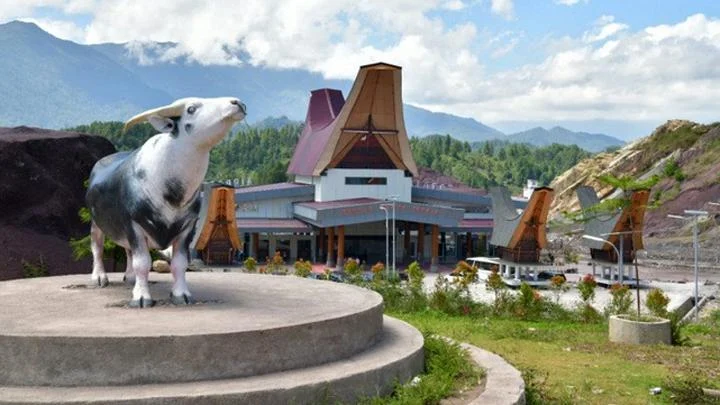
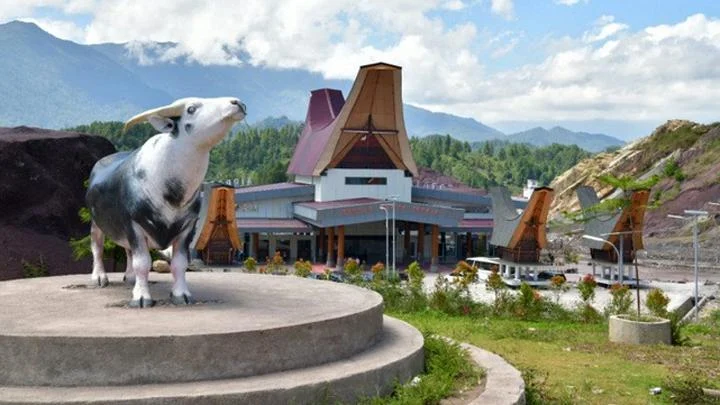
President Joko Widodo officially inaugurated the Toraja Airport in Tana Toraja Regency, South Sulawesi, on Thursday, March 18, 2021. Formerly known as Buntu Kunik Airport, this significant infrastructure project, which has been in development for a decade, is poised to transform the region’s economic landscape by enhancing connectivity, fostering tourism, and creating new economic hubs. The inauguration ceremony was broadcast live via the Presidential Secretariat’s YouTube channel, where President Widodo expressed his optimism for the airport’s potential to stimulate local economies and generate employment opportunities.
A Decade in the Making: The Journey of Toraja Airport
The vision for Toraja Airport began in 2011, intended to replace the aging Pongtiku Airport in Ratentayo. However, its construction faced considerable delays and setbacks. The project was revitalized and resumed under President Widodo’s administration in 2018, with the first phase of development undertaken by the central government. This initial phase was successfully completed by mid-2020. The airport is now operational, with Wings Air and Citilink providing regular flight services connecting Makassar and Toraja.
The development of Toraja Airport is a testament to the government’s commitment to improving infrastructure in remote and strategically important regions. Tana Toraja, renowned for its unique cultural heritage, particularly its elaborate funeral ceremonies and traditional Tongkonan houses, has long been a significant tourist destination. However, its geographical isolation has historically posed challenges for accessibility. The establishment of a modern airport is expected to overcome these barriers, making the region more accessible to both domestic and international travelers.
Technical Specifications and Future Expansion
The Toraja Airport complex spans a total area of 141 hectares. In its initial phase, the airport features a runway measuring 1,600 meters, designed to accommodate ATR-type aircraft. It also includes an apron of 94.5 x 67 meters and a taxiway of 124.5 x 15 meters. Future expansion plans, designated as the second phase, will extend the runway to 2,000 meters. This extension will enable the airport to handle larger aircraft, such as the Boeing 737, significantly increasing its capacity and potential for commercial flights. The terminal building, with a size of 1,000 square meters, is designed to accommodate approximately 150 passengers.
The strategic decision to extend the runway to 2,000 meters is crucial for future-proofing the airport and attracting a wider range of airlines and flight types. This will not only facilitate increased passenger numbers but also open up possibilities for cargo operations, further boosting economic activities in Tana Toraja and surrounding areas.
Navigating Challenging Terrain: Engineering Marvel
The construction of Toraja Airport presented unique engineering challenges due to the region’s steep and rugged topography. Minister of Transportation Budi Karya Sumadi highlighted the complexity of the project, emphasizing that the construction involved the significant undertaking of leveling three hills to create the necessary runway space. This meticulous process of cutting through the landscape underscores the dedication and innovation required to bring this vital infrastructure to fruition.
"Three hills were cut down to build the Toraja Airport runway, which is 2,000 meters long," President Joko Widodo stated in a social media post accompanying a video of the airport. "This airport is important for boosting local connectivity and tourism."
The commitment to overcoming these topographical hurdles demonstrates the national priority placed on developing Tana Toraja. The ongoing efforts in 2021 to further mitigate runway obstacles by cutting additional hills reflect the continuous pursuit of safety and operational excellence. This ambitious engineering feat is not just about building an airport; it is about reshaping the landscape to connect communities and unlock economic potential.
Renaming Ceremony: A Symbol of Local Identity
The rebranding of the airport from Buntu Kunik to Toraja Airport signifies a deliberate effort to align the facility with the region’s strong cultural identity. This name change was a collaborative decision, reached through consultations between the Tana Toraja regency government and community leaders from all 19 sub-districts within Tana Toraja. Following this local consensus, the proposal was formally submitted to the Tana Toraja Regional People’s Representative Council (DPRD) for ratification in a plenary session. Subsequently, the approved name was forwarded to the provincial government and ultimately to the Ministry of Transportation for final endorsement.
This process of renaming underscores the importance of local input and cultural preservation in national development projects. By embracing the name "Toraja Airport," the facility becomes a proud symbol of the region’s heritage, enhancing its appeal to tourists who are drawn to the unique cultural experiences Tana Toraja offers. The name change also serves to immediately orient visitors, associating the airport directly with the distinct cultural landscape they are about to explore.
Economic Implications and Tourism Boost
The inauguration of Toraja Airport is expected to have a profound impact on the local economy. Improved air connectivity is a critical enabler for tourism, which is a primary economic driver in Tana Toraja. Tourists, both domestic and international, will find it significantly easier and faster to access the region, leading to increased visitor numbers. This, in turn, will stimulate demand for local businesses, including hotels, restaurants, handicraft shops, and tour operators.
Beyond tourism, the airport’s enhanced connectivity will also facilitate trade and investment. Businesses will have better access to markets, and the transportation of goods will become more efficient. This could lead to the diversification of the local economy, fostering the growth of new industries and creating a wider array of employment opportunities for the local population. The development of new economic centers, as envisioned by President Widodo, is a direct consequence of improved logistical capabilities.
Data from the Indonesian Ministry of Tourism and Creative Economy consistently highlights the economic contribution of tourism to regional development. For areas like Tana Toraja, with its unique cultural offerings, increased accessibility is directly correlated with economic growth. Prior to the airport’s full operationalization, travel to Tana Toraja often involved long and arduous journeys, limiting its reach. The new airport dramatically reduces travel time, making it a more viable destination for short trips and business engagements.
Broader Impact on Regional Development
The Toraja Airport project is part of a larger national strategy to enhance inter-island connectivity and promote equitable development across Indonesia. The archipelago nation, with its vast geography, relies heavily on air transport to bridge distances and foster economic integration. Investments in regional airports like Toraja are crucial for unlocking the potential of areas that have historically been underserved by modern infrastructure.
The success of the Toraja Airport project can serve as a model for other similar infrastructure developments in challenging terrains across Indonesia. The lessons learned in overcoming topographical obstacles and managing complex construction timelines will be invaluable for future projects. Furthermore, the collaborative approach to renaming the airport emphasizes the importance of community engagement and cultural sensitivity in development initiatives.
The presence of two established airlines, Wings Air and Citilink, on the Makassar-Toraja route signals a strong initial demand and commitment to the region. As passenger traffic grows, it is anticipated that other airlines may consider adding Toraja to their flight networks, further increasing competition and accessibility.
Official Statements and Future Outlook
During the inauguration, President Widodo reiterated his hope that the airport would serve as a catalyst for economic prosperity. "We hope that with the existence of this airport, the economy in the region can grow, more jobs can be created, and new economic centers can be born," he stated. This sentiment was echoed by various stakeholders, including local government officials and community leaders, who expressed their gratitude for the realization of this long-awaited project.
Minister of Transportation Budi Karya Sumadi’s remarks underscored the strategic importance of the airport in the national transportation network. He emphasized the government’s ongoing commitment to expanding and modernizing Indonesia’s aviation infrastructure to support economic growth and improve the quality of life for its citizens.
The successful completion and inauguration of Toraja Airport mark a significant milestone for Tana Toraja and South Sulawesi. It is an investment in the future, poised to unlock the region’s vast potential in tourism, trade, and economic development. As the airport becomes fully operational and flight schedules expand, Tana Toraja is set to welcome a new era of connectivity and prosperity, solidifying its position as a key destination in Indonesia’s vibrant cultural and economic landscape. The challenges overcome in its construction are a testament to the nation’s engineering prowess and its unwavering commitment to progress.