Tata Titiana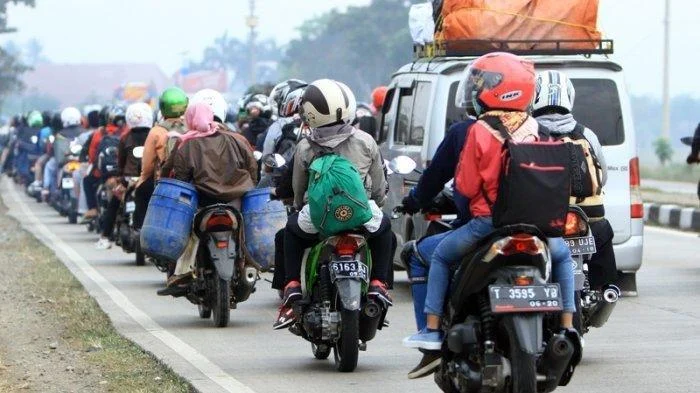
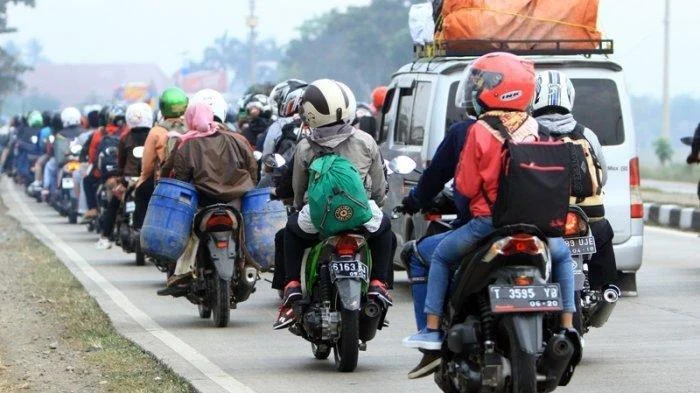
Indonesia’s Ministry of Transportation has announced that the government will permit citizens to travel to their hometowns for Eid al-Fitr (Idul Fitri) celebrations in 2021, a significant shift from the outright ban imposed in 2020 due to the COVID-19 pandemic. The decision, confirmed by Minister of Transportation Budi Karya Sumadi during a working meeting with Commission V of the House of Representatives on March 16, 2021, signifies a measured reopening of domestic travel during the nation’s most important religious holiday.
While the announcement signals a return to a cherished tradition for millions of Indonesians, it is crucial to understand that this is not an endorsement or encouragement to travel. The Ministry of Transportation emphasized its lack of authority to mandate such travel. Instead, the government is working in close collaboration with the COVID-19 Task Force to meticulously design a set of guidelines and mechanisms aimed at preventing the resurgence of the virus, particularly in rural areas. This collaborative effort underscores the delicate balance the government is attempting to strike between facilitating cultural and religious practices and safeguarding public health.
Background: The Echoes of 2020’s Ban
The decision to permit homecoming travel in 2021 stands in stark contrast to the stringent measures implemented in 2020. As the COVID-19 pandemic rapidly spread across the globe and within Indonesia, the government, in an unprecedented move, prohibited "mudik" – the traditional mass exodus of people from cities to their ancestral villages for Eid al-Fitr. This ban, enforced to curb the virus’s transmission, caused considerable disruption to families and the economy, but was widely seen as a necessary sacrifice to protect public health. The memory of last year’s restrictions undoubtedly weighs on the current decision-making process, highlighting the evolving understanding of the pandemic and the government’s adaptive strategies.
A Historical Perspective: When Mudik Was Previously Restricted
Interestingly, the concept of restricting Eid travel is not entirely new in Indonesia’s history. Archival records reveal that during the turbulent post-independence period, specifically in 1946, a similar prohibition on mudik was put in place. This historical precedent underscores that such decisions are often driven by national crises and the imperative to prioritize collective well-being over individual travel desires. Understanding these historical parallels provides a broader context for the government’s current approach, suggesting that restrictions on mass movement during critical periods are a recurring theme in Indonesia’s response to significant national challenges.
The intricate details of the 2021 homecoming travel policy are still being finalized. Minister Budi Karya Sumadi indicated that extensive consultations are underway with various stakeholders to ensure a safe and conducive travel season. A key focus of these discussions is the stringent tightening of travel requirements and enhanced contact tracing protocols. This suggests a multi-pronged approach that extends beyond mere permission, encompassing robust measures to mitigate risks at every stage of the journey.
Key Conditions and Regulations for 2021 Homecoming Travel
Minister Budi Karya Sumadi outlined several critical conditions that travelers must adhere to for the 2021 Eid al-Fitr homecoming. These stipulations are designed to create a layered defense against COVID-19 transmission, from the point of departure to the final destination.
-
Stringent Health Protocols: The cornerstone of the permitted travel is the unwavering enforcement of health protocols. This includes mandatory mask-wearing, maintaining physical distancing, and ensuring frequent disinfection of all transportation modes and facilities. These measures are to be observed rigorously at departure points, throughout the journey, and upon arrival at the destination.
-
Anticipating Passenger Surges and Enhanced Tracing: Recognizing the potential for a significant increase in passenger volume, the government plans to implement strict contact tracing measures. This proactive approach aims to quickly identify and isolate any potential cases, thereby preventing wider outbreaks. The Ministry of Transportation indicated that this would involve close coordination with local health authorities and potentially the use of digital tracking tools.
-
Shortened Validity of Screening Tests: A notable adjustment involves the reduction in the validity period of COVID-19 screening tests, such as rapid antigen tests. This measure is likely intended to ensure that travelers are tested closer to their departure date, thereby minimizing the window of potential infection between testing and travel. The exact duration of this shortened validity is part of the ongoing policy development.
Beyond these core conditions, further health and safety protocols are being reinforced. These include regular sanitization of public transport infrastructure, limitations on passenger capacity within vehicles to ensure adequate spacing, and strategic scheduling of services to avoid overcrowding. The public is being urged to take personal responsibility and demonstrate unwavering adherence to these protocols, acknowledging that collective compliance is paramount for the safety of all.
The government’s emphasis on these measures highlights a learning curve from previous experiences. While the outright ban of 2020 was effective in preventing widespread travel, it also came with significant social and economic costs. The current approach reflects a more nuanced strategy, aiming to enable limited movement while rigorously controlling the associated risks.
Expert Apprehension Amidst Permissive Policy
Despite the government’s efforts to establish safety protocols, the decision to allow homecoming travel has been met with skepticism by some public health experts. Epidemiologists, in particular, have voiced concerns about the potential for increased transmission, even with the implemented measures.
Dr. Riris Andono Ahmad, an epidemiologist from Gadjah Mada University, expressed a cautious outlook, suggesting that the decision might be influenced by an assumption of adequate immunization coverage being in place to control the situation. However, he cautioned that the primary concern lies not solely with vaccination but with the travelers’ adherence to health protocols. "The problem is not protection through immunization," Dr. Ahmad stated, "but if travelers do not implement health protocols, COVID-19 transmission will still occur, similar to before vaccination."
This sentiment underscores a critical point: vaccines, while crucial, are not a panacea. Their effectiveness is maximized when complemented by continued adherence to public health guidelines. The success of the 2021 homecoming season, therefore, hinges significantly on the individual responsibility of travelers.
The Role of Transportation Modalities and Screening
The choice of transportation mode is identified as a crucial factor in managing transmission risks. Dr. Ahmad suggested that public transportation, while presenting its own challenges, might offer a more controlled environment compared to private vehicles. The government’s initiative to equip major terminals, train stations, and airports with COVID-19 screening tools, such as GeNose, is a testament to this strategy. GeNose, a breath-analysis-based screening device, offers a rapid and relatively low-cost method for detecting the virus.
However, Dr. Ahmad specifically highlighted the potential risks associated with private vehicle travel. Without stringent oversight, journeys undertaken in private cars or motorcycles could become significant vectors for virus transmission, particularly as they move from urban centers to more remote rural communities. The ease of bypassing official checkpoints and the lack of direct supervision in private travel scenarios pose a considerable challenge to containment efforts. Therefore, there is a strong recommendation for travelers to opt for public transportation, as it allows for easier monitoring and intervention by authorities if any issues arise.
Vaccination and Continued Vigilance
A common misconception is that being vaccinated eliminates the risk of transmission. Experts like Dr. Ahmad consistently reiterate that even vaccinated individuals must continue to rigorously follow health protocols. The presence of the virus in the community means that vaccinated individuals, while better protected against severe illness, can still contract and transmit the virus, especially in crowded or poorly ventilated settings. Therefore, the mantra of "mask on, keep distance, wash hands" remains vital, regardless of vaccination status.
Looking Ahead: Expert Recommendations and Future Projections
While the government has made its decision, public health experts like Dr. Ahmad continue to advocate for caution. Dr. Ahmad expressed a personal hope that large-scale homecoming travel, particularly at a macro level, could be postponed. He projected that by the time Eid al-Fitr 2021 arrives, the pandemic might not have concluded, and vaccination coverage may still be insufficient to significantly mitigate transmission risks. This perspective highlights the ongoing debate between public health imperatives and the societal need for cultural and religious continuity.
The implications of allowing homecoming travel are multifaceted. On one hand, it offers a much-needed sense of normalcy and allows families to reunite, a vital aspect of Indonesian culture. On the other hand, it carries a significant risk of exacerbating the pandemic, potentially overwhelming healthcare systems in rural areas that may have fewer resources.
The success of this year’s homecoming travel will depend on a complex interplay of government policy, technological implementation, and, most importantly, the collective responsibility and behavioral compliance of the Indonesian public. The coming weeks will be a critical period in observing how these measures play out and whether Indonesia can navigate this delicate balance between tradition and public health. The data from this period will undoubtedly inform future public health strategies and travel policies in the ongoing fight against COVID-19. The coming weeks will be a critical period in observing how these measures play out and whether Indonesia can navigate this delicate balance between tradition and public health. The data from this period will undoubtedly inform future public health strategies and travel policies in the ongoing fight against COVID-19.