Tata Titiana
In an era defined by rapid technological advancement and evolving societal values, a significant shift is occurring in how younger generations perceive and prioritize their financial resources. For millennials and Gen Z, the concept of "lifestyle travel" has transitioned from a mere leisure activity to a fundamental aspect of personal development and a preferred form of investment. This growing inclination towards accumulating experiences over tangible assets like property or vehicles is reshaping economic behaviors and influencing global tourism trends. Unlike previous generations who focused on accumulating wealth for future security, today’s youth are channeling their income into creating lasting memories and acquiring invaluable life lessons through travel, viewing these experiences as more profoundly rewarding and impactful for their long-term well-being.
The Millennial Shift: From Accumulation to Experience
The contemporary global travel landscape is witnessing an unprecedented surge in interest, particularly from the millennial demographic. This phenomenon is driven by a confluence of factors, including the inherent allure of adventure and discovery, coupled with the pervasive influence of digital technology. The widespread availability of stunning natural landscapes and challenging destinations, amplified by the ease of access to information and booking platforms, has ignited a powerful desire among young adults to explore and engage with the world’s wonders.
Historically, personal finance paradigms emphasized a linear path: saving diligently to acquire assets such as homes or cars, with the expectation of a secure and comfortable future. However, this traditional approach is being re-evaluated by younger generations. Millennials, in particular, are demonstrating a distinct preference for allocating their disposable income towards travel. This strategic redistribution of financial focus stems from a belief that the richness of experiences gained during their formative years will hold a far greater, enduring value than the accumulation of material possessions. The memories forged, the lessons learned, and the personal growth fostered through travel are seen as irreplaceable assets that will continue to enrich their lives well into their later years.
This trend is not merely anecdotal; it is supported by various studies and market analyses. A 2023 report by GlobalData indicated that experiential spending among millennials and Gen Z has outpaced spending on physical goods, with travel being a primary beneficiary. This suggests a fundamental recalibration of what constitutes wealth and fulfillment in the 21st century. The intrinsic rewards of travel—broadened perspectives, enhanced problem-solving skills, and a deeper understanding of diverse cultures—are increasingly being recognized as more valuable than the depreciating value of many material assets.
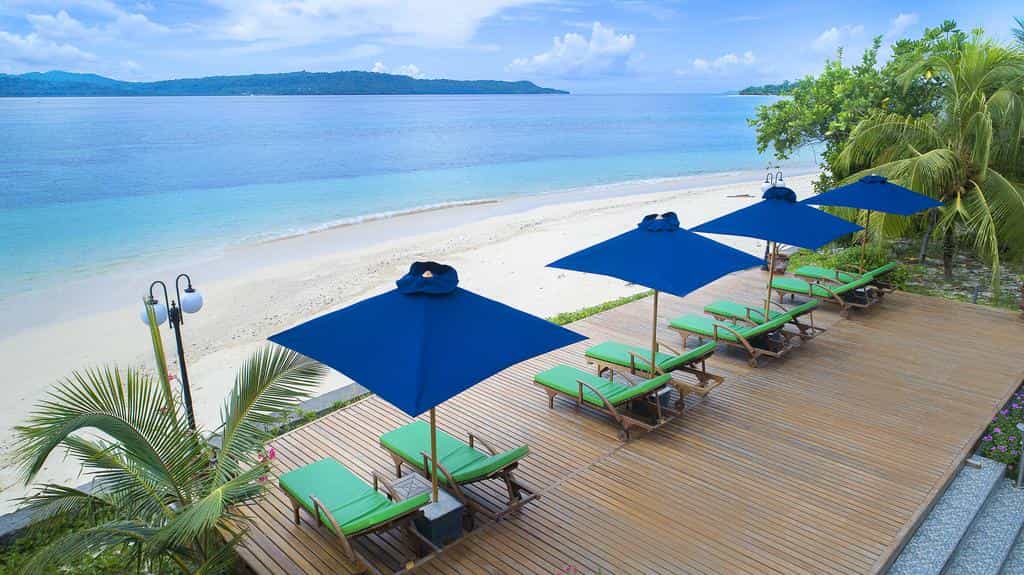
Embracing the Travel Lifestyle: Practical Strategies for the Modern Explorer
The growing aspiration to integrate travel into one’s lifestyle necessitates a proactive approach. As more young individuals venture beyond their comfort zones, seeking new challenges and embracing novel experiences, society as a whole benefits from a more open-minded and forward-thinking populace. Exploring unfamiliar territories and confronting the unknown can be a powerful catalyst for self-discovery, allowing individuals to unearth their true capabilities and understand their place in the world. To facilitate this transition into a travel-centric lifestyle, several actionable strategies can be adopted:
Fortifying Resolve and Cultivating Courage
The transition to a lifestyle that embraces travel requires more than just a desire; it demands a commitment to action. For those aspiring to make travel a consistent part of their lives, the first and most crucial step is to cultivate unwavering resolve and a robust sense of courage. This means dispelling the notion that one must amass significant savings before embarking on journeys. Instead, the emphasis should be on developing the bravery to embark on adventures with the resources currently available. This involves a willingness to adapt, to make do, and to find resourceful solutions when faced with limitations.
The psychological barrier of perceived financial inadequacy is often the greatest impediment to initiating a travel lifestyle. By shifting the mindset from "when I have enough money" to "how can I travel now," individuals can unlock a world of possibilities. This might involve exploring budget-friendly destinations, opting for more economical modes of transport, or even leveraging skills and services in exchange for travel opportunities. The key is to recognize that the world is vast and accessible, and that the initial steps, however modest, are the most significant. The narrative that one must achieve financial affluence before experiencing the world is being challenged by a generation that understands the intrinsic value of immediate engagement and continuous learning through exploration.
Navigating the Journey: Embracing Flexibility and Adaptability
While planning is an integral part of any endeavor, when it comes to a travel lifestyle, rigid adherence to meticulously detailed itineraries can often be counterproductive. The essence of embracing a travel lifestyle lies in the ability to flow with the unfolding journey and to adapt to the ever-changing circumstances that travel inevitably presents. This means creating a general framework or a list of desired destinations and experiences, rather than a minute-by-minute schedule. The world is dynamic, and unexpected opportunities and challenges are part of the adventure.
By preparing oneself for the unpredictable, travelers can remain open to serendipitous encounters and spontaneous detours that often lead to the most memorable experiences. Over-reliance on a fixed plan can cause individuals to miss out on authentic cultural exchanges, hidden gems, or even essential learning moments. The beauty of travel often lies in its unplanned moments, where genuine connections are made and unexpected insights are gained. Therefore, cultivating a mindset of flexibility allows travelers to truly immerse themselves in the destination and its local rhythm, rather than trying to impose their own predetermined structure upon it. This adaptive approach is fundamental to deriving the fullest benefit from a travel-centric lifestyle, fostering a deeper appreciation for the nuances of different cultures and environments.

Cultivating Adaptability: The Essential Tool for the Global Citizen
The journey of integrating travel into one’s lifestyle is inherently linked to the development of robust adaptability. As individuals venture into diverse environments, encountering a myriad of new people, languages, and customs, the capacity to adjust and thrive becomes an indispensable asset. This adaptability is not merely about tolerating differences; it is about actively engaging with them, learning from them, and integrating them into one’s own understanding of the world.
The ability to navigate unfamiliar social landscapes, comprehend different communication styles, and respect varying cultural norms is paramount for a fulfilling travel experience. This includes being open to new foods, different living conditions, and alternative ways of life. For instance, understanding local etiquette, learning a few basic phrases in the native language, or being willing to participate in local customs can significantly enhance interactions and foster genuine connections. In essence, adaptability transforms potential challenges into opportunities for growth and deeper cultural understanding.
The long-term implications of cultivating this skill extend far beyond the immediate travel experience. In an increasingly interconnected world, individuals who possess strong adaptive capabilities are better equipped to thrive in diverse professional and personal environments. They are more resilient in the face of change, more innovative in their problem-solving, and more empathetic in their interactions. The skills honed through navigating the complexities of travel—patience, resourcefulness, open-mindedness, and cross-cultural competence—are highly valued in today’s globalized workforce and are foundational to becoming a well-rounded global citizen. The travel lifestyle, therefore, serves as an intensive, real-world training ground for developing these crucial life skills.
The Profound Impact of Experiential Investment
The decision to prioritize travel as a lifestyle choice carries profound implications, not only for the individual but also for society at large. The act of stepping outside one’s familiar surroundings and engaging with different cultures and environments fosters a deeper sense of self-awareness and a more nuanced understanding of the world. Through these immersive experiences, individuals are exposed to diverse perspectives, challenging their preconceived notions and broadening their intellectual horizons.
This process of continuous learning and discovery is invaluable. It allows individuals to identify their strengths and weaknesses, confront their fears, and ultimately, to gain a more profound understanding of their own identity. The lessons learned on the road—from navigating logistical challenges to communicating across language barriers—equip individuals with practical skills and a resilience that transcends the travel context. These experiences become the building blocks of a richer, more fulfilling life, offering a unique form of personal capital that appreciates over time.

The broader societal impact of this trend is also significant. As more individuals embrace travel, there is a corresponding increase in cross-cultural understanding and empathy. This can contribute to a more tolerant and interconnected global community, breaking down barriers and fostering a greater appreciation for diversity. Furthermore, the economic ripple effects of a thriving tourism sector are substantial, supporting local economies and creating opportunities for communities worldwide.
Conclusion: A New Paradigm of Wealth and Fulfillment
The shift towards a lifestyle centered on travel represents a significant evolution in how younger generations define success and fulfillment. It underscores a move away from the traditional pursuit of material wealth towards a more holistic approach that values experiences, personal growth, and global awareness. By embracing the principles of resolve, flexibility, and adaptability, individuals can successfully integrate travel into their lives, enriching their personal journeys and contributing to a more interconnected and understanding world. The future of personal investment is not solely in stocks and bonds, but in the indelible memories and invaluable life lessons forged through exploration. As more individuals recognize the enduring value of experiential wealth, the travel lifestyle is poised to become an even more influential force in shaping personal aspirations and global dynamics.