Nila Kartika Wati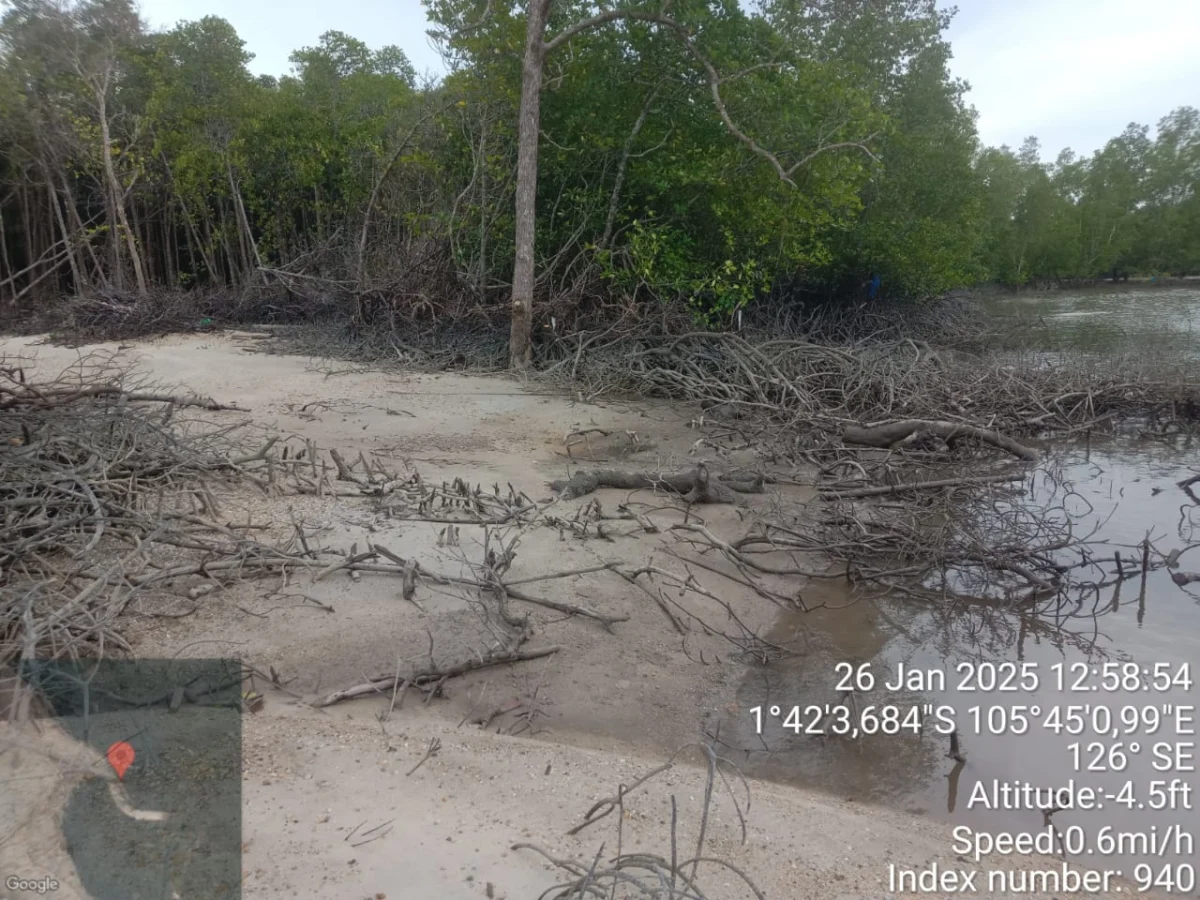
The persistent struggle of traditional fishermen in Tanjung Kelabat Dalam, Bangka Belitung Islands (Babel), against the encroachment of illegal tin mining has reached a pivotal turning point following a high-level meeting with regional legislators. During a formal audience with the Forum Nelayan Pecinta Teluk Kelabat (Kelabat Bay Loving Fishermen’s Forum) in early June, Didit Srigusjaya, the Speaker of the Bangka Belitung Regional House of Representatives (DPRD), formally pledged his support for the community’s efforts to reclaim their traditional fishing grounds from unregulated suction dredgers.
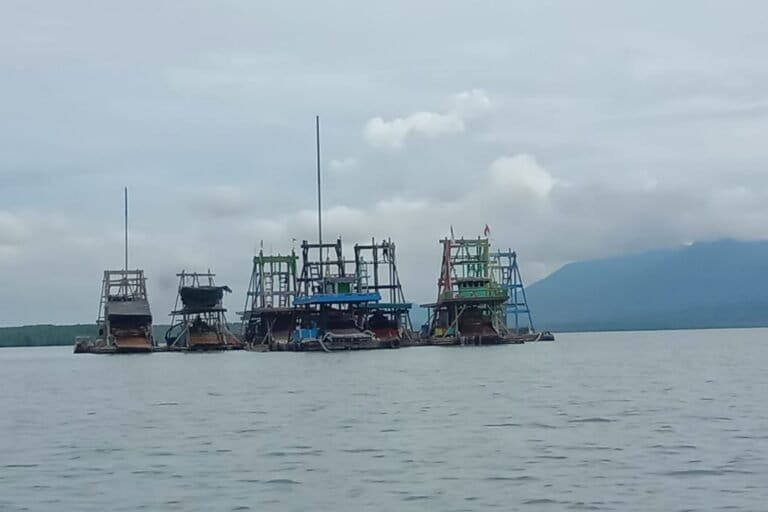
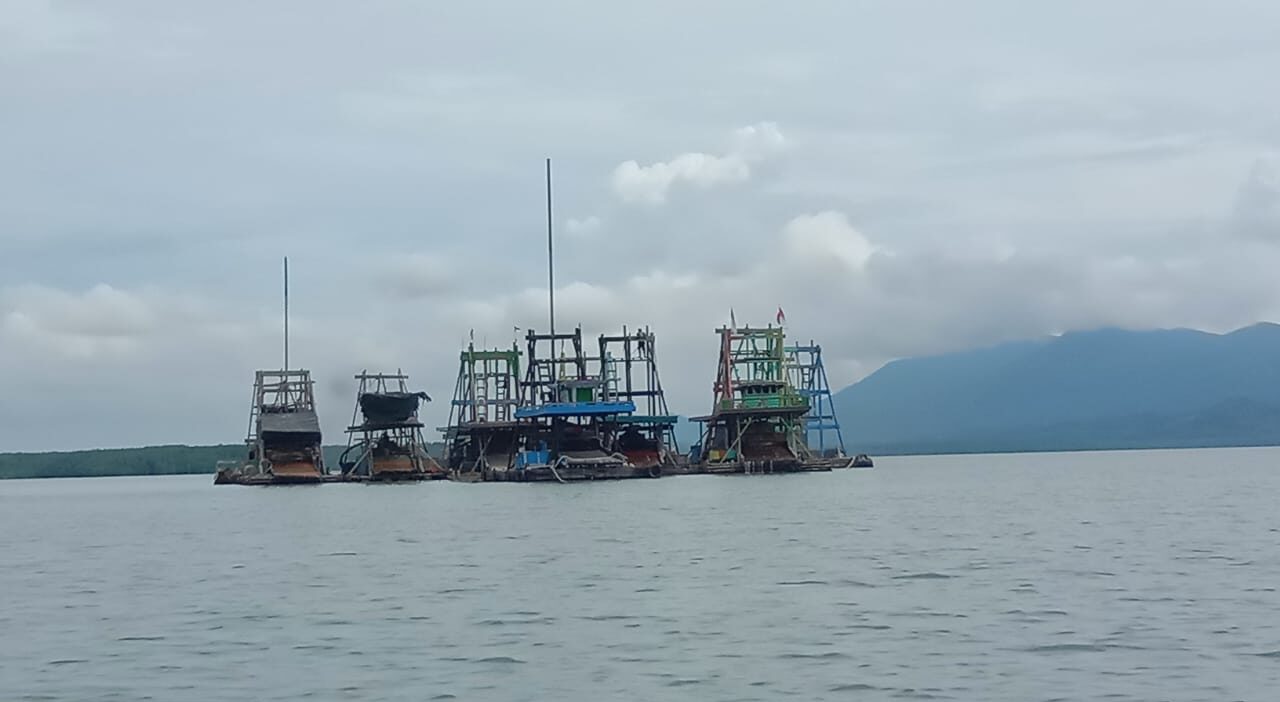
The meeting highlighted a dire situation in Teluk Kelabat, where fishermen reported that approximately 100 illegal mining pontoons—locally known as ponton isap produksi—have been operating with impunity. These floating mining platforms utilize heavy-duty suction pumps to extract tin ore from the seabed, a process that releases massive amounts of sediment and heavy metals into the water column. For the local communities, this is not merely an environmental concern but an existential threat to their livelihoods and the long-term food security of the region.
The Legislative Mandate: A Conflict of Regulation and Reality
The primary contention presented by the fishermen and supported by legislative findings is the blatant violation of existing regional spatial planning laws. According to representatives from the Bangka Belitung Maritime and Fisheries Office (DKP), the Teluk Kelabat area is strictly governed by Regional Regulation (Perda) No. 3/2020 concerning the Zoning Plan for Coastal Areas and Small Islands (RZWP3K).
Under this regulation, Teluk Kelabat is classified into four specific functional zones: port operations, capture fisheries, aquaculture, and tourism. Crucially, the legal framework designates the entire bay as a "Zero Mining" zone. This means that any extractive activity within the waters of Teluk Kelabat is inherently illegal, regardless of whether the operators possess mineral rights elsewhere.
"The area is a mining-free zone," a DKP representative stated during the hearing, reinforcing the legal standing of the fishermen. Despite this clear legal boundary, the enforcement of the "zero mining" status has been inconsistent, allowing illegal operators to thrive in the vacuum created by lax oversight and the high global demand for tin.
Economic Displacement: The Human Cost of Illegal Extraction
The socio-economic impact of the mining operations on the local population is profound. Eko Wijaya, a veteran fisherman from Kelabat Dalam, provided a grim assessment of the current state of the bay’s economy. He noted that the proliferation of illegal pontoons has not only decimated the local ecosystem but has also triggered a sharp decline in the income of traditional fishers.
"This has been going on for a long time," Eko stated, adding that the average income for fishermen in the region has plummeted by an estimated 60% to 70% since the mining boom began. In the past, a single fishing trip could yield upwards of 10 kilograms of fish or a full "fiber" container of various catch. Today, many fishermen return to shore with nothing, unable to cover the cost of fuel for their boats.
The impact is felt most acutely by families like that of Sarnilawati, a woman fisherman from Tanjung Kelabat. She shared that her husband’s ability to catch shrimp—a high-value commodity for the local market—has been almost entirely neutralized. "It is difficult. We cannot work. We cannot catch fish or shrimp," she said, reflecting on months where the family had no source of income.
For the thousands of fishermen across 12 villages in four districts—spanning West Bangka and Bangka Induk—the bay is more than a body of water; it is a multi-generational workplace. While some younger residents have attempted to pivot to farming or low-level government jobs, the majority remain tied to the sea. "The original fishermen cannot just leave. They continue to go to sea. They continue to resist," Eko affirmed.
Ecological Fragility: Teluk Kelabat as a Biological Sanctuary
Teluk Kelabat is a unique semi-enclosed body of water located on the northern coast of Bangka Island, facing the North Natuna Sea. It is divided into the Outer Bay, which connects directly to the South China Sea, and the Inner Bay (Teluk Kelabat Dalam), where several major rivers discharge their nutrient-rich waters.
Scientific research has long identified Teluk Kelabat Dalam as a critical nursery ground for various marine species. The calm, shallow waters and extensive mangrove forests provide the ideal environment for fish, shrimp, and crabs to spawn and mature. However, the sediment plumes generated by mining pontoons settle on coral reefs and seagrass beds, effectively "smothering" the habitat.
The environmental degradation is comprehensive, affecting:
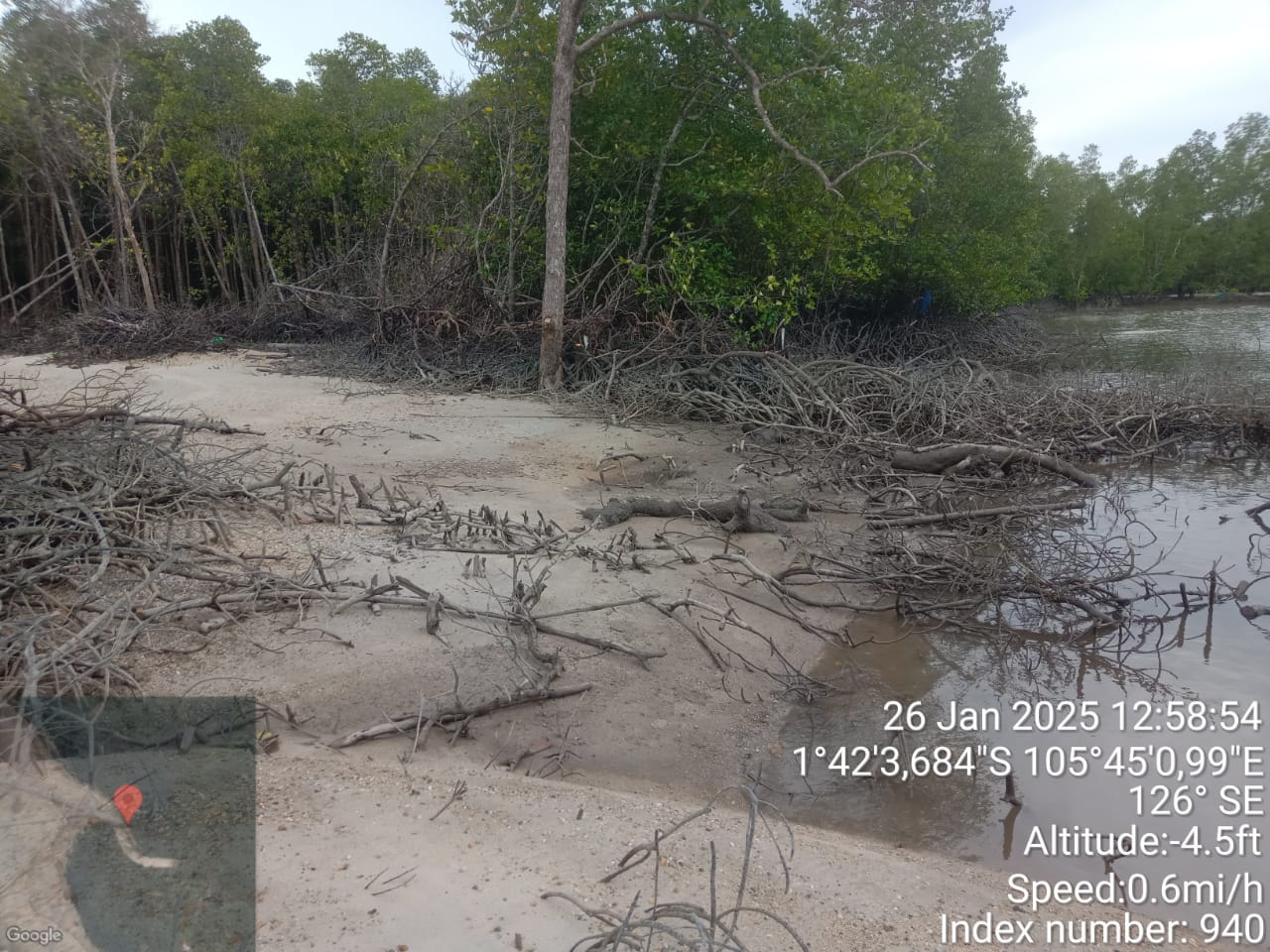
- Mangrove Ecosystems: The physical presence of mining equipment and the resulting erosion have led to the destruction of coastal forests that protect the shoreline.
- Coral Reefs: Increased turbidity prevents sunlight from reaching the reefs, leading to coral bleaching and the loss of biodiversity.
- Navigational Hazards: The presence of hundreds of pontoons creates a chaotic environment for traditional fishing boats, often blocking traditional shipping lanes and damaging nets.
- Water Quality: The stirring of the seabed releases silt and potentially hazardous substances, disrupting the delicate balance of the estuarine environment.
"The damage is extraordinary. From the sea to the land. The coast is ruined. The mangroves are ruined," Eko Wijaya remarked, emphasizing that once these breeding grounds are destroyed, the fish stocks may never fully recover.
Corporate Ambiguity and the Question of IUPs
A significant point of friction during the legislative audience involved the role of PT Timah, Indonesia’s state-owned tin miner. Fishermen have long alleged that the company’s presence in the region provides a "shadow of legitimacy" for illegal operators.
Devi, a representative from PT Timah who attended the meeting, acknowledged that the company holds Mining Business Licenses (IUP) in the Teluk Kelabat area. However, she adamantly denied that the company was sponsoring or managing the hundreds of pontoons currently active in the bay. She clarified that since 2022, PT Timah has not issued any Work Orders (SPK) for mining operations in Teluk Kelabat, specifically citing the "zero mining" zoning regulation as the reason for the cessation of official activity.
"We have no permits there [to operate currently]. In 2022, we stopped all mining in those three IUPs because of the zero-mining zone," Devi explained, as captured in video footage of the meeting.
Despite this, advocacy groups like Wahana Lingkungan Hidup (WALHI) Bangka Belitung argue that the mere existence of these IUPs creates a loophole. Ahmad Subhan Hafiz, Executive Director of WALHI Babel, suggested that if the government is serious about the "zero mining" status, the existing IUPs held by PT Timah in Teluk Kelabat should be formally revoked rather than just left dormant.
Law Enforcement Actions and Recent Raids
Following the directive from the DPRD Speaker, a joint task force consisting of the Indonesian National Police (Polri), the Indonesian National Armed Forces (TNI), and local government officials (Forkopimda) conducted a series of raids in Teluk Kelabat.
AKBP Pradana Aditya Nugraha, Chief of the West Bangka Police, confirmed that the operation resulted in the seizure of four suction pontoons. "These four units were towed by officers because they lacked legality and operational permits from PT Timah," he stated. However, the operation faced logistical challenges; low tide conditions prevented the authorities from seizing dozens of other pontoons spotted in the area.
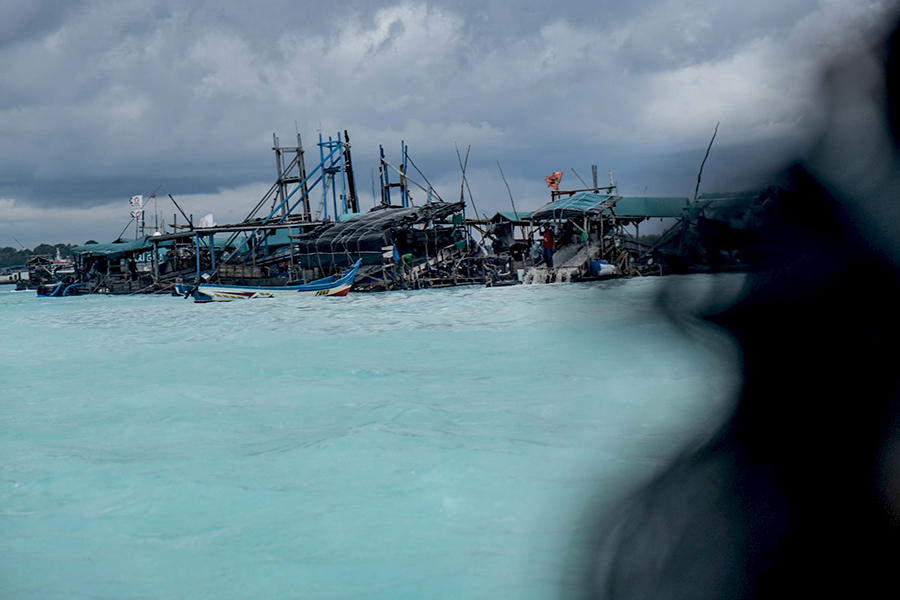
While the fishermen expressed appreciation for the raid, they remain skeptical about its long-term efficacy. Past experiences have shown that once the authorities leave, the pontoons often return within days. Eko Wijaya urged the government to implement permanent closures and regular patrols. "The officers must patrol frequently. If not, they will appear again," he warned.
The Path Forward: Restoration and Policy Reform
The crisis in Teluk Kelabat is a microcosm of the broader challenges facing the tin industry in Bangka Belitung, which is the world’s second-largest producer of the metal. The region has recently been rocked by massive corruption scandals involving the tin trade, which have prompted a national re-evaluation of how mineral resources are managed.
According to a recent legal analysis titled "Law Enforcement of Illegal Tin Mining Post-Tin Trade Corruption Case in Bangka Belitung," consistent and transparent enforcement is the only way to break the cycle of illegal extraction. The report suggests that the government must use modern technology, such as satellite monitoring and drone surveillance, to oversee coastal waters.
For the people of Teluk Kelabat, the demand is simple: the restoration of their environment and the protection of their right to fish. They have remained steadfast in the face of corporate "incentives" or bribes, choosing instead to protect the sea. "We continue to resist that injustice. No matter the allure, we do not accept it. We reject it because we love the sea," Eko concluded.
The struggle now moves toward the provincial and national levels, as WALHI and the fishermen’s forum push for a comprehensive restoration plan. This plan would require the parties who profited from the illegal mining—both individuals and corporations—to fund the replanting of mangroves and the rehabilitation of the bay’s seabed. Without such measures, the "zero mining" zone may remain a legal reality but an ecological ghost town.