Nila Kartika Wati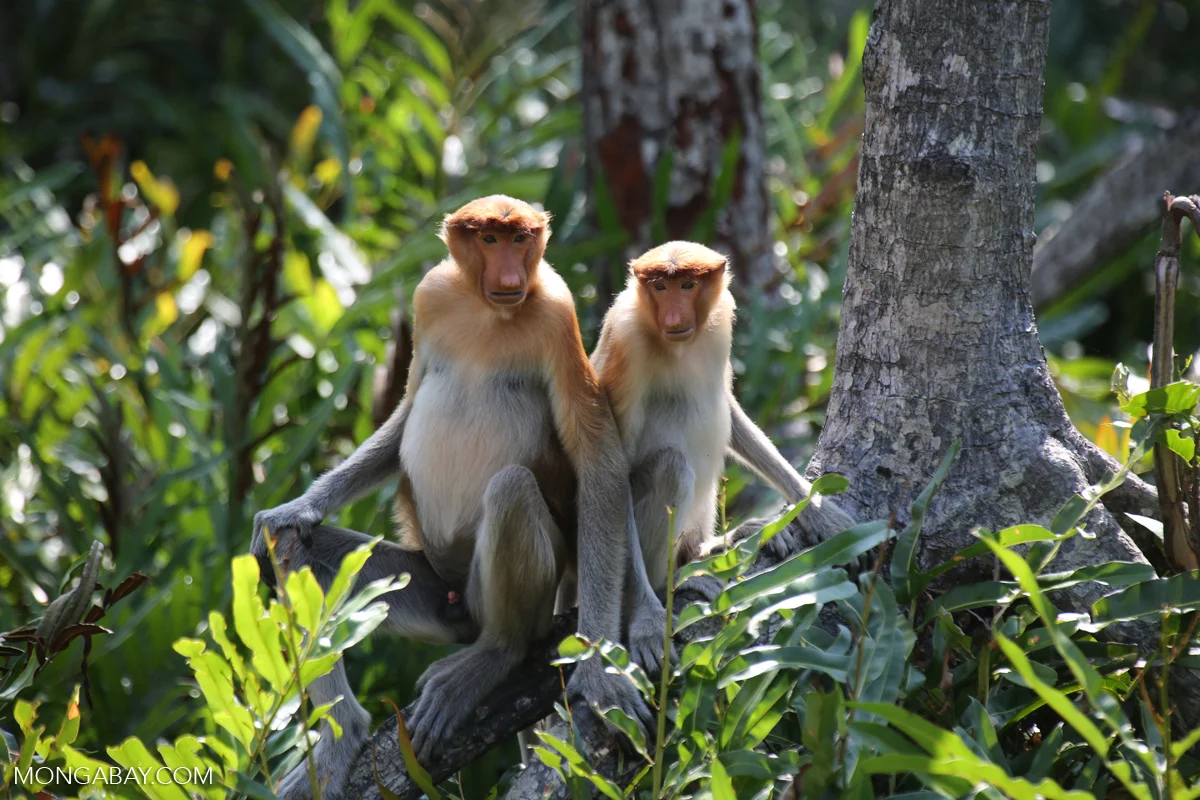
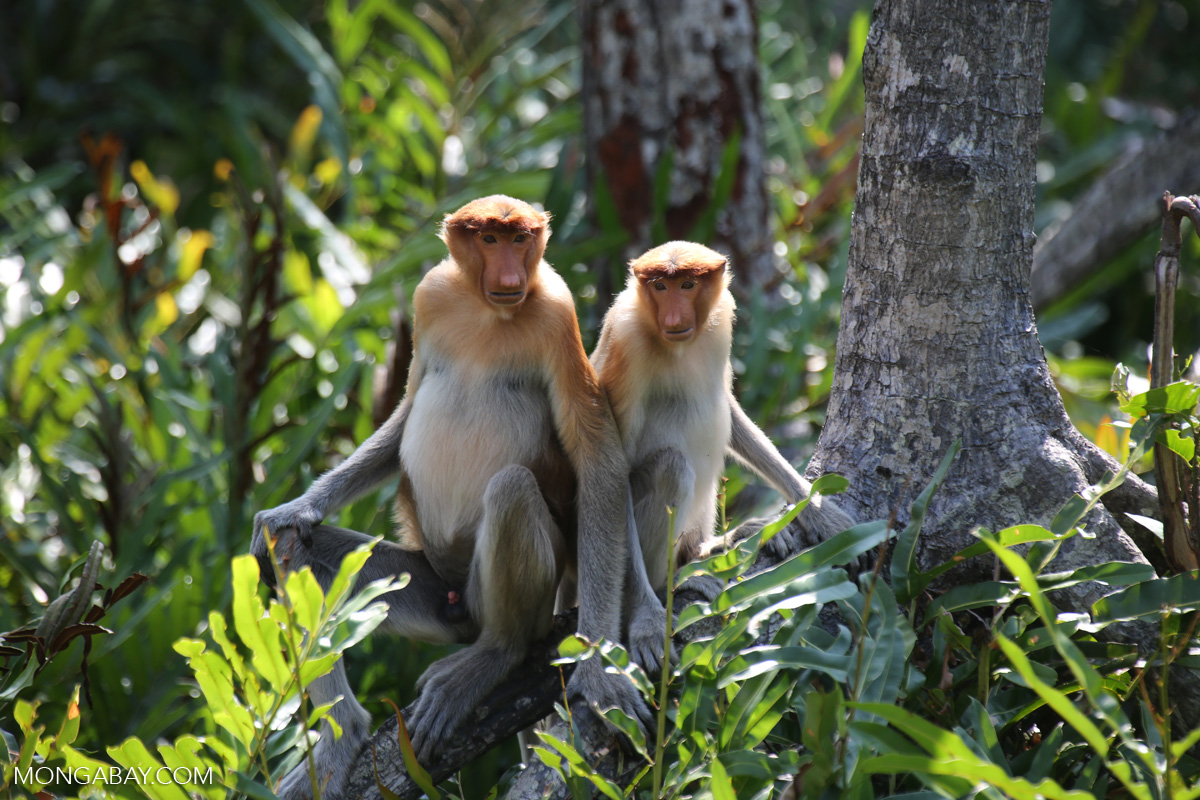
The biological world has long classified the act of rumination—the process of regurgitating and re-chewing food—as a defining characteristic of specific ungulates such as cattle, goats, and camels. However, a series of groundbreaking scientific studies have confirmed that the proboscis monkey (Nasalis larvatus), a primate endemic to the island of Borneo, also engages in this complex digestive strategy. This discovery challenges long-held assumptions in primatology and provides a deeper understanding of how these large-nosed primates survive on a diet that would be nutritionally inaccessible to most other mammals. By utilizing specialized microbes in their digestive tracts to break down tough leaf fibers, proboscis monkeys have evolved into "primate ruminants," a feat of adaptation that highlights the ecological uniqueness of the Kalimantan rainforests.
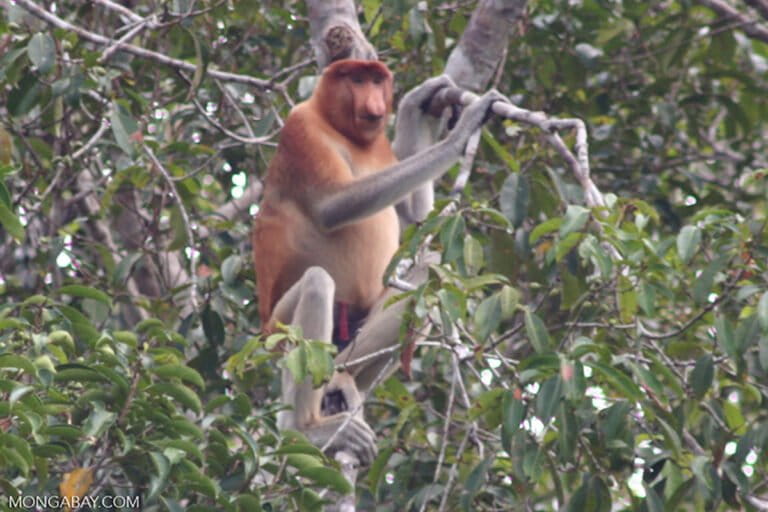
The initial revelation of this behavior was brought to the global scientific community by a research team led by Ikki Matsuda of Kyoto University. In a study published in 2011, researchers revealed that they had identified rumination behaviors by analyzing extensive video footage collected since the year 2000. The data indicated that at least 23 individual long-nosed monkeys were observed regurgitating food from their stomachs and chewing it a second time. This process, scientifically known as regurgitation and remastication, allows the animal to further break down the cellulose and lignin found in the mangrove leaves and seeds that constitute the bulk of their diet.
The Biological Mechanism of Primate Rumination
To understand why the proboscis monkey ruminates, one must look at the specific challenges of its environment. The forests of Borneo, particularly the riparian and mangrove zones, offer an abundance of foliage that is high in fiber but low in easily digestible sugars. Unlike many other primates that seek out ripe, sugary fruits, the proboscis monkey consumes young leaves, seeds, and unripe fruits that are often laden with secondary compounds like tannins.
The proboscis monkey belongs to the Colobinae subfamily, often referred to as "leaf-eating monkeys." These primates possess a complex, sacculated stomach similar to those of ruminants. Within these chambers, symbiotic bacteria ferment the plant matter, neutralizing toxins and breaking down complex carbohydrates. However, the 2011 study proved that their digestive process goes a step further. By regurgitating partially fermented food, the monkeys can mechanically break the plant cell walls a second time, increasing the surface area for microbial action.
Experts emphasize that while the result is similar to that of a cow, the physiological mechanism differs in its level of specialization. True ruminants possess a highly evolved sorting mechanism in their stomachs that automatically separates large particles for re-chewing. In proboscis monkeys, the process appears to be a more deliberate behavioral strategy. This "chewing the cud" allows them to process larger volumes of food more efficiently, preventing the buildup of gas—a common issue for leaf-eaters that often results in the distinctive "pot-bellied" appearance of the species.
Chronology of Research: From Daylight Observations to Infrared Night Studies
The scientific journey to understand this behavior has spanned over two decades. Following the 2011 breakthrough, researchers sought to determine if this behavior was a constant requirement or a supplemental strategy used during specific times of the day. In 2023 and early 2024, a follow-up study led by Jonas Bösch, alongside Ikki Matsuda and other colleagues, was published in the Journal of Zoology. Titled "They chew by night? Night-time behaviour in a ‘ruminating’ primate, the proboscis monkey (Nasalis larvatus)," the research utilized infrared technology to observe the monkeys in total darkness.
The study involved 179 wild individuals located along the lower Kinabatangan River in Sabah, Malaysia. Over 35 nights, the team recorded more than 251 hours of observation. The goal was to test the hypothesis that proboscis monkeys, being diurnal (active during the day), might use the quiet hours of the night to ruminate, much like cattle do when resting.
The results offered a surprising correction to previous ecological assumptions. While the monkeys were found to be more "awake" than previously thought—spending significant portions of the night in a state of resting wakefulness rather than deep sleep—they did not ruminate more frequently at night than they did during the day. This finding shifted the scientific perspective on primate sleep cycles, suggesting that for the proboscis monkey, the night is not merely a period of passive recovery but a time for vigilant resting. This state of "jaga-jaga sambil rebahan" (vigilant lounging) allows them to stay alert to predators, such as clouded leopards or pythons, while their complex stomachs continue the slow work of fermentation.
Physical Characteristics and Sexual Dimorphism
The proboscis monkey is one of the largest monkey species native to Asia. Their physical appearance is so distinct that it earned them the local nickname "Monyet Belanda" (Dutch Monkey) during the colonial era, as locals noted a resemblance between the monkeys’ large noses and red faces and the European colonizers of the time.
Data from the Center for Conservation of Natural Resources Technology (Balitek KSDA) provides a clear picture of their physical stature. Adult males are significantly larger than females, weighing up to 24 kilograms and reaching lengths of 75 centimeters. Their most defining feature, the pendulous nose, can exceed 10 centimeters in length. Scientists believe this nose acts as a resonating chamber, amplifying the male’s vocalizations to attract mates and warn off rivals. Females, by contrast, are smaller, weighing roughly 12 kilograms, and possess shorter, upturned noses.
Their diet is intrinsically linked to their anatomy. Because they consume high-fiber mangroves and riparian leaves that produce significant amounts of methane during fermentation, their digestive tracts are massive. This results in the perpetually bloated abdomen that characterizes the species, a necessary trade-off for their specialized niche in the ecosystem.
Conservation Initiatives: The Guardians of the River
While the scientific community focuses on the monkeys’ biology, local communities in Kalimantan have become the primary defenders of their habitat. The proboscis monkey is a flagship species for the health of riparian and mangrove ecosystems. In the Sungai Hitam (Black River) region of Samboja, East Kalimantan, a grassroots movement has emerged to protect the "Monyet Belanda."
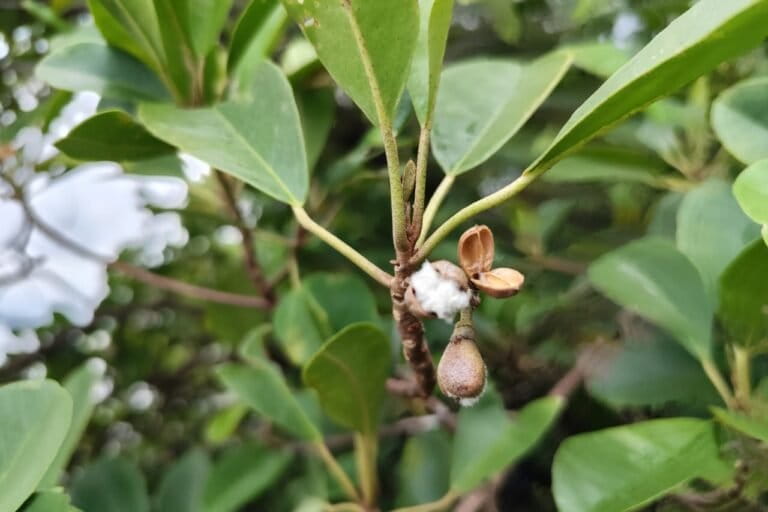
The local group "Sungai Hitam Lestari" has spearheaded a voluntary conservation effort. Recognizing that the monkeys rely on the Rambai Laut tree (Sonneratia caseolaris) for both food and sleeping sites, the group has encouraged residents to maintain a 20-meter "green buffer" along the riverbanks. By preventing land conversion within this zone, they have managed to preserve the critical corridors the monkeys need to travel and forage. Since 2013, these efforts have successfully slowed the rate of habitat loss in the area, proving that community-led ecotourism can serve as a viable alternative to destructive land use.
Similarly, in South Kalimantan, the Pulau Curiak project represents a major victory for the species. Founded by Amalia Rezeki of the Sahabat Bekantan Indonesia (SBI) Foundation, the project focuses on a small island where the monkeys were first spotted in 1994. Amalia, often referred to as Amel, leads a team—80 percent of whom are women—dedicated to reforestation. They focus on planting Rambai trees, which not only feed the monkeys but also prevent coastal erosion.
The impact of this dedicated work is quantifiable. In 2016, the proboscis monkey population on Pulau Curiak consisted of only 14 individuals. By 2024, that number had surged to 52. This nearly fourfold increase demonstrates that even small-scale, focused interventions can pull a local population back from the brink of extinction.
Threats and the Endangered Status
Despite these local successes, the global outlook for the proboscis monkey remains precarious. The International Union for Conservation of Nature (IUCN) currently lists the species as Endangered. Statistical trends suggest that the population has plummeted by 50% to 70% over the last three generations.
The primary driver of this decline is the destruction of habitat. Mangrove forests and riparian zones are frequently cleared for palm oil plantations, shrimp farming, and infrastructure development. Because proboscis monkeys are highly specialized and rarely venture far from water sources, they are particularly vulnerable to "habitat fragmentation." When a stretch of riverbank is cleared, a troop may become isolated, leading to inbreeding and increased susceptibility to disease.
Furthermore, illegal logging and hunting continue to pose threats, particularly in areas outside of formal protected zones. Amalia Rezeki noted that without intervention, populations outside of conservation areas could face a 50% reduction every decade. The loss of these monkeys would have a cascading effect on the environment; as they forage, they assist in seed dispersal and the pruning of mangrove canopies, which maintains the health of the forest.
Broader Implications and Analysis
The discovery of rumination in proboscis monkeys is more than a biological curiosity; it is a testament to the complexity of primate evolution. It proves that when faced with extreme nutritional constraints, evolution can "converge" on similar solutions across wildly different branches of the tree of life. The ability to chew the cud has allowed the proboscis monkey to dominate a niche that other primates cannot occupy, turning the low-quality leaves of the Borneo swamps into a sustainable energy source.
From a conservation perspective, the link between the monkey’s unique biology and its specific habitat is unbreakable. The scientific data confirms that these primates cannot simply be "relocated" to any forest; they require the specific chemistry of mangrove and riparian flora to fuel their ruminant-like digestion.
The integration of traditional ecological knowledge with modern scientific research offers the best path forward. When local communities protect the riverbanks to preserve their "Dutch Monkeys," they are also protecting vital carbon sinks and fish nurseries. The story of the proboscis monkey serves as a reminder that the survival of a species is inextricably linked to the preservation of the delicate, often misunderstood, biological processes that allow it to thrive. As research continues into their nighttime behaviors and digestive health, the focus must remain on ensuring that the forests of Kalimantan remain standing, providing the quiet riverbanks where these unique "primate ruminants" can continue their ancient practice of chewing the cud under the Bornean moon.