Nasution Nanang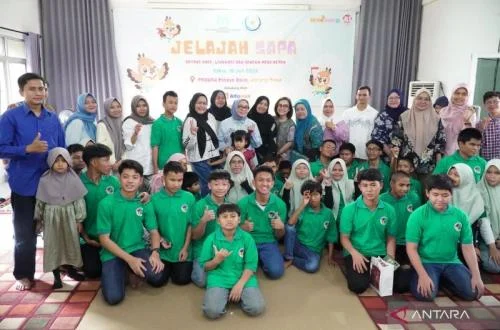
JAKARTA – The Ministry of Women’s Empowerment and Child Protection (KemenPPPA), in a significant partnership with PT Midi Utama Indonesia Tbk (Alfamidi), recently spearheaded an inspiring initiative aimed at empowering hundreds of children with disabilities. This collaborative effort, dubbed "Jelajah SAPA," which translates to "Explore/Journey of Care," took place at the Cahaya Batin Social Home for the Visually Impaired in Jakarta on Monday, July 20. The event underscored a shared commitment to fostering an inclusive environment where every child, irrespective of their physical or sensory capabilities, can thrive and realize their full potential. This initiative serves as a poignant reminder of the ongoing national dialogue surrounding disability rights and the pivotal role of public-private partnerships in actualizing these principles.
The event, strategically timed in the lead-up to National Children’s Day, highlighted the Indonesian government’s dedication, through KemenPPPA, to ensuring the rights and well-being of all children. Minister of Women’s Empowerment and Child Protection, Arifah Fauzi, emphasized the profound importance of such occasions, stressing the imperative to "love, protect, and fulfill the rights of every child." Her statement resonated with the Ministry’s overarching mandate to create a protective and nurturing ecosystem for the nation’s youth. "Children are the future of our nation, and we must support them to achieve their aspirations," Minister Fauzi affirmed, reiterating the government’s long-term vision for comprehensive child development and protection. The "Jelajah SAPA" initiative, therefore, was not merely a one-off event but a tangible manifestation of KemenPPPA’s commitment to promoting cross-sector collaboration. The Ministry consistently advocates for a concerted effort from government agencies, the private sector, civil society organizations, and communities to establish safe, inclusive, and child-friendly environments across Indonesia. This multi-stakeholder approach is considered essential to dismantle systemic barriers and foster genuine inclusion.
The Jelajah SAPA Initiative: A Deep Dive into Empowerment
The "Jelajah SAPA" program itself is designed to engage directly with children with disabilities, offering them encouragement, support, and practical resources. The choice of Panti Sosial Bina Netra Cahaya Batin, a social home dedicated to the visually impaired, underscored the specific focus on sensory disabilities, a group that often faces unique challenges in education, social integration, and access to opportunities. During the event, children participated in various interactive activities aimed at building confidence and fostering a sense of community. The atmosphere was one of joy and solidarity, with volunteers from both KemenPPPA and Alfamidi engaging with the children. These activities included storytelling sessions, group games adapted for visually impaired participants, and motivational discussions. The interactions were carefully curated to be inclusive, ensuring that all children could participate meaningfully and enjoy the experience.
The event also served as a platform for direct support, with Alfamidi distributing 100 packages containing goodie bags and basic necessities to the children. These contributions, while seemingly simple, provide tangible relief and a sense of being valued, reinforcing the message that their well-being is a priority. For children residing in social homes, such donations can significantly alleviate daily burdens and provide a morale boost. Beyond the material aid, the most significant contribution was perhaps the message of hope and encouragement imparted by the event organizers and participants. The goal was to instill in these children the belief that their disabilities do not define their potential or limit their dreams.
Alfamidi’s Trailblazing Commitment: The Alfability Program
Alfamidi’s participation in the "Jelajah SAPA" initiative is not an isolated act of corporate philanthropy but rather an extension of its deeply ingrained commitment to social inclusion, particularly through its groundbreaking "Alfability" program. Retriantina Marhendra, Corporate Communication Manager for Alfamidi, articulated the company’s pride in contributing to the event and reaffirmed its unwavering dedication to inclusion. "Our commitment to inclusion is not merely expressed through ceremonial events, but through concrete programs," Marhendra stated, highlighting the long-term strategic nature of their initiatives.
The "Alfability" program, initiated in 2012, stands as a testament to Alfamidi’s pioneering efforts in integrating persons with disabilities into the workforce. This program goes beyond mere compliance with legal requirements; it embodies a proactive philosophy of empowerment and equal opportunity. As of the event, Alfamidi had proudly employed 344 individuals with disabilities. This figure significantly surpasses the minimum one percent quota mandated by Indonesian Law Number 8 of 2016 concerning Persons with Disabilities. This law, a crucial legislative milestone, aims to protect and fulfill the rights of persons with disabilities, including their right to work. By exceeding this benchmark more than threefold (given the average workforce size of large corporations), Alfamidi has set a commendable standard for corporate social responsibility and inclusive employment practices in Indonesia.
The "Alfability" program is not just about hiring; it involves comprehensive support systems. Employees with disabilities at Alfamidi are integrated into various roles across their retail operations and logistical chains, including administrative positions, store assistants, and other support functions. The company provides necessary accommodations, specialized training, and a supportive work environment to ensure these employees can perform their duties effectively and thrive professionally. This commitment fosters a culture of diversity and inclusion within the company, enriching its workforce with varied perspectives and talents. "We continuously strive to create inclusive spaces through the Alfability program, opening up employment opportunities for persons with disabilities and encouraging workers to remain confident and productive," Marhendra explained. This approach not only provides economic independence to individuals with disabilities but also challenges societal stereotypes and promotes a more inclusive perception of their capabilities. The success of "Alfability" serves as a powerful case study for other corporations, demonstrating that inclusive hiring is not just a moral imperative but also a viable and beneficial business practice. It can lead to increased employee loyalty, a more diverse skill set, and an enhanced corporate reputation.
National Context: Hari Anak Nasional and Disability Rights in Indonesia
The "Jelajah SAPA" event gained additional significance by taking place in the run-up to Hari Anak Nasional (National Children’s Day) in Indonesia. Celebrated annually on July 23rd, National Children’s Day is a nationwide observance dedicated to promoting the rights, welfare, and development of children across the archipelago. Its theme often revolves around protecting children from violence, exploitation, and discrimination, while also ensuring their access to education, health, and a safe environment. KemenPPPA plays a central role in organizing and promoting activities related to this day, using it as an opportunity to galvanize national attention and commitment towards children’s issues. The timing of "Jelajah SAPA" therefore aligned perfectly with the broader national agenda of child protection and empowerment, specifically extending its focus to the often-marginalized group of children with disabilities.
Indonesia has made significant strides in strengthening its legal and policy frameworks for persons with disabilities. The ratification of the UN Convention on the Rights of Persons with Disabilities (CRPD) in 2011 and the enactment of Law No. 8 of 2016 on Persons with Disabilities are landmark achievements. The 2016 law provides a comprehensive framework for protecting and fulfilling the rights of persons with disabilities in all aspects of life, including education, employment, health, and public services. It mandates reasonable accommodation, prohibits discrimination, and calls for an inclusive approach across society. Despite these legislative advancements, implementation remains a challenge. Many persons with disabilities still face systemic barriers, prejudice, and limited access to essential services. Therefore, initiatives like "Jelajah SAPA" and programs like "Alfability" are crucial as they translate legal mandates into tangible actions, demonstrating what inclusive practices look like on the ground. They provide practical examples of how public and private sectors can collaborate to bridge the gap between policy and reality.
Voices from the Field: Beneficiaries and Partners
The true impact of such initiatives is best captured through the voices of those directly affected. Muhammad Shofha, one of the visually impaired residents at Panti Sosial Bina Netra Cahaya Batin, expressed his profound joy and gratitude for the event. "I was very happy to participate in this event," Shofha shared, his words reflecting the simple yet powerful desire for engagement and recognition. His aspirations go beyond personal benefit; he hopes to secure employment after graduating and, more significantly, to become an inspiration for his peers. "I hope that after I graduate, I can work and encourage other friends with disabilities not to give up in any circumstances," he stated, embodying resilience and a spirit of communal support. Shofha’s sentiment highlights the ripple effect of such programs: they not only empower individuals but also foster a sense of collective strength and advocacy within the disability community.
The director of Panti Sosial Bina Netra Cahaya Batin, while not directly quoted in the original brief, would undoubtedly welcome such collaborations. Such institutions often operate with limited resources and rely heavily on external support and partnerships to enhance the quality of life and opportunities for their residents. The provision of goodie bags and basic necessities, coupled with the motivational interaction, provides both material and psychological benefits. A representative from the home would likely express gratitude for the visibility brought to their residents and the broader issue of visual impairment, emphasizing the importance of continued societal engagement and support for specialized care and educational facilities.
Broader Implications and The Path Forward
The collaboration between KemenPPPA and Alfamidi represents a powerful model for public-private partnerships in advancing social development goals. This synergy demonstrates how government policy and corporate action can converge to create meaningful impact. Such partnerships are vital for achieving the Sustainable Development Goals (SDGs), particularly Goal 4 (Quality Education), Goal 8 (Decent Work and Economic Growth), and Goal 10 (Reduced Inequalities). By actively involving children with disabilities and integrating persons with disabilities into the workforce, these initiatives directly contribute to building more equitable and inclusive societies.
The success of Alfamidi’s "Alfability" program also sends a clear message to other corporations: investing in diversity and inclusion is not just a cost, but an investment that yields significant returns, both social and economic. It challenges the conventional wisdom that hiring persons with disabilities is merely a burden or a charity, proving instead that it can enhance productivity, foster innovation, and strengthen a company’s brand image. Alfamidi’s commitment, therefore, serves as a catalyst, potentially inspiring other businesses to adopt similar inclusive practices and contribute to a nationwide shift towards greater accessibility and equal opportunity.
Looking ahead, the momentum generated by initiatives like "Jelajah SAPA" must be sustained and expanded. Continuous advocacy, policy enforcement, and practical programs are essential to dismantle remaining barriers and ensure that children with disabilities have full access to education, healthcare, social services, and recreational activities. The journey towards full inclusion is ongoing, but partnerships like the one between KemenPPPA and Alfamidi illuminate a clear and promising path forward, reminding everyone that the future is not determined by limitations but by spirit, courage, and the collective effort to learn and grow. The aspiration is for a future where every child, regardless of their abilities, can dream big and have the support needed to turn those dreams into reality, contributing meaningfully to the tapestry of the Indonesian nation.