Nila Kartika Wati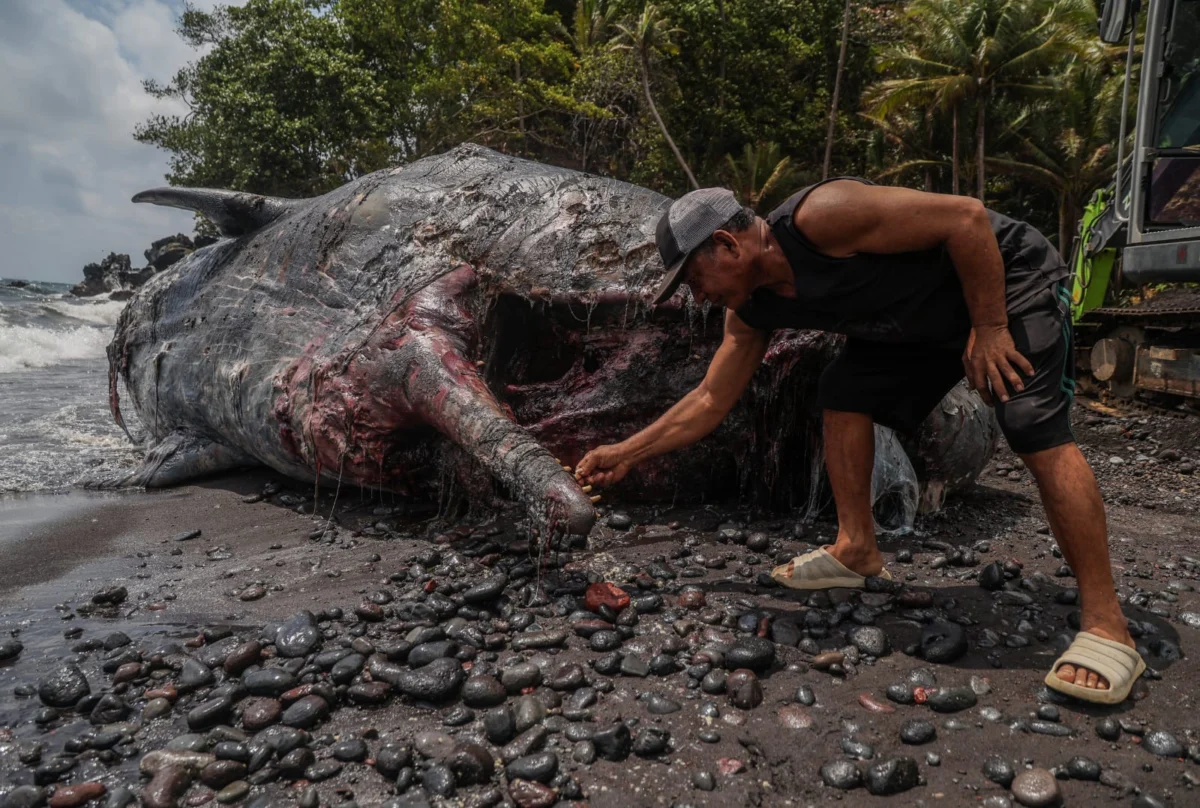
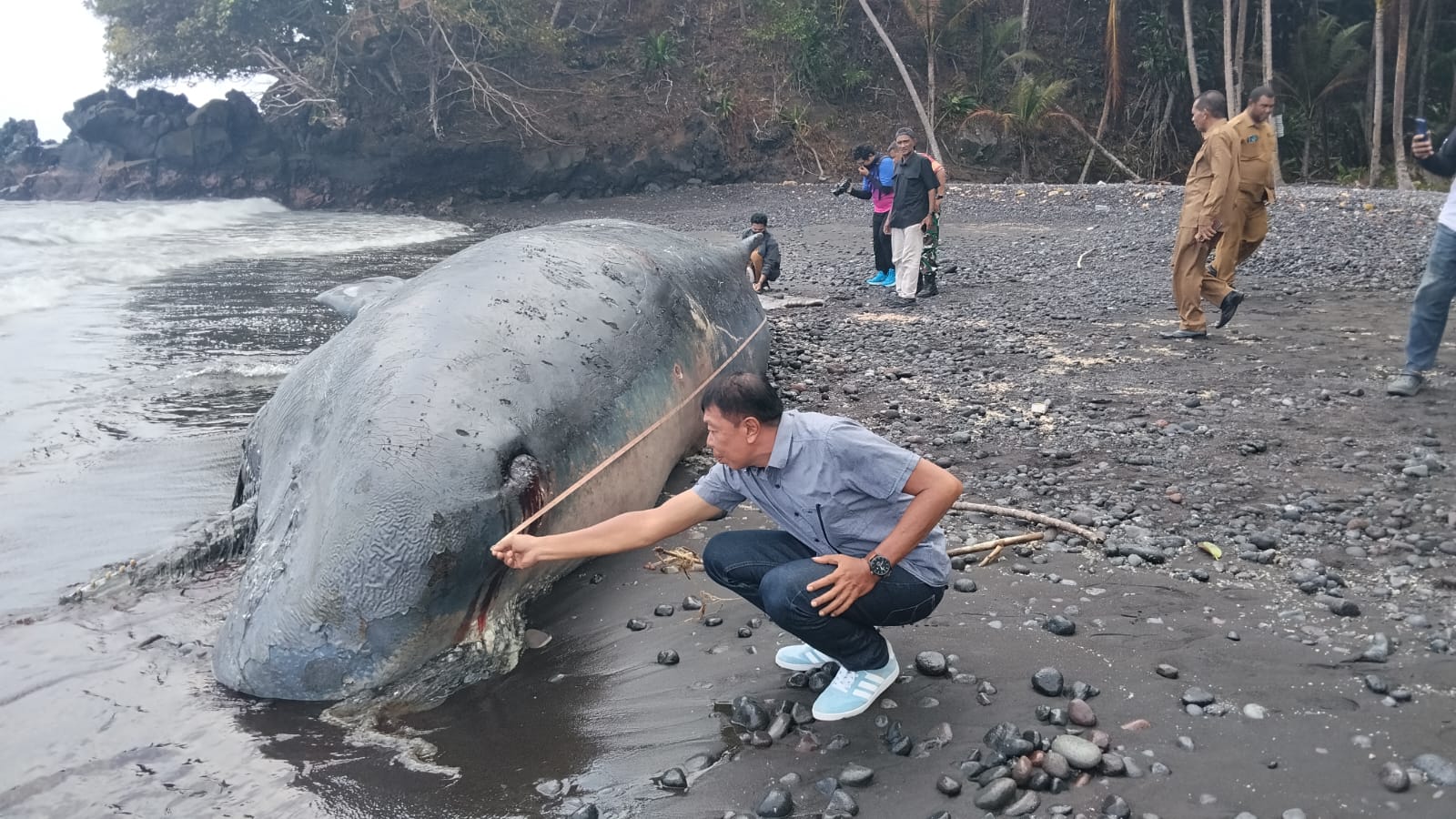
A massive female sperm whale (Physeter macrocephalus) was discovered deceased and stranded on the shores of Afe Taduma Beach, Ternate, North Maluku, on Monday, September 8, 2026. The carcass, measuring 9.89 meters in length with a body diameter of 3.36 meters, was found approximately 750 meters from local residential areas. The discovery has prompted an immediate emergency response from local authorities and marine experts, while simultaneously raising critical questions regarding the health of regional marine ecosystems and the efficacy of protected migration corridors.
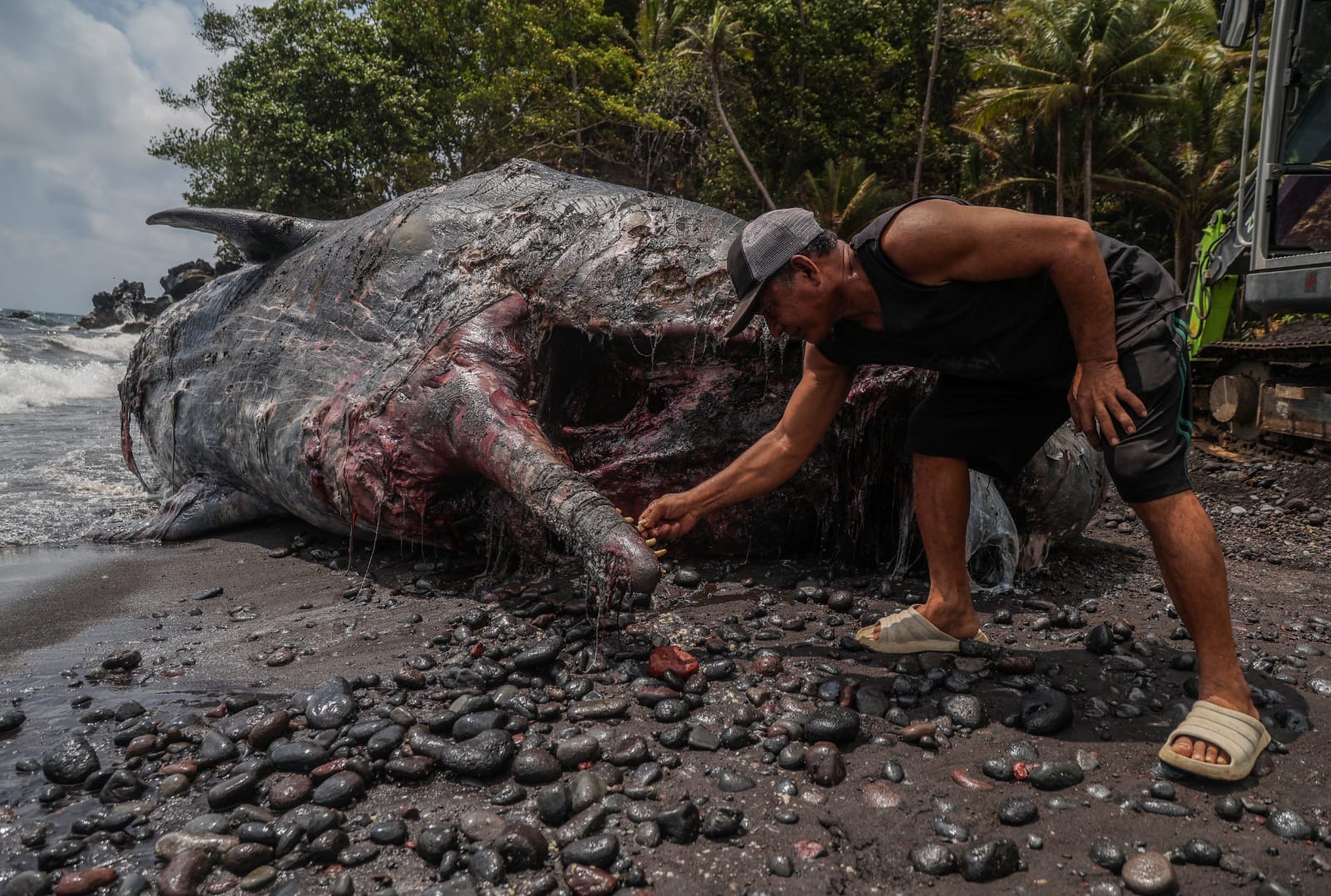
The event serves as a grim reminder of the vulnerabilities faced by deep-diving cetaceans in the Indonesian archipelago. As the carcass began to decompose, it drew crowds of curious onlookers, some of whom attempted to extract teeth from the animal to be used as personal accessories—a practice that underscores the urgent need for public education regarding the legal protections afforded to marine megafauna under Indonesian law.
Chronology of the Discovery and Response
The incident began to unfold on the afternoon of Sunday, September 7, 2026, when local residents first spotted a large object floating in the waters off the coast of Afe Taduma. Nuncar Umagapi, the Lurah (Village Head) of Afe Taduma, confirmed that residents had observed the carcass drifting near the shoreline, appearing to wait for the tides to pull it toward the beach. By 6:00 WITA the following morning, local women foraging along the coast confirmed that the massive marine mammal had fully washed ashore.
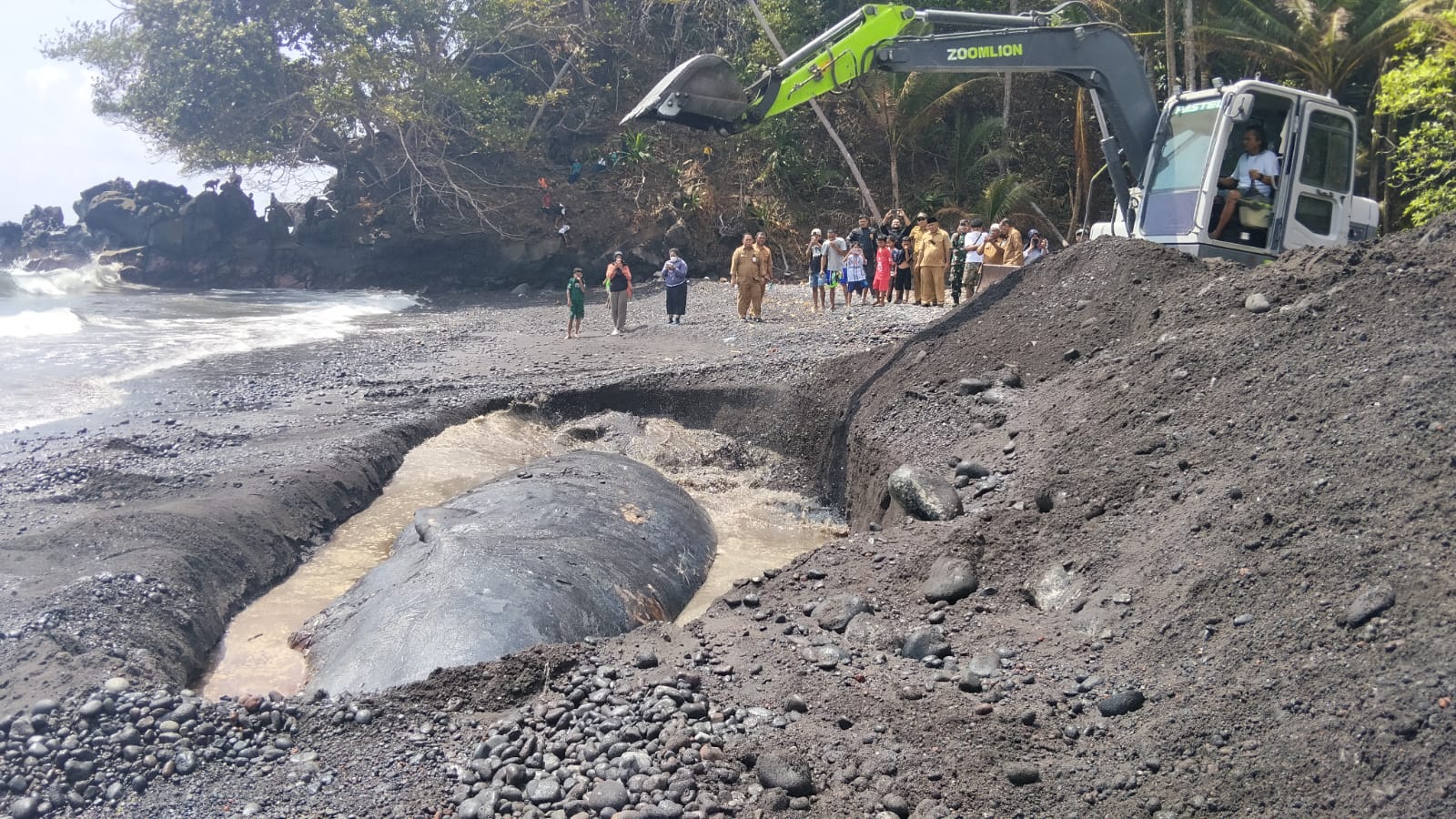
News of the stranding spread rapidly through the community and via social media, leading to a surge of activity at the site. By 9:00 AM on Monday, a team led by Riza Marsaoly, the Secretary of the Ternate City Government, arrived to assess the situation. Recognizing the potential public health risks associated with a decaying carcass in close proximity to human settlements, the municipal government coordinated with the Department of Marine Affairs and Fisheries (DKP) and the Environmental Agency (DLH) to organize a swift removal and burial process.
Heavy machinery, specifically an excavator, was deployed to the site by 2:30 PM to facilitate the burial. Simultaneously, experts from the Kupang Marine Coastal Resources Management Center (BPSPL), a technical unit under the Ministry of Marine Affairs and Fisheries (KKP) responsible for the Papua, Maluku, and North Maluku regions, arrived to conduct a preliminary physiological examination.
Biological Assessment and Forensic Challenges
The examination conducted by KKP officials revealed that the deceased animal was a mature female. However, determining the specific cause of death proved difficult due to the advanced state of decomposition. The animal’s body, particularly the tail, abdomen, and lower jaw, had suffered significant tissue degradation. Experts noted that fluids, including blood, were exuding from the ocular, genital, and anal cavities—a common phenomenon in stranded whales caused by the accumulation of internal gases resulting from post-mortem decomposition.
Inggrid S., a KKP official present at the site, stated that the level of decay rendered a definitive forensic conclusion impossible. "We cannot yet identify the cause of death because the physical state of the specimen has been too compromised," she explained.
Dr. Dwi Suprapti, a veterinarian and Marine Megafauna Specialist at SeaLife Indonesia, provided additional insights based on photographic and video evidence. Dr. Suprapti noted that the whale’s body proportions appeared imbalanced, which could suggest that the animal had been suffering from a chronic illness before it succumbed. She estimated that the death occurred at least a week prior to the discovery, given the state of "advanced decomposition."
According to Dr. Suprapti, the extrusion of fluids is a natural result of the massive pressure buildup of gases within the carcass, which eventually causes the skin to rupture. While she acknowledged that the death could have been caused by natural factors such as age or disease, she did not rule out anthropogenic causes—factors directly linked to human activity. These include entanglement in fishing gear (bycatch), vessel strikes, or ingestion of marine pollutants, such as plastic waste or toxic blooms, which can disrupt the delicate internal biology of cetaceans. To reach a conclusive determination, Dr. Suprapti emphasized the necessity of a formal necropsy and laboratory analysis of tissue samples, which would allow scientists to screen for pathogens, toxins, or physical trauma.
The Significance of the North Maluku Migration Corridor
The waters surrounding Halmahera and the North Maluku islands are not merely incidental zones for marine life; they are recognized globally as one of the most vital migration corridors for cetaceans. This region serves as a "blue highway" for various whale and dolphin species traveling between the Northern and Southern Hemispheres.
The legal status of this area is protected under several national frameworks, most notably Presidential Regulation (Perpres) No. 77 of 2014 concerning the Spatial Plan of the Maluku Islands, and Perpres No. 40 of 2022. These regulations designate these waters as critical migration routes for protected marine species. Despite these protections, the frequency of strandings in the region remains a point of concern for environmentalists and researchers.
Nurhalis Wahidin, a researcher and lecturer in Marine Science at Khairun University, Ternate, argues that the high frequency of strandings in North Maluku is a direct reflection of the area’s importance as a primary transit route. When a whale is found stranded, it is rarely a coincidence; rather, it often indicates a failure in the animal’s complex navigation system.
"Whales rely on biosonar—the emission of sound waves—to map their environment, communicate, and navigate," Wahidin explained. "When these acoustic signals are obstructed, the animal suffers from severe disorientation. They effectively lose their ‘map’ of whether they are in deep ocean trenches or shallow coastal waters."
Wahidin points to several modern stressors that disrupt these acoustic signals. Rising ocean temperatures, which alter the density and transmission speed of sound in water, and the overwhelming presence of marine debris—specifically plastic—create significant interference. If a whale’s primary navigation tool is "jammed" by environmental noise or physical pollution, the probability of the animal wandering into dangerous, shallow waters increases significantly.
Implications and Future Mitigation
The Ternate incident underscores a broader, systemic issue: the intersection of human activity and marine conservation. While the burial of the carcass effectively mitigated immediate public health concerns regarding the spread of disease or foul odors, it also resulted in the loss of potentially valuable data. Without a comprehensive necropsy performed immediately upon discovery, the scientific community misses a window to understand why these majestic creatures are dying.
Furthermore, the behavior of residents attempting to extract teeth highlights the need for more robust community engagement programs. Sperm whale teeth are considered valuable in some traditional and black-market contexts, yet their removal from a stranded animal is not only a violation of conservation ethics but also a potential legal issue given the species’ protected status.
The long-term solution, according to experts, lies in a more proactive approach to monitoring the migration corridors. This includes:
- Enhanced Acoustic Monitoring: Deploying sensors to track noise pollution levels in the Halmahera and Maluku waters to determine if industrial shipping or underwater activity is contributing to cetacean disorientation.
- Improved Rapid Response Networks: Establishing specialized local units capable of performing field necropsies within hours of a stranding, rather than days. This would allow for the collection of high-quality data regarding diet, cause of death, and overall health of the whale population in the region.
- Marine Debris Management: Strengthening regional efforts to curb the flow of plastics into the ocean, which acts as both a physical threat and a sensory deterrent for migrating marine mammals.
- Public Awareness Campaigns: Increasing the presence of local government and NGO representatives during stranding events to manage crowds and educate the public on the importance of respecting protected wildlife.
As climate change continues to alter oceanographic conditions—affecting everything from currents to the distribution of prey species like giant squid—the migratory patterns of sperm whales will likely become even more unpredictable. The tragedy at Afe Taduma is a call to action for the Indonesian government to prioritize the enforcement of its spatial regulations and invest in the scientific infrastructure required to protect these iconic inhabitants of the deep. Without concerted efforts to mitigate the anthropogenic stressors in these migration corridors, the sight of these "ancient" creatures lost in shallow waters may become an increasingly common, and tragic, occurrence.