Nila Kartika Wati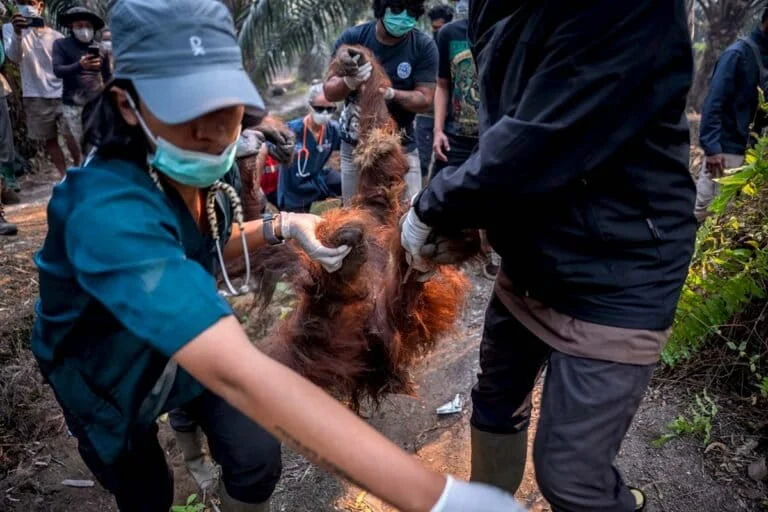
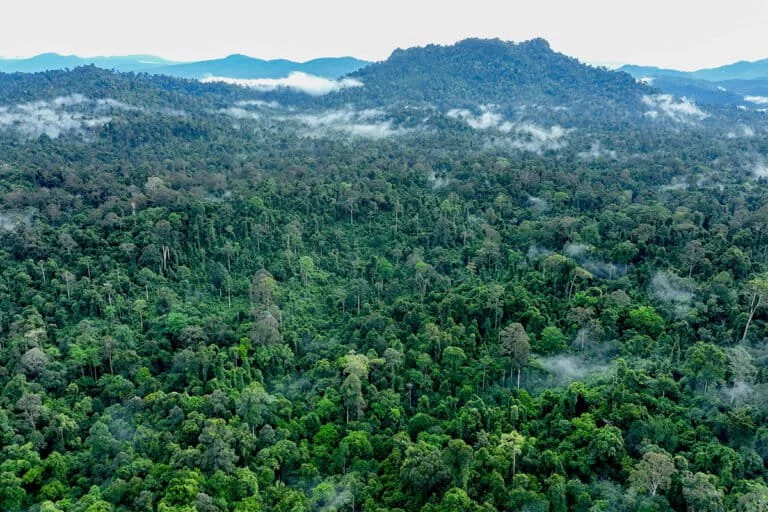
Since the middle of 2026, the skies across Kalimantan and Sumatra have faded into a persistent, toxic gray. The seasonal resurgence of forest and land fires (karhutla) has once again transformed millions of hectares of tropical forests and carbon-rich peatlands into smoldering incinerators. This is not merely an environmental event; it is a profound public health and ecological emergency, where the thick, acrid haze has moved beyond obscuring visibility to actively claiming the lives of both human residents and critically endangered wildlife.
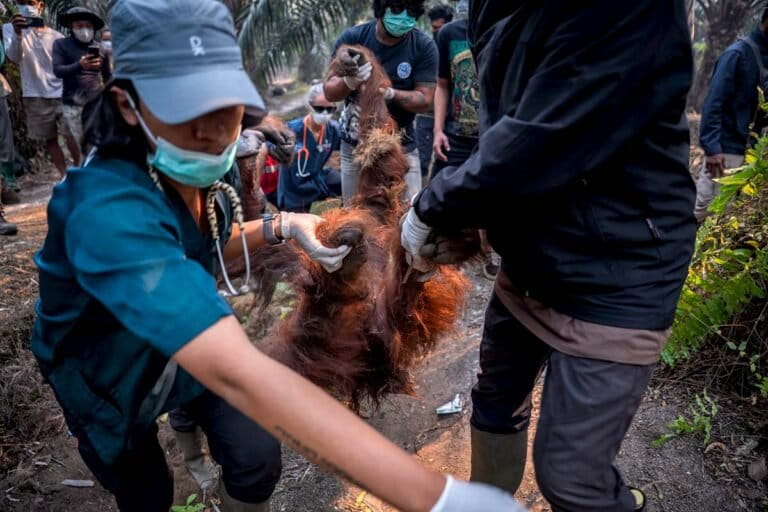
The crisis, which reached a fever pitch in late August and September 2026, has left an indelible mark on communities from Banjarbaru in South Kalimantan to the rural landscapes of Ketapang, West Kalimantan. In Ketapang, the grim reality of this disaster was personified by the death of "Sampurna," a mature male orangutan found lethargic in a dried-out irrigation ditch near an oil palm plantation—a victim of the encroaching fire and the resultant respiratory failure. His death is a sobering reflection of the silent suffering occurring within the fragmented ecosystems of the archipelago.
A Chronology of Escalation: August to September 2026
The trajectory of the 2026 fire season began with a rapid acceleration in late July, coinciding with an intensified dry season exacerbated by shifting climate patterns. By August, the smoke had blanketed vast swathes of the country. According to a formal statement released by the Indonesian Legal Aid Foundation (YLBHI) on September 6, 2026, the situation had reached a critical threshold. An estimated 37.9 million people across eight provinces were directly exposed to hazardous levels of peatland smoke.
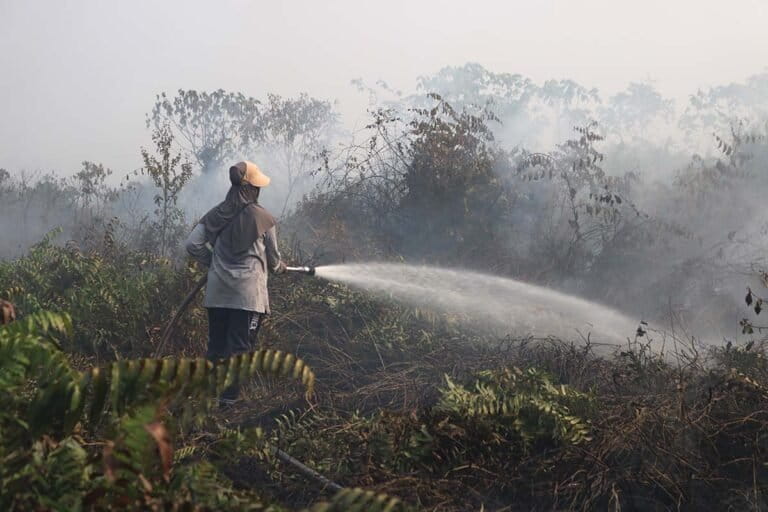
The data from the field indicates a rapid deterioration of air quality. In West Kalimantan alone, medical records reported 165,747 cases of acute respiratory infections (ISPA) by the end of August. This figure represented a staggering increase compared to historical norms, signaling that the intensity of the 2026 fires exceeded many of the previous decade’s events. By September, the smog had transcended national borders, affecting neighboring Malaysia, Singapore, and the Philippines, reigniting regional tensions over transboundary haze.
The Human Toll: A Surge in Respiratory Distress
National health data, as cited by international news agencies including Reuters, revealed a harrowing trend. On September 1, 2026, the number of individuals suffering from respiratory complications attributed to the fires stood at 50,891. Just eight days later, on September 9, that number surged to 113,336. This doubling of cases within a single week underscores the volatility of the situation and the immense pressure placed on the regional healthcare infrastructure.
The Indonesian Ministry of Health, in its Situation Report dated August 27, 2026, identified seven provinces as epicenters of the disaster: West Kalimantan, Central Kalimantan, South Kalimantan, East Kalimantan, Jambi, Riau, and South Sumatra. A combined population of over 10.6 million people found themselves in the immediate line of fire, breathing air that had become a cocktail of toxic particulates.
The Biological Mechanism of the Haze
Dante Saksono Harbuwono, the Deputy Minister of Health, provided a technical breakdown of why this smoke is particularly lethal. The primary culprit is PM2.5—particulate matter with a diameter of less than 2.5 micrometers. These particles are small enough to bypass the body’s natural filters, entering the deepest recesses of the lungs and potentially entering the bloodstream.
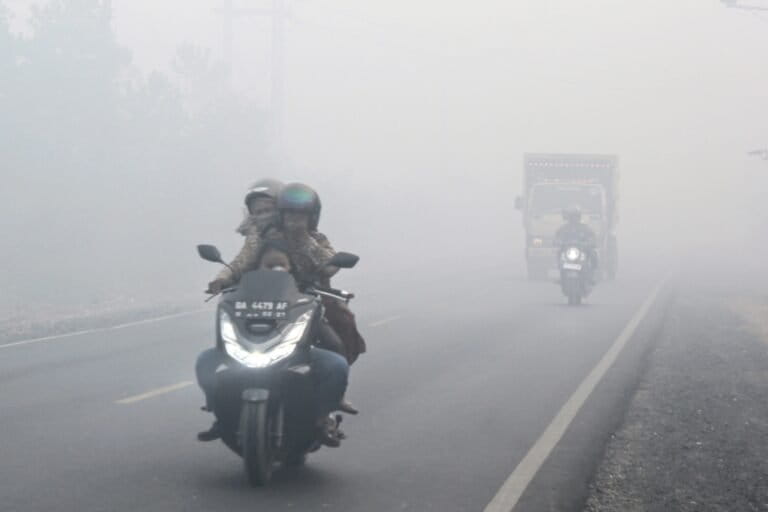
"The smoke from these fires contains a variety of hazardous substances that trigger widespread health issues, ranging from throat irritation and conjunctivitis to severe respiratory distress," Harbuwono explained. "Long-term exposure is linked to exacerbations of Chronic Obstructive Pulmonary Disease (COPD) and asthma. Furthermore, we are seeing an increased risk of cardiovascular events, including stroke and heart disease, particularly among the most vulnerable groups."
COPD, often described by sufferers as the sensation of breathing through a narrow straw, is a permanent, debilitating condition that these fires are effectively inflicting on a large portion of the population. For children, the elderly, and those forced to work outdoors, the risk is not merely an inconvenience; it is a threat to their long-term survival and quality of life.
The Ecological Silent Victims
While the human impact is measured in hospital admissions, the impact on biodiversity is measured in habitat loss and mortality. The Balai Konservasi Sumber Daya Alam (BKSDA) in West Kalimantan reported the rescue of 24 wild animals between August 1 and September 10, 2026. Among the survivors were 15 orangutans, alongside pangolins, proboscis monkeys, slow lorises, and masked palm civets.
Environmental advocacy groups such as Geopix have mapped approximately 17,865 hotspots located directly within the primary habitat of the Bornean orangutan. For these great apes, the fires are a multi-pronged assault. The immediate danger is hypoxia and smoke inhalation, but the medium-term impact is the destruction of the forest canopy, which provides their food source. As the fires consume their homes, displaced orangutans are forced into human-dominated landscapes, leading to an increase in human-wildlife conflict—often resulting in the death of the animal.
Longitudinal Analysis: The Cumulative Damage
Recent academic literature provides a sobering look at what these fire seasons are doing to the population over time. Research conducted by Mokodompit and Husamah in 2025 highlights that the respiratory crisis in Kalimantan is no longer an anomaly; it is becoming a seasonal endemic. Their findings suggest that recurring exposure is linked to an increase in lung cancer risks, as well as significant developmental issues in children who are exposed during their most critical growth years.
A landmark study by Santika et al., published in One Earth (2023), analyzed two decades of data from Sumatra, establishing a clear correlation between land-cover change and public health. The study noted that for every major dry season, there was an 8.5% increase in the prevalence of respiratory diseases. Most importantly, the study found that the increase in illness was most acute in areas that had undergone significant deforestation, confirming that the conversion of carbon-sequestering peatlands into agricultural land is directly linked to the degradation of the air quality that millions of citizens depend on.
Furthermore, a 2026 study by Haryanto et al. in the Annals of Global Health focused specifically on the pediatric population in Palembang. By analyzing over 390,000 cases of respiratory illness over a decade, the researchers proved that different particulate sizes affect children in different ways. PM2.5 was found to be more closely associated with pneumonia, while PM10 was linked to general acute respiratory infections. The researchers concluded that the current mitigation strategies are insufficient and called for a child-centric approach to disaster management that prioritizes air quality standards in schools and homes.
Implications and the Path Forward
The 2026 wildfire crisis serves as a stark reminder of the limits of current environmental policy in Indonesia. Despite years of rhetoric regarding peatland restoration and fire suppression, the scale of the 2026 disaster indicates that the underlying structural issues—land tenure, the profitability of palm oil expansion, and the degradation of peat hydrology—remain unresolved.
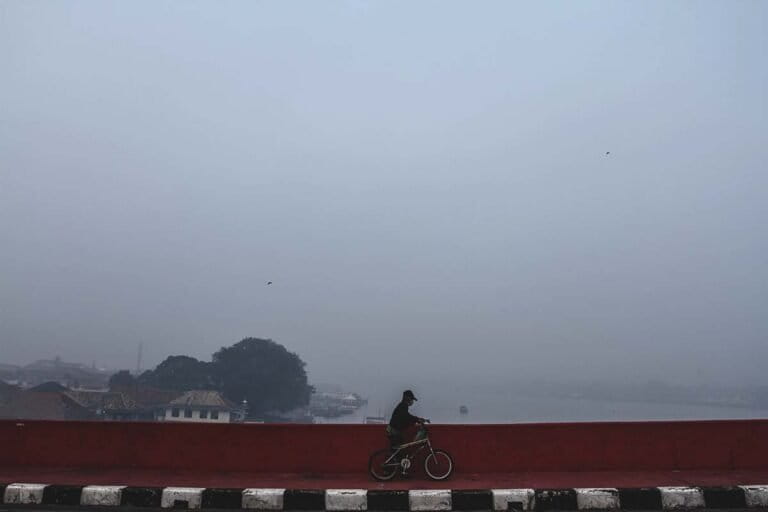
As the smoke persists, the economic and social costs continue to mount. Beyond the immediate strain on the healthcare system, there is a long-term erosion of human capital as generations grow up with compromised lung function. The international community, watching the smog cross the borders of Southeast Asia, remains concerned about the global climate implications of burning massive peat stores, which release gigatons of carbon into the atmosphere, further accelerating the very climate change that makes these fires more likely to occur.
Until the root causes—the degradation of the landscape and the failure to effectively enforce protective regulations—are addressed with systemic urgency, the cycle of fire and suffocation will continue. The gray skies of 2026 are a warning that the ecosystem and the people within it are reaching a breaking point, and the cost of inaction is being paid in the breath of the most vulnerable.