Nila Kartika Wati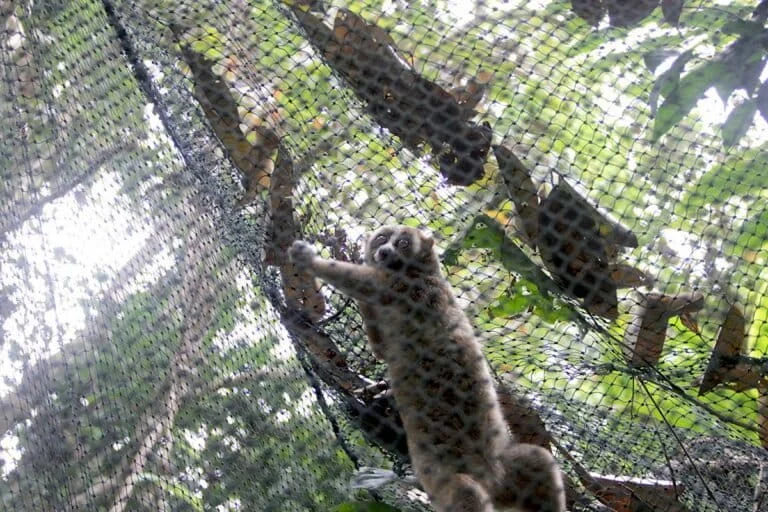
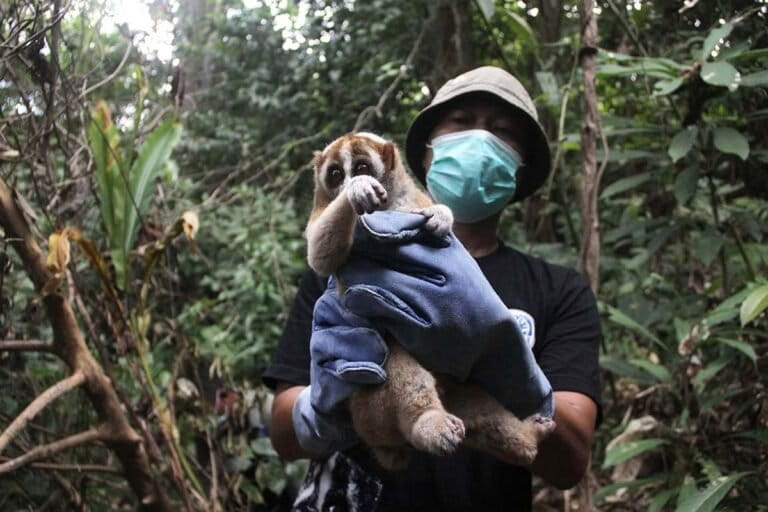
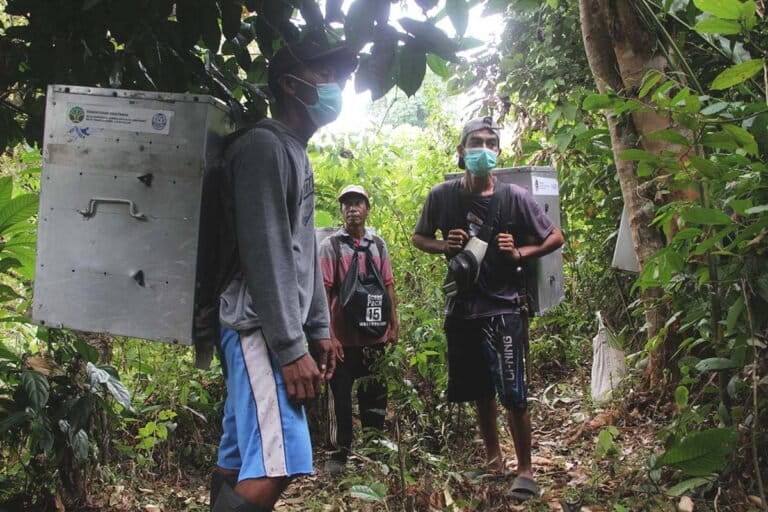
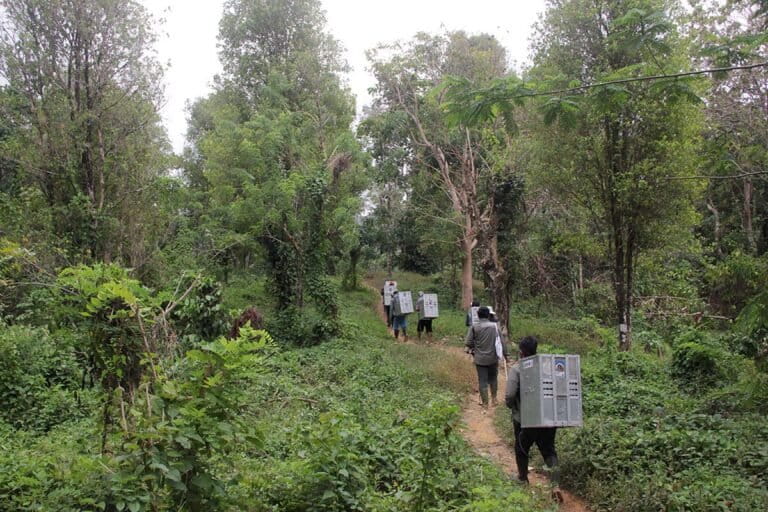
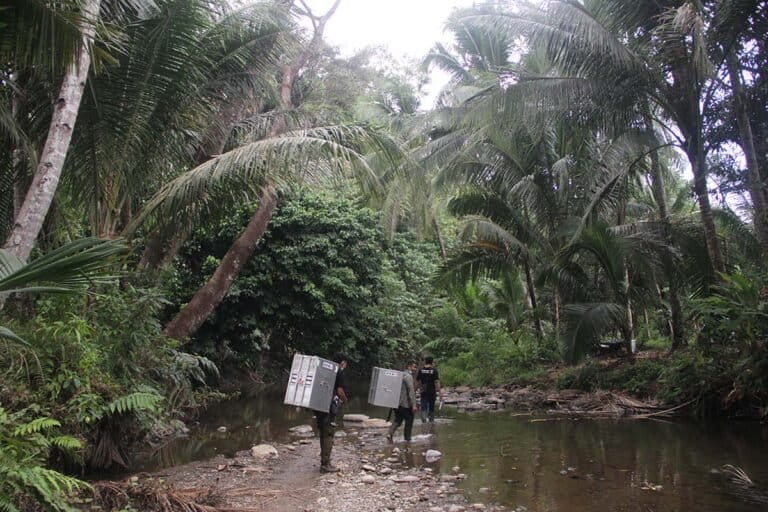
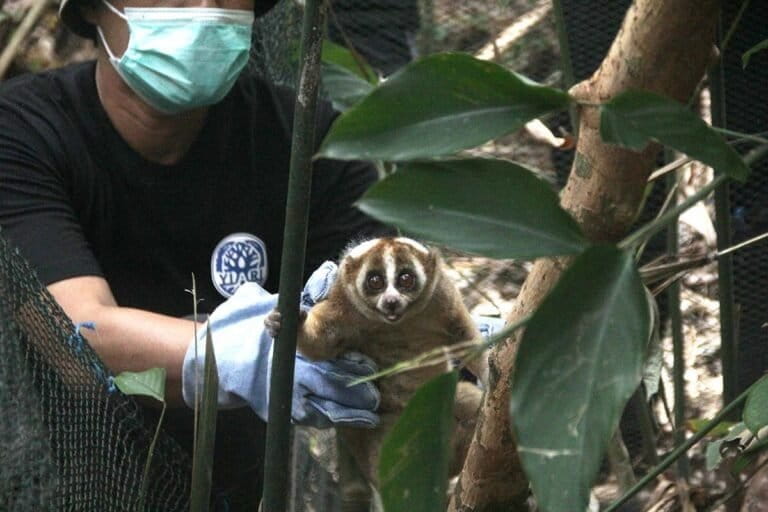
The recent release of six Javan slow lorises (Nycticebus javanicus) into the lush, protected expanse of Ujung Kulon National Park (TNUK) marks a significant advancement in the ongoing efforts to restore the population of this critically endangered primate. This operation, conducted in late August 2026, serves as a poignant reminder of the complex relationship between human communities and the fragile biodiversity of the Banten region. While the release itself is a technical success, the long-term survival of these nocturnal creatures depends heavily on the integration of ecological science with community-led conservation awareness.
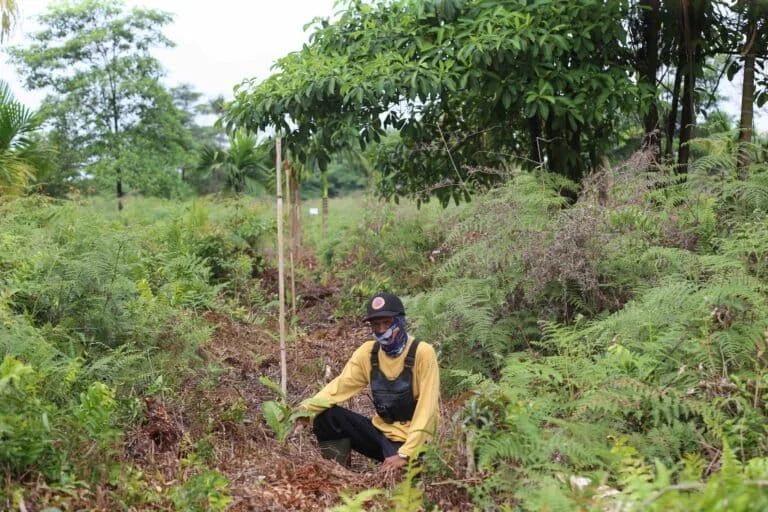
For residents of Rancapinang, a village in the Cimanggu district that shares a porous boundary with the park, the Javan slow loris—often referred to locally as "muka"—remains an elusive and misunderstood figure. Aen Suptiati, a 40-year-old resident, admits that despite a lifetime of living near the forest, the slow loris is not a species she encounters frequently. While villagers are accustomed to the presence of long-tailed macaques (Macaca fascicularis) and Javan langurs (Trachypithecus auratus), the slow loris represents a hidden, silent component of the ecosystem. The arrival of the rescue team and the subsequent release of these six individuals have sparked curiosity and, more importantly, a newfound dialogue about the importance of coexisting with protected wildlife.
The Ecological Context of Ujung Kulon
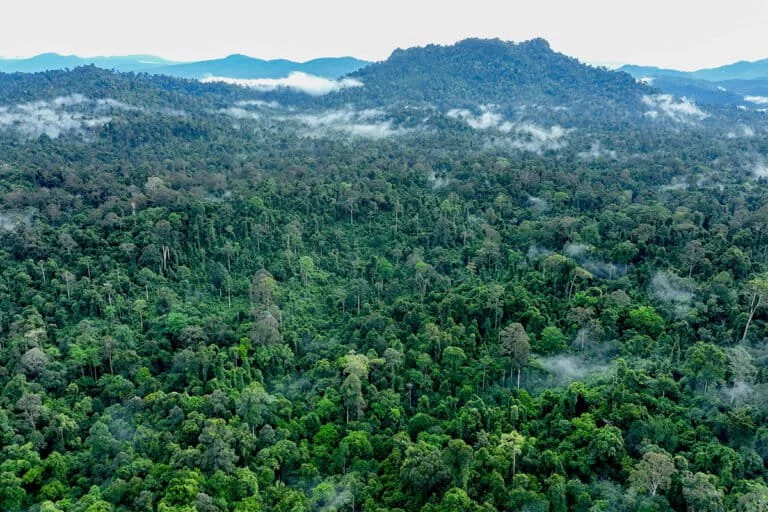
Ujung Kulon National Park is globally recognized for its role as the last stronghold of the Javan rhinoceros, but its status as a critical habitat extends to a vast array of other endemic species. The selection of this site for the release of the six rescued lorises was not a matter of convenience, but the result of rigorous scientific assessment. Uci Sanusi, a field officer with the Yayasan Inisiasi Alam Rehabilitasi Indonesia (YIARI), notes that the habitat suitability in the chosen area of the park is high.
"Before we proceeded with this translocation, our team conducted extensive surveys," Sanusi explained. "We confirmed the presence of wild, resident loris populations in the area, which indicates that the ecosystem is healthy and capable of supporting these reintroduced individuals."
The site offers a diverse range of botanical resources, including various Ficus species and other fruit-bearing trees that constitute the dietary foundation for the Javan slow loris. Furthermore, the elevation—being less than 100 meters above sea level—aligns with the species’ known range preferences. These primates play a unique ecological role, acting as natural pest controllers by managing insect populations, and their reliance on floral nectar, such as that from the Calliandra plant, makes them essential components of the forest’s pollination and nutrient cycles.
The Perils of Captivity and the Necessity of Protection
The journey of these six individuals from rescue to release is a testament to the dangers they face. The Javan slow loris has been protected under Indonesian law since 1973 and is listed in the 2018 Regulation of the Minister of Environment and Forestry (P.106) as a protected species. Globally, the International Union for Conservation of Nature (IUCN) classifies them as Critically Endangered, citing habitat loss and the illegal pet trade as primary drivers of their decline. Furthermore, as an Appendix I species under the Convention on International Trade in Endangered Species of Wild Fauna and Flora (CITES), their international trade is strictly prohibited.
Despite these protections, their physical appearance—often perceived as "cute" or "docile"—makes them prime targets for illegal capture. Many individuals in the illegal trade suffer from the brutal practice of having their teeth clipped, a permanent injury that prevents them from ever returning to the wild. The individuals released in Ujung Kulon were fortunate enough to have undergone the necessary rehabilitation to relearn natural behaviors, but their transition to the wild is fraught with challenges.
Strengthening Community-Based Conservation
A major hurdle in wildlife conservation is the gap between legal policy and local perception. Encun Sunayah, the Camat (District Head) of Cimanggu, recognizes that the return of the slow loris to the local forests is an opportunity to bridge this gap. Prior to the recent release, there was little awareness among the local populace that the species still inhabited their surrounding forests.
"We rarely see them, and because they have such distinct facial features and movements, there is a legitimate concern that residents might be tempted to capture them as pets out of curiosity or misguided affection," Sunayah stated.
To mitigate this, the local government, in collaboration with the police and regional administrative authorities, is planning an aggressive educational campaign. The strategy involves engaging local school leaders to incorporate conservation education into the curriculum, ensuring that the next generation of Cimanggu residents views the slow loris as a symbol of pride and a vital part of their natural heritage rather than a commodity to be held in a cage. The goal is to shift the local ethos from exploitation to stewardship, fostering a culture where villagers take pride in the presence of these rare animals in their vicinity.
The Mechanics of Reintroduction and Monitoring
The responsibility of the conservation team does not end the moment the crates are opened. The transition period for a released animal is critical. Following the release, the YIARI team maintains a 5-to-7-day intensive monitoring window, conducting nocturnal surveys to observe the behavior of the released individuals.
"We need to see if they are acclimating well," Sanusi noted. "Are they staying near the release site, or are they wandering into potentially hazardous areas? Are they successfully foraging?"
Because the Javan slow loris is a solitary animal with a home range of roughly 2 to 3 square kilometers, competition for territory is expected. In instances where an individual is pushed out of a prime area, the team monitors whether the animal can successfully navigate to a secondary, suitable territory. This follow-up process is essential for gathering data that will inform future release strategies, not just for the slow loris, but for other endangered arboreal species in the region.
Broader Implications for Indonesian Biodiversity
The effort in Ujung Kulon serves as a microcosmic example of the broader challenges facing Indonesian wildlife. As agricultural expansion and infrastructure development continue to exert pressure on forest edges, the interaction between humans and wildlife will inevitably increase. The success of the Ujung Kulon model—which combines scientific habitat assessment, professional rehabilitation, and proactive community engagement—offers a blueprint for future initiatives.
The economic and cultural development of districts like Cimanggu does not have to come at the expense of biodiversity. In fact, preserving the integrity of the ecosystem provides long-term benefits, including the maintenance of natural pest control for agriculture and the preservation of the forest’s ability to provide clean water and climate regulation.
"We must consider our descendants," Sunayah emphasized. "If we do not act now to protect these creatures, we are ensuring that our children and grandchildren will only know the Javan slow loris through photographs and history books. We are the stewards of this landscape, and we have a responsibility to leave it as we found it."
As the six individuals continue their lives in the canopy of Ujung Kulon, their survival will serve as an indicator of the region’s environmental health. The project is not merely about returning animals to the forest; it is about restoring the equilibrium between humanity and the natural world. By fostering a deep-seated respect for the "muka" and the forest it calls home, the people of Rancapinang and the surrounding districts are taking a vital step toward a future where human progress and the survival of critically endangered species are not mutually exclusive, but intrinsically linked. Through consistent effort, regional collaboration, and a commitment to public education, the return of the Javan slow loris may just be the beginning of a larger, more successful chapter in Indonesian conservation history.