Chalifah Fatihah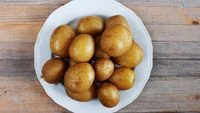
Refrigeration is widely regarded as the cornerstone of modern food preservation. Since the widespread adoption of domestic refrigerators in the mid-20th century, households globally have relied on cold temperatures to extend the shelf life of perishable items, inhibit bacterial growth, and minimize food waste. However, contemporary culinary science and agricultural research reveal a common misconception: not all food items benefit from the cold, humid environment of a standard refrigerator. In fact, improper refrigeration can severely compromise the taste, texture, nutritional profile, and overall quality of numerous kitchen staples.
Understanding the biochemical composition of different foods is essential for minimizing domestic food waste and optimizing flavor. While meats, dairy, and leafy greens thrive in cold storage, many root vegetables, tropical fruits, and pantry essentials undergo negative physical and chemical transformations when exposed to low temperatures. This comprehensive guide explores the scientific rationale behind storing specific foods at room temperature, detailing the molecular changes that occur when they are mistakenly placed in cold storage.
The Science of Cold Damage in Produce: A Historical Context
To understand why certain foods react poorly to refrigeration, one must examine agricultural handling and post-harvest physiology. For decades, cold-chain logistics have dominated the agricultural supply chain, transporting goods from farms to distribution centers at strictly regulated low temperatures. However, chilling injury—a physiological disorder that affects tropical, subtropical, and certain temperate crops—occurs when these items are exposed to temperatures below their specific optimal thresholds, usually ranging from 10 to 15 degrees Celsius (50 to 59 degrees Fahrenheit), which are still well above freezing.
When sensitive produce is subjected to prolonged refrigeration, cellular membranes lose their semi-permeable integrity, metabolic processes are disrupted, and internal enzymatic breakdown accelerates. This results in off-flavors, mealiness, discoloration, and rapid decay once the item is returned to room temperature. Consumer advocacy groups and agricultural extension offices have increasingly emphasized proper storage education to combat the global food waste crisis, noting that improper storage accounts for a significant percentage of premature food spoilage in residential homes.
- Potatoes and Sweet Potatoes: The Starch-to-Sugar Conversion
Potatoes and sweet potatoes are staple carbohydrates in households worldwide, yet they are among the most frequently mismanaged items in kitchen storage. Storing potatoes in a refrigerator triggers a physiological process known as cold-induced sweetening. At temperatures below 7 degrees Celsius (45 degrees Fahrenheit), the starch stored within the potato tuber begins to break down into reducing sugars, namely glucose and fructose.
This conversion not only alters the natural, earthy flavor profile of the potato, making it unpleasantly sweet, but it also impacts culinary performance. When high-sugar potatoes are fried or roasted at high temperatures, the excess sugars react with amino acids through the Maillard reaction, producing undesirable dark discoloration and elevated levels of acrylamide, a potentially harmful chemical compound. Instead of refrigeration, potatoes and sweet potatoes require a cool, dark, well-ventilated environment—ideally between 7 and 10 degrees Celsius—such as a pantry, cellar, or paper bag. Direct sunlight and airtight plastic containers must be avoided to prevent sprouting and moisture accumulation.
- Alliums: Onions, Garlic, and Shallots
The allium family, encompassing onions, garlic, and shallots, relies heavily on dry, circulating air to maintain its structural integrity. The interior environment of a standard household refrigerator is typically high in humidity. When whole alliums are introduced to this moisture-dense atmosphere, the starches inside the bulbs rapidly convert to sugar, encouraging the premature growth of sprouts and inviting mold proliferation. Furthermore, the combination of cold and moisture causes the papery outer skins to soften and turn rubbery, destroying the protective barrier that keeps the bulbs fresh.
Culinary experts recommend storing whole onions, garlic, and shallots in mesh bags, wire baskets, or open containers placed in a cool, dark, and dry pantry. Adequate ventilation is critical to prevent trapped ethylene gas and humidity from accelerating decay. An important distinction must be made for pre-peeled, sliced, or chopped alliums: once the protective skin is breached, the risk of microbial contamination rises exponentially. Processed alliums must be sealed in airtight containers and stored promptly in the refrigerator, where they should be consumed within a few days.
- Tomatoes: Cellular Breakdown and Flavor Loss
Few culinary disappointments rival the mealy texture and muted taste of an improperly stored tomato. Botanically classified as a fruit and biologically sensitive to chilling injury, fresh tomatoes suffer structural cell wall degradation when exposed to temperatures below 10 degrees Celsius.
Inside a tomato, enzymes responsible for producing volatile flavor compounds—the aromatic molecules that give tomatoes their vibrant taste—are deactivated by cold temperatures. Simultaneously, the membranes within the fruit’s cellular walls rupture, causing the characteristic mealy, watery texture associated with refrigerated tomatoes. To preserve both flavor and mouthfeel, unripened and ripe whole tomatoes should be kept on the kitchen counter at ambient room temperature, positioned away from direct sunlight. They can be stored stem-side down on a flat surface until they reach peak ripeness and are ready for consumption.
- Bananas: Inhibiting the Ripening Process
Bananas are tropical climacteric fruits, meaning they continue to ripen after harvest through the production of ethylene gas. When unripe, green bananas are placed in a refrigerator, the cold temperature halts the enzymatic processes necessary for ripening. Consequently, the starch fails to convert into natural sugars, leaving the fruit hard, starchy, and unpalatable even after it is removed from the cold.
Additionally, the enzymatic systems within the banana peel react to cold temperatures by triggering rapid oxidation, causing the skin to turn dark brown or black prematurely. While the inner fruit may occasionally remain edible, the unappealing aesthetic and stunted ripening cycle render refrigeration counterproductive. Bananas should be stored hanging or resting on a counter at room temperature, away from other ethylene-sensitive produce if rapid ripening is to be avoided, or alongside them if accelerated ripening is desired.
- Unripe Avocados: Pausing the Maturation Cycle
Much like bananas, avocados are tropical fruits that require specific temperature conditions to transition from firm and inedible to rich and creamy. Unripe avocados picked while still hard rely on ambient warmth to activate softening enzymes.
Placing a rock-hard, unripe avocado in the refrigerator effectively places its maturation process on hold, extending its firm state indefinitely and sometimes causing internal discoloration or grey flesh syndrome due to chilling injury. Consumers should allow avocados to ripen fully on the counter at room temperature. Once the fruit yields to gentle pressure, it can be transferred to the refrigerator to pause further ripening and extend its prime window of consumption by several days.
- Honey: Crystallization and Viscosity Alterations
Honey is celebrated globally for its remarkable, near-infinite shelf life, largely attributed to its unique chemical composition featuring low moisture content and high acidity. This natural preservation system makes refrigeration entirely unnecessary and, in fact, chemically disadvantageous.
Subjecting honey to cold temperatures accelerates the natural process of crystallization. As glucose separates from the water content within the honey, it forms solid crystals, turning the smooth liquid into a dense, grainy, and difficult-to-manage paste. While crystallized honey remains safe to consume, its altered texture makes it cumbersome to use in cooking, baking, or dissolving into beverages. Honey should be stored at standard room temperature in a sealed glass or food-grade plastic container, kept securely away from direct heat sources and sunlight.
- Bread: Starch Retrogradation and Accelerated Staling
Storing bread in the refrigerator is a common habit driven by the desire to prevent mold growth in humid climates. However, food science demonstrates that the refrigerator is the worst possible environment for maintaining the texture of baked goods.
At temperatures just above freezing—specifically between 0 and 4 degrees Celsius—the starch molecules inside baked bread undergo a rapid physical phenomenon known as retrogradation or starch recrystallization. During this process, gelatinized starch molecules expel moisture and recrystallize, causing the bread to dry out, stale, and toughen at a rate roughly six times faster than it would at room temperature. For short-term storage over a couple of days, bread is best kept in a paper or cloth bag, bread box, or airtight container at room temperature. If long-term preservation is required, freezing sliced bread in an airtight freezer bag is the optimal method, as freezing halts starch retrogradation and locks in moisture until the slices are thawed and toasted.
- Coffee Beans and Grounds: Flavor Absorption and Condensation
Coffee aficionados understand that preserving the delicate aromatic compounds of coffee beans is paramount to achieving a balanced brew. However, storing coffee in a refrigerator introduces multiple preservation hazards.
Coffee beans are highly porous and act as natural deodorizers, readily absorbing ambient odors and moisture from surrounding foods in the refrigerator, such as onions, dairy, and leftovers. This cross-contamination ruins the nuanced flavor profile of specialty coffee. Furthermore, every time a container of coffee is transferred between the warm kitchen air and the cold refrigerator interior, temperature fluctuations cause condensation to form inside the container. Moisture contact degrades the volatile oils responsible for coffee’s rich aroma and flavor. Coffee beans and ground coffee should be stored in opaque, airtight containers at room temperature in a cool, dry pantry, protected from light, heat, and oxygen exposure.
Broader Implications and Best Practices for Modern Households
The ongoing debate surrounding food storage highlights a broader disconnect between traditional domestic habits and modern food science. As global food inflation and sustainability initiatives place renewed emphasis on reducing household waste, consumer education regarding proper storage protocols has taken center stage. Agricultural authorities and culinary researchers continue to advocate for a balanced approach to kitchen organization: reserving refrigeration strictly for items prone to rapid bacterial proliferation—such as meats, dairy, eggs, and cooked meals—while dedicating pantry space, root cellars, and countertop areas to items vulnerable to chilling injury.
By aligning food storage practices with the biochemical needs of each ingredient, households can significantly extend the usability of their groceries, enhance culinary quality, and contribute to the collective reduction of avoidable food waste worldwide.