Lusiana Hamidun
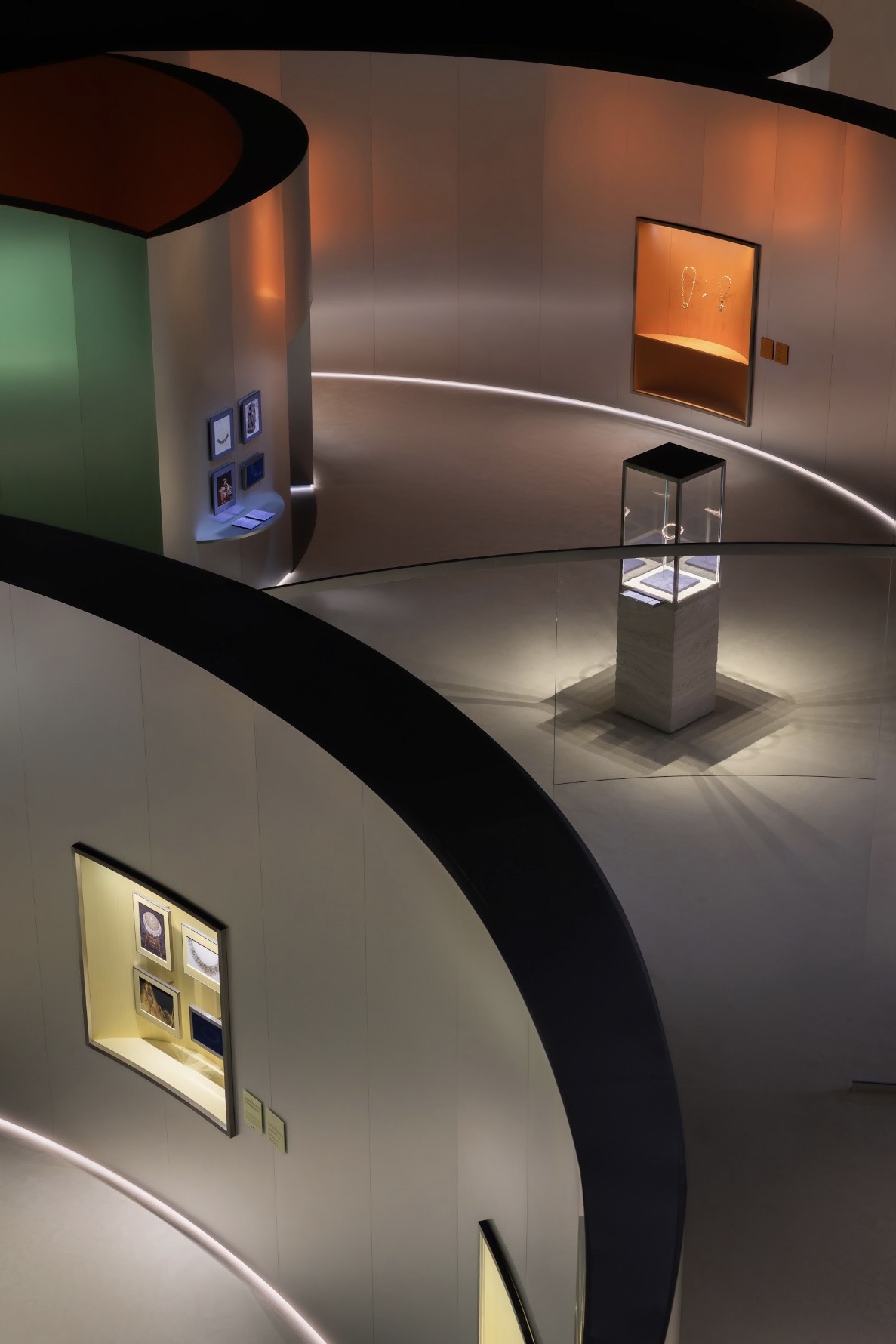
On September 4, 2026, the Power Station of Art in Shanghai opened its doors to a landmark exhibition that serves as both a retrospective and a cultural dialogue: Kaleidos: Colors, Cultures and Crafts. Featuring over 300 exquisite pieces, the exhibition highlights the storied history of the Roman jeweler Bvlgari, blending the brand’s signature Mediterranean vibrance with the profound philosophical traditions of China. The event stands as one of the most significant showcases of luxury jewelry in Asia this decade, transcending the traditional boundaries of an exhibition to function as a multisensory exploration of chromatic expression.
The Intersection of Heritage and Artistic Vision
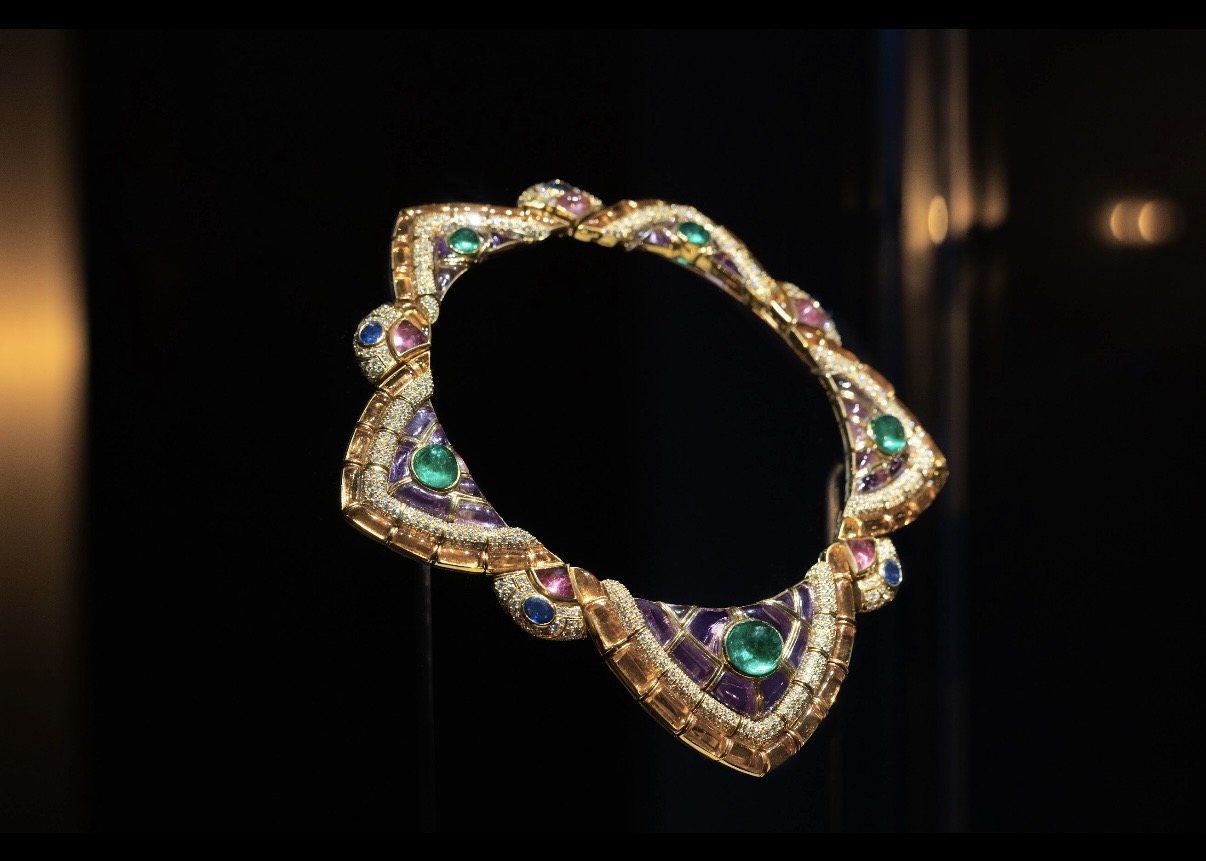
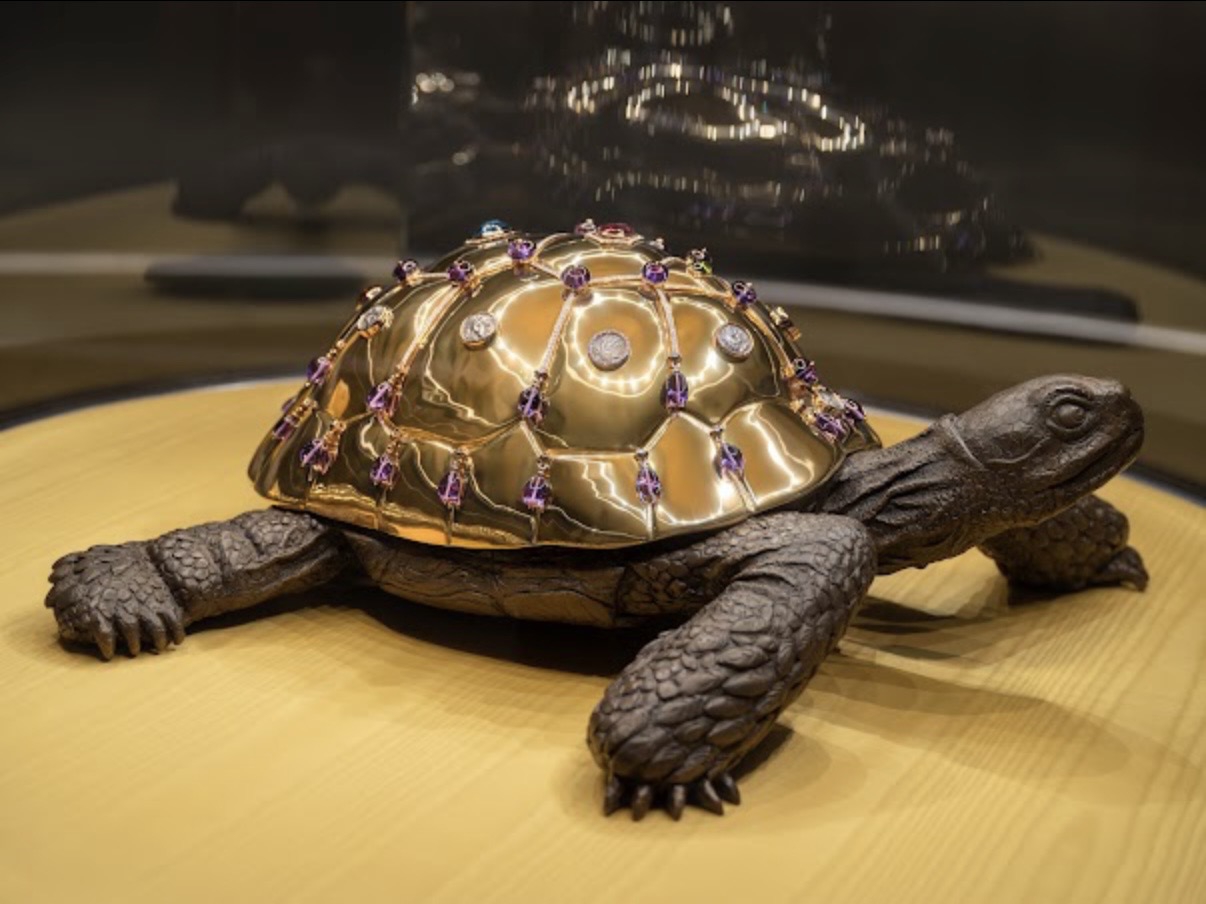
At the heart of Kaleidos lies the curation of more than 300 pieces, a collection comprising contemporary High Jewelry, select items from the renowned Bvlgari Heritage Collection, and rare treasures sourced from private global collectors. The exhibition does not merely showcase these items; it places them within a narrative framework that spans over a century of jewelry design.
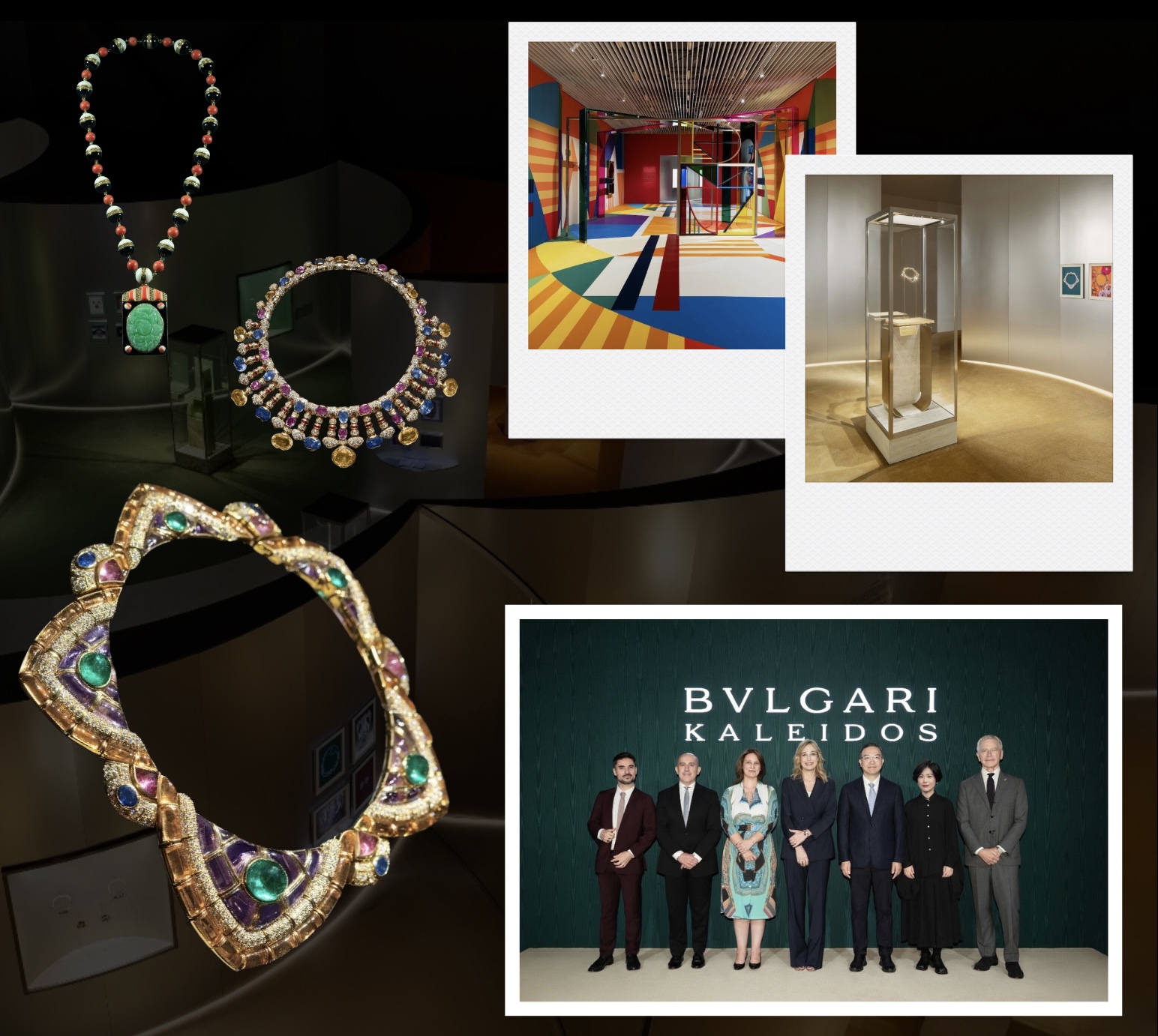
Bvlgari, known for its bold approach to colored gemstones, has long utilized color as a fundamental design language. In this iteration, the brand has deepened its engagement with regional philosophies. By juxtaposing the distinct aesthetics of the Roman Maison with the Chinese cultural concept of the "Five Elements and Five Colors," the exhibition creates a conceptual bridge between East and West. This integration suggests a strategic evolution for the luxury house, moving away from simple product display toward the creation of a cultural legacy that resonates with a sophisticated global audience.
Chronology and Strategic Vision
The preparation for Kaleidos was a multi-year endeavor, involving coordination between the Bvlgari archives in Rome and the contemporary art scene in Shanghai. The exhibition follows a series of successful global showcases for the brand, including its recent high-profile appearances at Watches & Wonders 2026, where the company emphasized the "art of form."
Following the official opening on September 4, 2026, the exhibition is scheduled to remain open to the public through October 31, 2026. This two-month window allows for a comprehensive engagement with both the local Shanghai public and the international tourism market. The choice of the Power Station of Art—a former thermal power plant turned contemporary art museum—as the venue underscores Bvlgari’s intent to frame its jewelry within the context of industrial history and high-concept contemporary art, rather than traditional retail environments.
Official Perspectives on the Chromatic Language
Laura Burdese, CEO of Bvlgari, articulated the brand’s philosophy during the opening press conference, emphasizing that color is the universal vernacular of the house. "Color is an essential component of the Bvlgari DNA," Burdese stated. She further noted that the brand’s long-standing tradition of using vibrant, high-contrast gemstones is a manifestation of an innate Mediterranean optimism that transcends borders.
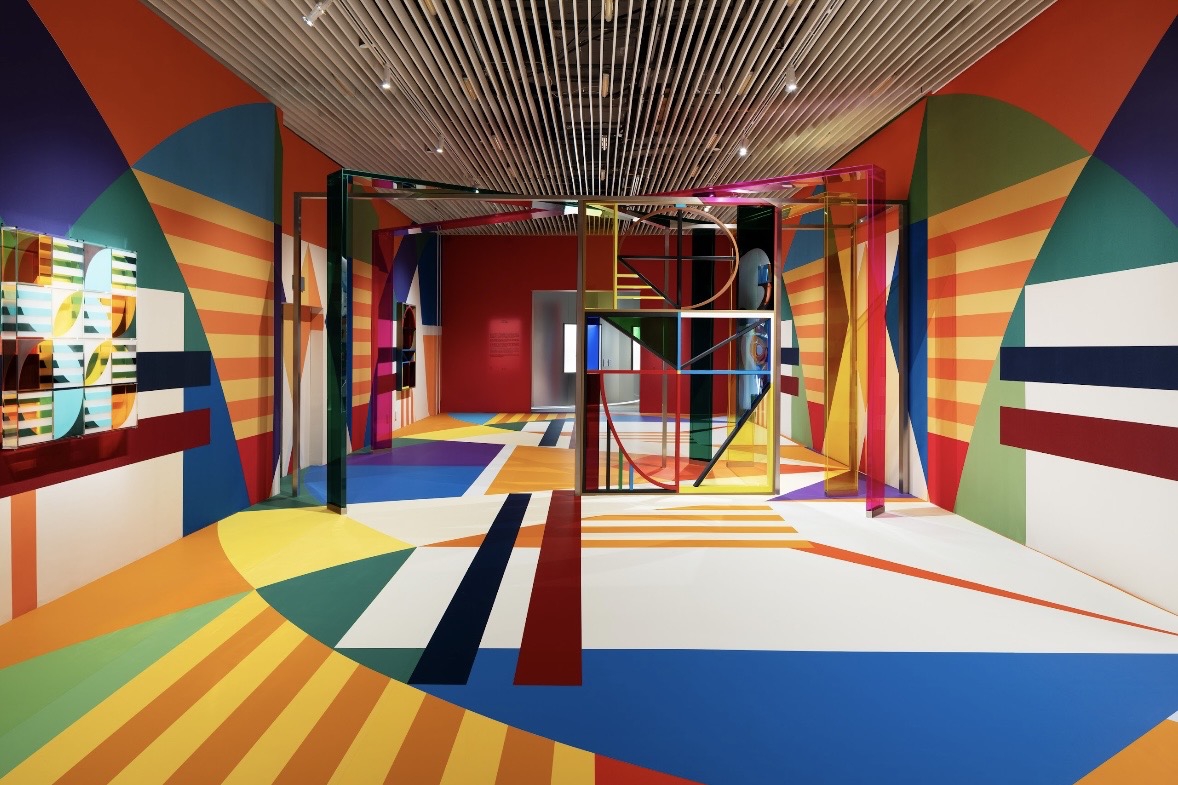
Gislain Aucremanne, the Director of the Bvlgari Heritage Collection, provided further insight into the curatorial methodology. According to Aucremanne, the physical design of the exhibition space was engineered to act as an immersive participant in the narrative. "We wanted to ensure that the architecture of the space was not merely a passive backdrop," Aucremanne explained. To achieve this, Bvlgari commissioned two contemporary Chinese artists to create site-specific works, effectively expanding the chromatic dialogue beyond the physical jewelry pieces. This move is indicative of a broader industry trend where heritage luxury houses seek to validate their status by collaborating with local contemporary art figures, thereby rooting their global brand identity in local cultural landscapes.
A Multisensory Experience: Beyond the Gallery
The impact of the Kaleidos exhibition extends well beyond the walls of the Power Station of Art. Bvlgari has extended the exhibition’s reach to the Bvlgari Hotel Shanghai, transforming the property into a satellite site for the event. This integration includes:
- The Portal Installation: A site-specific work by artist Liang Manqi at the entrance of the hotel, designed to welcome guests into the brand’s chromatic world.
- Photographic Narratives: A curated display of archival photography in the hotel lobby that provides context for the history of Bvlgari’s jewelry production.
- Gastronomic Collaboration: A limited-edition collection of chocolates developed by pastry chef Gianluca Fusto, specifically for the Bvlgari Dolci line, designed to mirror the color palettes found in the jewelry on display.
This holistic approach serves to create a "total brand experience." By weaving the exhibition’s theme into the hospitality and culinary sectors, Bvlgari reinforces its status as a lifestyle brand rather than a manufacturer of jewelry alone.
Market Analysis and Cultural Implications
The decision to host a large-scale retrospective in Shanghai is significant in the current economic climate of the luxury sector. China remains a critical market for high-jewelry investment. By aligning the brand with Chinese philosophy and contemporary art, Bvlgari is addressing the growing demand among affluent consumers for "meaningful luxury."
The exhibition’s focus on the "Five Elements" (Wood, Fire, Earth, Metal, and Water) and their associated colors allows for a narrative that feels native to the Chinese audience while remaining distinctly Bvlgari. This strategy of cultural localization is a hallmark of successful global luxury operations, minimizing the perception of the brand as a foreign entity and instead presenting it as a global participant in a shared cultural dialogue.
Furthermore, the scale of the exhibition—300 pieces—positions Bvlgari as a major contributor to the cultural landscape of Shanghai. For the luxury industry, this level of investment is not only a marketing strategy but also a defensive measure against shifting consumer habits. As younger consumers prioritize experiences over purely transactional luxury, the "museum-as-experience" model becomes a vital tool for brand retention.
Historical Context and Legacy
Bvlgari’s commitment to its archives has been a cornerstone of its recent corporate strategy. By emphasizing the "Heritage Collection," the brand protects its history against imitation and ensures that its long-term value remains clear to the collector market. The pieces selected for the Shanghai exhibition offer a timeline of style, showcasing how the brand has adapted its design language from the classicism of the mid-20th century to the eclectic, avant-garde styles seen in recent collections like Eclettica.
The inclusion of these archival pieces serves a dual purpose: it reinforces the investment value of Bvlgari jewelry for high-net-worth individuals and educates the public on the craftsmanship and evolution of the house. This educational component is essential in building brand loyalty, as it establishes the house as a guardian of historical artistic excellence.
Conclusion
The Kaleidos exhibition is a calculated, artistic, and historical milestone for Bvlgari. By leveraging its heritage, embracing contemporary local partnerships, and extending its narrative into the broader lifestyle sector, the brand has demonstrated a sophisticated understanding of its market.
As the exhibition continues until October 31, 2026, it stands as a testament to the enduring power of color in the realm of high jewelry. Whether viewed as an exhibition of precious stones or as a broader statement on the globalization of culture, the event reaffirms Bvlgari’s position as a leader in the luxury sector, capable of translating history into a living, evolving narrative that speaks to audiences across the world. The success of this event may well serve as a blueprint for future heritage-based luxury exhibitions in an increasingly interconnected global market.