Nila Kartika Wati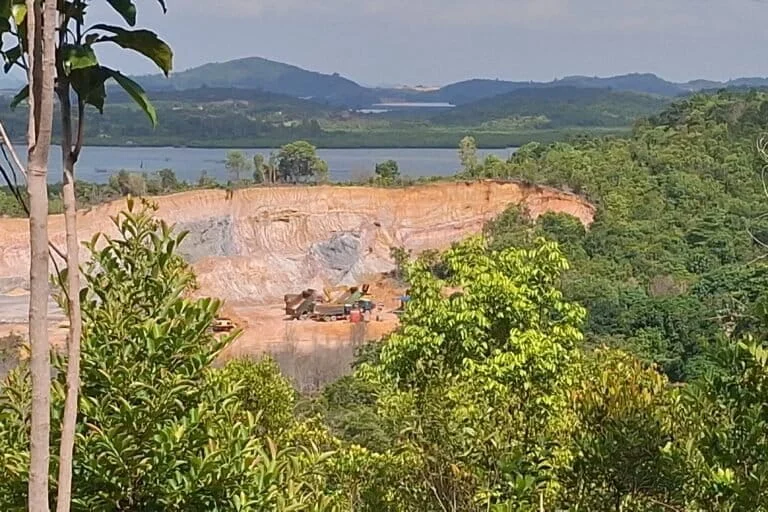
Emil Salim, a towering figure in Indonesian economics and a foundational architect of the nation’s environmental policy, continues to serve as a moral compass for the country’s ecological conscience at 96 years of age. His journey from a conventional technocrat focused on economic growth to a staunch advocate for environmental sanctity offers a profound case study in the evolution of modern governance. As Indonesia grapples with the escalating pressures of industrialization and climate change, Salim’s transition—marked by a radical shift in perspective—remains a critical reference point for contemporary policymakers who struggle to balance developmental ambitions with the preservation of natural capital.
The Transformation of a Technocrat
During the early years of the New Order regime, Emil Salim was firmly embedded in the orthodox school of economic development. Like many of his peers, he viewed the vast Indonesian landscape primarily as an inventory of resources—a collection of raw materials waiting to be harnessed to fuel national growth and poverty alleviation. This perspective was challenged abruptly during a routine fishing trip in the waters of Tanjung Priok, Jakarta.
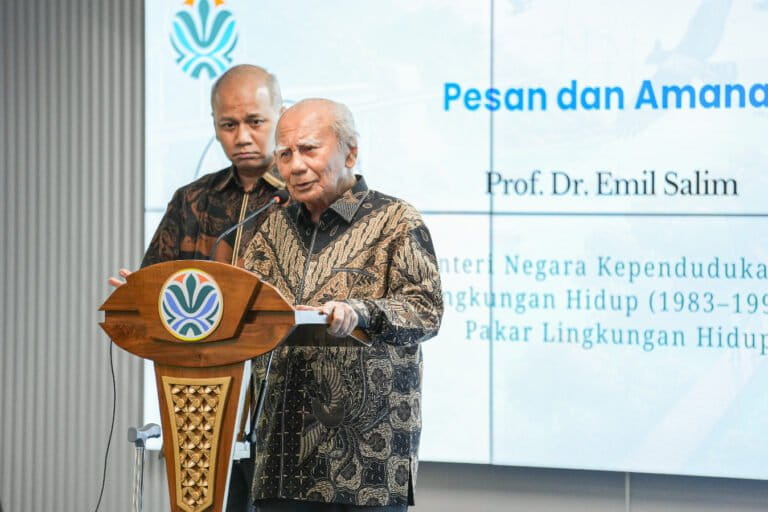
Accompanied by President Soeharto, Salim observed the degradation of the coastal waters firsthand. The President, noting that he had to travel progressively further into the sea to find fish due to localized pollution, posed a rhetorical yet biting question: "Why is this sea so dirty?" For Salim, then Minister of Communications, the moment served as a sobering reprimand. Shortly thereafter, he was appointed as the Minister of Environment—a portfolio that was, at the time, viewed with skepticism by the established economic elite.
Initially reluctant, Salim accepted the post and began an intellectual and spiritual odyssey. He sought counsel outside the traditional corridors of power, engaging with leaders of the Pondok Pesantren Annuqayah in Madura and religious figures in Maumere, East Nusa Tenggara. These interactions grounded his environmentalism in faith and community-based ethics, allowing him to bridge the gap between abstract policy and the tangible realities of local ecosystems. He famously embraced the Minangkabau proverb, "Alam takambang jadi guru" (The vast expanse of nature is our teacher), cementing his belief that nature is not an object to be mastered, but a subject to be revered.
The Institutional Landscape and Strategic Advocacy
Emil Salim assumed the mantle of the environment ministry at a time when the office lacked the structural bureaucracy or the legal teeth to challenge powerful industrial interests. He navigated this limitation by pioneering a collaborative model of governance. Recognizing that top-down regulation was insufficient, Salim mobilized civil society organizations, environmental NGOs, academics, and indigenous communities. By fostering a network of external oversight, he empowered these groups to act as a check on state-led development projects.
This strategy underscored a philosophy that remains highly relevant today: environmental governance cannot rely on bureaucracy alone. It requires the active participation of those most impacted by ecological shifts. During his tenure, Salim championed the integration of "sustainable development" into the national lexicon, a concept he further solidified through his involvement in the World Commission on Environment and Development (WCED). His contribution to the 1987 "Our Common Future" report, which introduced the landmark definition of sustainable development, helped align Indonesia with emerging global environmental standards.
Data and the Disconnect of Modern Policy
The urgency of reflecting on Emil Salim’s legacy is underscored by the current state of Indonesia’s energy and ecological landscape. As noted by industry experts and former government officials, there is a perceived drift away from the principles of sustainability that Salim once championed.
Consider the energy sector, which is central to Indonesia’s push for modernization. The nation currently struggles with a low electricity consumption rate, hovering around 1,300 kWh per capita. To reach the benchmarks of a modern, developed economy—typically estimated at 10,000 kWh per capita—the nation faces a massive infrastructure challenge. However, the path to achieving this capacity is fraught with risk. If Indonesia continues to rely on the current pace of renewable energy expansion—roughly 4,000 to 5,000 Megawatts per year—the nation will fall far short of the 500,000 Megawatt capacity required for a sustainable, high-energy future.
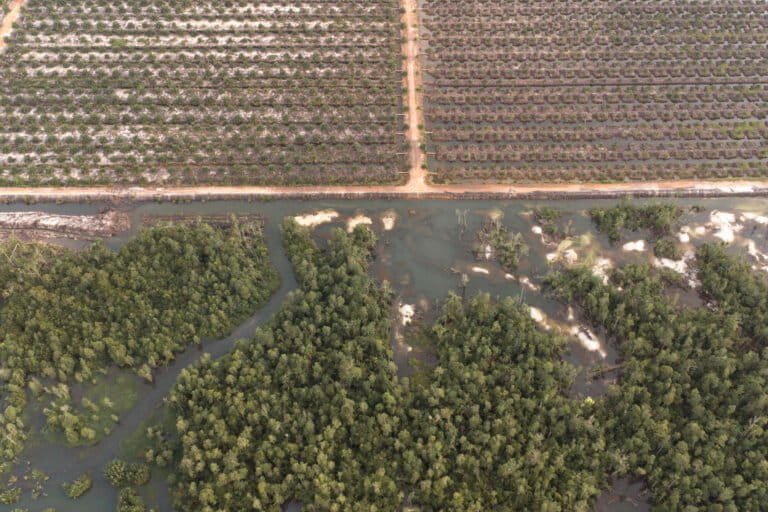
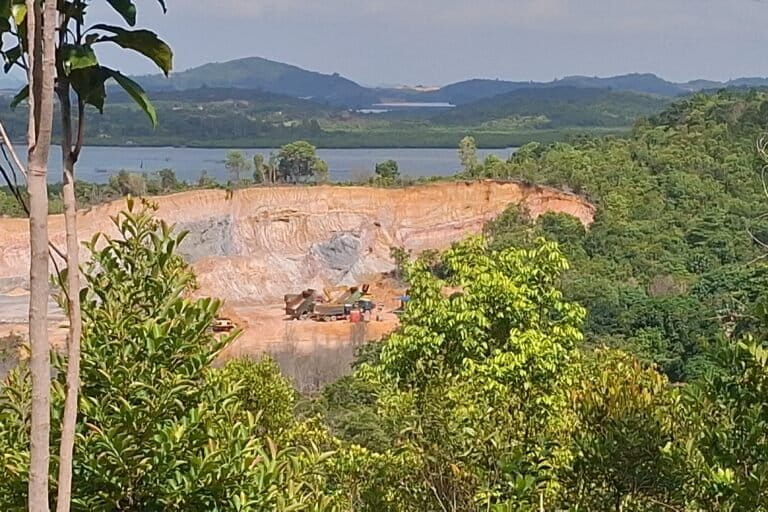
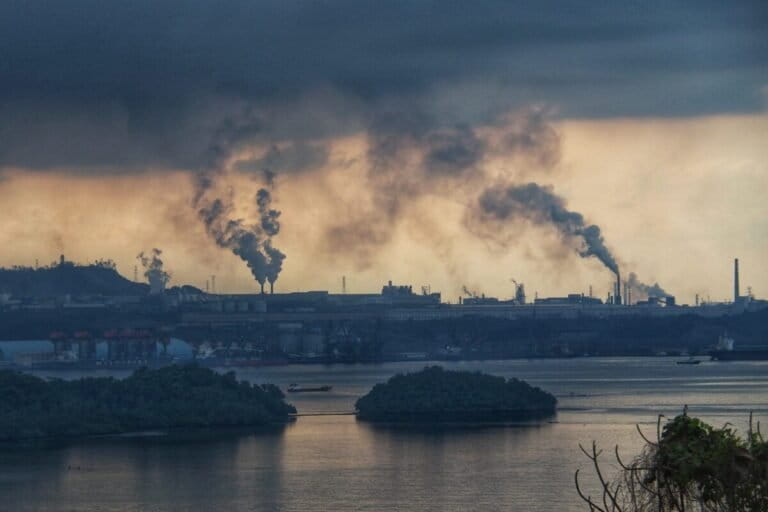
The reliance on "captive" coal-fired power plants, particularly in the nickel processing industry in Sulawesi, highlights a deepening contradiction. While these industrial zones are presented as engines of economic growth, they often function in direct opposition to climate commitments. This tension creates a "triple planetary crisis"—a confluence of climate change, biodiversity loss, and massive pollution—that threatens the very stability of the nation’s future development.
The Erosion of Governance and Integrity
The decline in environmental oversight is often attributed to a degradation of the bureaucratic culture. Gita Wirjawan, a former Minister of Trade, argues that the current governance structure suffers from a "siloed" flow of information. In an environment where subordinate officials are incentivized to please their superiors rather than report uncomfortable truths, the ability of the government to make evidence-based decisions is severely compromised.
This culture of sycophancy, according to critics, is the root cause of systemic corruption and the primary barrier to sustainable governance. When the flow of accurate data is interrupted by political expediency, the integrity of environmental impact assessments and conservation policies is undermined. The result is a cycle of "betonization"—the excessive use of concrete and the shrinking of urban green spaces—which exacerbates the "heat island" effect in cities. As journalist Brigitta Isworo has pointed out, this lack of planning creates a dangerous feedback loop where the interruption of airflow and the rise in urban temperatures place an undue burden on future generations, effectively forcing them to pay an "ecological debt" accrued by current policies.
Implications for the Future
The lessons of Emil Salim’s career are not merely historical footnotes; they are survival strategies for the 21st century. As Indonesia navigates the complexities of the global energy transition, the need to return to a model of development that treats the environment as a stakeholder is paramount.
The challenges ahead are clear:
- Accelerated Decarbonization: The transition from coal-dependent growth to renewable energy must move from a linear, slow-paced adoption to an exponential surge. The target of 500,000 Megawatts of renewable capacity is not just an aspiration but a prerequisite for long-term economic relevance.
- Restoration of Integrity: Governance must be de-politicized to allow for the free flow of scientific and environmental data. Transparency is the only mechanism that can prevent the short-term exploitation of natural resources from becoming a long-term economic liability.
- Re-engagement with Civil Society: Following Salim’s blueprint, the government must once again view NGOs, academics, and indigenous groups as partners in development rather than obstacles to progress.
Conclusion: A Call for Institutional Memory
As Indonesia looks toward its future, the shadow of Emil Salim’s 96-year-old wisdom looms large. The "lost" era of stewardship he represents is not one that should be relegated to the past, but one that must be urgently reclaimed. The current trajectory—defined by rapid, often destructive, industrial expansion—risks exhausting the natural capital required to sustain the nation in the decades to come.
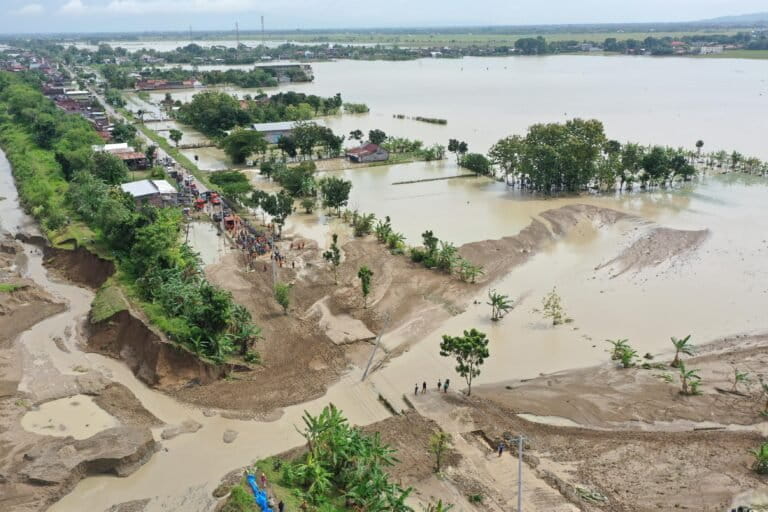
For the modern Indonesian state, the path forward requires a synthesis of technological ambition and the ethical caution that Salim pioneered. True progress will not be measured by the rate of industrial output alone, but by the ability of the nation to grow without compromising the ecological foundation that makes life and prosperity possible. Without a fundamental shift back to the principles of "Our Common Future" and a commitment to radical transparency, Indonesia risks building a modern economy on a foundation that is fundamentally unstable. The legacy of Emil Salim, therefore, serves as both a reminder of what was once achieved and a warning of the consequences should those lessons be forgotten.