Nila Kartika Wati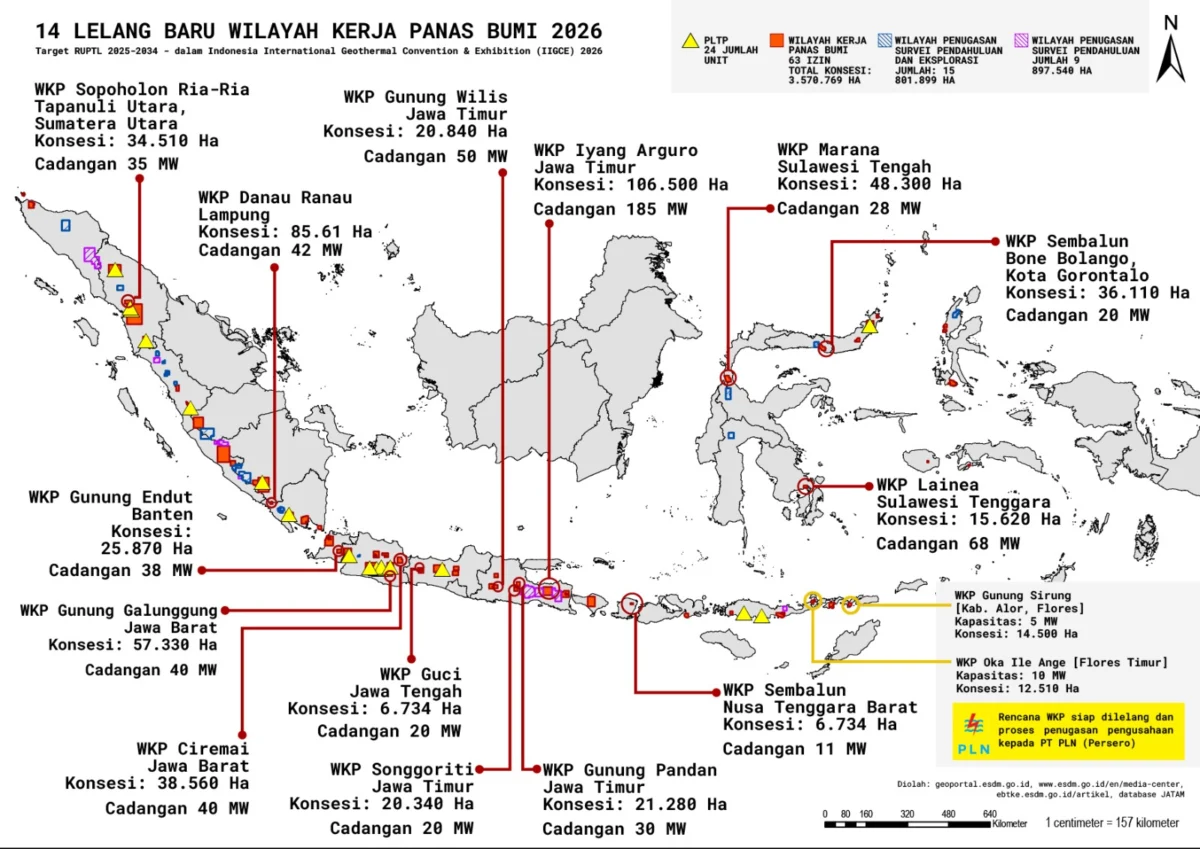
The Indonesian government under President Prabowo Subianto has unveiled a sweeping two-pronged energy strategy aimed at accelerating the nation’s transition toward clean energy. The initiative, primarily focused on the mass electrification of the transportation sector through electric vehicle (EV) subsidies and an intensified push for geothermal energy development, has been framed by the state as a cornerstone of its 2027 economic agenda. However, the policy has ignited a firestorm of criticism from environmental advocacy groups, most notably the Mining Advocacy Network (Jatam), which argues that these initiatives serve to deepen an extractive economic model that prioritizes corporate profitability at the expense of indigenous land rights and ecological integrity.
The Fiscal Strategy Behind Electrification
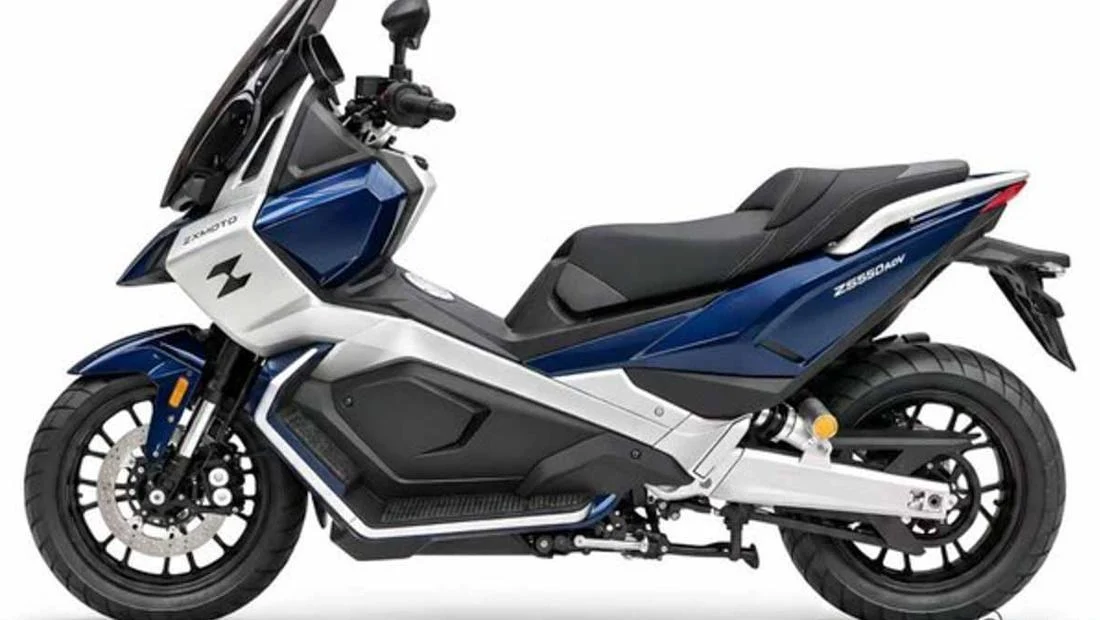
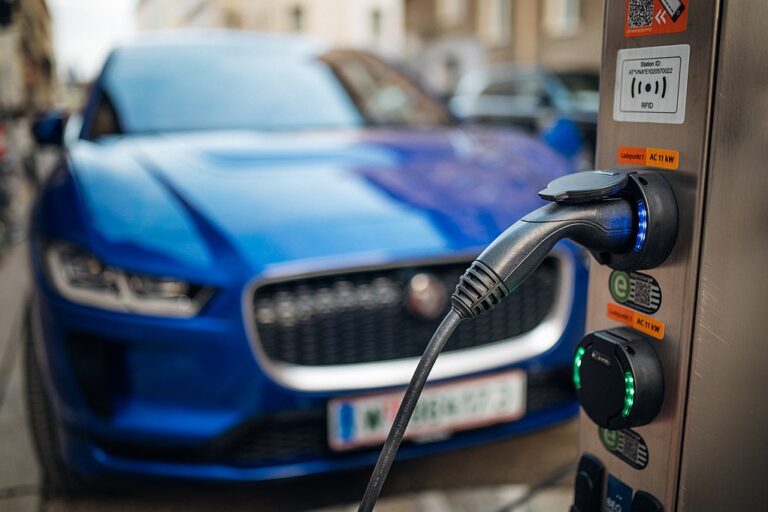
During the presentation of the 2027 State Budget (RAPBN) draft at the DPR RI Plenary Session on August 14, 2026, President Prabowo Subianto articulated a clear shift in national energy policy. Central to this vision is the acceleration of "people’s mobility electrification." The administration has committed to a significant reduction in fuel subsidies, pivoting instead toward a massive incentive scheme for domestic companies capable of producing 1 million electric motorcycles.
The government has allocated Rp3 trillion from public funds to subsidize the purchase of these vehicles, offering a direct rebate of Rp3 million per unit to consumers. This fiscal commitment arrives at a precarious time for the national balance sheet. The proposed 2027 budget is set at a staggering Rp4,090.2 trillion, representing a massive increase of Rp254.5 trillion compared to the 2026 budget, with an projected deficit of Rp671.2 trillion. Economists and civil society watchdogs have questioned the prudence of such heavy subsidies for private vehicle ownership while the nation faces significant fiscal pressure and a pressing need for social welfare improvements.
Chronology of the Electric Ambition
The launch of this policy follows a high-profile ceremony on August 13, 2026, where President Prabowo officially inaugurated the National Electric Motorcycle (Molinas) ecosystem at the PT Ilectra Motor Group (ALVA) facility in Cikarang, West Java. The event was a display of political and economic solidarity, attended by Coordinating Minister for Economic Affairs Airlangga Hartarto, Minister of Investment and Downstreaming Rosan Roeslani, and top-tier military and police officials.
The selection of ALVA as the launch pad has drawn specific scrutiny. ALVA is a subsidiary of PT Indika Energy Tbk, a conglomerate historically rooted in the coal mining sector. Critics note that the pivot to "green" energy by such entities appears more like a strategic rebranding than a fundamental departure from extractive practices. President Prabowo’s own remarks during the event, where he reminisced about his long-standing familiarity with the Indika brand, highlighted the close-knit relationship between the current administration and traditional industrial powerhouses.
The Hidden Cost of the Nickel Boom
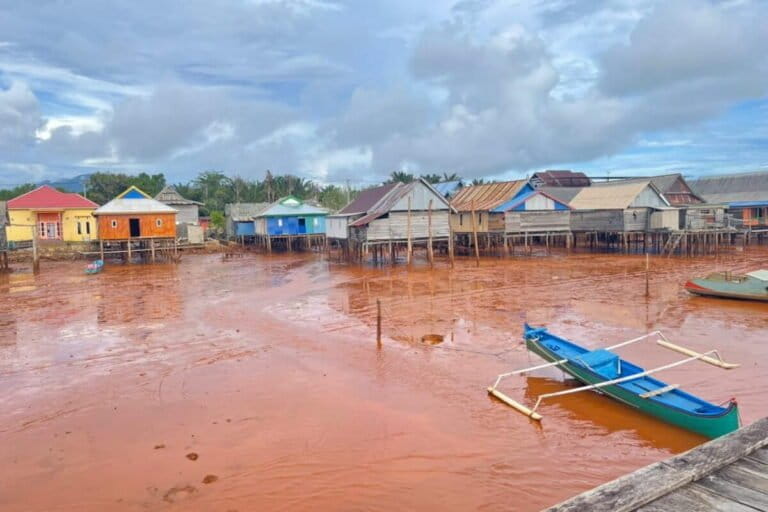
The government’s push for electric motorcycles is inextricably linked to the demand for nickel, a primary component in EV batteries. Indonesia, which holds the world’s largest nickel reserves, has seen its mining sector explode in recent years. By 2022, Indonesia’s nickel ore production hit 1.6 million tons. By 2024, the number of nickel mining permits had surged to 380, covering a total concession area of 983,300 hectares—an area nearly 15 times the size of Jakarta.
Hema Situmorang, a lead campaigner for Jatam, argues that the narrative of "green" mobility masks a darker reality on the ground. "The mass production of electric vehicles is being fueled by an industry that is heavily dependent on coal-fired power plants (PLTU) for its smelters," Situmorang stated. Data suggests that only 5% of domestic nickel production is currently directed toward the EV battery industry, while 70% is utilized for the production of stainless steel. This indicates that the "green" transition is largely a byproduct of a broader, high-impact mining expansion that continues to prioritize export markets and industrial output over domestic environmental sustainability.
Geothermal Development and the "Green" Label
Beyond transport, the Prabowo administration is aggressively expanding the geothermal sector. During the Indonesia International Geothermal Convention & Exhibition (IIGCE) held in August 2026, Minister of Energy and Mineral Resources Bahlil Lahadalia announced plans to revise Government Regulation (PP) No. 7/2017 and Presidential Regulation (Perpres) No. 112/2022. These revisions are designed to remove bureaucratic hurdles for corporations, effectively facilitating easier access to indigenous lands and sensitive ecological areas.
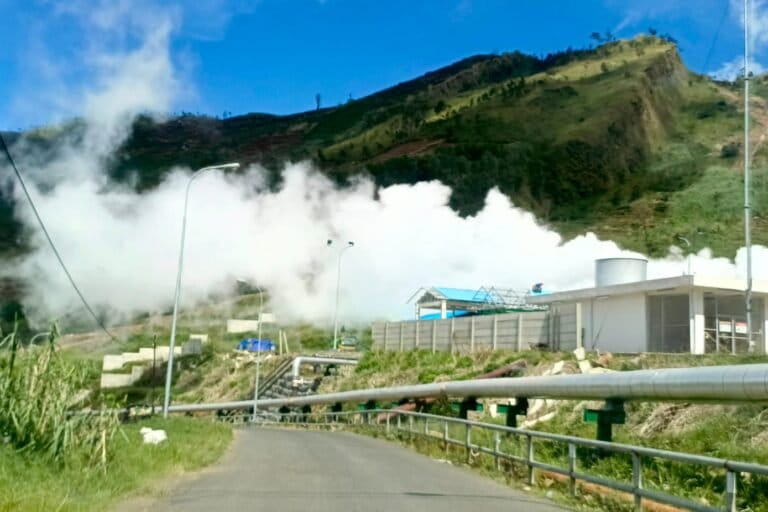
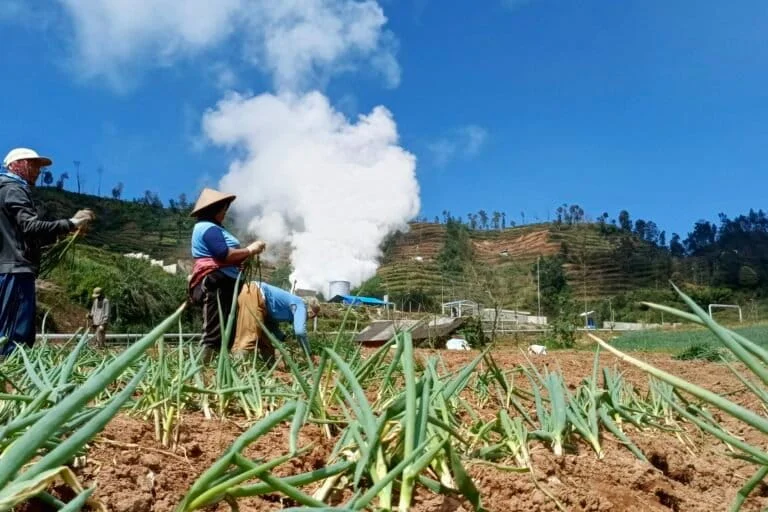
The Ministry of Energy and Mineral Resources has identified 14 new Geothermal Working Areas (WKP) for auction, adding to an existing portfolio of 64 WKPs that already span 3.9 million hectares of Indonesian territory. Notable among these is the Gunung Ungaran WKP in Central Java and the Talaga Ranu WKP in North Maluku. Both regions are culturally significant, housing spiritual sites for local communities and the Sahu indigenous people. Critics argue that branding these projects as "clean energy" ignores the severe localized impacts, including the destruction of ancestral lands and the displacement of local livelihoods.
Environmental and Human Safety Risks
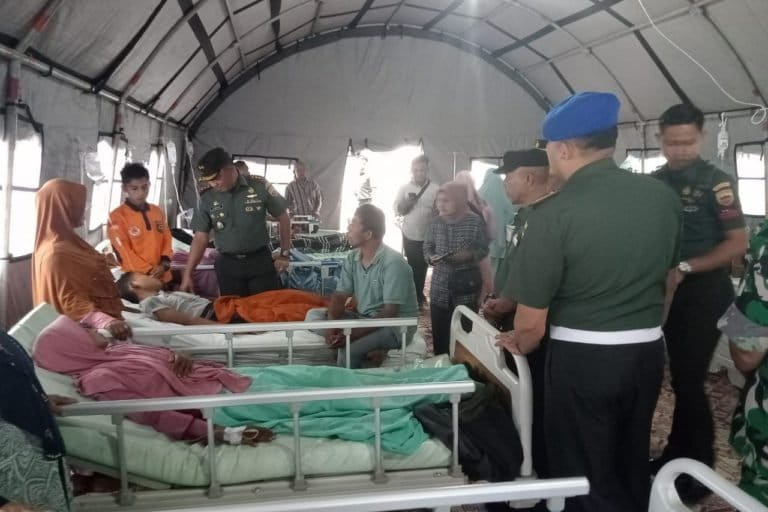
The environmental toll of geothermal energy is frequently downplayed, yet the data presents a concerning trend. Over the period of 2016 to 2026, Jatam has documented at least 10 major incidents involving hydrogen sulfide (H2S) gas leaks, industrial accidents, and fatal failures at geothermal power plants (PLTP). These incidents have resulted in 490 reported cases of injury or gas poisoning and nine fatalities.
The cases of Mataloko in East Nusa Tenggara and the recurring mud eruptions at the Sorik Marapi plant in North Sumatra serve as stark reminders of the risks involved. The uncontrolled release of H2S—a toxic, lethal gas—has repeatedly forced the evacuation of surrounding villages and caused long-term health issues for residents. Melky Nahar, National Coordinator of Jatam, emphasized that the lack of accountability and mitigation strategies for these communities reveals a systemic failure. "The government continues to sell these projects as ‘green’ while refusing to address the actual, often fatal, consequences experienced by the people living in the shadow of these plants," Nahar stated.
Broader Economic and Societal Implications
The tension between the government’s industrial strategy and the concerns of environmental groups highlights a fundamental disagreement over what constitutes a "just transition." While the government views the expansion of the EV and geothermal sectors as essential for economic sovereignty and climate targets, critics contend that the strategy relies on a continuation of colonial-era extractive models.
The current administration’s focus on incentivizing private vehicle production over the development of mass transit infrastructure has been identified by policy analysts as a missed opportunity. Public transportation remains a critical need in Indonesia’s urban centers, where congestion and air pollution remain at crisis levels. By prioritizing individual vehicle ownership, the government is arguably perpetuating the very problems—congestion and resource depletion—that a genuine energy transition should solve.
Furthermore, the scale of the financial commitment—Rp3 trillion in subsidies—at a time of record-high budget deficits raises questions about fiscal sustainability. Critics argue that these funds would be more effectively spent on:
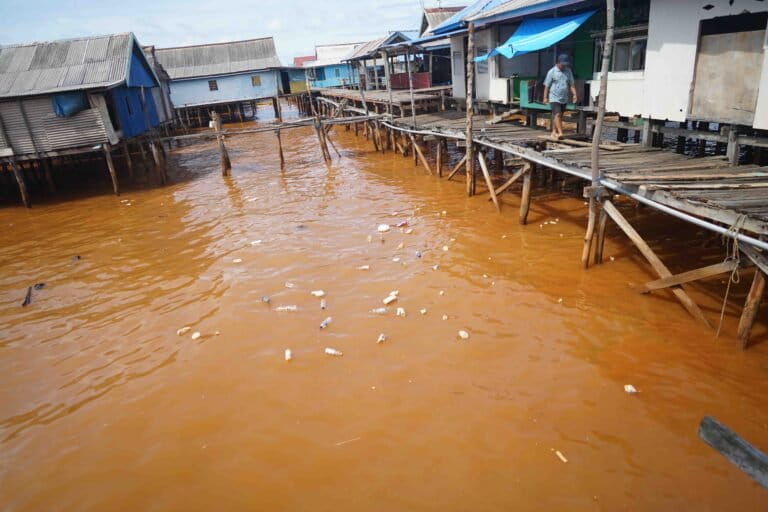
- Ecological Restoration: Investing in the remediation of land degraded by decades of unregulated mining.
- Public Infrastructure: Developing safe, affordable, and inclusive public transit networks that reduce the overall demand for individual vehicles.
- Community Protection: Establishing robust safety protocols and compensation funds for communities affected by industrial accidents and mining operations.
Looking Toward a Just Transition
As the 2027 fiscal year approaches, the government faces increasing pressure to reconcile its industrial ambitions with the reality of its environmental and social obligations. The demands from civil society are clear: a cessation of subsidies for private industry, a moratorium on new mining permits in sensitive areas, and a shift toward an economy that prioritizes resilience and equity over extraction.
The government’s response to these concerns will determine whether Indonesia’s energy transition will be a model for sustainable development or merely a rebranding of historical extractive practices. For now, the divide between the state’s industrial vision and the lived experiences of citizens in mining-affected regions continues to widen, setting the stage for what is expected to be a contentious period for national energy policy. The administration’s ability to navigate these competing interests will be the true test of its commitment to a future that is not only "green" but also fundamentally just for all Indonesians.