Azin Asro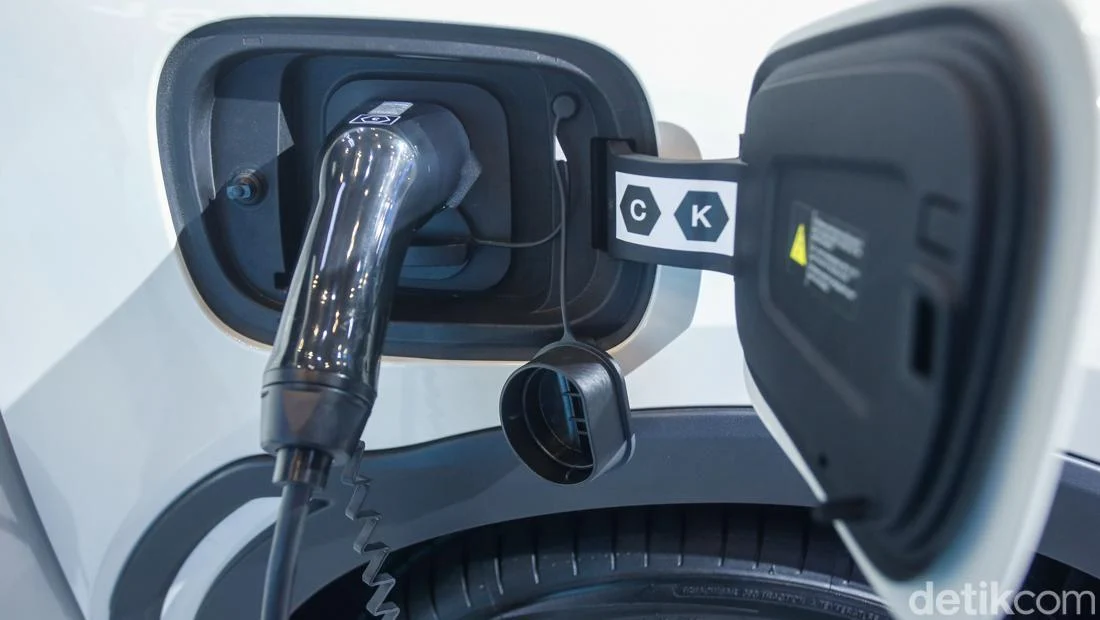
The landscape of personal transportation in Indonesia is undergoing a profound transformation, marked by a significant surge in the adoption of battery electric vehicles (BEVs) across major urban centers. Showroom floors from Jakarta to Surabaya increasingly feature sleek, silent alternatives to traditional internal combustion engine (ICE) vehicles, propelled by aggressive government incentives, a broader array of imported and locally assembled models, and a growing public consciousness regarding carbon emissions. Yet, this optimistic macroeconomic trajectory obscures a complex psychological and practical hesitation deeply embedded within a substantial segment of the Indonesian car-buying public. While unit sales figures continue to shatter previous records month over month, market researchers and industry analysts note that prospective consumers remain plagued by anxieties regarding long-term ownership costs, specifically concerning the durability and replacement expense of the high-voltage battery pack, as well as the nascent state of the national public charging infrastructure.
The Paradox of Growth: Rising Sales Amid Persistent Hesitation
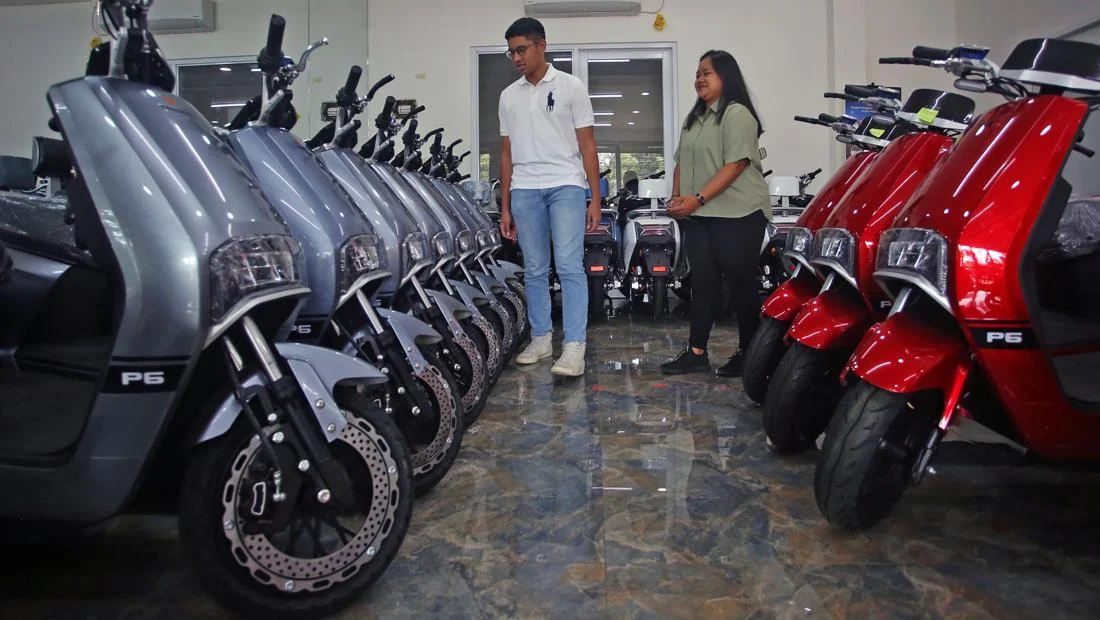
To fully comprehend the current state of the Indonesian automotive market, one must examine the juxtaposition between statistical growth and qualitative consumer sentiment. Sales data compiled by the Association of Indonesian Automotive Industries (Gaikindo) indicates that BEV sales have scaled unprecedented heights over the past twenty-four months. This upward momentum has been accelerated by the introduction of increasingly accessible price points, driven largely by aggressive competition among established Japanese, South Korean, and rapidly expanding Chinese manufacturers. Brands such as Wuling, BYD, Hyundai, and Chery have successfully localized production or secured substantial tax exemptions, bringing the entry-level cost of electric motoring down to levels that appeal to the burgeoning Indonesian middle class.
However, this commercial success has not entirely eradicated the skepticism born of unfamiliarity. Automotive observer and industry veteran Bebin Djuana points out that the hesitation frequently observed in showrooms is fundamentally anchored to the most critical component of any electric vehicle: the traction battery. Unlike conventional petroleum-fueled automobiles, whose mechanical complexities are widely understood by generations of local mechanics and vehicle owners, the battery pack of an EV represents an opaque, highly specialized, and undeniably expensive technology. For the average Indonesian household—for whom an automobile represents a major multi-year financial investment and asset—the prospect of shouldering the replacement cost of a degraded energy storage system introduces a formidable psychological barrier.
The Financial Reality of EV Batteries: Costs and Warranties
At the heart of consumer anxiety lies the stark financial reality of battery manufacturing and replacement costs. Battery packs are intricate assemblies of lithium-ion or lithium-iron-phosphate cells, thermal management systems, and computerized battery management units. Consequently, their retail replacement costs can constitute a staggering fraction of the total vehicle value.
Within the Indonesian market, empirical examples illustrate the magnitude of this financial exposure. For instance, replacement battery packs for popular mid-tier electric models, such as the Hyundai Ioniq 5—which has achieved iconic status on Indonesian thoroughfares—can range from Rp 300 million to over Rp 400 million. Similarly, newer entrants making waves in the domestic market, such as the Jaecoo J5 or comparable compact electric crossovers, feature battery replacement estimates hovering around the Rp 170 million mark. For consumers accustomed to routine engine overhauls or transmission servicing costing a fraction of these figures, the potential out-of-pocket expense of a post-warranty battery failure is a sobering proposition.
Recognizing this market friction, automotive manufacturers have deployed extensive risk-mitigation strategies. A prevailing trend among dominant EV brands in Indonesia is the provision of robust, multi-year manufacturer warranties specifically covering the high-voltage battery pack, frequently extending to 8 years or 160,000 kilometers, whichever comes first. Furthermore, select pioneering brands have introduced tiered or even lifetime warranties for the original owner under specific maintenance conditions. These warranties serve as a psychological safety net, designed to reassure buyers that premature degradation or manufacturing defects will be absorbed by the manufacturer rather than the consumer. Nonetheless, public awareness of these warranty structures remains uneven, and skepticism lingers regarding the longevity of these guarantees amid Indonesia’s tropical climate, characterized by high ambient temperatures and humidity, which can theoretically accelerate battery degradation if thermal management systems are pushed to their limits.
Technological Transition and the Maintenance Ecosystem
Beyond the immediate financial concerns of component replacement, the transition to electromobility introduces a profound shift in the automotive service ecosystem. For decades, Indonesian vehicle owners have relied on a vast, decentralized network of independent workshops, roadside mechanics, and authorized dealerships capable of servicing internal combustion engines. This ubiquitous infrastructure provided a sense of operational security; motorists knew that mechanical failures could be diagnosed and repaired swiftly, regardless of geographic location.
In stark contrast, electric vehicles operate on high-voltage electrical architectures that require specialized diagnostic tools, insulated safety equipment, and certified technician training. Bebin Djuana emphasizes that this technological leap generates a pervasive operational anxiety among prospective buyers. The foundational question confronting the consumer mindset is no longer simply about mechanical reliability, but rather institutional capability: "In the event of a complex electrical failure, who possesses the expertise, authorization, and equipment to safely handle the maintenance?"
While authorized dealerships are rapidly expanding their certified service bays and training local technicians to meet impending demand, independent service providers remain largely excluded from the high-voltage ecosystem. This centralization of maintenance creates a bottleneck, reinforcing consumer perceptions that EV ownership ties the buyer inextricably to corporate service networks, potentially limiting consumer agency in repairs and driving up routine servicing costs during the post-warranty period.
Infrastructure Bottlenecks and Long-Distance Travel Anxiety
Compounding financial and technical anxieties is the physical reality of Indonesia’s public charging infrastructure, commonly known as SPKLU (Stasiun Pengisian Kendaraan Listrik Umum). While the state-owned electricity enterprise, PT PLN (Persero), alongside private energy entities, has accelerated the installation of AC destination chargers and DC fast-charging stations across major toll roads and urban thoroughfares, geographic coverage remains heavily skewed toward Java and select major metropolitan centers outside the island.
This infrastructure disparity becomes acutely pronounced during peak travel seasons, such as the annual Idul Fitri exodus (Mudik), Christmas, and New Year holidays. During these periods, arterial toll roads experience unprecedented traffic volumes. The intersection of high traffic density, limited fast-charging bays, and extended charging durations—ranging from 20 minutes to over an hour depending on the vehicle’s architecture and charger output—creates operational bottlenecks that challenge the patience and planning capabilities of motorists.
Bebin Djuana notes that these logistical challenges occasionally manifest as daunting narratives within public discourse, transforming potential road trips into calculated logistical exercises. Despite these intimidating accounts, however, early adopters demonstrate a remarkable resilience and dedication to the technology. Rather than deferring travel plans, many EV owners continue to navigate long-distance routes, frequently displaying high levels of adaptability. Anecdotal accounts from recent holiday seasons highlight instances where motorists willingly adjusted their schedules, queued for hours, or even parked overnight near strategic charging hubs to replenish their batteries, prioritizing the novelty and operational economy of electric driving over traditional convenience.
Chronology of EV Adoption and Policy Evolution in Indonesia
To contextualize the current consumer mindset, it is essential to trace the rapid chronology of Indonesia’s electric vehicle transition over the past decade:
- 2019: The Indonesian government signals its commitment to green transportation by issuing Presidential Regulation No. 55 of 2019 concerning the Acceleration of Battery Electric Vehicle Programs for Road Transportation, laying the legal foundation for domestic manufacturing and import incentives.
- 2021–2022: Early commercial rollouts begin with completely built-up (CBU) luxury imports and commercial fleet trials, establishing initial public visibility for electric cars.
- 2023: The government introduces aggressive fiscal incentives, including a reduction in Value Added Tax (VAT) for locally assembled BEVs meeting domestic content requirement (TKDN) thresholds, alongside subsidies for electric motorcycles. This triggers a wave of foreign direct investment, particularly from Chinese automotive giants establishing local assembly footprints.
- 2024: Sales volumes surge dramatically, crossing significant milestone figures tracked by Gaikindo. The market diversifies rapidly, introducing sub-Rp 300 million electric city cars and expanding the SPKLU network along the Trans-Java toll road network.
- 2025 and Beyond: The current phase is defined by market consolidation, rising consumer awareness, and the simultaneous confrontation of long-term ownership challenges, such as battery lifecycle management and secondary resale value stability.
Implications for the Future of Indonesian Mobility
The psychological and structural barriers identified by industry observers do not signal a terminal halt to Indonesia’s electrification agenda, but rather highlight the natural friction points of a major technological paradigm shift. The transition from fossil-fuel combustion to electrochemical propulsion requires more than just financial incentives and showroom availability; it demands a comprehensive cultural and structural adaptation.
For automakers and policymakers, the implications are clear. Sustaining long-term market growth necessitates targeted interventions designed to systematically dismantle consumer anxieties. This includes greater transparency regarding battery degradation rates, standardized recycling and disposal frameworks, the expansion of modular battery repair rather than complete unit replacements, and aggressive, nationwide scaling of fast-charging infrastructure. Furthermore, as the secondary market for used electric vehicles begins to take shape in Indonesia, establishing clear valuation metrics for aging battery packs will be paramount in preserving consumer confidence.
Ultimately, while the fear of steep battery replacement costs and infrastructure limitations remains a potent psychological anchor for cautious buyers, the undeniable economic efficiency of daily operation, coupled with relentless technological maturation, continues to draw thousands of new motorists into the electric fold. As the charging network matures and the secondary market stabilizes, the anxieties currently dominating showroom conversations are expected to recede, paving the way for a more confident and comprehensive embrace of sustainable mobility across the archipelago.